By 2030, the West African broiler industry is projected to experience significant changes in stocking density, driven by evolving consumer demands, sustainability concerns, and enhanced disease awareness. This shift promises to reshape the landscape of zoonotic disease risk in the region. Let's explore the trends, projections, and probabilities that could shape this future.
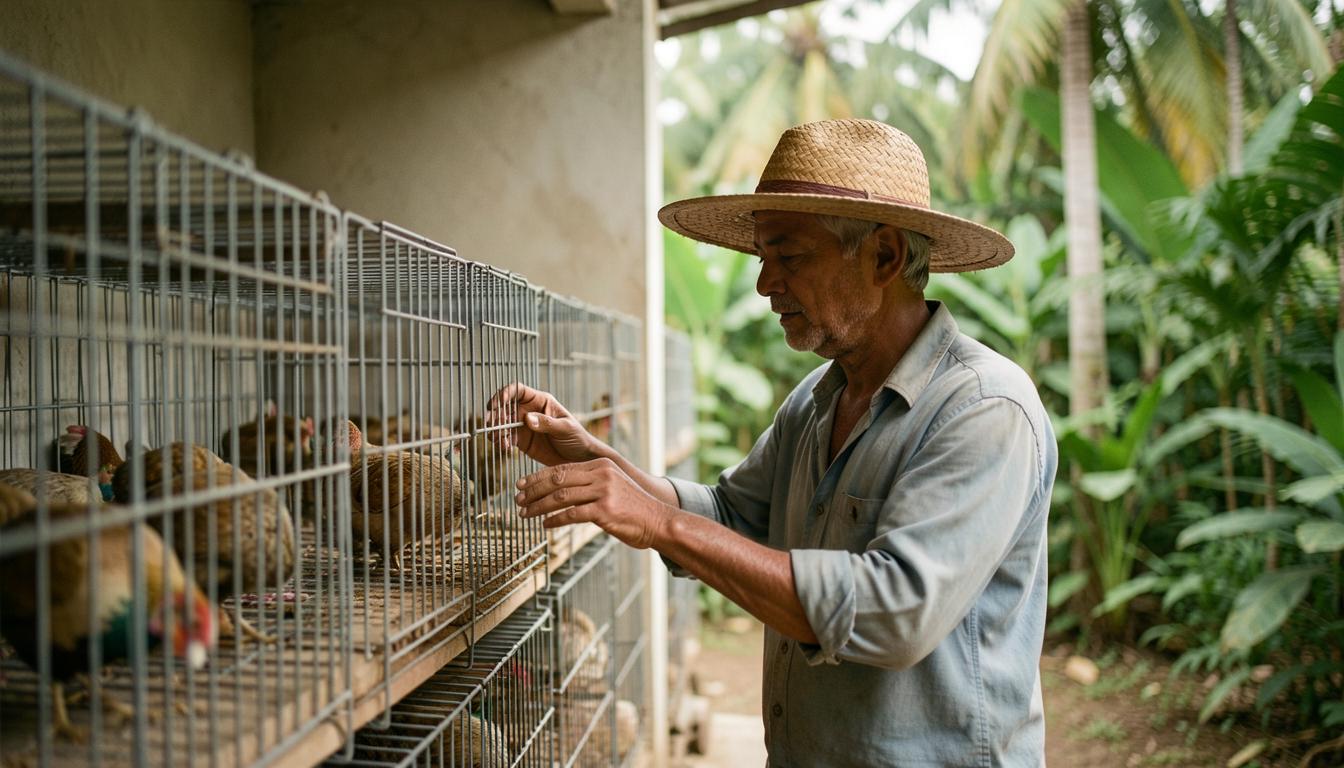
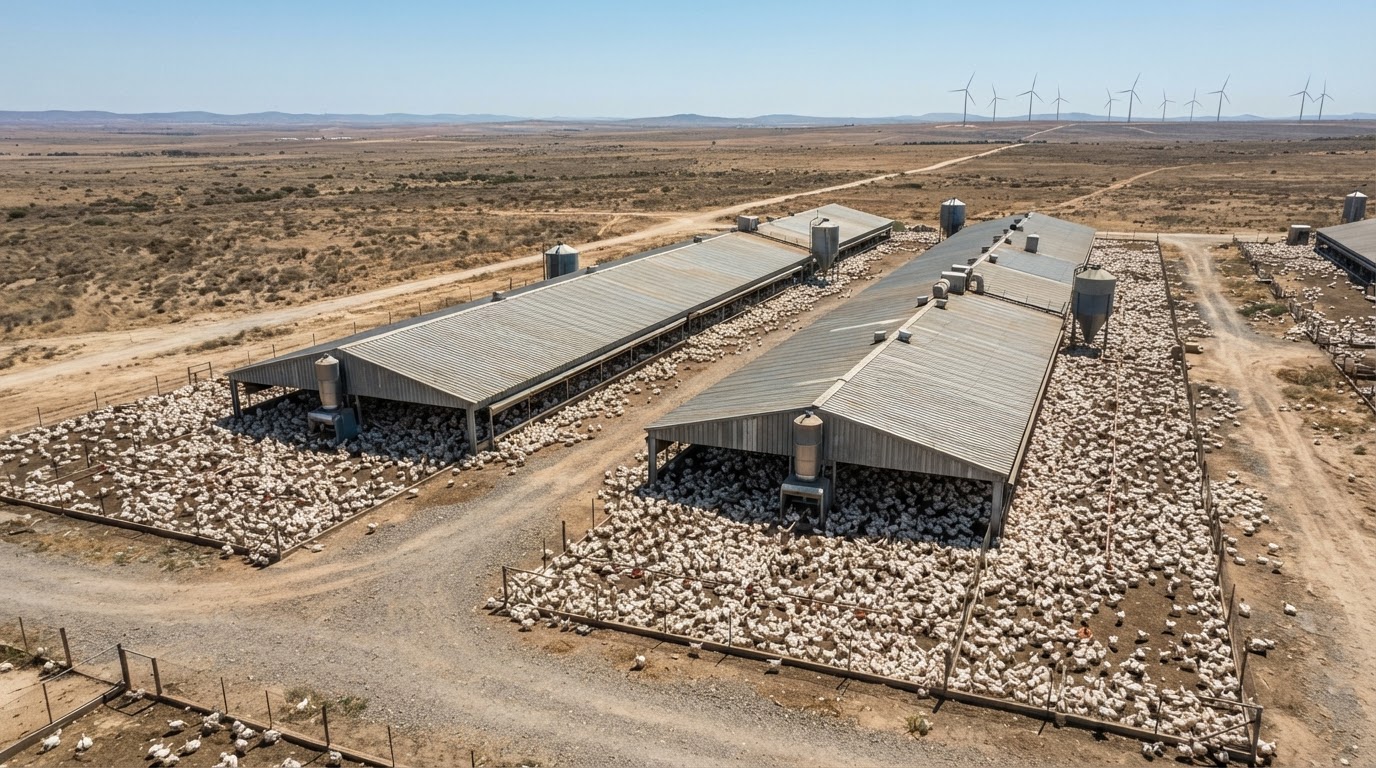
Currently, stocking densities in West African broiler farms range from 14 to 20 birds per square meter (bpm2). However, projections suggest a significant decrease by 2030, driven by several intersecting trends.
Growing consumer demand for welfare-friendly poultry
Consumers worldwide are increasingly concerned about animal welfare, sustainability, and food safety. This trend is gaining traction in West Africa, where a growing middle class is driving demand for higher welfare poultry products. According to a 2022 report by the World Animal Protection, this growing demand could significantly impact stocking densities by 2030.
“We're seeing a shift in consumer preferences, with more people willing to pay a premium for chicken raised under better conditions. This could drive significant changes in stocking densities by 2030.”
Sustainability concerns and environmental regulations
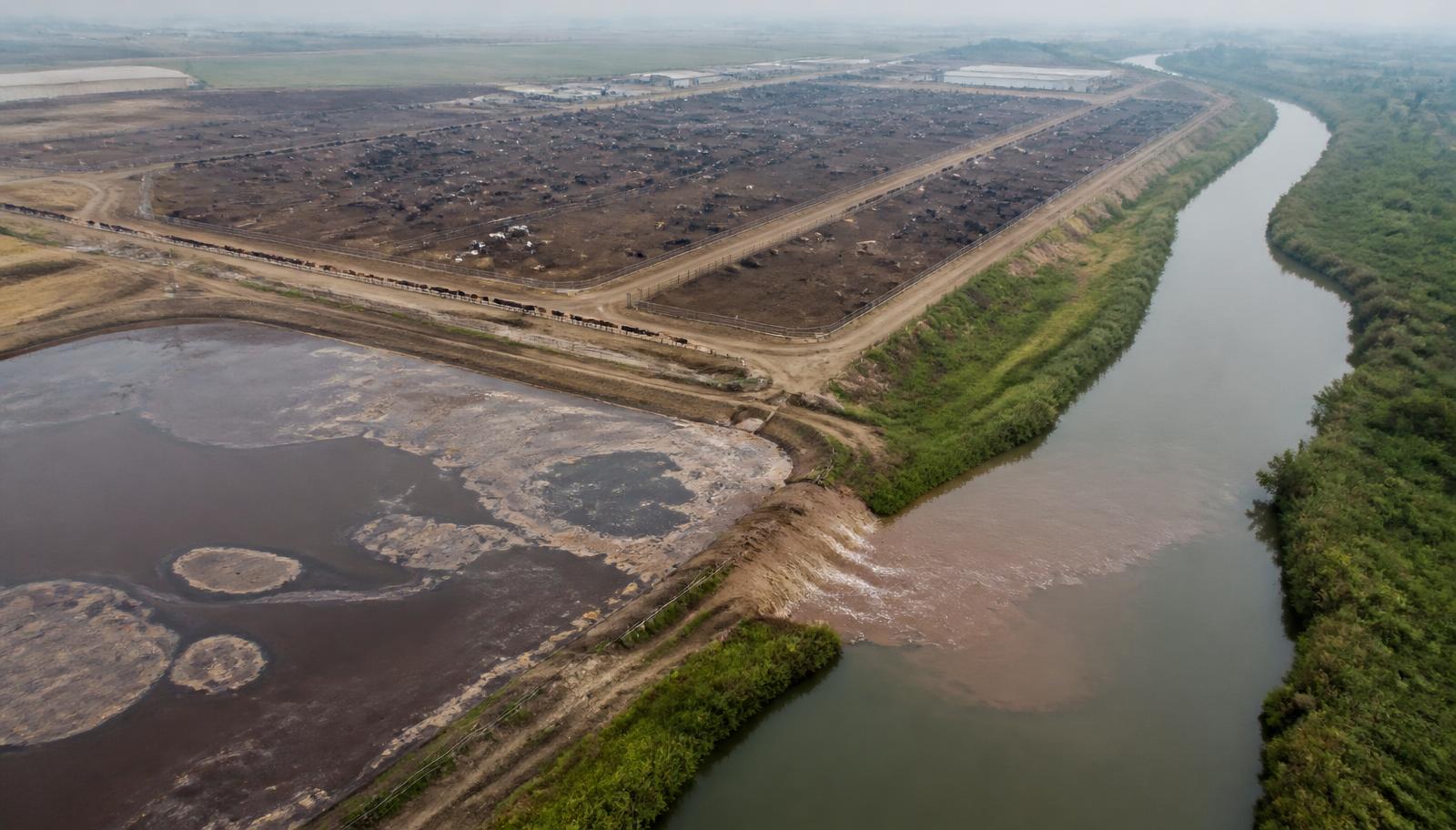
The environmental impact of poultry production is an increasingly pressing concern. High stocking densities contribute to increased waste generation, ammonia emissions, and water usage. Stricter environmental regulations, coupled with growing consumer awareness, could drive a reduction in stocking densities by 2030.
| Stocking Density (bpm2) | Waste Generation (kg/bird) | Ammonia Emissions (mg/m3) | Water Usage (L/bird) |
|---|---|---|---|
| 14 bpm2 | 0.8 | 150 | 1.2 |
| 18 bpm2 | 1.1 | 220 | 1.5 |
| 22 bpm2 | 1.4 | 300 | 1.8 |
Enhanced disease awareness and improved farm management
High stocking densities are associated with increased stress, poor bird health, and heightened zoonotic disease risk. As disease awareness grows, driven by high-profile outbreaks and international health crises, farmers and policymakers are increasingly prioritizing improved farm management and reduced stocking densities.
Projected change in broiler stocking density, 2020-2030
The role of policy and regulation
Government policies and regulations play a crucial role in shaping the poultry industry. Stricter welfare standards, environmental regulations, and supportive incentives for improved farm management could accelerate the shift towards lower stocking densities. However, the pace and extent of policy change remain uncertain.
Frequently asked questions
What are the key drivers of change in West African broiler production?+
Growing consumer demand for welfare-friendly products, sustainability concerns, enhanced disease awareness, and environmental regulations are the primary drivers of change in West African broiler production.
How will stocking densities in West African broiler farms change by 2030?+
Stocking densities in West African broiler farms are projected to decrease by 20% by 2030, driven by the trends and factors outlined in this article.
What challenges could hinder the shift towards lower stocking densities?+
Economic viability, industry adaptation, and the pace of policy change pose potential challenges to the shift towards lower stocking densities in West African broiler production.