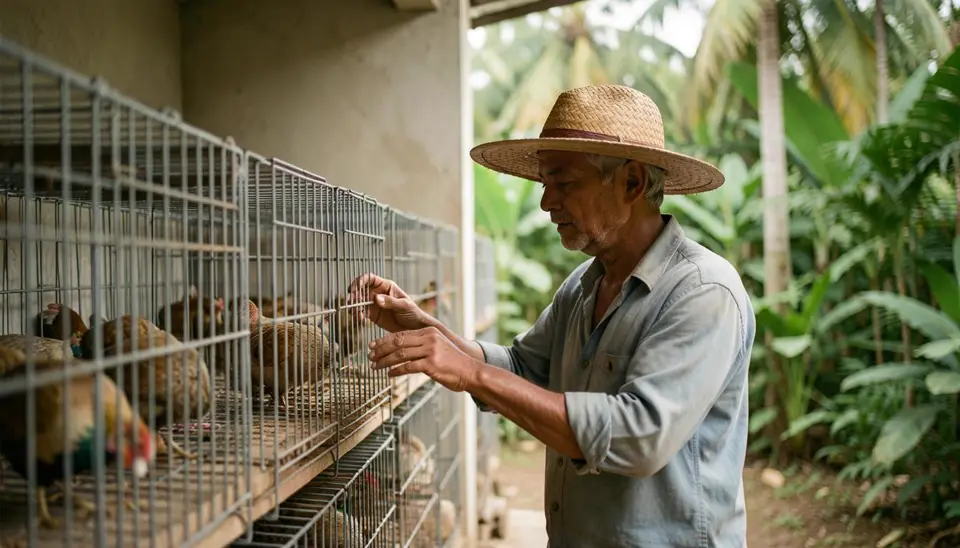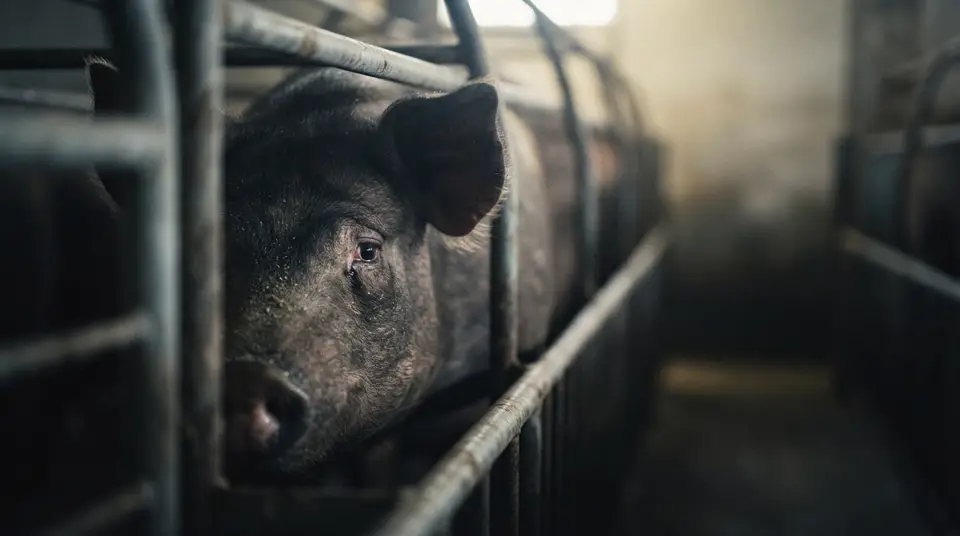
Veal crates, a contentious practice in global animal agriculture, are maintained by a web of subsidies and lobbying, making it challenging for first-generation immigrants navigating two food cultures to make ethical choices.
The veal industry is supported by substantial government subsidies, with the U.S. alone providing over $1.5 billion in farm subsidies from 1995 to 2020, according to the Environmental Working Group. These subsidies help maintain the profitability of veal crate farming despite growing consumer concerns about animal welfare.

“Subsidies allow farmers to keep producing veal in crates even when it's not economically viable due to consumer demand shifts.”
Lobbying groups, such as the National Cattlemen's Beef Association, have successfully influenced regulations to maintain the status quo. In the U.S., despite public outcry, the 2008 Farm Bill did not include a ban on veal crates, with lobbying cited as a significant factor.
First-generation immigrants often struggle to reconcile their native food culture with new dietary norms. A survey by the Food Marketing Institute found that immigrants are more likely to purchase food items that remind them of home, including veal dishes.
Frequently asked questions
How can immigrants make ethical choices when shopping for veal?+
Look for 'raised without antibiotics' or 'grass-fed' labels, and support retailers that prioritize animal welfare.
What can consumers do to push for change in veal crate farming?+
Vote for politicians who prioritize animal welfare, engage in activism, and reduce or eliminate veal consumption.