Did you know that the food served in schools can significantly contribute to greenhouse gas emissions? According to a study by Poore & Nemecek (Science, 2018), avoiding food loss and waste and shifting towards more plant-based diets could reduce food-related emissions by up to 70%.
So, what can we do to reduce these emissions? One way is through citizen science data analysis. By collecting and analyzing data on school meal emissions, we can identify areas for improvement and make informed decisions about how to reduce our impact on the climate.
How do school meals contribute to emissions?
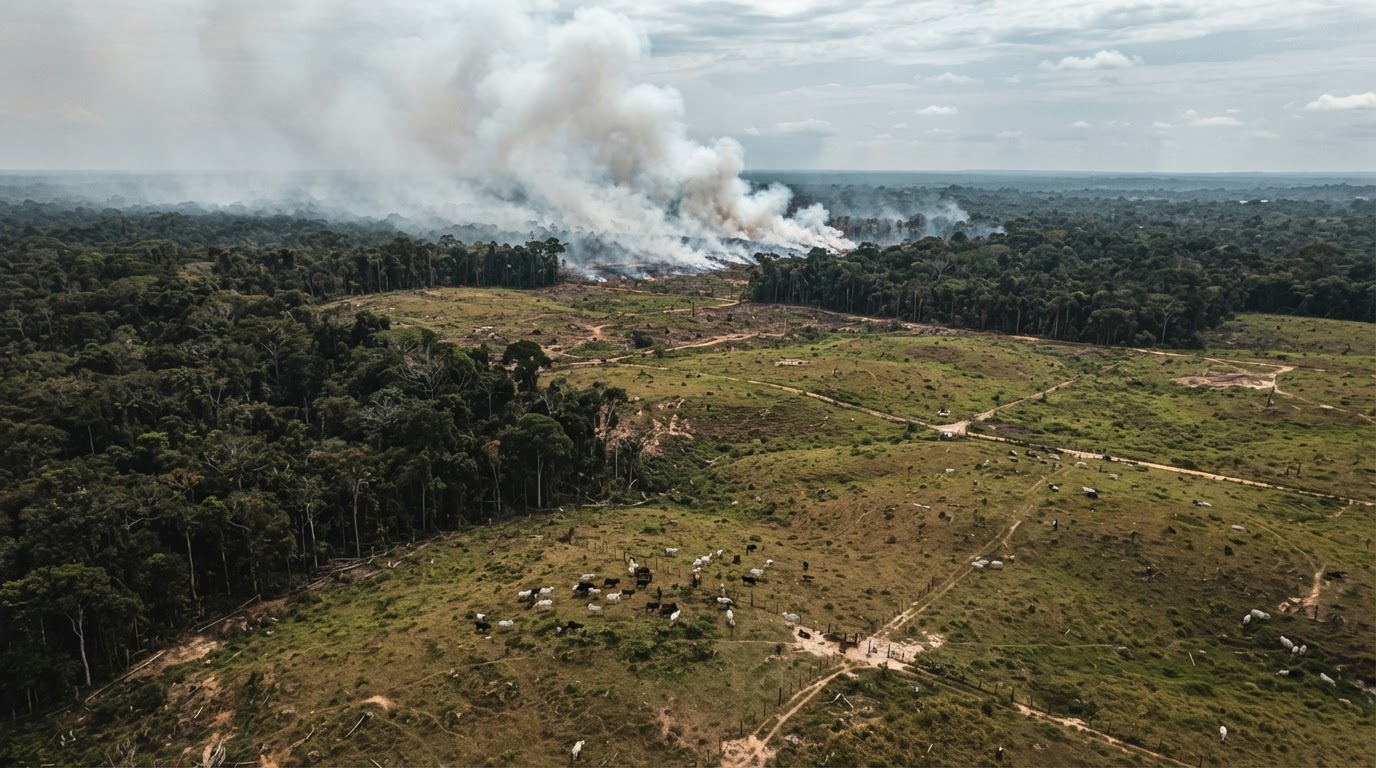
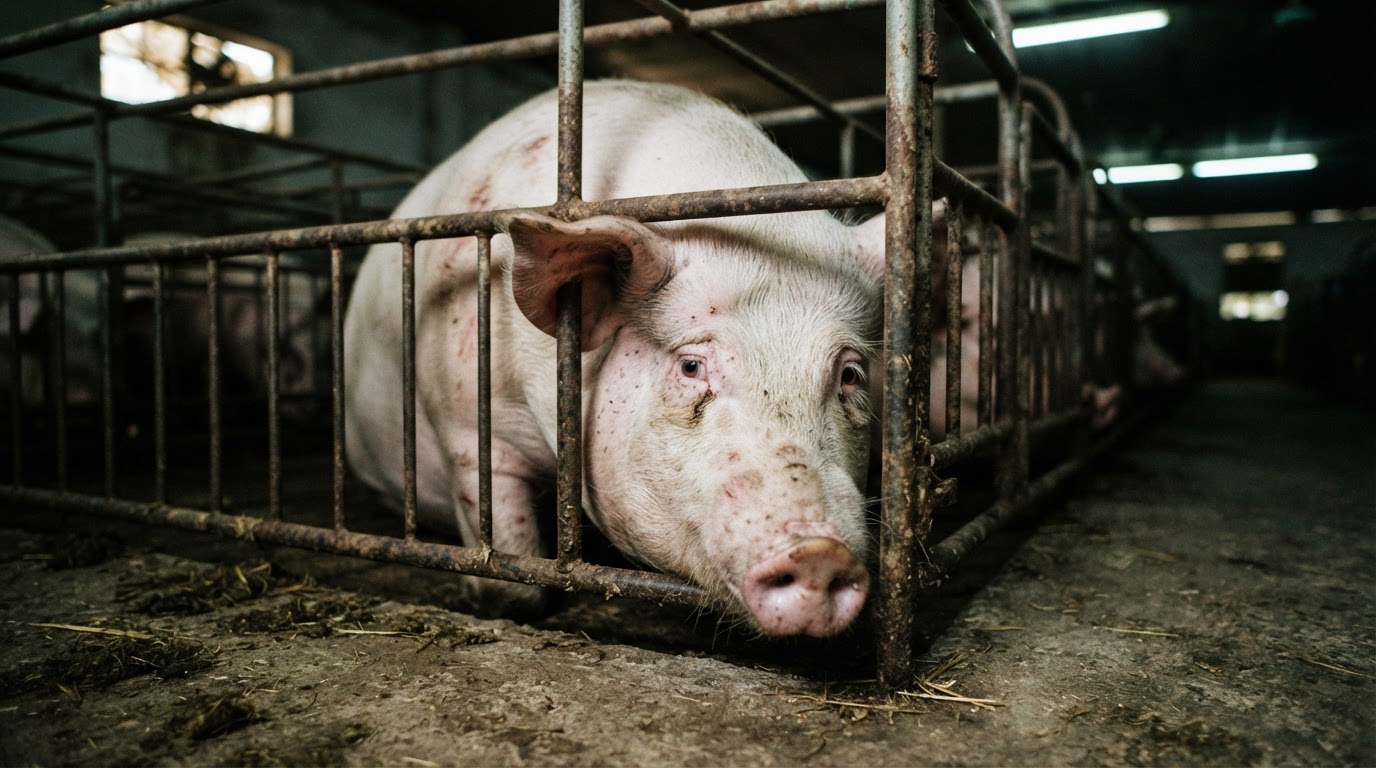
School meals contribute to emissions in several ways. The production of animal-based foods, such as meat and dairy, is a significant source of greenhouse gas emissions. According to the FAO (2019), livestock production is responsible for around 14.5% of global greenhouse gas emissions. Additionally, food waste and loss also contribute to emissions. When food is thrown away, it decomposes in landfills and produces methane, a potent greenhouse gas.
| Food Category | Emissions (kg CO2 eq/kg) |
|---|---|
| Beef | 27 |
| Lamb | 39.2 |
| Cheese | 13.5 |
| Butter | 18.8 |
| Poultry | 5.7 |
| Fish | 1.9 |
| Legumes | 1.9 |
| Nuts | 0.9 |
| Fruits | 0.6 |
| Vegetables | 0.3 |
How can citizen science help reduce school meal emissions?
Citizen science data analysis can help reduce school meal emissions by providing a more accurate picture of the environmental impact of school meals. By collecting and analyzing data on food waste, meal composition, and transportation, we can identify areas for improvement and track the progress of reduction efforts.
“Citizen science is a powerful tool for engaging communities in environmental conservation and climate action. It empowers people to collect and analyze data, make informed decisions, and take action to protect our planet.”
Global greenhouse gas emissions from food systems (2015)
Who can participate in reducing school meal emissions?
Anyone can participate in reducing school meal emissions. Parents can advocate for more sustainable meals in their children's schools, teachers can integrate climate education into their curriculum, and students can participate in data collection and analysis. Together, we can make a difference in reducing the environmental impact of school meals.
Frequently asked questions
What is the biggest contributor to school meal emissions?+
The production of animal-based foods, particularly meat and dairy, is the biggest contributor to school meal emissions.
How can I get started with citizen science data analysis?+
Start by collecting data on school meal waste and analyze the trends over time. You can also explore other data collection methods, such as meal composition and transportation.
Who can participate in reducing school meal emissions?+
Anyone can participate, including parents, teachers, and students. Together, we can make a difference.
What can I do if my school is not providing sustainable meals?+
You can advocate for change by talking to school administrators, writing letters, or organizing events to raise awareness about the issue.