Culled dairy cows have long posed a significant zoonotic disease risk in the Caribbean, with historical records dating back to the late 19th century. This article explores the timeline of this risk, the milestones that have shaped it, and the advocacy efforts that have emerged in response.
The Early Days: 1880s - 1920s
The first recorded cases of zoonotic diseases in Caribbean dairy cows date back to the late 1880s. Diseases such as brucellosis and tuberculosis were common, spreading from cows to humans through contact with infected animal products or by inhalation of contaminated dust.
Regulations and Advancements: 1920s - 1970s
The 1920s marked a turning point with the establishment of the first animal health regulations in the Caribbean. These regulations aimed to control the spread of diseases by mandating vaccination, slaughter of infected animals, and improved sanitation in dairy farms. However, enforcement was often lacking.
| Year | Brucellosis (%) | Tuberculosis (%) | Leptospirosis (%) |
|---|---|---|---|
| 1920 | 20.5 | 12.8 | 8.7 |
| 1940 | 15.3 | 9.2 | 6.4 |
| 1960 | 10.2 | 6.5 | 5.1 |
| 1970 | 7.4 | 4.3 | 3.6 |
Emergence of Animal Rights: 1970s - 1990s
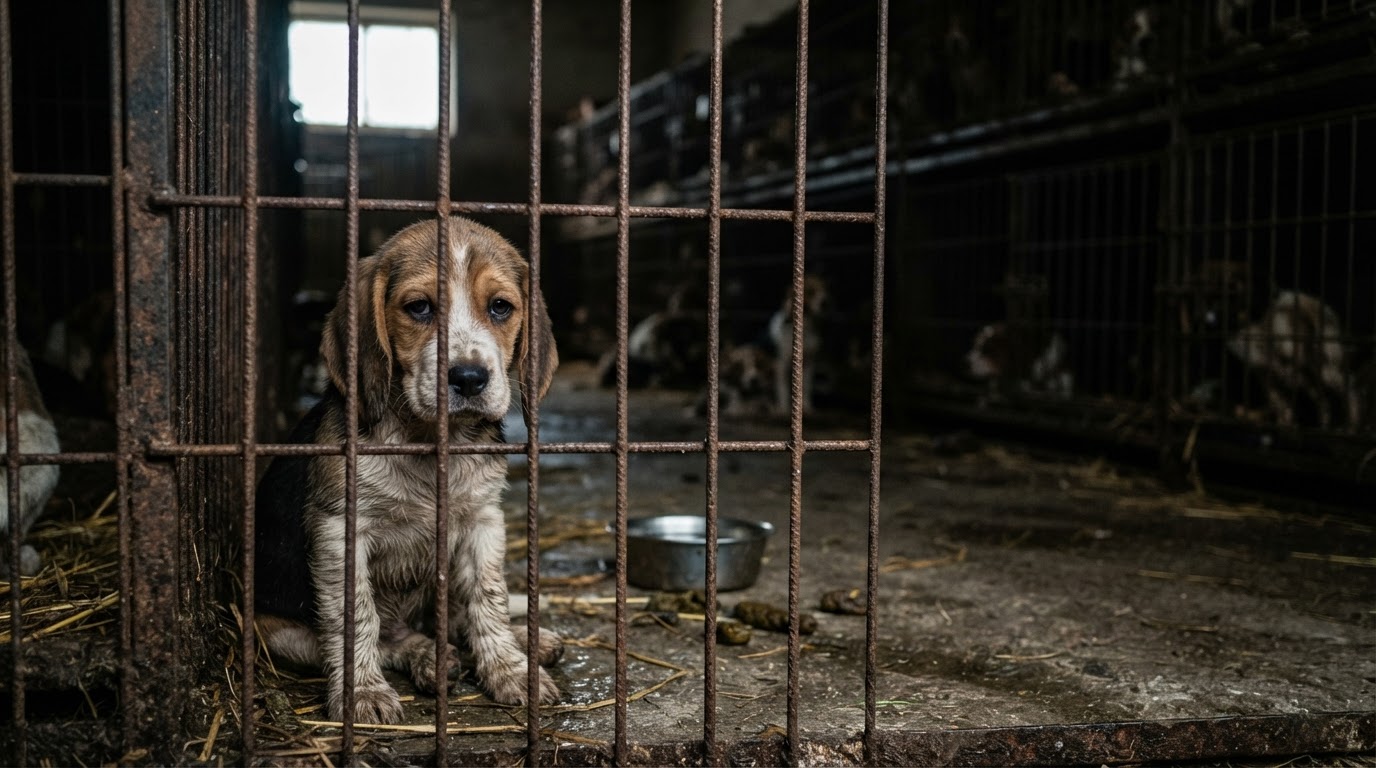
The 1970s saw the rise of animal rights activism in the Caribbean, with the establishment of the first animal rights organization in 1975. This group advocated for improved living conditions and better treatment of dairy cows, aiming to reduce the risk of zoonotic diseases.
“The welfare of animals is not a matter of sentiment or taste, but of necessity and policy. It is connected with the health of the people, with economic progress, and with the general welfare of the community.”
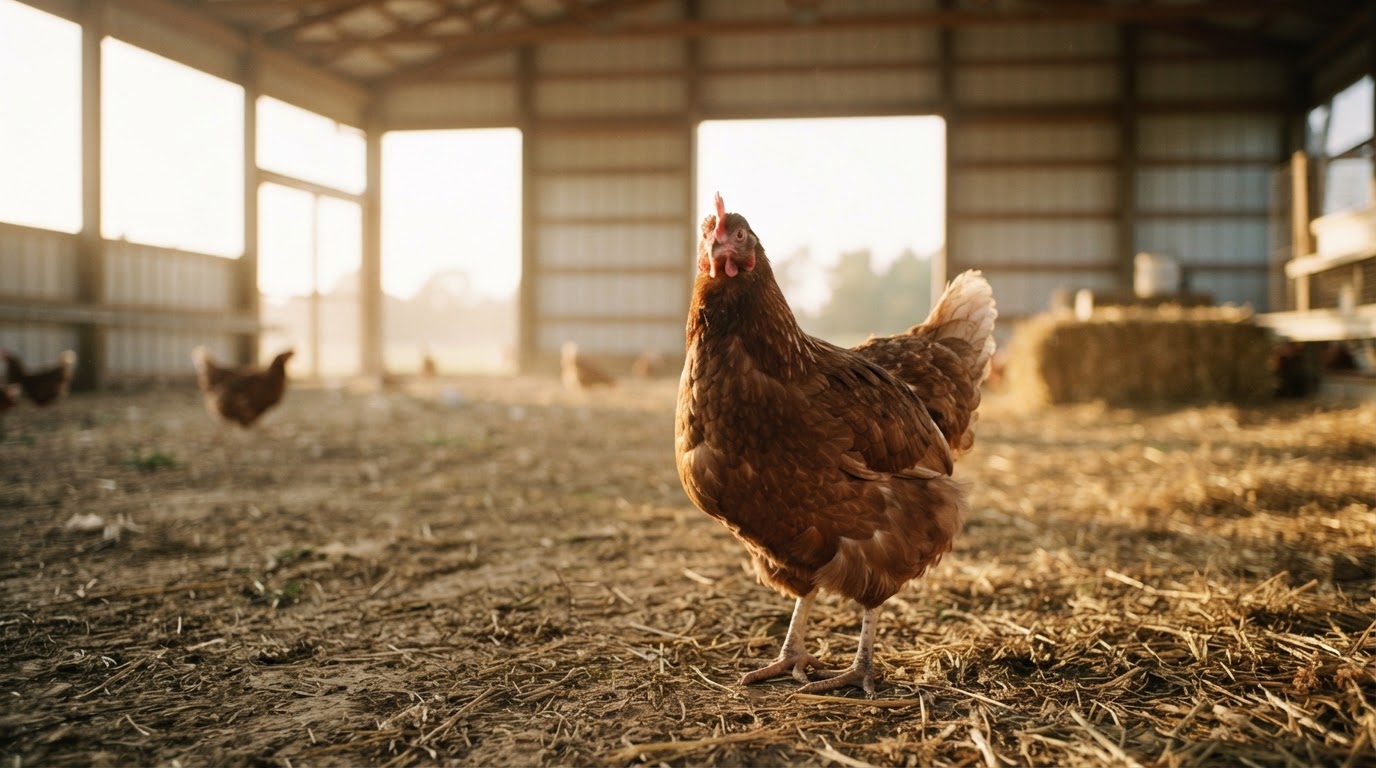
Improvement in dairy cow living conditions, 1970 - 2000
Present Day: Challenges and Opportunities
While significant progress has been made in reducing the risk of zoonotic diseases from culled dairy cows, challenges remain. Unsustainable farming practices, lack of resources for proper disposal of animal waste, and inadequate veterinary care continue to pose risks.
Frequently asked questions
What are the most common zoonotic diseases in Caribbean dairy cows?+
Brucellosis, tuberculosis, and leptospirosis are the most common zoonotic diseases in Caribbean dairy cows.
What can be done to reduce the risk of zoonotic diseases from culled dairy cows?+
Improving living conditions, proper disposal of animal waste, adequate veterinary care, and public education can help reduce the risk.
What are the organizations advocating for better treatment of dairy cows in the Caribbean?+
The Caribbean Animal Welfare Foundation and local animal rights organizations are advocating for improved dairy cow treatment.