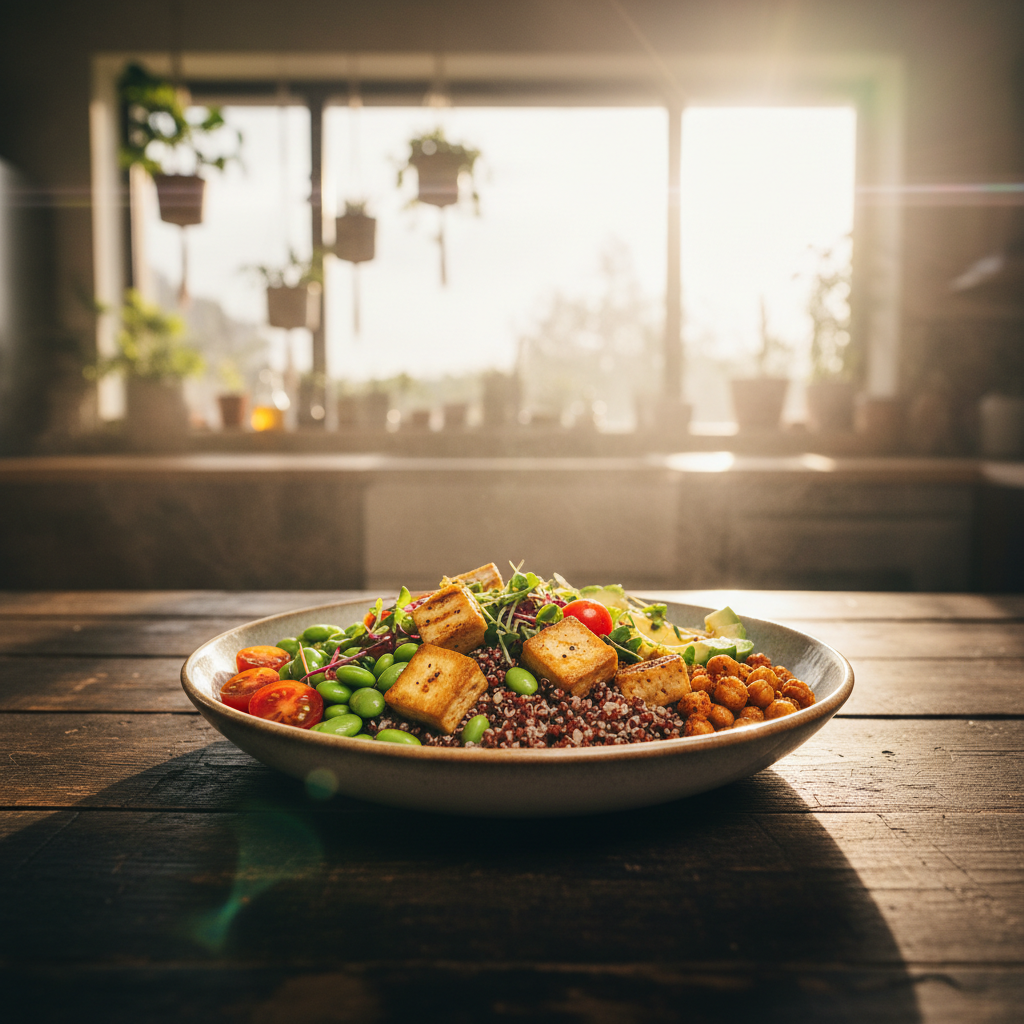
The True Cost of Meat: A Drought-Prone Region's Public Health Risks
Dry regions face grave public health risks from high meat consumption, but reducing meat is a challenge with deep roots in worker trauma and industry subsidies.
4 min di lettura
La maggior parte delle malattie infettive emergenti sono zoonotiche, e una larga parte dell'uso globale di antibiotici è destinata agli animali da allevamento. Questo hub segue l'influenza aviaria, la sorveglianza dell'AMR e le politiche di biosicurezza.
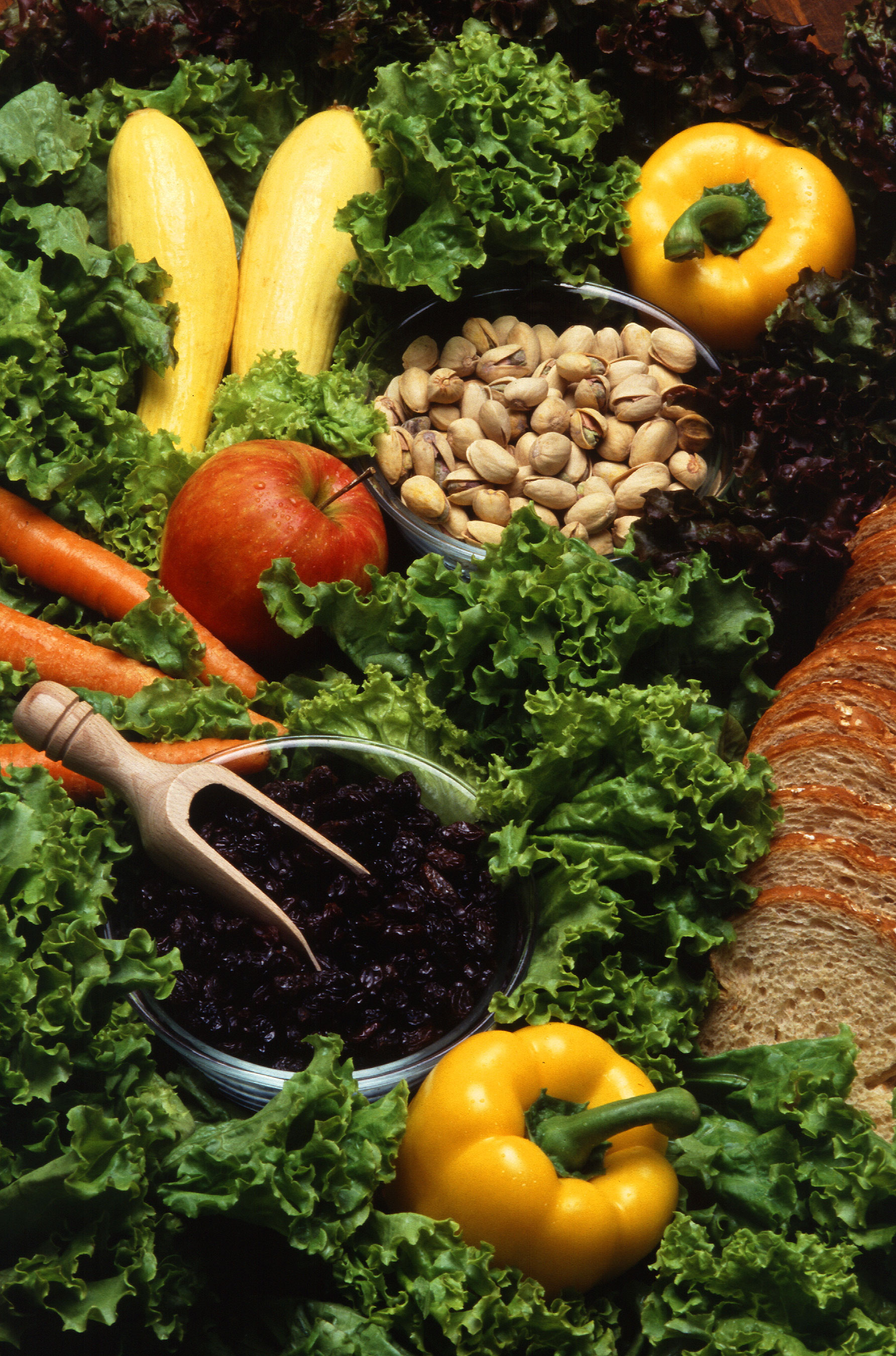
Scopri cosa hanno dimostrato gli studi di coorte su latte e cancro alla prostata e come questo si riflette sulle scelte alimentari a bordo di RV e barche.
Di Federica Rossi · 4 min di lettura
Dry regions face grave public health risks from high meat consumption, but reducing meat is a challenge with deep roots in worker trauma and industry subsidies.
4 min di lettura
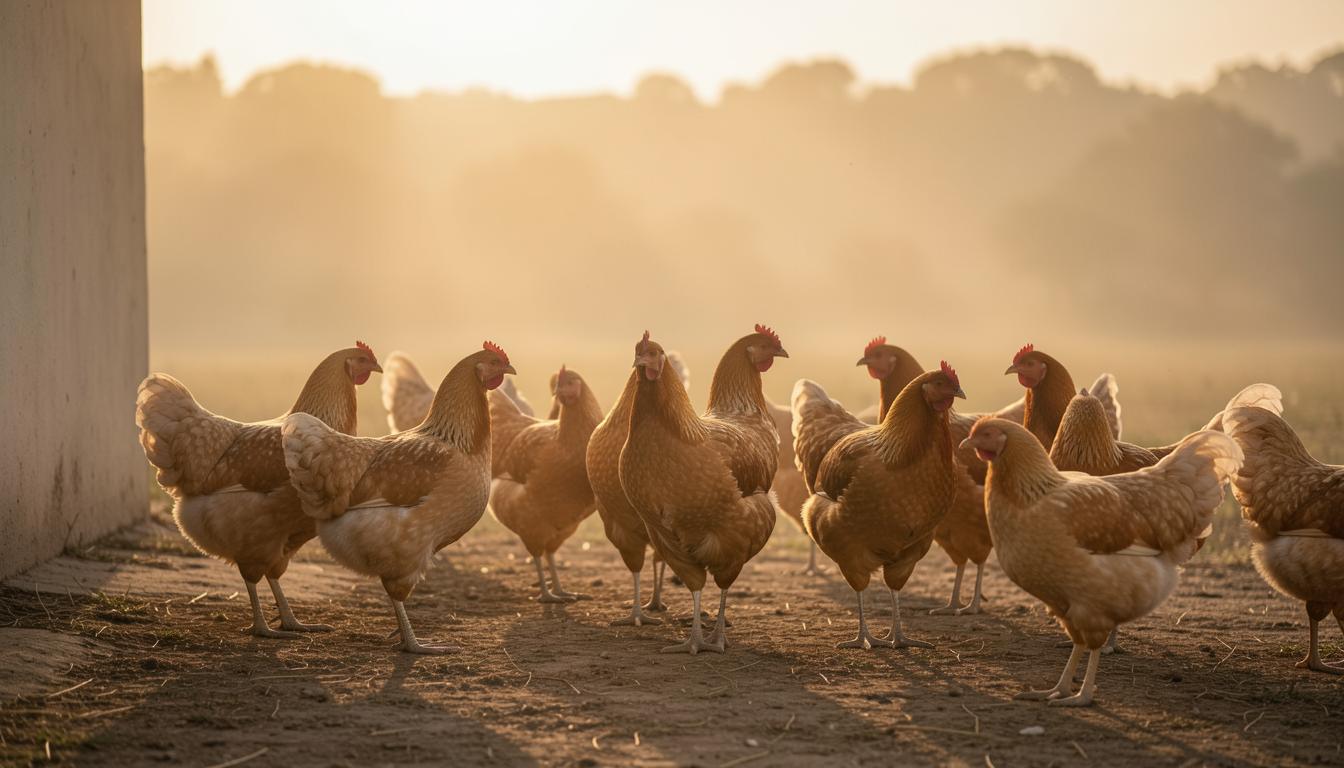
Un'analisi della certificazione 'vitello a terra' svela il legame tra la filiera dei vitelli maschi da latte e le insidie per la salute mentale in fase di recupero.
4 min di lettura
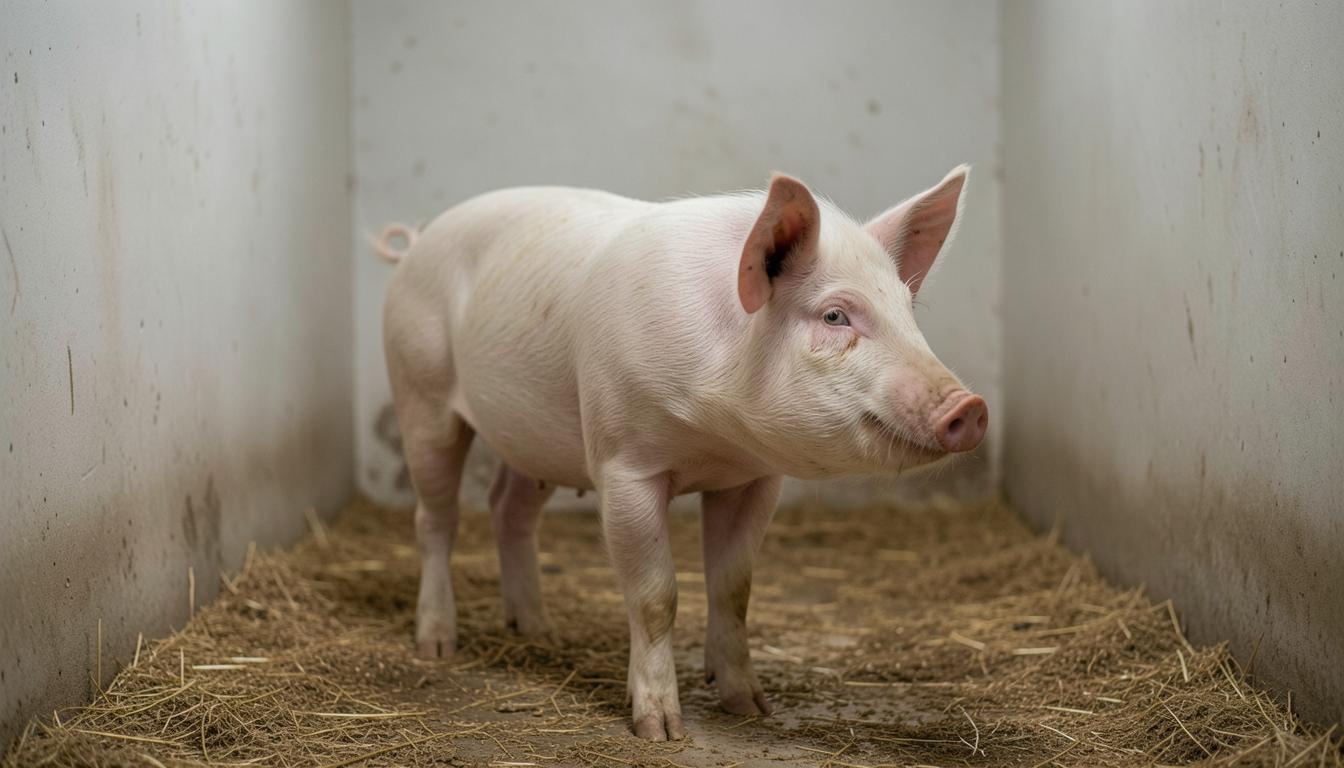
Le scrofe in allevamento intensivo vivono in condizioni che contrastano con il loro comportamento naturale. Scopri le 5 peggiori situazioni e come la loro risoluzione potrebbe offrire opportunità per il rewilding e l'uso del suolo.
4 min di lettura
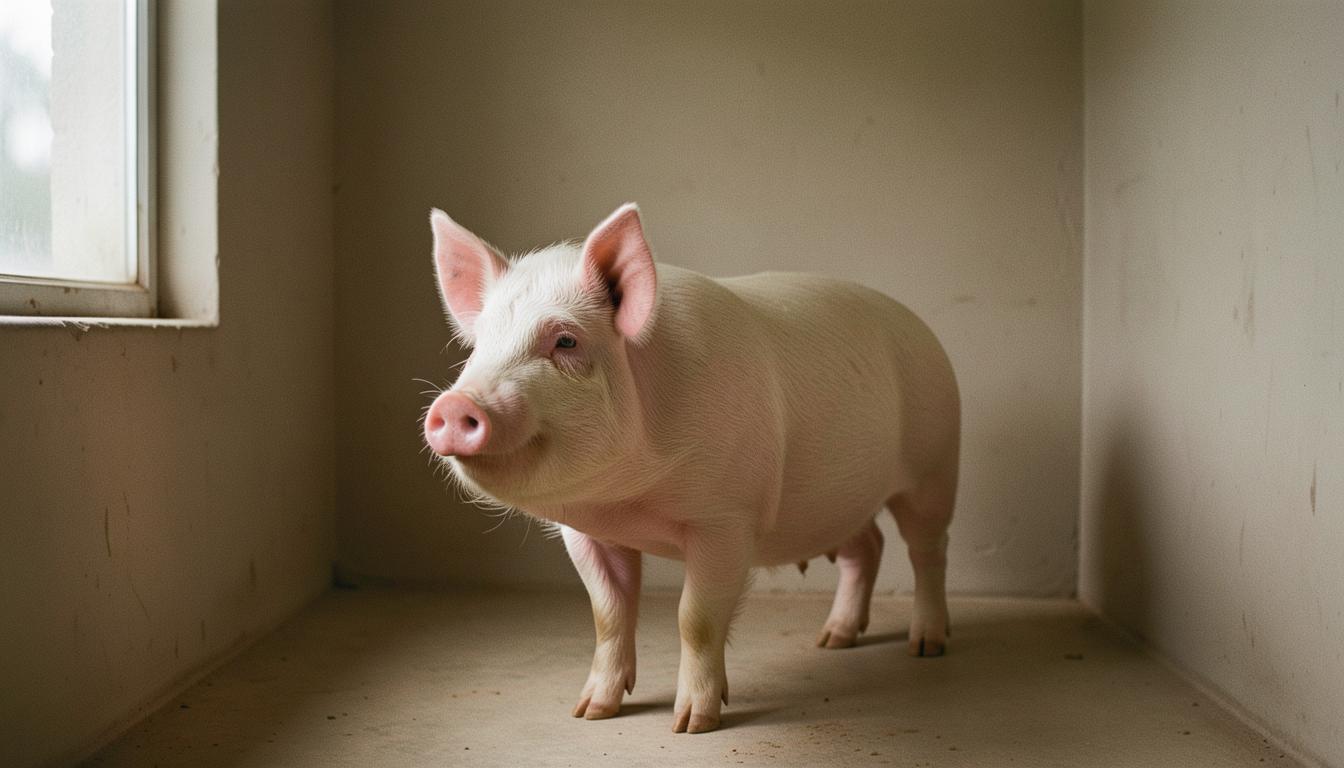
Scopri la verità dietro le gabbie di gestazione e come riconoscere le etichette che promettono il benessere degli animali.
4 min di lettura
Discover 11 ultra-processed vegan foods parents should be aware of, their impacts, and healthier alternatives for your kids' diet in 2024.
4 min di lettura
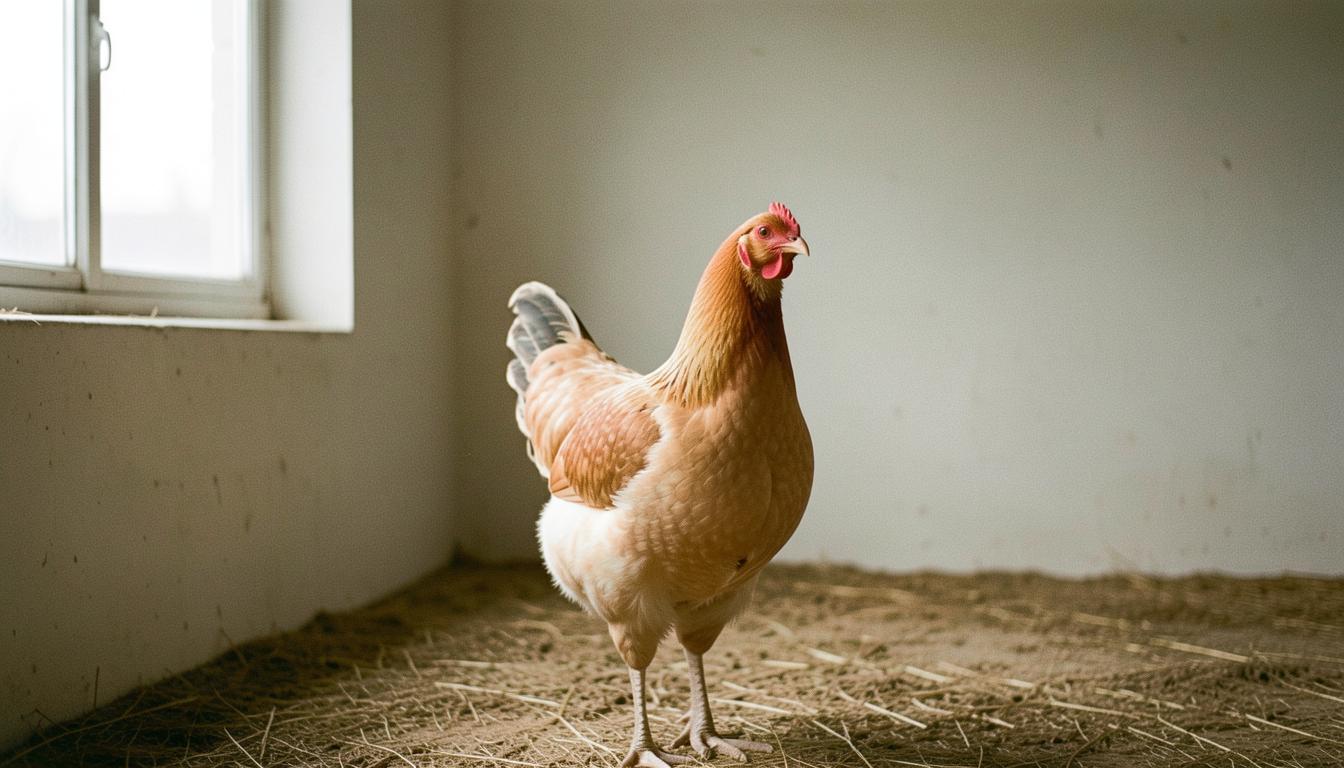
Scopri come i principali produttori di pollame in tutto il mondo stanno affrontando il problema del taglio del becco e la loro promessa di abbandonare questa pratica crudele.
4 min di lettura
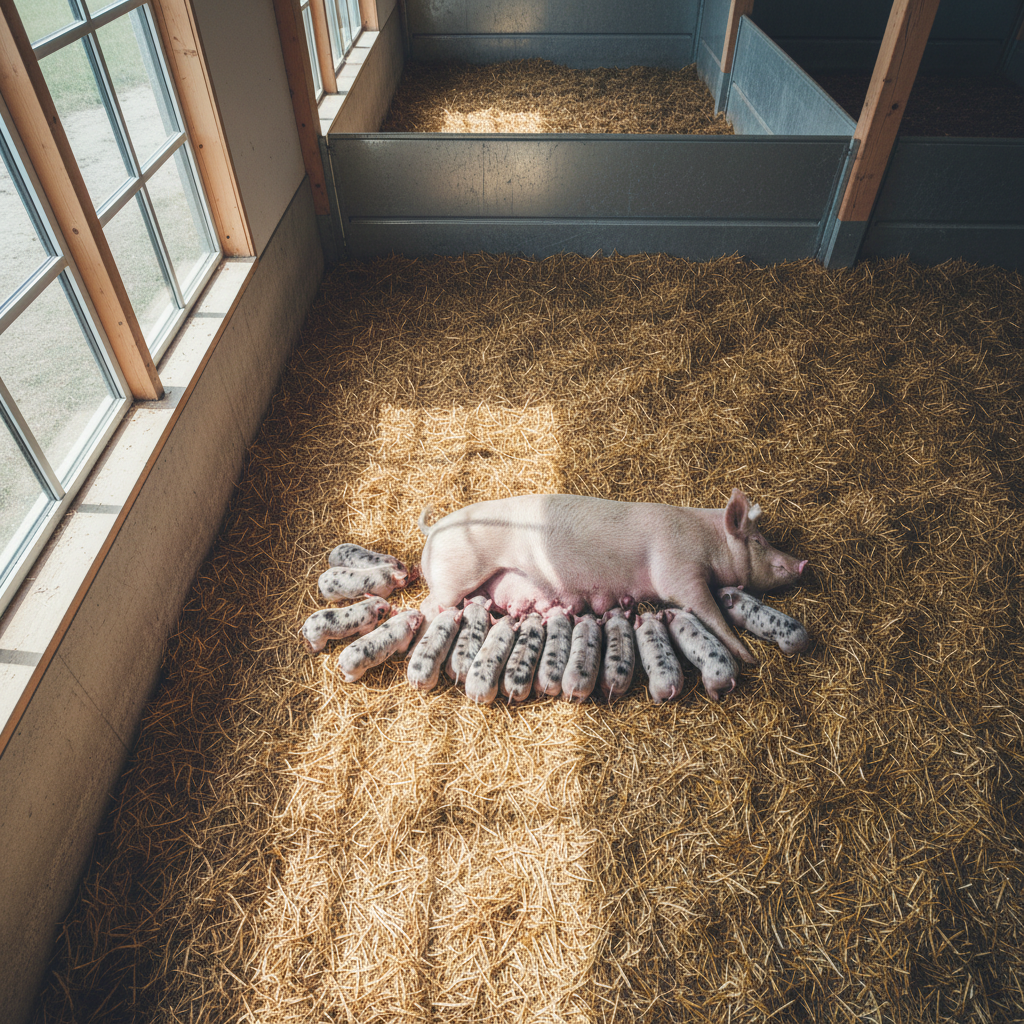
Guida per principianti alle shackle lines nei macelli, con dati e testimonianze per adulti over 60 che vogliono capire la realtà nascosta.
4 min di lettura

Il regime alimentare vegano può essere più conveniente e salutare rispetto a quello degli onnivori, ma come valutare il costo per le famiglie LGBTQ+?
4 min di lettura
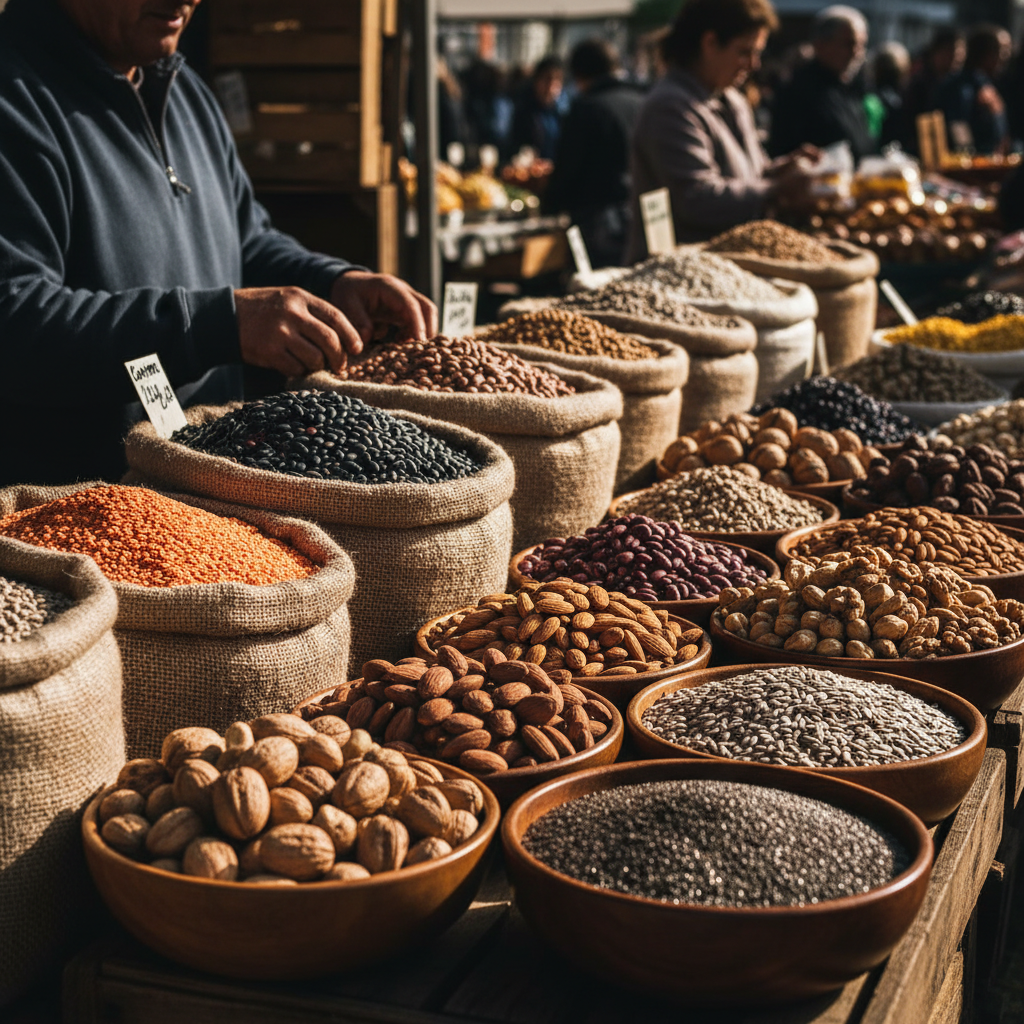
Un'analisi etica e scientifica del legame tra carne lavorata e cancro colorettale, con focus sul meccanismo dell'N-nitrosazione che sfugge ai titoli superficiali
5 min di lettura
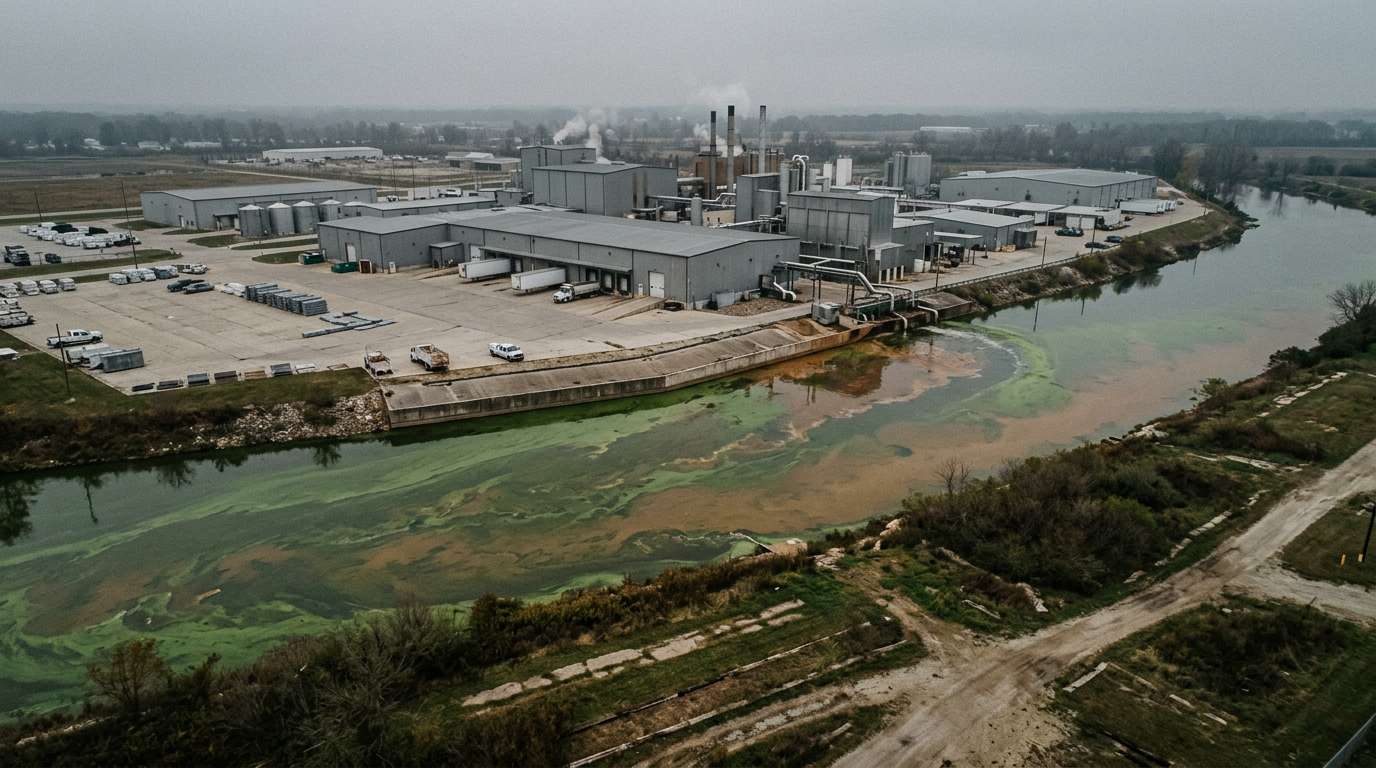
In occasione della Giornata Mondiale degli Animali d'Allevamento, esaminiamo la condizione dei gamberetti thailandesi e le implicazioni per i diritti umani e il benessere animale.
4 min di lettura
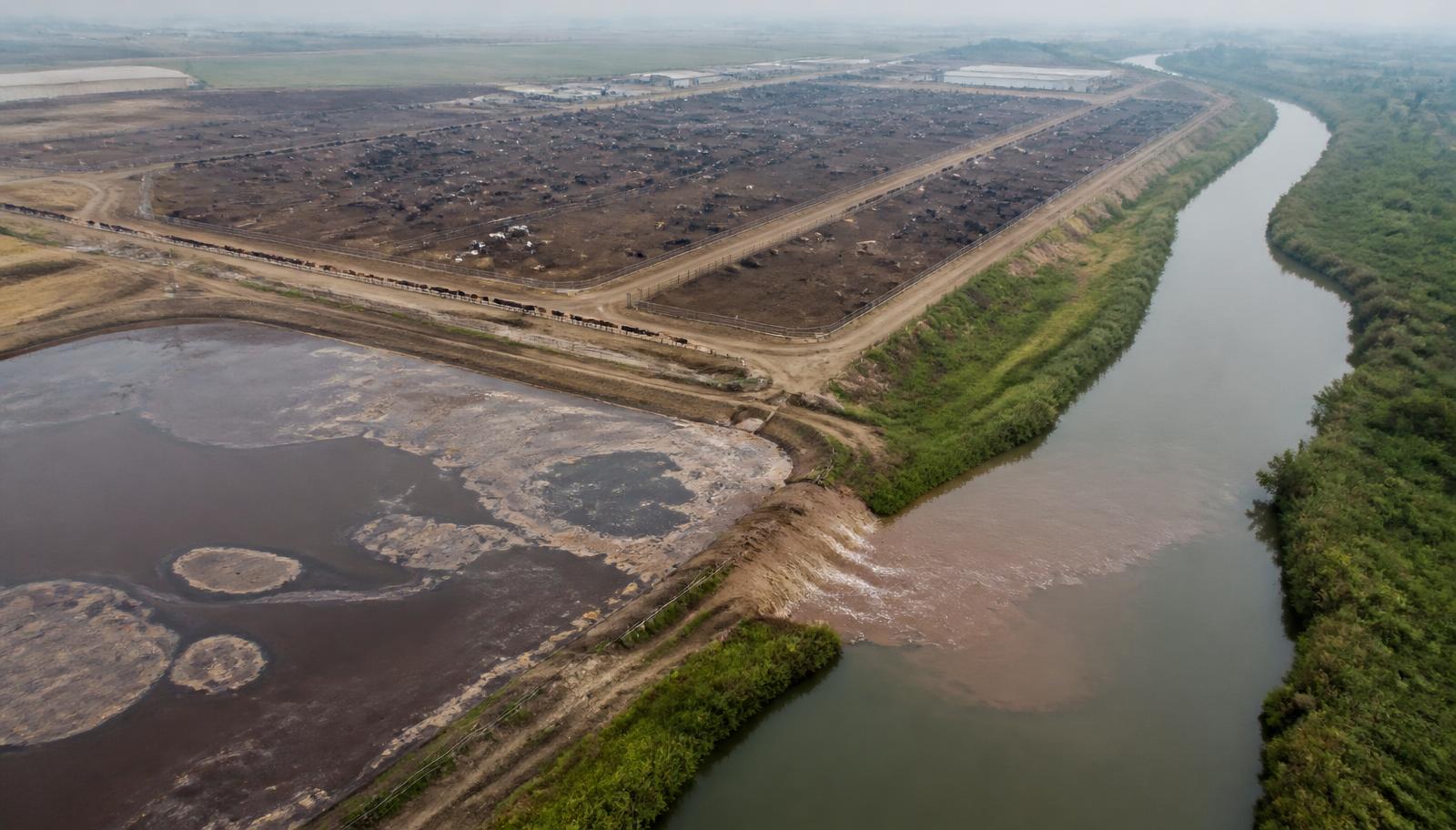
Le gabbie di farrowing, o gabbie parto, sono sistemi di confinamento utilizzati nell'allevamento industriale dei suini, la cui analisi dati rivela impatti critici sul benessere animale.
5 min di lettura
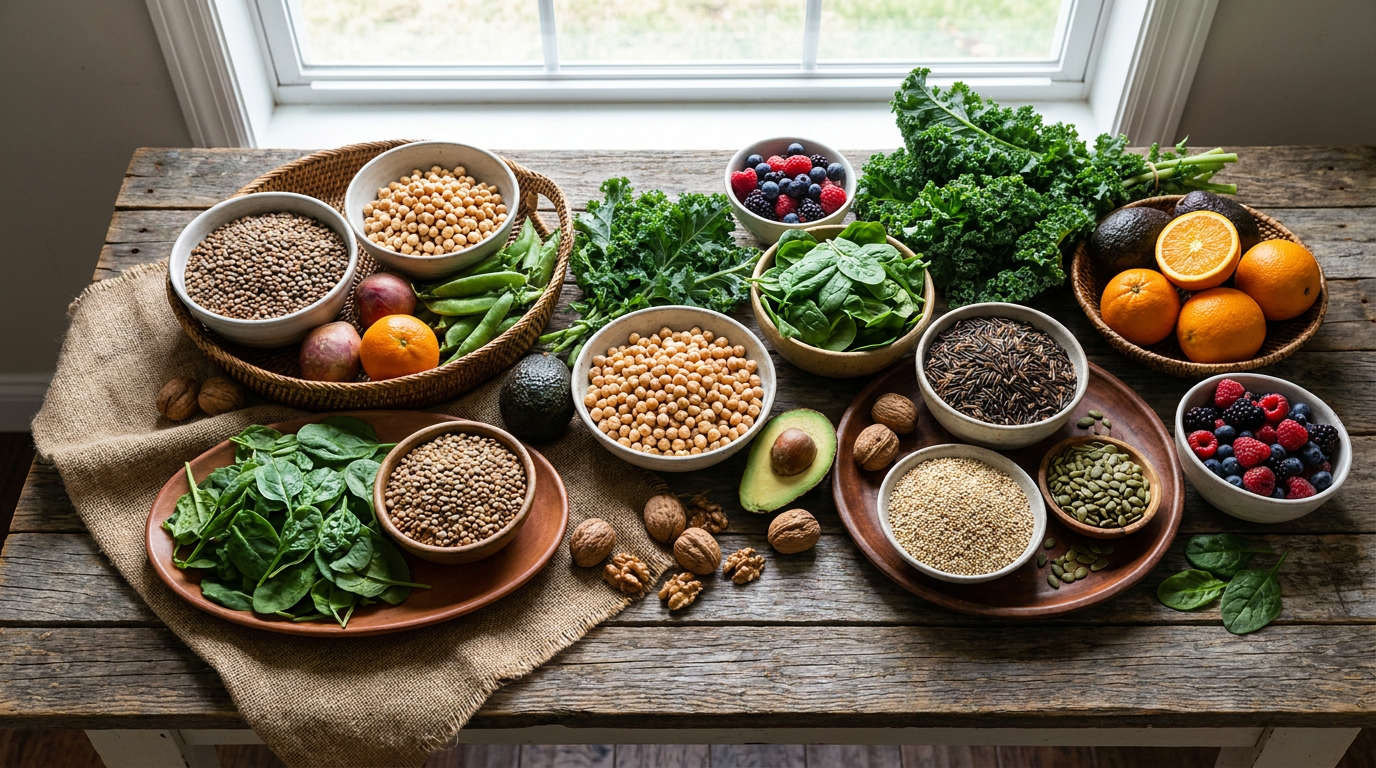
Fact-checking sulle affermazioni sul colesterolo delle uova e la salute cardiaca, esplorando la scienza del benessere e le implicazioni per le famiglie italiane che adottano diete miste.
4 min di lettura
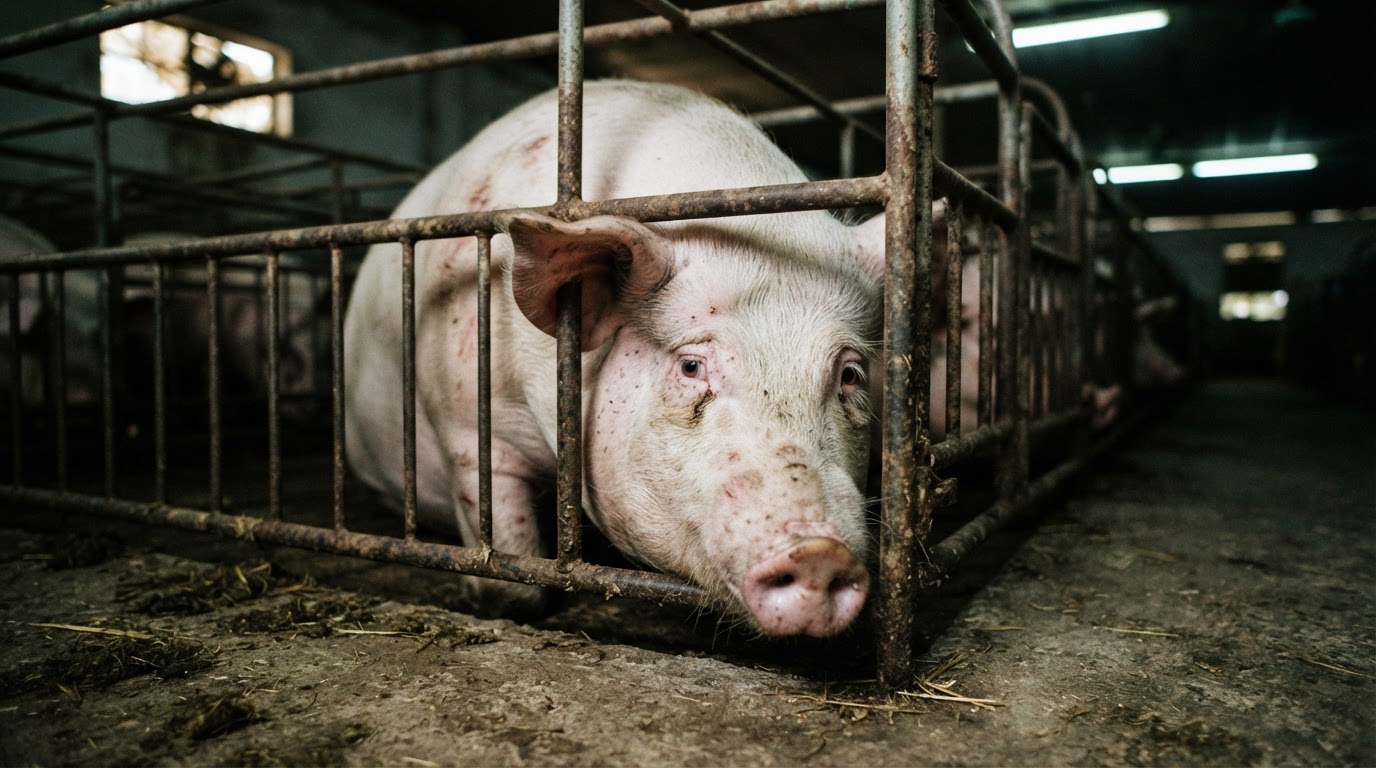
L'analisi approfondita della Proposition 12 della California rivela come le restrizioni sulle gabbie di gestazione per le scrofe influenzino i costi climatici e l'inquinamento da liquami nell'allevamento intensivo.
4 min di lettura
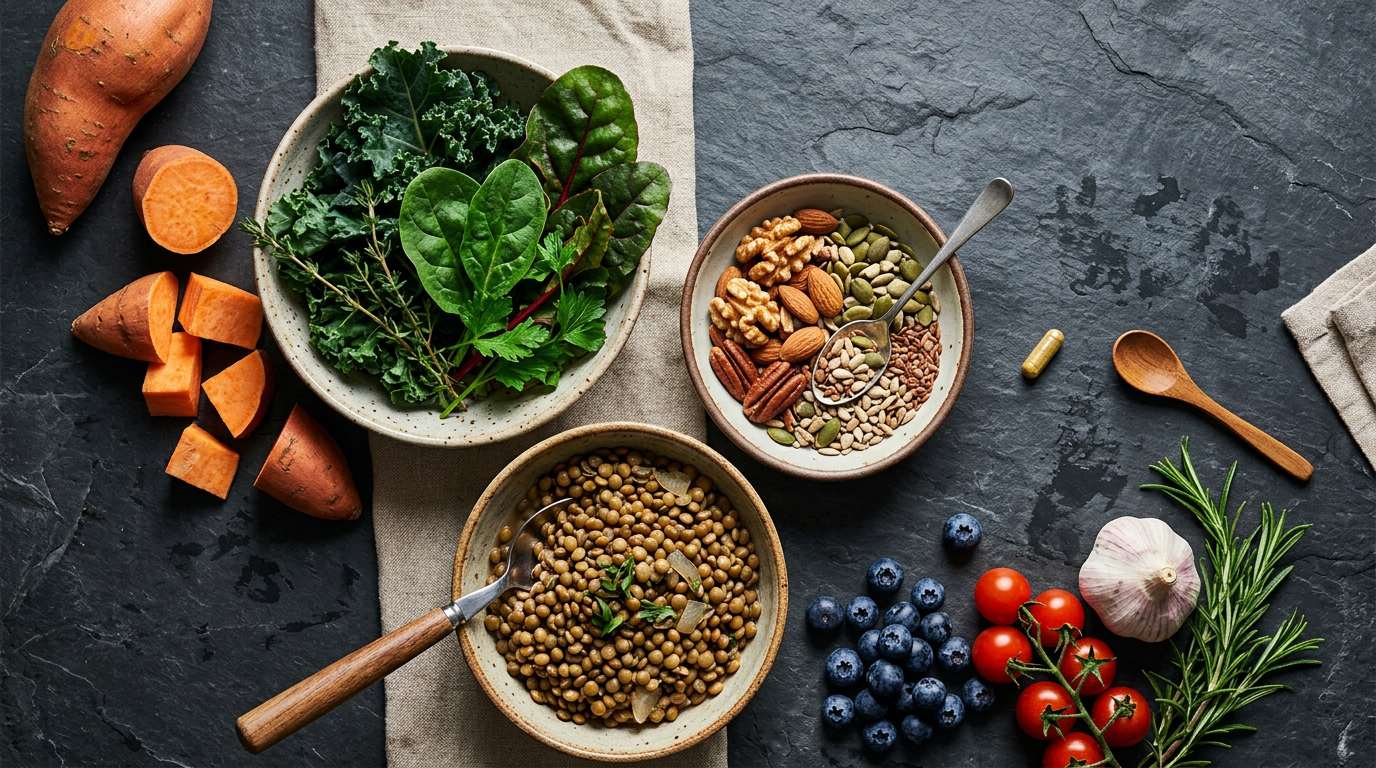
Analizziamo criticamente l'idea di 'integratori vegani essenziali' per chi vive in veicoli ricreazionali (RV) e barche, proponendo una prospettiva più sfumata e basata sull'evidenza.
4 min di lettura
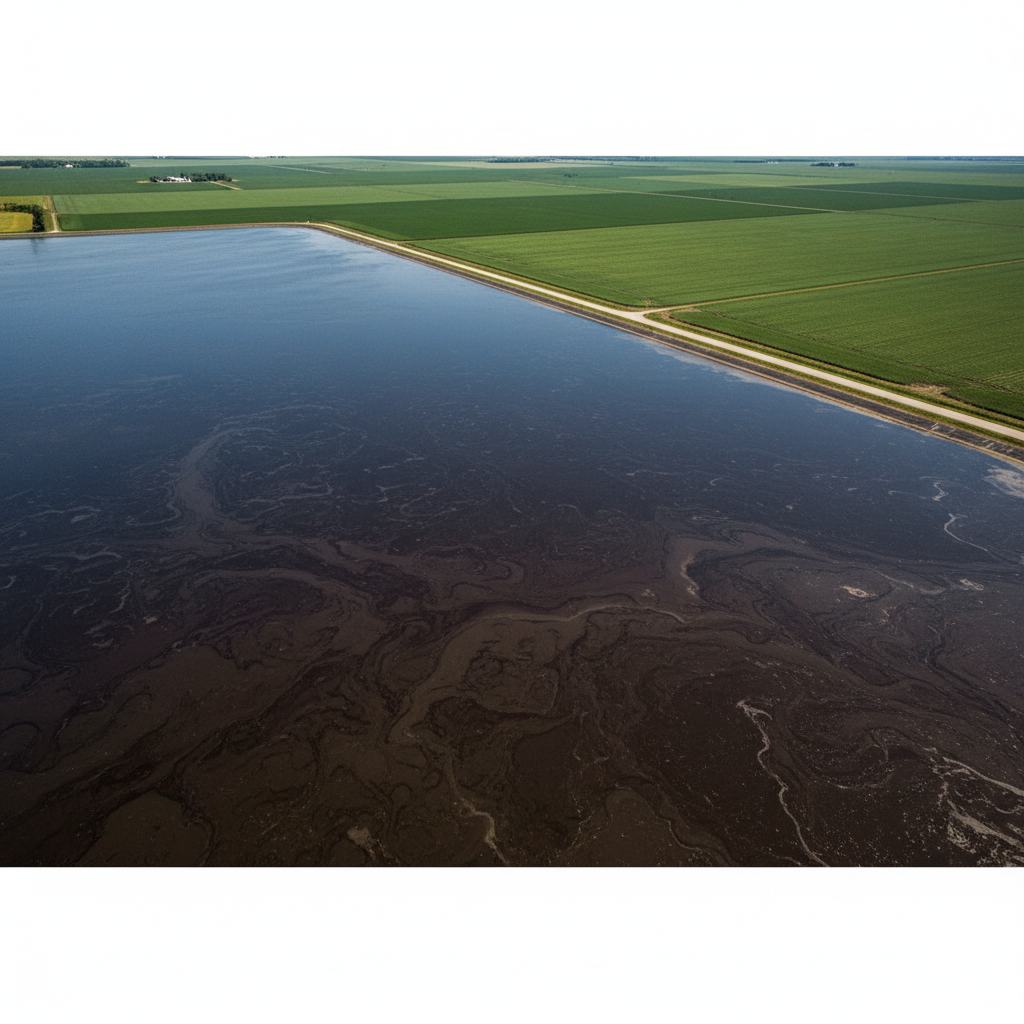
Questa checklist guida all'analisi basata sui dati della marchiatura a fuoco e di altre identificazioni bovine, valutando impatti e conformità nell'agricoltura industriale.
4 min di lettura
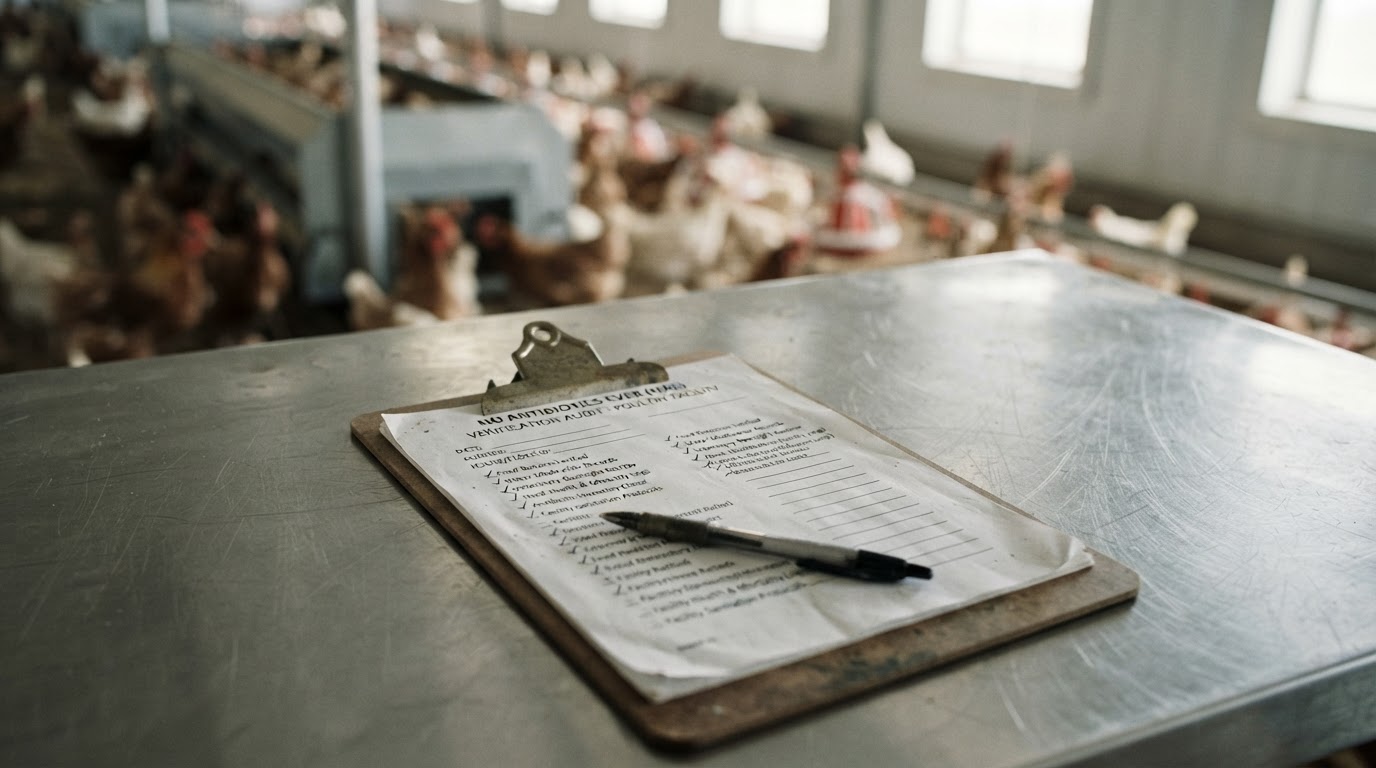
La prevenzione dell'H5N1 negli allevamenti intensivi implica costi significativi per le famiglie numerose, soprattutto per mitigare i rischi di trasmissione e garantire la sicurezza alimentare.
4 min di lettura

La densità di polli da carne influenza significativamente i costi climatici e l'inquinamento da letame, un fattore critico dell'agricoltura industriale.
4 min di lettura
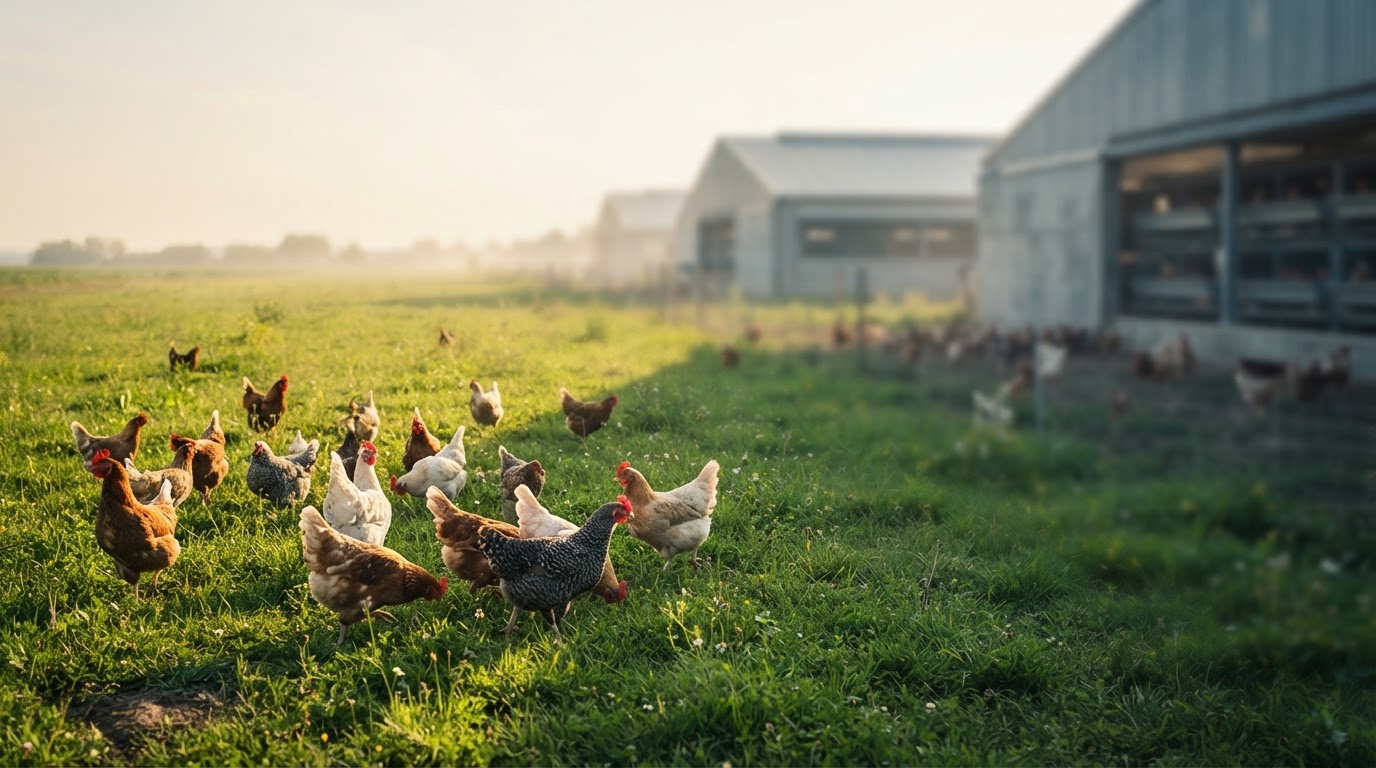
L'analisi dei dati rivela come le soluzioni plant-based possano offrire un percorso di sostituzione credibile alle gabbie in batteria, sfidando le narrazioni di marketing.
5 min di lettura
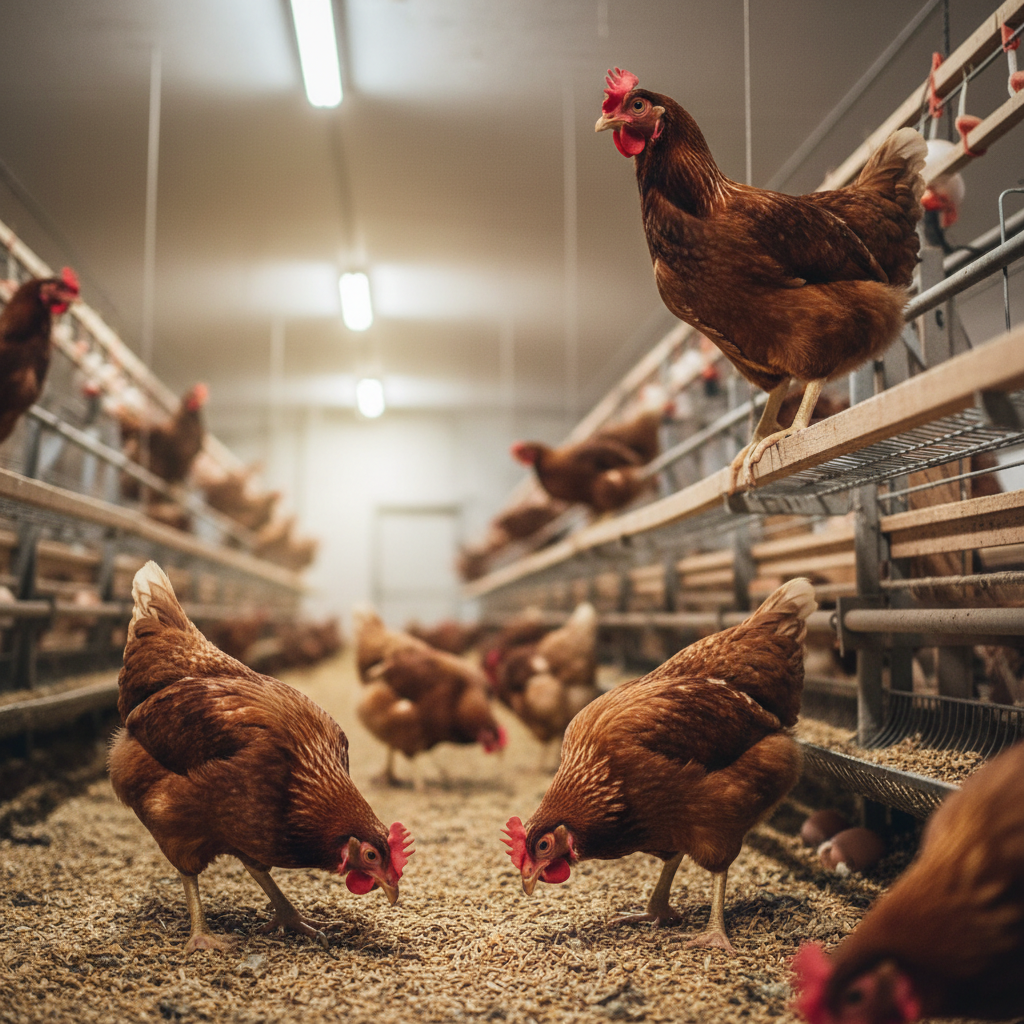
L'esportazione di animali vivi via aerea, una pratica controversa, potrebbe paradossalmente offrire nuove opportunità per il ripristino ecologico e la gestione del territorio in Europa.
4 min di lettura
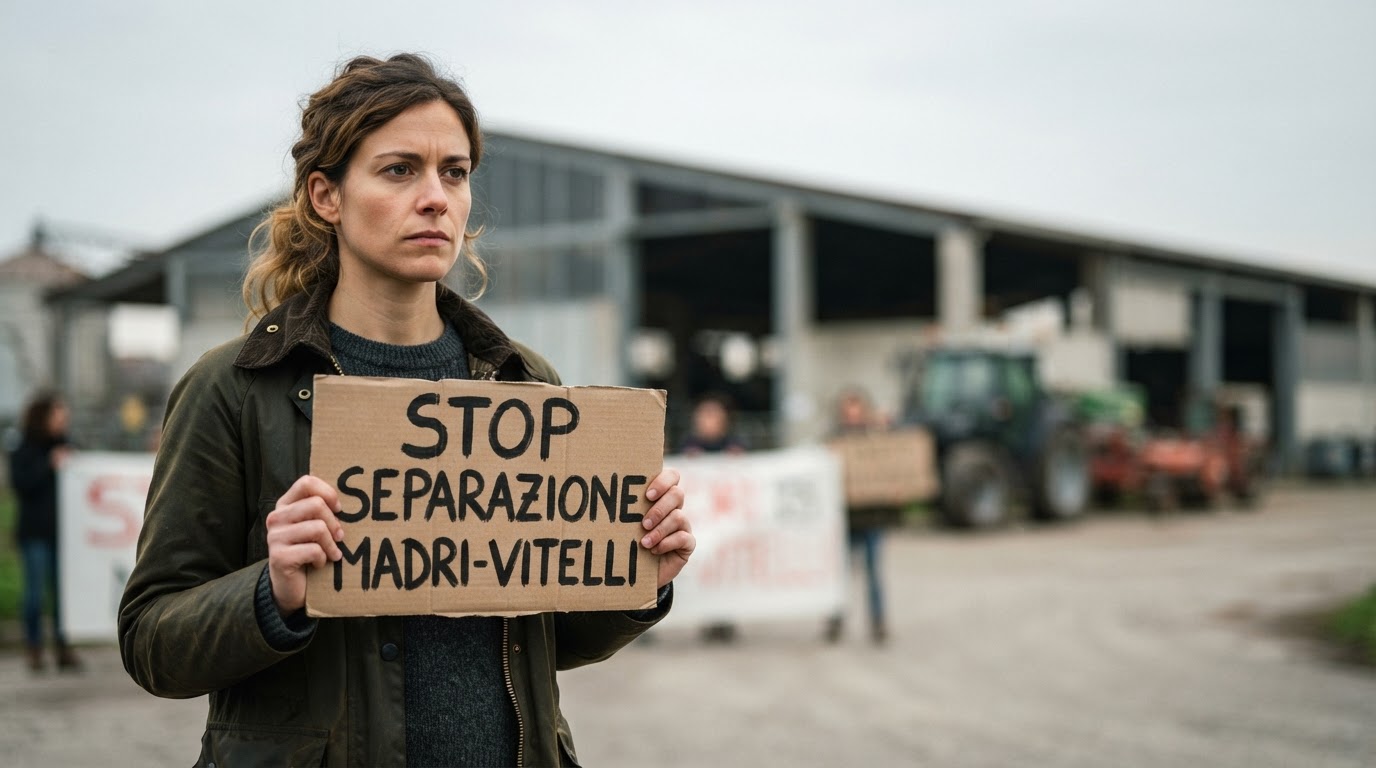
Questo toolkit fornisce strategie attuabili per campagne efficaci contro la separazione madre-vitello nell'industria lattiero-casearia, rivolgendosi ai consumatori etici e attenti al clima.
4 min di lettura
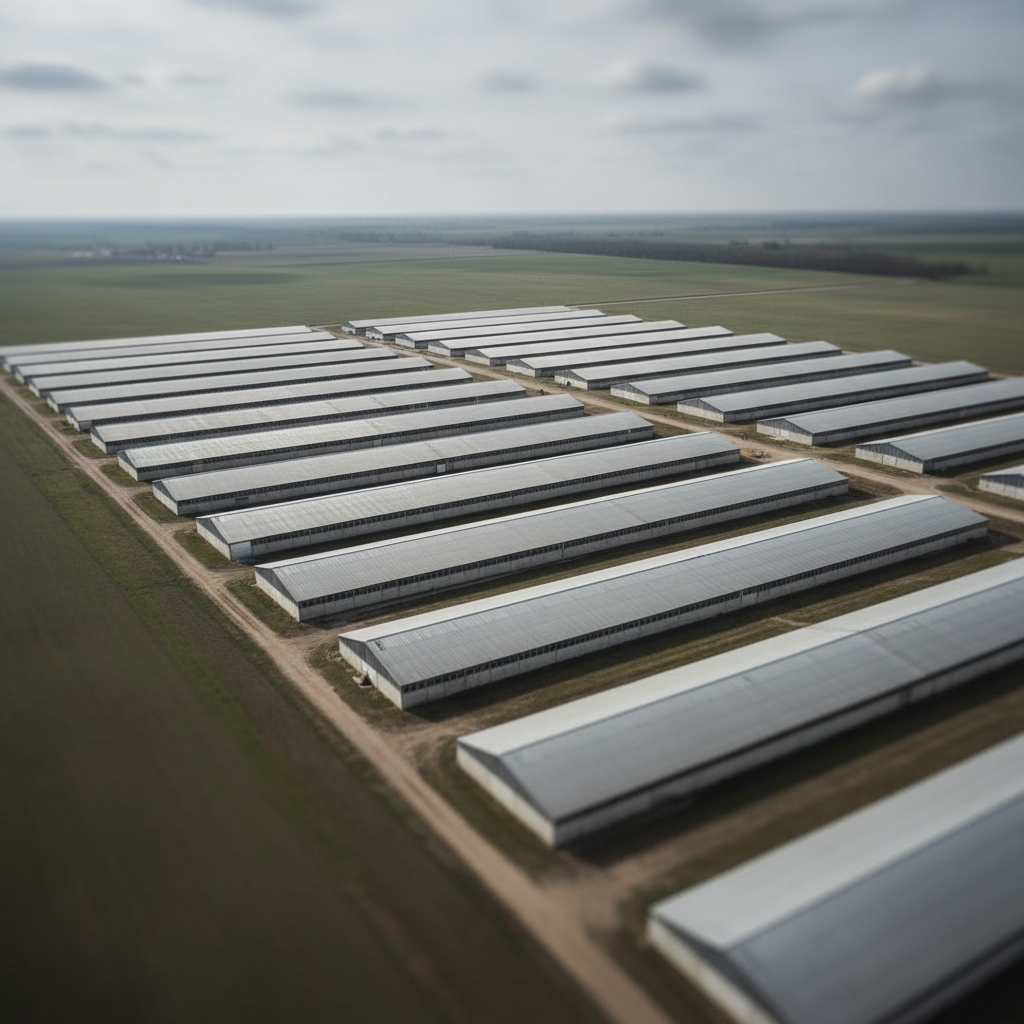
Esploriamo e sfatiamo i miti comuni sul benessere nell'allevamento intensivo di insetti, fornendo una guida rapida ai concetti fondamentali per le prime 24 ore.
4 min di lettura
Un ingresso utile · index
Un buon giornalismo ambientale aiuta a orientarsi, verificare un’affermazione e scegliere cosa approfondire. Uniamo dati, contesto e percorsi pratici senza trasformare temi complessi in slogan.
Prove
Basato sulla ricerca
Contesto
Connesso
Passo successivo
Pratico
| Inizia da | Troverai | Utile per |
|---|---|---|
| The overview | A clear answer and the essential terms | First-time readers |
| The evidence | Sources, comparisons and reported context | Checking a claim |
| The pathways | Related topics, tools and further reading | Going deeper |
We separate evidence, interpretation and practical guidance. Claims should be traceable to research, public records or clearly identified editorial analysis.
No. Food systems, animal welfare and climate are connected systems. Individual choices matter, and so do policy, business and collective action.
Use the related topics, topic hubs and calculators on this page to move from a quick answer to the primary context behind it.
Contesto approfondito
Animal agriculture sits at the intersection of climate, land use, water, public health and animal welfare. These reference points recur across our reporting, so we keep them in one place: the numbers most often cited, the way we read a claim, the myths that survive longest, and the vocabulary you need to follow the debate in any language.
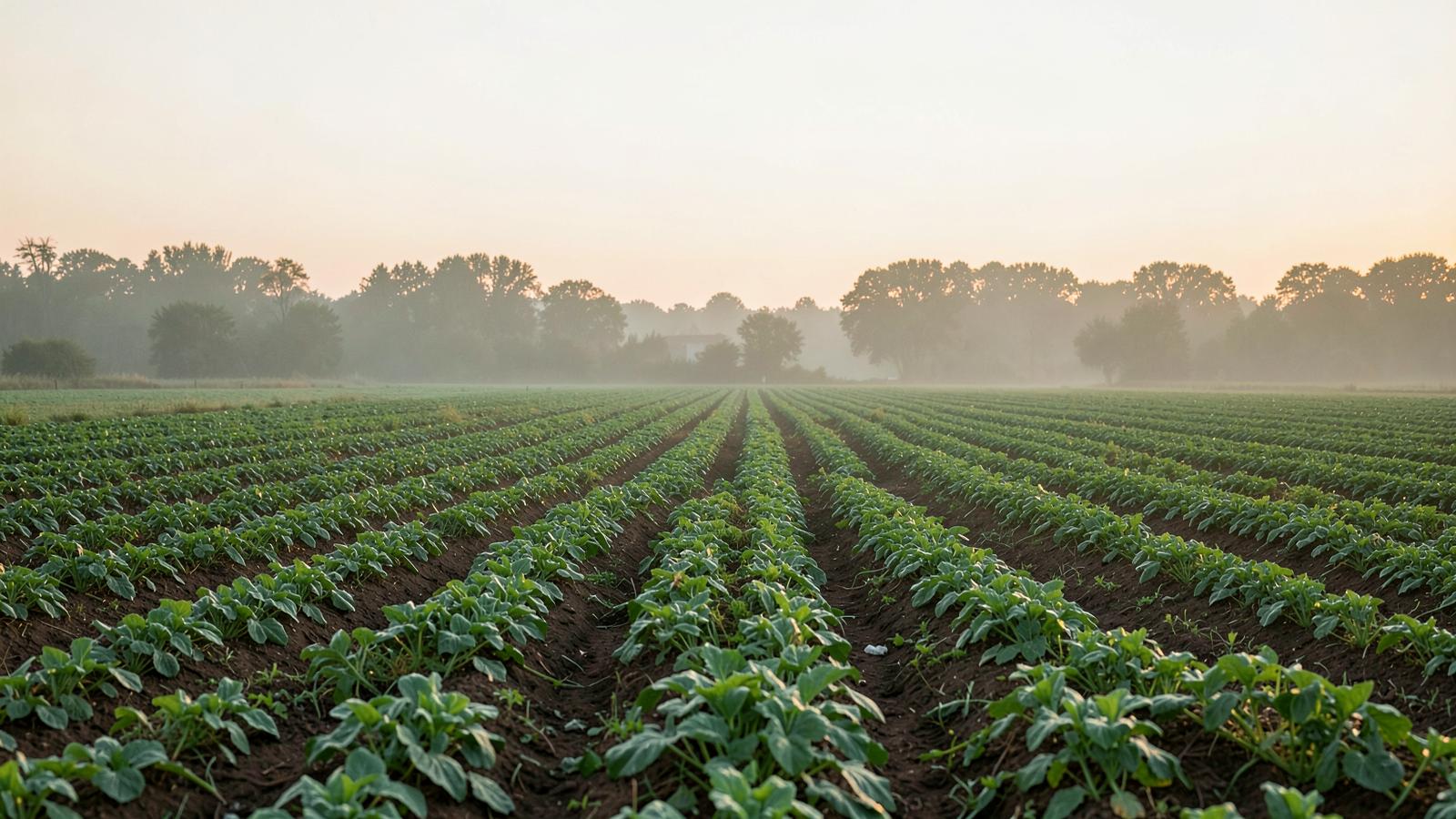
La terra è il perno
Roughly three quarters of global farmland is used for livestock, yet it supplies a minority of the world's calories. Shifting even part of that land back to crops, forest or wetland is the single largest lever most countries hold.
| Affermazione comune | Cosa mostrano i dati | Perché conta |
|---|---|---|
| Local food is always the lowest-carbon choice | Transport is a small share of most food footprints; what is produced matters more than how far it travelled. | It redirects effort towards the choices with real leverage. |
| Plant-based eating cannot meet protein needs | Legumes, grains, soy foods, nuts and seeds cover protein and amino-acid needs in well-planned diets at every life stage. | Nutrition myths keep people from a change they were open to. |
| Higher-welfare labels mean animals are not harmed | Label standards vary widely and many permit routine practices readers would not expect. | Informed choices depend on knowing what a label actually certifies. |
| Individual choices are irrelevant next to policy | Demand shifts change what is produced, funded and legislated; the two move together. | It replaces fatalism with something you can act on this week. |
Dalle prove alle scelte quotidiane
Numbers describe the system; meals, votes and purchases are how most people meet it. This field guide turns the reporting into concrete swaps, a four-week plan and the signals worth watching, so a page of research becomes something you can act on this week without pretending the hard parts are simple.
| Al posto di | Prova | Perché conta |
|---|---|---|
| Beef mince | Lentils, beans or soy mince | Beef carries by far the highest emissions and land use per gram of protein. |
| Dairy milk | Soy or pea milk | Comparable protein with a fraction of the land, water and emissions. |
| Cheese in daily meals | Nut or seed-based spreads, cashew cheese | Cheese is the most resource-intensive dairy product per kilogram. |
| Chicken and eggs | Tofu, tempeh, chickpeas | Removes the welfare cost of the most intensively farmed animals. |
| Farmed shrimp and salmon | Beans, jackfruit, seaweed-seasoned dishes | Avoids mangrove loss, bycatch and wild fish used as feed. |
| Butter | Olive or rapeseed oil | Lower emissions per kilogram and better cardiovascular profile. |
Most people who change their diet permanently do it gradually, one meal slot at a time, keeping the food they already like at the centre.
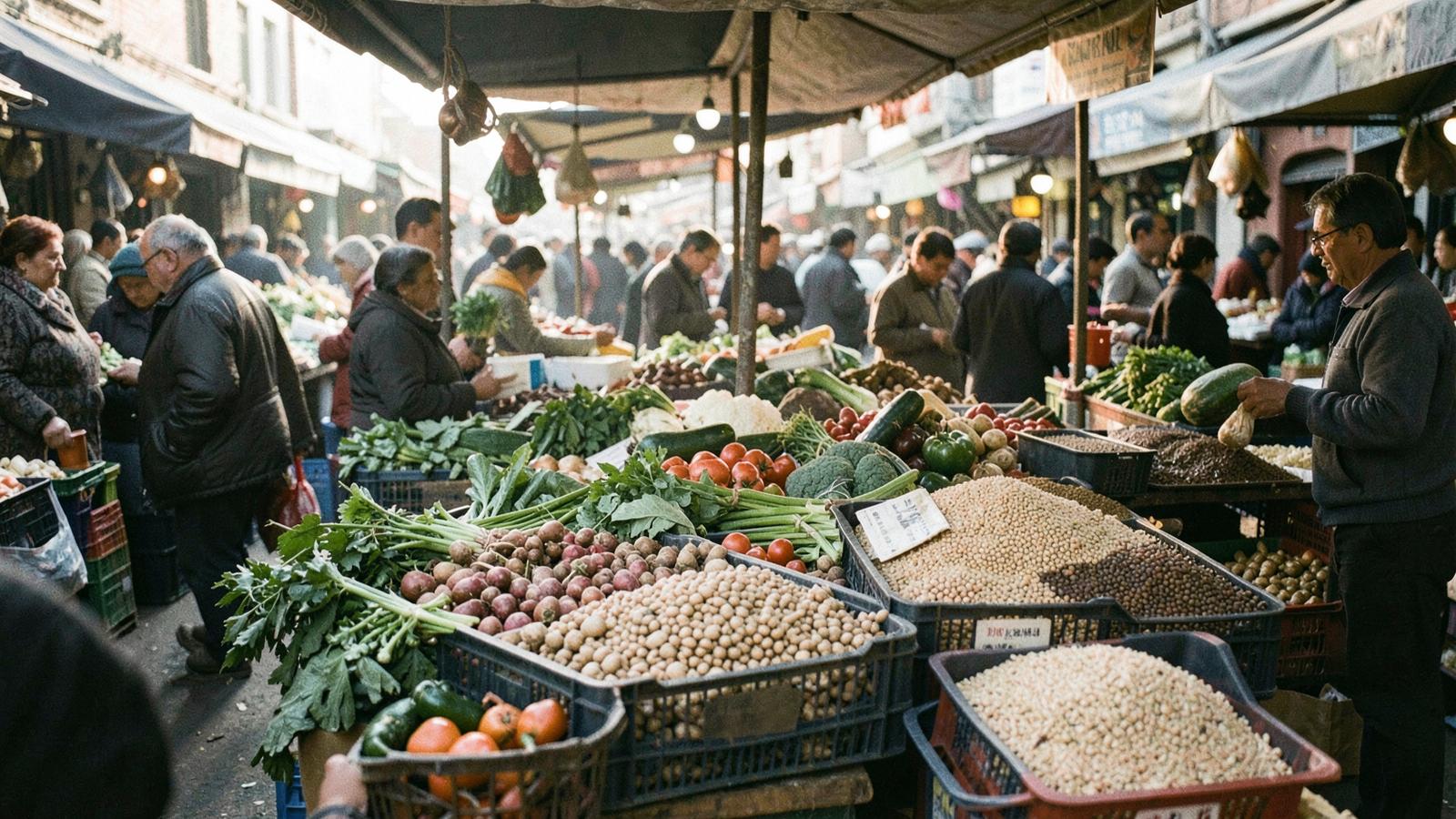
Dove il cambiamento si vede
Markets are the clearest place to watch demand shift: as pulses, grains and vegetables take more shelf space, producers, buyers and policy follow the money rather than the argument.
Come funziona davvero il sistema
Most coverage of animals, diets and climate arrives as isolated stories: a slaughterhouse investigation, a methane figure, a supermarket launch. They belong to one system with a small number of decision points. This map sets out that system stage by stage — who owns each step, where animals enter it, what the public can see, and which levers have historically moved it — so every article on this site can be read in context rather than as an isolated shock.
Animal agriculture is a chain of separate businesses. Pressure applied at one link rarely stays there; it moves upstream to feed and land, or downstream to retail and price.
| Fase | Cosa succede | Dove agisce la leva |
|---|---|---|
| Land and feed | Soy, maize and grass are grown to feed animals, using roughly three quarters of agricultural land worldwide. | Deforestation rules, feed-import standards, and any fall in demand for animal products. |
| Breeding | Genetics companies supply fast-growing birds and high-yield dairy lines used across most of the industry. | Growth-rate standards; welfare commitments that specify breed, not just space. |
| Rearing | Animals are housed at density, typically indoors, with confinement systems that vary by species and country. | Cage, crate and stocking-density law — the fastest-moving area of animal legislation. |
| Transport and slaughter | Live animals move to centralised plants; a small number of companies process most of the volume. | Journey-time limits, CCTV and inspection rules, stunning requirements. |
| Processing and brands | Meat and dairy become branded products, with margins concentrated in processing rather than farming. | Labelling law, marketing claims, and corporate sourcing commitments. |
| Retail and food service | Supermarkets, canteens and restaurants set the default meal for most people most days. | Shelf share, menu defaults, procurement contracts and price parity. |
| The plate | Households choose within the range and prices the previous stages allow. | Repeat purchases, which retailers track far more closely than surveys. |
Individual choices matter, but they are amplified or blunted by a handful of institutions that set defaults for millions of meals at a time.
La terra è la variabile silenziosa
Most farmland on earth feeds animals rather than people directly. That single fact explains why diet, deforestation, wildlife loss and climate keep turning up in the same story.
| Regione | Cosa determina i risultati |
|---|---|
| European Union | Confinement law and labelling lead globally; the unresolved question is imported animal products produced to lower standards. |
| United States | State ballot measures drive welfare change while federal rules lag; litigation over interstate sales is the recurring battleground. |
| Brazil and South America | Feed-crop expansion and cattle ranching sit at the interface with forest loss, making land use the decisive issue. |
| China and East Asia | Rapid growth in intensive production alongside fast-growing plant-based and cultivated protein investment. |
| India and South Asia | The world's largest dairy sector, where welfare questions centre on cattle, transport and the fate of male calves. |
| Sub-Saharan Africa | Smallholder systems dominate today; whether intensive models are imported is still an open decision. |
Change in this system is slow, then sudden. These are the shifts that repeat across countries once they start.
Most disputes come down to a handful of recurring tricks. Running a claim through these questions resolves the majority of them.