In drought-prone regions across Italy, high meat consumption is taking a toll on public health. But reducing meat intake is a complex challenge, entangled with worker trauma and industry subsidies.
A study by the Italian National Institute of Statistics (ISTAT, 2022) found that 37% of Italian municipalities face high or very high water stress, with the south of the country being the most affected.
Public health risks in drought-prone regions
The World Health Organization (WHO, 2021) estimates that 177,000 Italians die each year due to diet-related diseases, with high meat consumption being a significant factor. In drought-prone regions, this risk is exacerbated by water scarcity and heatwaves.
Heatwaves, which are more frequent and severe in drought-prone regions, increase the risk of foodborne illnesses. A study published in The Lancet Planetary Health (2019) found that higher temperatures can accelerate the growth of harmful bacteria in meat.
Worker trauma and poor working conditions
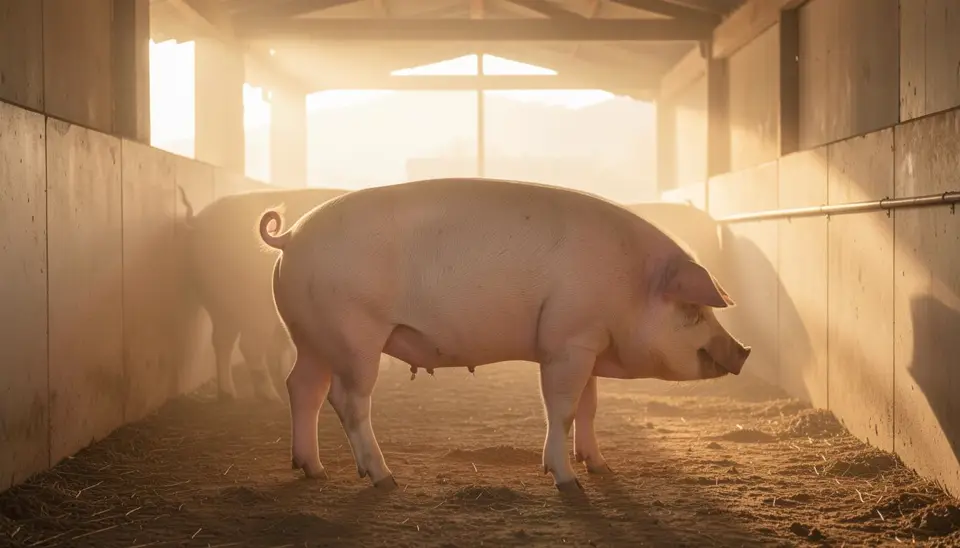
The meat industry's growth has been accompanied by a rise in worker exploitation and poor working conditions. A report by the Italian Workers' Compensation Authority (INAIL, 2022) found that the meat processing industry has one of the highest injury rates in Italy.
“The meat industry is characterized by low wages, long working hours, and high injury rates. Workers are often migrants, who face additional barriers to organizing and advocating for their rights.”
| Industry | Injury rate per 100,000 workers |
|---|---|
| Meat processing | 11,498 |
| All industries | 1,334 |
Industry subsidies and lack of alternatives
The meat industry receives significant subsidies, hindering the transition towards more sustainable food systems. A report by the European Parliament (2021) found that the Common Agricultural Policy (CAP) supports livestock farming with €35 billion per year.
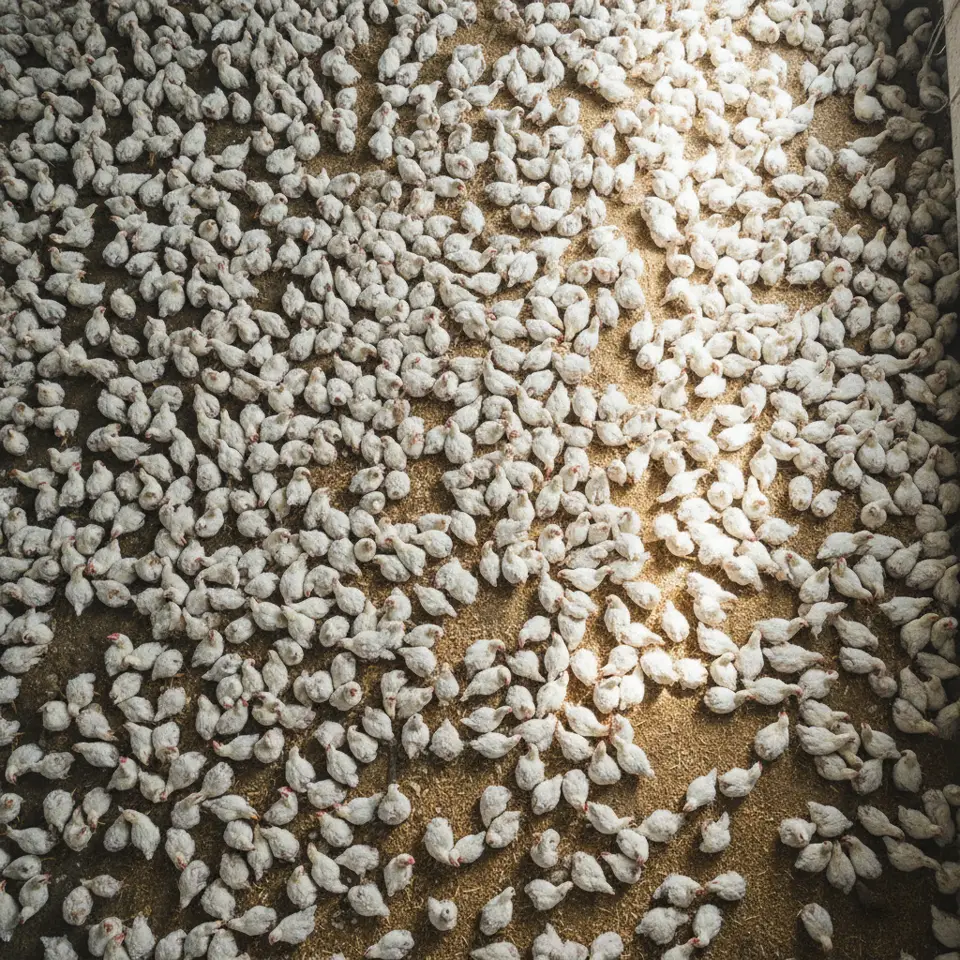
Moreover, the lack of affordable and convenient plant-based alternatives makes it difficult for consumers to reduce their meat intake. A study by the Italian National Research Council (CNR, 2020) found that the average Italian consumes more than 100 kg of meat per year.
Shifting towards plant-based diets
Reducing meat consumption can significantly improve public health and reduce environmental impact. A study published in the journal Nature (2018) found that a global shift towards plant-based diets could prevent around 6 million deaths per year worldwide.
Reduction in diet-related deaths with a shift towards plant-based diets
Policies supporting sustainable food systems
Policies that support the transition towards sustainable food systems are crucial for improving public health in drought-prone regions. These can include investing in water-efficient agriculture, promoting plant-based diets, and reforming agricultural subsidies.
Frequently asked questions
What are the health benefits of reducing meat consumption?+
Reducing meat consumption can lower the risk of heart disease, diabetes, and certain cancers. It can also improve gut health and reduce the risk of foodborne illnesses.
How can we make plant-based alternatives more affordable and convenient?+
Governments can invest in research and development to make plant-based alternatives more affordable. They can also promote plant-based diets through public awareness campaigns and nutrition guidelines.
What role do agricultural policies play in supporting sustainable food systems?+
Agricultural policies can support sustainable food systems by providing incentives for water-efficient agriculture, promoting plant-based diets, and reforming subsidies to reduce support for livestock farming.