Broiler chickens in factory farms live a life radically different from the one their biology evolved for. While these birds are genetically programmed to forage, dustbathe, perch, and form complex social hierarchies, industrial systems confine them to barren sheds at high stocking densities, where selective breeding for rapid growth causes chronic pain, lameness, and organ failure. In the US regulatory context, the lack of federal welfare standards for broilers means that nearly 9 billion birds per year endure conditions that would be illegal in several European nations. This article examines the science of broiler cognition and natural behaviour, contrasts it with the industrial lifecycle, and outlines welfare science and reform pathways.
What natural behaviours do broiler chickens exhibit when given the chance?
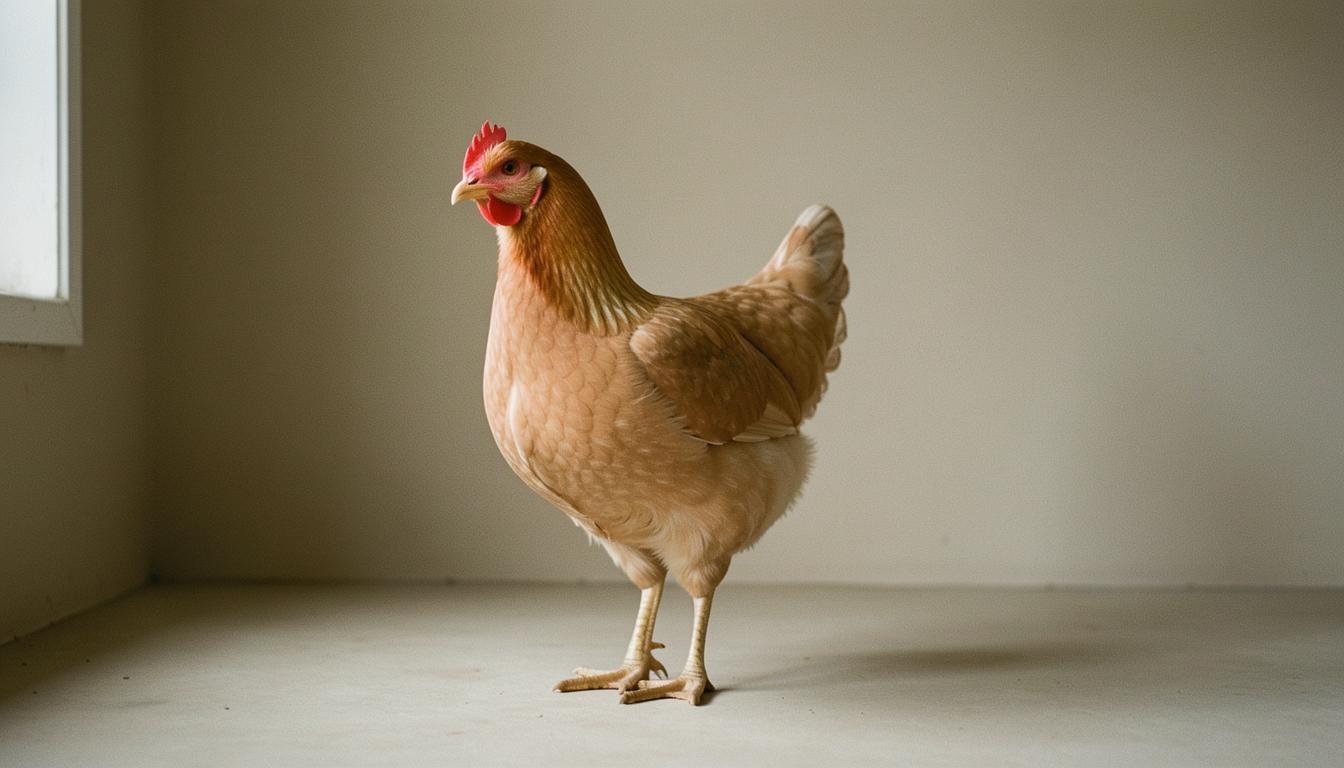
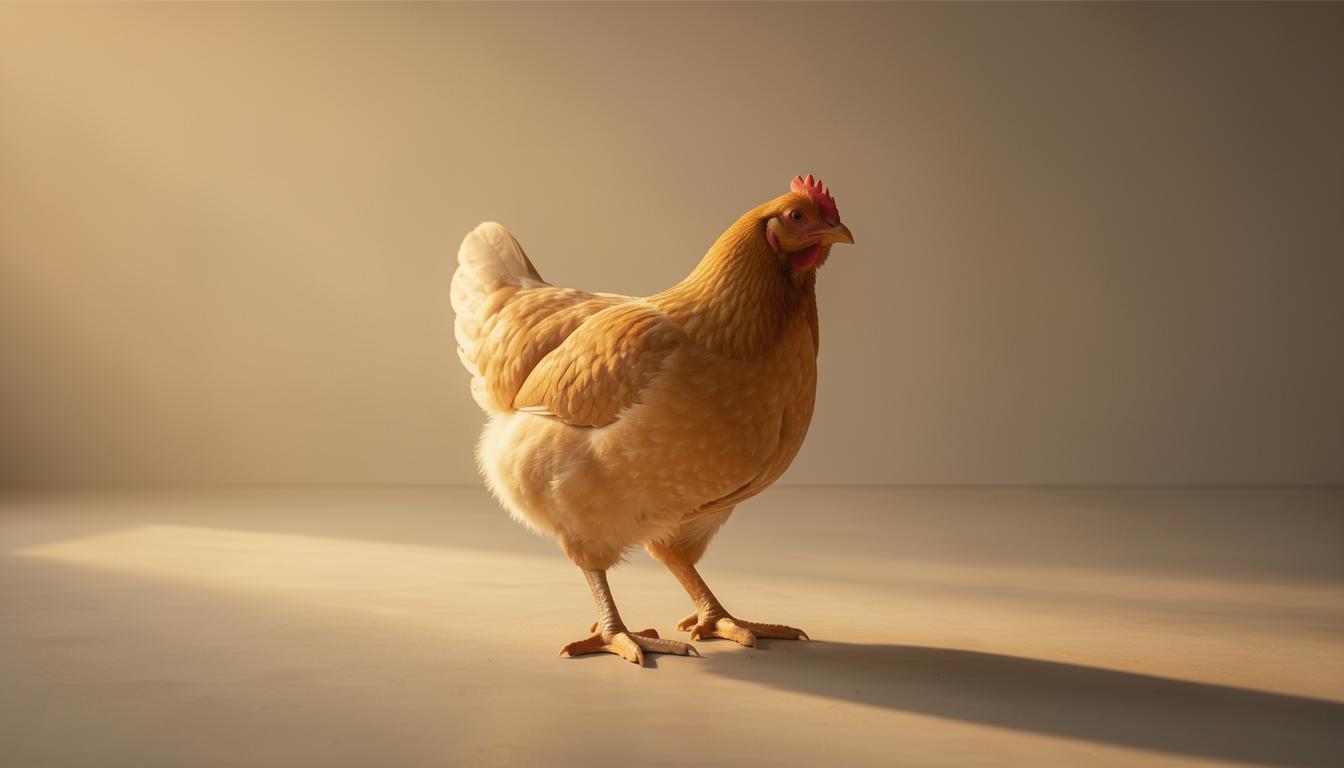
Broiler chickens, like all junglefowl ancestors, are ground-dwelling birds with a rich behavioural repertoire. When provided with adequate space, enrichment, and outdoor access, they spend up to 50% of their active time foraging—scratching, pecking, and searching for seeds, insects, and greens (Dawkins, 1989). They dustbathe daily to maintain feather condition and remove parasites, and they perch at night to avoid ground predators. Socially, they form stable pecking orders, recognise up to 100 individual birds, and show distress when separated from familiar flockmates (Marino, 2017). They also exhibit play behaviour, especially as chicks, and have demonstrated cognitive abilities such as self-control in a delayed-gratification test (Abeyesinghe et al., 2005).
““Chickens are not stupid. They have a sophisticated social intelligence, they can solve problems, and they feel pain. The industry’s denial of these facts is the root of their suffering.””
How does the industrial lifecycle of a broiler chicken differ from its natural life?
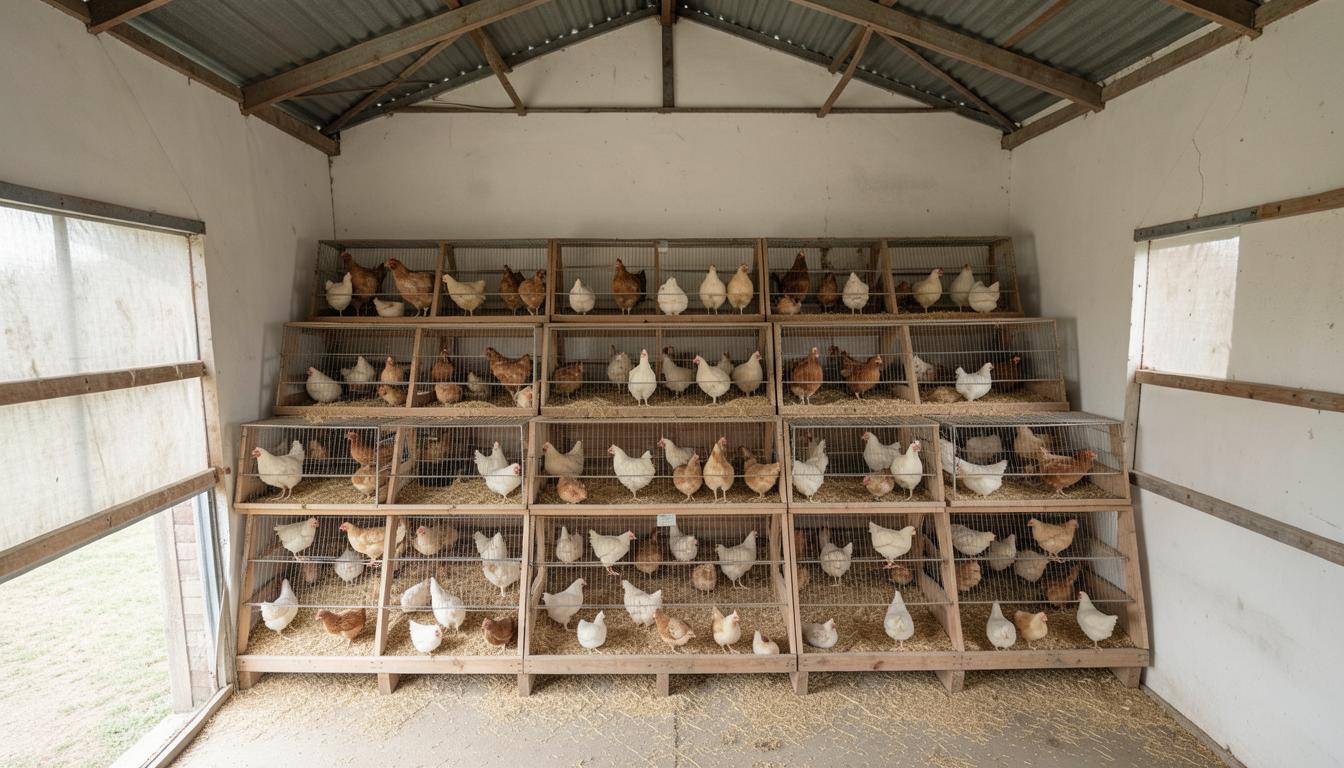
In a natural setting, a chicken can live 5–8 years. In the US broiler industry, the lifecycle is compressed into 6–7 weeks. Chicks are hatched in industrial hatcheries, often without maternal care, and are transported within 24 hours to grow-out houses. These sheds are windowless, artificially lit, and stocked at densities averaging 8–10 birds per square meter (National Chicken Council, 2023). The birds are fed a high-energy diet to maximise growth, and they reach a slaughter weight of about 2.5–3 kg. In the final week, mortality rates spike due to heart failure, ascites, and leg deformities. Slaughter is performed via electrical stunning or controlled-atmosphere stunning, but studies document that up to 5% of birds may be conscious during neck cutting (Grandin, 2020).
| Characteristic | Natural life | Industrial life |
|---|---|---|
| Lifespan | 5–8 years | 6–7 weeks |
| Body weight at maturity/slaughter | 1–2 kg (adult) | 2.5–3 kg (juvenile) |
| Growth rate | Slow, natural | Rapid, 50 g/day |
| Space per bird | Unlimited | 0.07–0.1 m² |
| Outdoor access | Yes | No (99% of US birds) |
| Enrichment | Foraging, dustbathing, perching | None or minimal |
| Cause of death | Predation, disease, old age | Slaughter at 6–7 weeks or sudden death from metabolic disease |
Average broiler slaughter weight in the US, 1950–2025 (kg)
What does welfare science say about the suffering of broiler chickens in factory farms?
Welfare science has documented multiple overlapping sources of suffering. The most severe is lameness: up to 30% of broilers in commercial flocks show moderate to severe gait abnormalities, with 3–5% unable to walk at all (Knowles et al., 2008). This is a direct consequence of rapid growth—the skeleton cannot support the muscle mass, leading to bone deformities, joint inflammation, and fractures. Additionally, high stocking density leads to poor litter quality, causing hock burns, footpad dermatitis, and breast blisters. Ammonia concentrations often exceed 25 ppm, damaging respiratory health and causing ocular lesions (David et al., 2015). The absence of perches and dustbathing substrates prevents natural behaviours, leading to frustration and chronic stress, measurable via elevated corticosterone levels (Bokkers et al., 2010).
What are the main welfare regulations for broiler chickens in the US?
Unlike the European Union, which bans barren cages for broilers (though they are rarely used) and sets a maximum stocking density of 42 kg/m² under the EU Broiler Directive (2007/43/EC), the US has no federal law governing broiler welfare. The Animal Welfare Act explicitly excludes farmed birds. The USDA's Organic standards require outdoor access, but only about 1% of US broilers are organic. The USDA's Food Safety and Inspection Service (FSIS) oversees slaughter hygiene but not pre-slaughter welfare. Several states have passed laws—California's Proposition 12 bans the sale of meat from animals raised in certain confinement systems, but it primarily addresses veal calves, breeding pigs, and egg-laying hens, not broilers. The Organic Trade Association and consumer pressure have led some companies, like Perdue Farms, to adopt slower-growing breeds for a portion of their line, but these remain a tiny fraction of total production.
What reform pathways exist for improving broiler welfare in the US?
Reform efforts operate at multiple levels. First, corporate commitments: the Global Animal Partnership (GAP) certification, used by Whole Foods, sets standards for slower-growing breeds, lower stocking densities, and environmental enrichment. As of 2025, about 15% of US broilers are raised under some form of third-party welfare certification, but most are still conventional. Second, state legislation: following the success of Proposition 12, animal-rights groups are exploring ballot initiatives that would set minimum space requirements for broilers, though no such measure has passed yet. Third, litigation: lawsuits alleging deceptive labeling (e.g., 'humanely raised' on conventional chicken) have forced some companies to clarify claims. Fourth, consumer advocacy: campaigns targeting fast-food chains and grocery retailers have led to pledges to source higher-welfare chicken, though implementation lags. Finally, scientific research: breeding companies are developing slower-growing strains with better welfare outcomes, and the USDA's Agricultural Research Service is studying alternative housing systems.
““The single most impactful reform for broiler welfare is switching to slower-growing breeds. It reduces lameness, mortality, and metabolic disease more than any other single change.””
Frequently asked questions about broiler chickens in factory farms
Frequently asked questions
What is the natural lifespan of a broiler chicken?+
A broiler chicken has a natural lifespan of 5–8 years if allowed to live out its full life. In factory farms, they are slaughtered at 6–7 weeks of age, long before reaching skeletal or sexual maturity.
Do broiler chickens feel pain?+
Yes, broiler chickens have a fully developed nervous system and experience pain. Welfare science has documented that lameness, footpad dermatitis, and respiratory distress cause significant pain and distress, and birds will self-administer analgesics when given the chance (Danbury et al., 2000).
Are there any US laws protecting broiler chickens?+
No. The federal Animal Welfare Act excludes farmed birds. The USDA's Organic standards require outdoor access for organic broilers, but only about 1% of US broilers are organic. Some states have laws addressing confinement for other species, but none specifically for broilers.
What is the difference between a broiler chicken and a laying hen?+
Broiler chickens are bred for rapid meat production and are slaughtered at 6–7 weeks. Laying hens are bred for egg production and can live for 1–2 years in commercial systems. The two strains are genetically distinct; broilers grow too fast to be used for egg production.
Can broiler chickens be raised humanely?+
Yes, when provided with slower-growing genetics, adequate space, outdoor access, enrichment, and veterinary care, broilers can experience good welfare. However, less than 1% of US broilers are raised in such systems, and the term 'humanely raised' is not regulated.
Conclusion: bridging the gap between natural behaviour and industrial life
The evidence is clear: broiler chickens in factory farms endure a profound mismatch between their evolved needs and the barren, crowded, fast-paced industrial environment. The US regulatory vacuum allows this suffering to continue at a staggering scale. Yet the science of welfare, combined with consumer pressure and incremental policy change, points to viable pathways for reform. Shifting to slower-growing breeds, reducing stocking densities, and providing enrichment are not theoretical—they are practiced in some systems today. The question is whether the US will follow the lead of the EU and progressive companies, or continue to prioritize efficiency over the lives of 9 billion sentient beings each year.