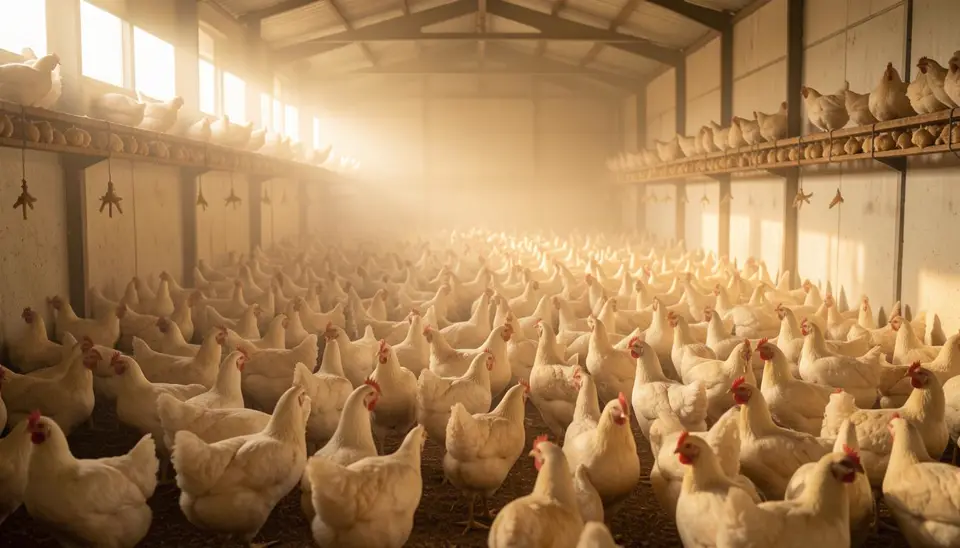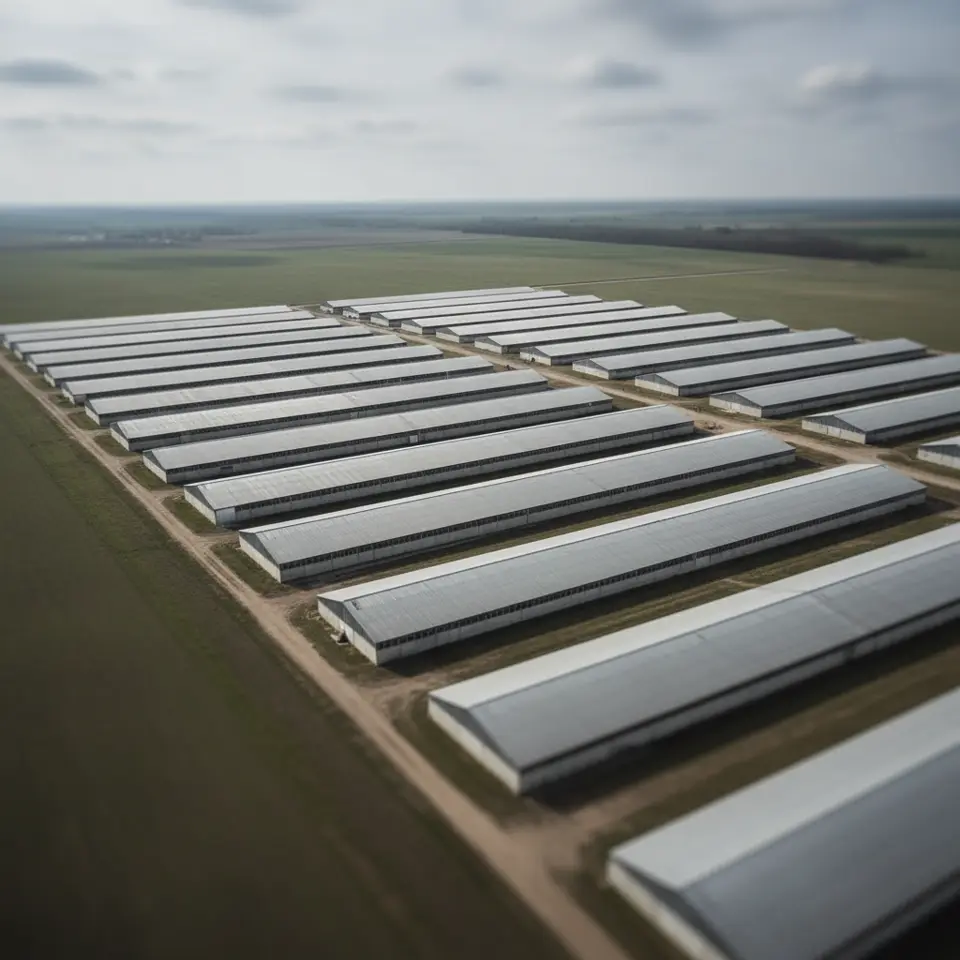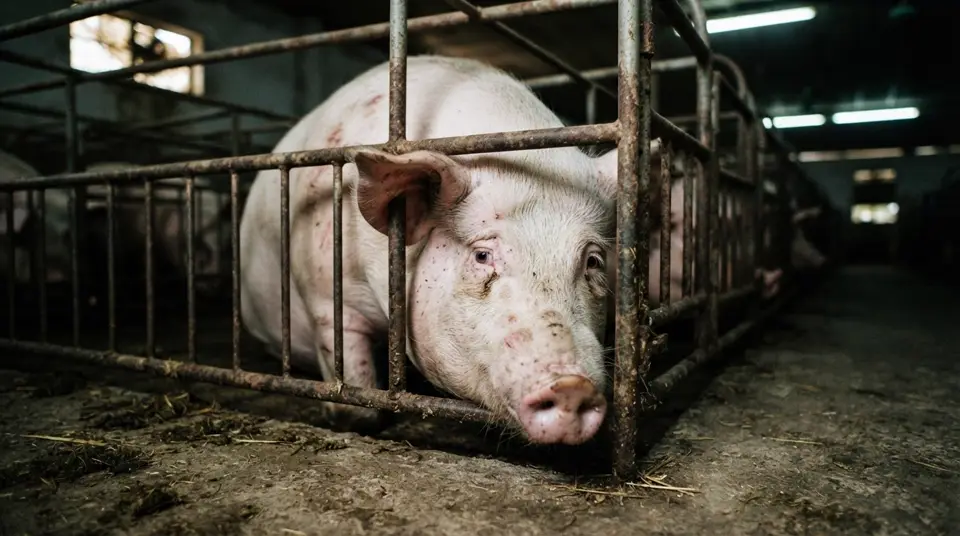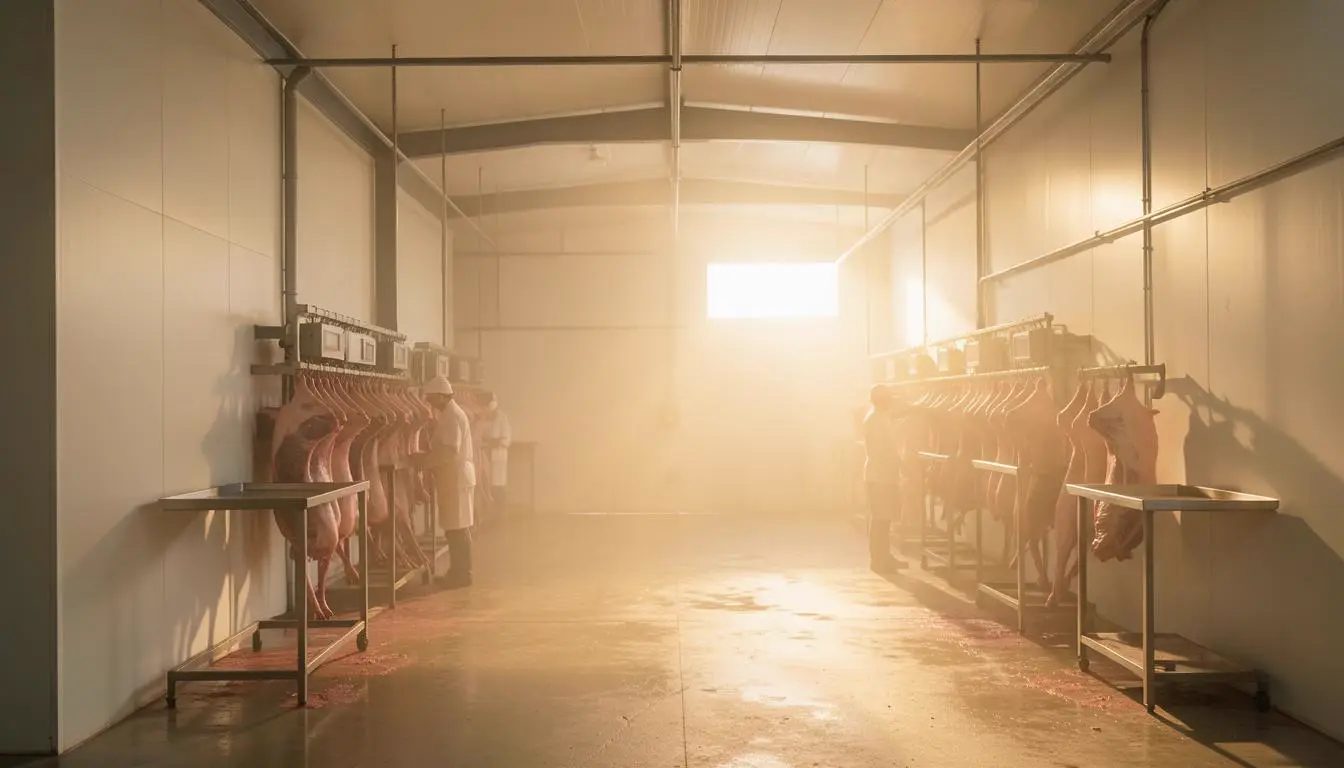
Are you a busy professional trying to make ethical food choices but find it overwhelming to navigate the maze of labels and claims? One term you might come across is 'Controlled Atmosphere Killing' (CAK), often marketed as a more humane method of slaughter. But what are the real costs of this practice? Let's delve into the hidden aspects that might surprise you.
At first glance, CAK might seem like a more humane method. However, a closer look reveals a complex web of environmental and animal welfare concerns that busy professionals might not immediately consider.
The Environmental Costs of Controlled Atmosphere Killing
The primary gas used in CAK, carbon dioxide, is a potent greenhouse gas. The production and transportation of this gas have significant environmental impacts. According to the International Energy Agency, CO2 emissions from industrial processes, including those related to meat production, accounted for 30% of global greenhouse gas emissions in 2019. (IEA, 2021)

Greenhouse Gas Emissions from Meat Production
The Animal Welfare Dilemma
While CAK is marketed as a humane method, animal welfare groups remain concerned. A study published in the Journal of Animal Science found that pigs exposed to CO2 showed signs of struggle and distress before losing consciousness. (Grandin, 2003)
“The use of CO2 for stunning causes unnecessary suffering to pigs. We urge the meat industry to adopt more humane methods.”
Consumer Labels: A Reality Check
Labels claiming 'humane slaughter' or 'high welfare' can be misleading. A 2020 study in the Journal of Agricultural and Environmental Ethics found that many of these labels lack transparent standards and are often used to greenwash unsustainable practices. (Briston, 2020)
| Label Claim | Actual Meaning |
|---|---|
| Free Range | Access to outdoors, but not necessarily pasture |
| Humane Slaughter | Varies widely, often includes CAK |
| High Welfare | Lack of transparency and regulation |
The Plant-Based Alternative
Opting for plant-based proteins can significantly reduce your carbon and animal welfare footprint. According to a 2024 study by Poore and Nemecek, avoiding meat and dairy is the single biggest way to reduce your impact on Earth, as it can reduce an individual's food-related emissions by up to 73%.
Frequently asked questions
Isn't plant-based food less nutritious?+
A well-planned plant-based diet can provide all the nutrients our bodies need. Many plant-based alternatives are fortified with essential nutrients like vitamin B12 and iron.
Don't plant-based foods also have an environmental impact?+
Yes, but the impact is significantly less. Plant-based proteins require less land, water, and energy, and generate fewer greenhouse gas emissions than animal-based proteins.