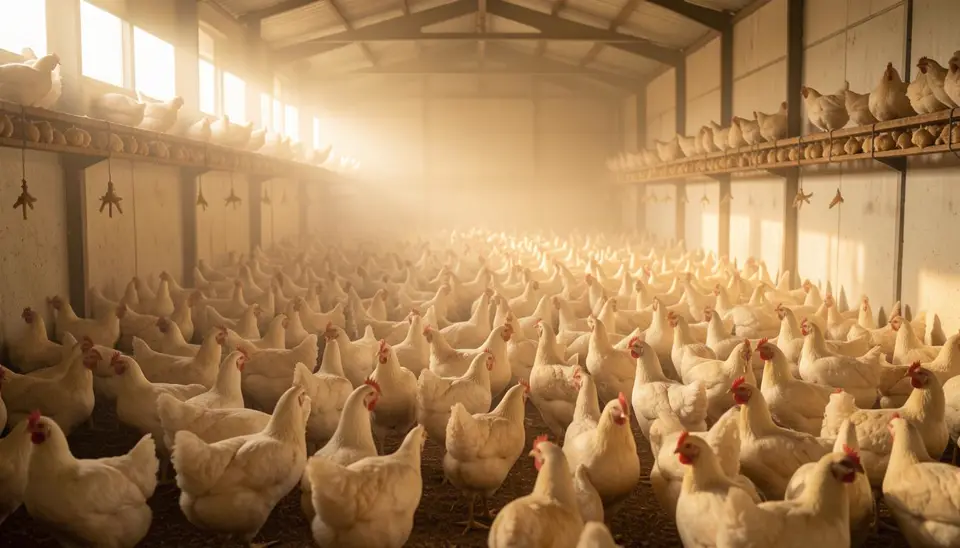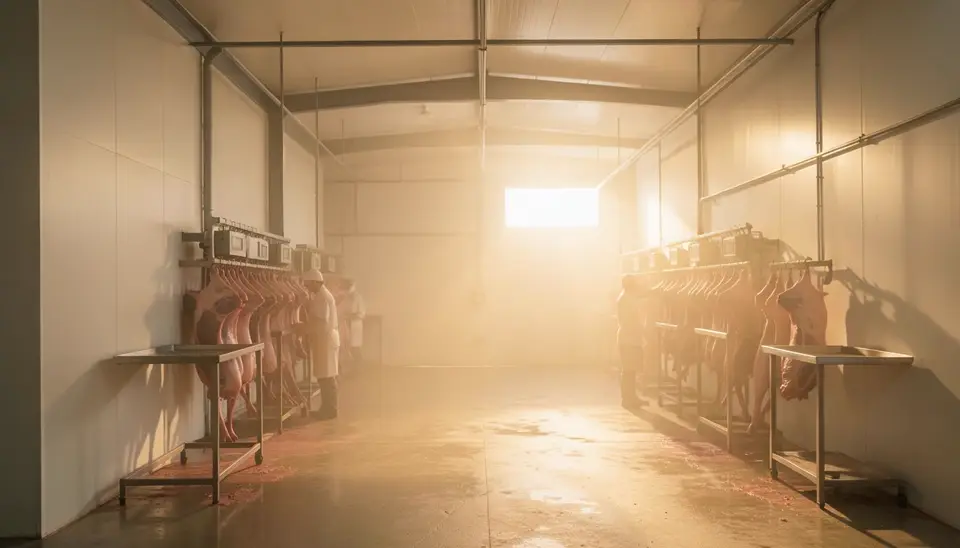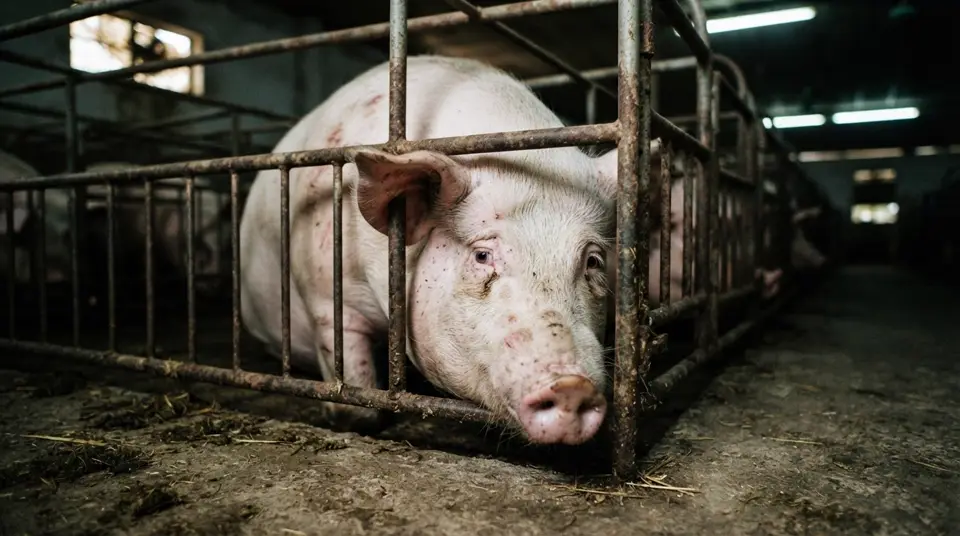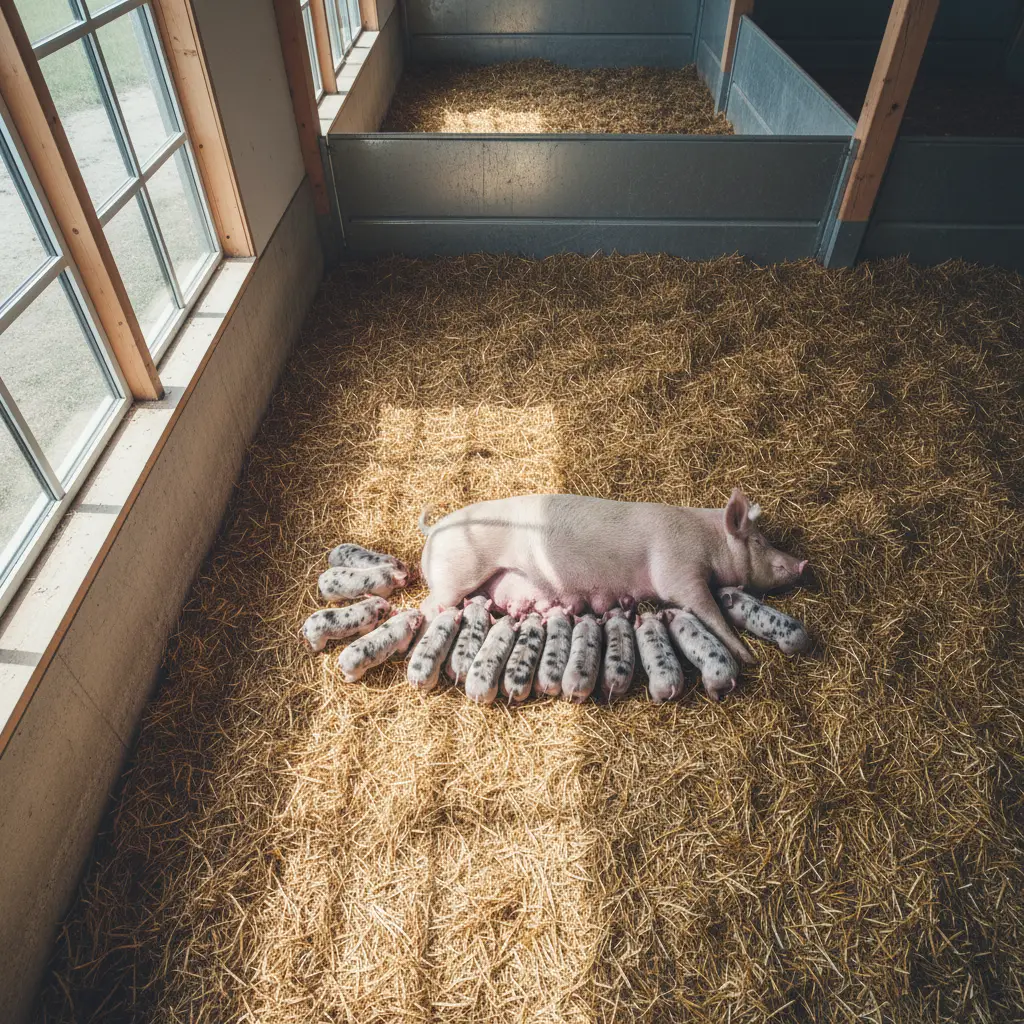
Colony cages, a controversial farming method, often slip through legal loopholes due to inadequate regulation. Despite the growing concern for animal welfare, these cages continue to be used, causing suffering to millions of animals worldwide. In 2024, it's crucial to understand these loopholes and work towards closing them.
Colony cages are often used in the egg industry due to their high production efficiency. However, this comes at the cost of animal welfare, with chickens experiencing stress, injury, and other health issues due to the cramped conditions.
Legal Loopholes in Colony Cage Farming
Colony cages often slip through legal loopholes due to inadequate regulation. Here are some of the most common loopholes:
| Loophole | Description | Impact |
|---|---|---|
| Size Exemptions | Loopholes allowing cages to be smaller than legal standards. | Causes increased suffering to chickens. |
| Stacking | Loopholes allowing cages to be stacked higher than regulations. | Impedes cleaning and inspection, leading to poorer conditions. |
| Enrichment Exemptions | Loopholes exempting cages from providing enrichment. | Denies chickens the opportunity to express natural behaviors. |
These loopholes allow farmers to exploit legal gray areas, often at the expense of animal welfare.
Navigating the Legal Landscape in 2024
To close these loopholes, we must understand the legal landscape and advocate for change.
Steps to Navigate Legal Loopholes in 2024
- 1
Educate Yourself
Understand the regulations in your region and how loopholes are being exploited.
- 2
Advocate for Change
Contact local legislators, write letters, and participate in public consultations to demand stricter regulations.
- 3
Support Animal Welfare Organizations
Donate and volunteer for organizations working to close legal loopholes and improve animal welfare.
By understanding the legal landscape and advocating for change, we can close loopholes and improve the lives of millions of animals.
Expert Perspective
“Colony cages are a clear example of how profit-driven industries exploit legal loopholes to prioritize efficiency over animal welfare. We need stricter regulations and better enforcement to protect farm animals.”
Frequently Asked Questions
Frequently asked questions
What are some signs of a colony cage farm?+
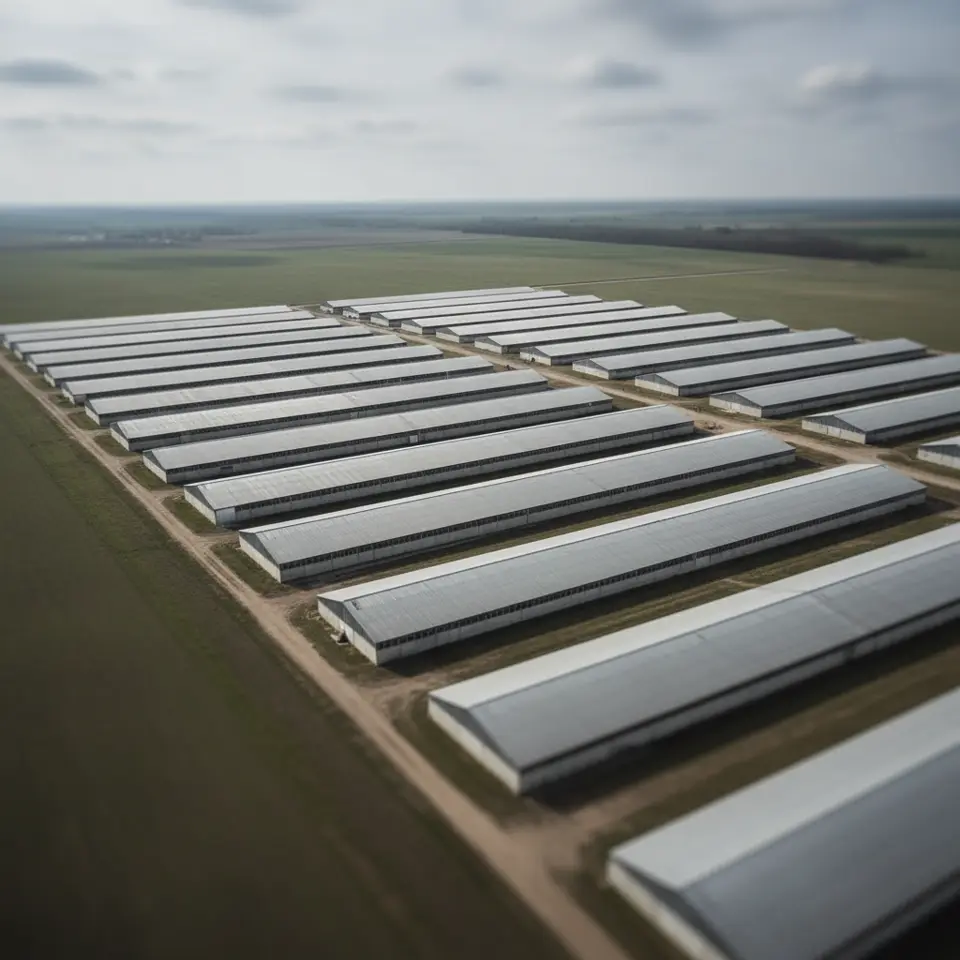
Look for large, barren buildings housing thousands of chickens, often with very little space for the birds to move around.
How can I report potential animal welfare abuses?+
Contact local animal welfare organizations or government agencies to report suspected abuses.