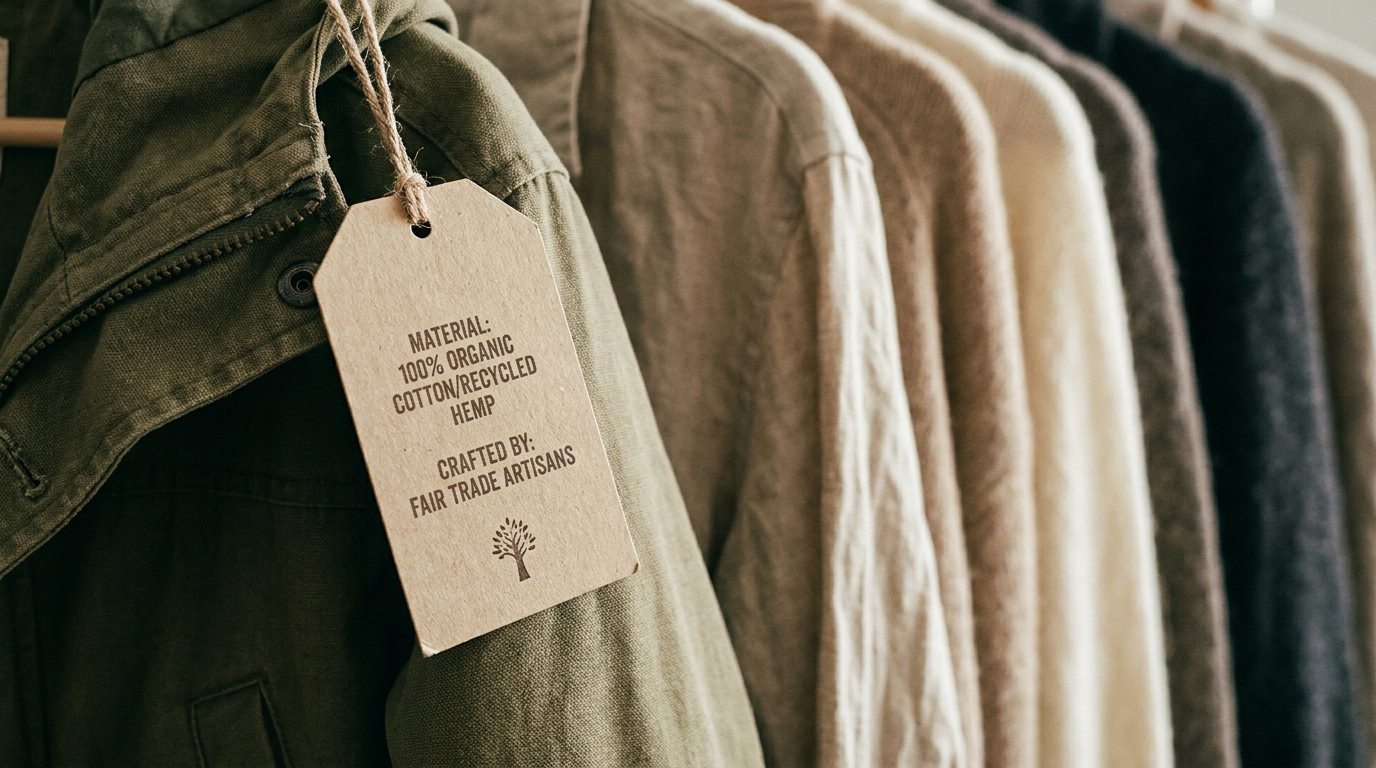
In the quest for a sustainable and ethical fashion industry, wool alternatives are gaining traction worldwide, including in Latin America. But what are the ethical wool alternatives, and how can consumers ensure they are making informed decisions? Let's delve into the world of plant-based and recycled fibers, sustainability certifications, and the importance of spotting greenwashing.
Plant-based wool alternatives: Nature's fibers
Latin America is home to a diverse range of plant species that can be transformed into sustainable fibers. Here are a few examples:
Popular plant-based wool alternatives
- 1
Bamboo
Grown abundantly in countries like Ecuador and Peru, bamboo is a fast-growing, highly sustainable resource.
- 2
Hemp
Uruguay and Argentina are leading the way in hemp cultivation, offering a strong, durable fiber.
- 3
Tencel (lyocell)
Derived from eucalyptus trees, Tencel is produced in Brazil and offers a soft, breathable alternative to wool.
Recycled wool and other recycled fibers
Recycling wool and other materials reduces waste and minimizes the demand for new resources. Recycled wool can be found in various products, while recycled polyester is also popular in Latin America.
| Fiber | Global Warming Potential (kg CO2 eq/kg) | Water Footprint (l/kg) | Land Use (m2/kg) |
|---|---|---|---|
| Wool | 21.6 | 1,161 | 27.1 |
| Bamboo | 2.1 | 12,400 | 0.1 |
| Hemp | 2.5 | 10,000 | 0.8 |
| Recycled Polyester | 3.5 | 100 | 0.006 |
Sustainability certifications: Navigating the labeling landscape
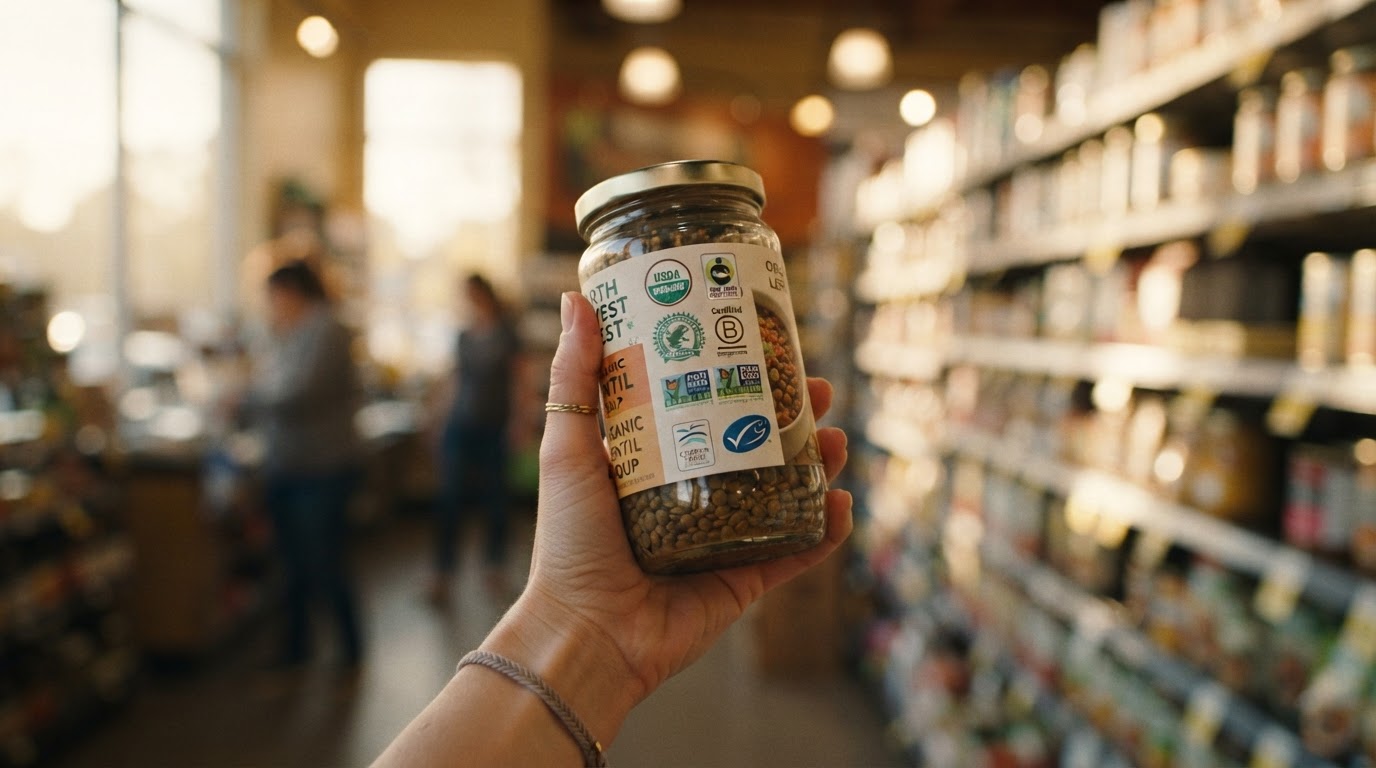
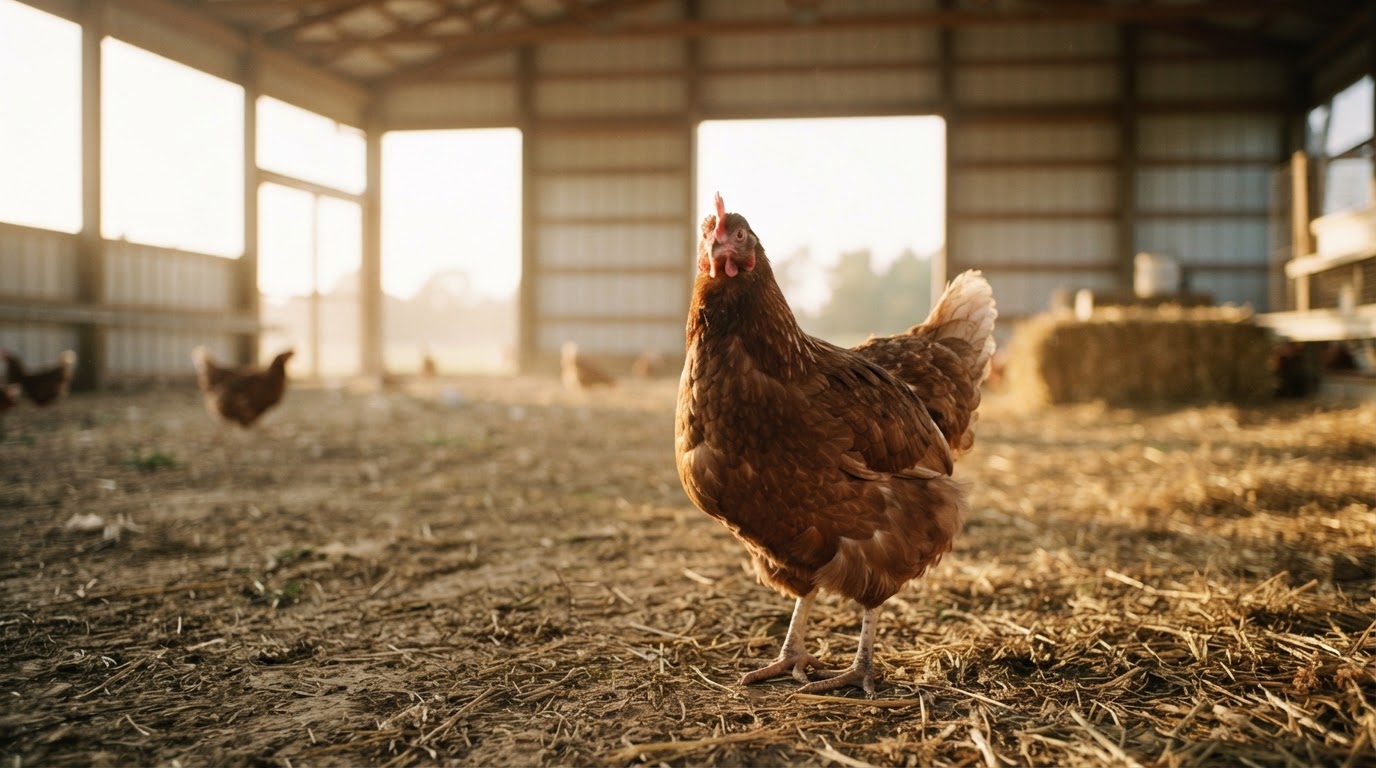
Certifications like Certified Humane, GAP (Global Animal Partnership), MSC (Marine Stewardship Council), and RSPCA Assured help consumers identify ethical products. However, these certifications have varying standards and scopes. Let's take a closer look at RSPCA Assured and MSC.
“RSPCA Assured certified products must meet high welfare standards, but the focus is on farm animals, not fiber production. So, while it's a step in the right direction, it doesn't guarantee sustainability or ethical treatment of all animals involved in the supply chain.”
Global wool production (2015-2020)
Spotting greenwashing: Behind the marketing buzz
Frequently asked questions
What are some common greenwashing tactics in the wool industry?+
Companies may use vague or unrecognized certifications, lack transparency in their supply chain, or make unfounded claims about their products' sustainability.
How can consumers ensure they are purchasing ethical wool alternatives?+
Look for recognized certifications, transparent supply chains, and specific information about the product's origin and production process.
Are there any specific certifications to look for when buying wool alternatives?+
While certifications like RSPCA Assured and MSC have limitations, look for certifications that focus specifically on fiber production, such as the Textile Exchange's Responsible Wool Standard (RWS) or the Global Organic Textile Standard (GOTS).