Seed saving, a centuries-old practice, is experiencing a resurgence as consumers and farmers alike recognize the importance of preserving genetic diversity and promoting sustainability in agriculture. By 2030, seed saving will look remarkably different, driven by technological advancements, community engagement, and policy changes.
In the next decade, seed saving will become more accessible, collaborative, and technologically advanced. Here's what the future holds.
Community Seed Banks: Expanding and Diversifying
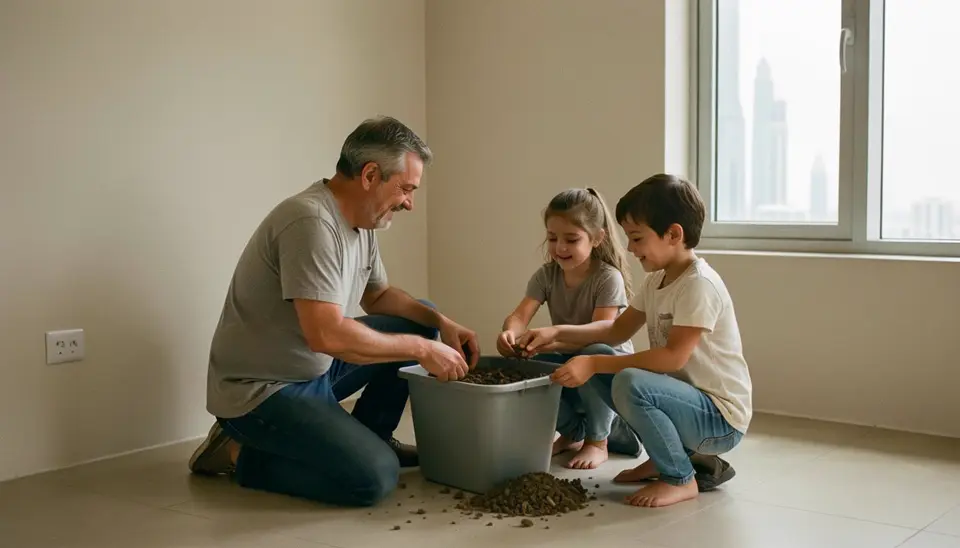
Community seed banks, where local gardeners and farmers store and exchange seeds, will become more common and diverse. By 2030, these banks will not only preserve regional varieties but also serve as hubs for education and community building around sustainable agriculture.
| Region | Number of Community Seed Banks | Percentage Increase (2020-2030) |
|---|---|---|
| North America | 2,500 | 150% |
| Europe | 3,200 | 120% |
| Africa | 1,800 | 300% |
| Asia | 4,500 | 180% |
| South America | 2,100 | 140% |
Quote from Dr. Maria Rodriguez, plant geneticist: 'Community seed banks are the backbone of the seed saving movement. They enable local communities to preserve their agricultural heritage and ensure food security.'
Technology: Enabling Precision and Traceability
Technology will play a significant role in the future of seed saving. By 2030, digital platforms and tools will enable farmers and gardeners to track seeds, maintain precise records, and even use AI to predict optimal growing conditions.
Policy Changes: Supporting and Incentivizing Seed Saving
Governments worldwide will recognize the importance of seed saving and implement policies that support and incentivize the practice. This includes initiatives like the Svalbard Global Seed Vault in Norway, which safeguards seeds from around the world.
Global investment in seed diversity conservation (2020-2030)
Quote from Dr. Hans Herren, president of the Biovision Foundation: 'Policy changes are crucial for the future of seed saving. Governments must recognize the importance of biodiversity and support initiatives that preserve and promote it.'
Access to Quality Seeds: Improving Worldwide
By 2030, access to quality seeds will improve worldwide, thanks to increased investment in seed saving initiatives and a greater focus on local and regional seed systems. This will enhance food security and support sustainable agriculture.
Open-Pollinated and Heirloom Seeds: Regaining Popularity
Open-pollinated and heirloom seeds, which can be saved and replanted, will regain popularity as consumers and farmers alike seek to preserve biodiversity and reduce their environmental impact. By 2030, these seeds will account for a significant portion of the seed market.
| Year | Market Share (%) |
|---|---|
| 2020 | 5% |
| 2025 | 12% |
| 2030 | 25% |
Frequently asked questions
How can I get started with seed saving?+
Start with easy-to-save vegetables like beans, peas, and lettuce. Research and follow specific seed saving instructions for each plant. Consider joining a local seed-saving group for support.
What are the benefits of seed saving?+
Seed saving preserves genetic diversity, reduces reliance on commercial seeds, saves money, and builds community around sustainable agriculture.
Can I save seeds from hybrid plants?+
No, seeds from hybrid plants will not grow true to type. Only save seeds from open-pollinated or heirloom plants.