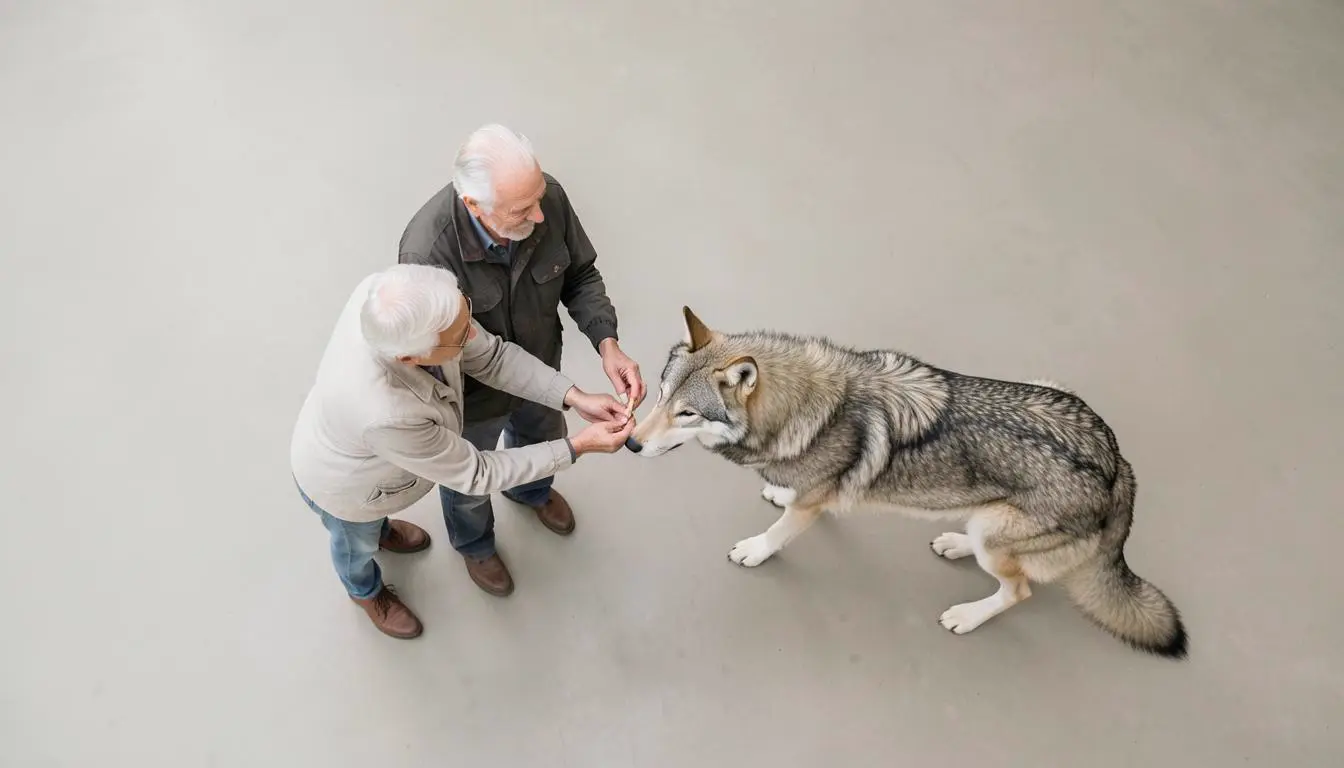
মেক্সিকান গ্রে উলফ, একসময় বিলুপ্তির দ্বারপ্রান্তে দাঁড়িয়ে ছিল, এখন নিবেদিতপ্রাণ বয়স্কদের প্রচেষ্টার জন্য পুনরায় ফিরে আসছে। এই দীর্ঘ নির্দেশিকাটি মেক্সিকান গ্রে উলফের ইতিহাস, তাদের আবাসস্থল, তারা যে চ্যালেঞ্জগুলোর মুখোমুখি হয় এবং সবচেয়ে গুরুত্বপূর্ণভাবে, বয়স্করা কীভাবে তাদের পুনরুদ্ধারে গুরুত্বপূর্ণ ভূমিকা পালন করতে পারে তা অন্বেষণ করে।
“"মেক্সিকান গ্রে উলফ দক্ষিণ-পশ্চিমাঞ্চলে একসময় সমৃদ্ধ প্রাকৃতিক জগতের একটি শক্তিশালী প্রতীক, এবং এর পুনরুদ্ধার দৃঢ় সংকল্প ও সহযোগিতার মাধ্যমে কী অর্জন করা যায় তার একটি প্রমাণ।"”
মেক্সিকান গ্রে উলফের একটি সংক্ষিপ্ত ইতিহাস
একসময় দক্ষিণ-পশ্চিম মার্কিন যুক্তরাষ্ট্র এবং মেক্সিকো জুড়ে বিস্তৃত থাকা মেক্সিকান গ্রে উলফ ২০শ শতাব্দীতে আবাসস্থল হ্রাস এবং ব্যাপক শিকারী নিয়ন্ত্রণ কর্মসূচির কারণে নাটকীয়ভাবে হ্রাস পায়। ১৯৭০-এর দশকের মাঝামাঝি নাগাদ, বন্য জনসংখ্যা মাত্র কয়েকটি ব্যক্তিতে সীমাবদ্ধ হয়ে পড়ে, যার ফলে ১৯৭৬ সালে তাদের বিপন্ন প্রজাতি আইনের তালিকাভুক্ত করা হয়।
মেক্সিকান গ্রে উলফের আবাসস্থল বোঝা
মেক্সিকান গ্রে উলফরা ঘন আচ্ছাদনযুক্ত আবাসস্থল পছন্দ করে, যেমন বন ও ঝোপঝাড়, যা শিকারী এবং শিকার থেকে সুরক্ষা প্রদান করে। তাদের সামাজিক কাঠামো এবং শিকারের প্রয়োজন মেটাতে বড় অঞ্চলের প্রয়োজন হয়। মূল আবাসস্থলের মধ্যে দক্ষিণ-পশ্চিম মার্কিন যুক্তরাষ্ট্র এবং মেক্সিকোর জাতীয় উদ্যান, বন এবং বন্যপ্রাণী অভয়ারণ্য অন্তর্ভুক্ত।
| বছর | আনুমানিক জনসংখ্যা |
|---|---|
| 1979 | 7 |
| 1982 | 4 |
| 1998 | 5 |
| 2015 | 97 |
| 2021 | 186 |
মেক্সিকান গ্রে উলফ পুনরুদ্ধারের মুখোমুখি চ্যালেঞ্জ
সাম্প্রতিক অগ্রগতি সত্ত্বেও, মেক্সিকান গ্রে উলফ পুনরুদ্ধার অসংখ্য চ্যালেঞ্জের মুখোমুখি। এর মধ্যে সীমিত উপযুক্ত আবাসস্থল, জিনগত বিচ্ছিন্নতা এবং গবাদি পশু চারণের মতো মানবিক কার্যকলাপের সাথে দ্বন্দ্ব অন্তর্ভুক্ত। এছাড়াও, জলবায়ু পরিবর্তন তাদের আবাসস্থল এবং শিকার ভিত্তির জন্য একটি উদীয়মান হুমকি তৈরি করে।
বয়স্করা কীভাবে মেক্সিকান গ্রে উলফের জনসংখ্যা পুনরুদ্ধারে সাহায্য করতে পারেন
মেক্সিকান গ্রে উলফ পুনরুদ্ধারে কীভাবে অবদান রাখবেন
- 1
ধাপ ১: নিজেকে শিক্ষিত করুন
মেক্সিকান গ্রে উলফ, তাদের ইতিহাস এবং তারা যে চ্যালেঞ্জগুলোর মুখোমুখি হয় সে সম্পর্কে জানুন। শিক্ষামূলক উপকরণের সাথে যুক্ত হন এবং কর্মশালা বা ওয়েবিনারে অংশগ্রহণ করুন।
- 2
ধাপ ২: সম্প্রদায়কে যুক্ত করুন
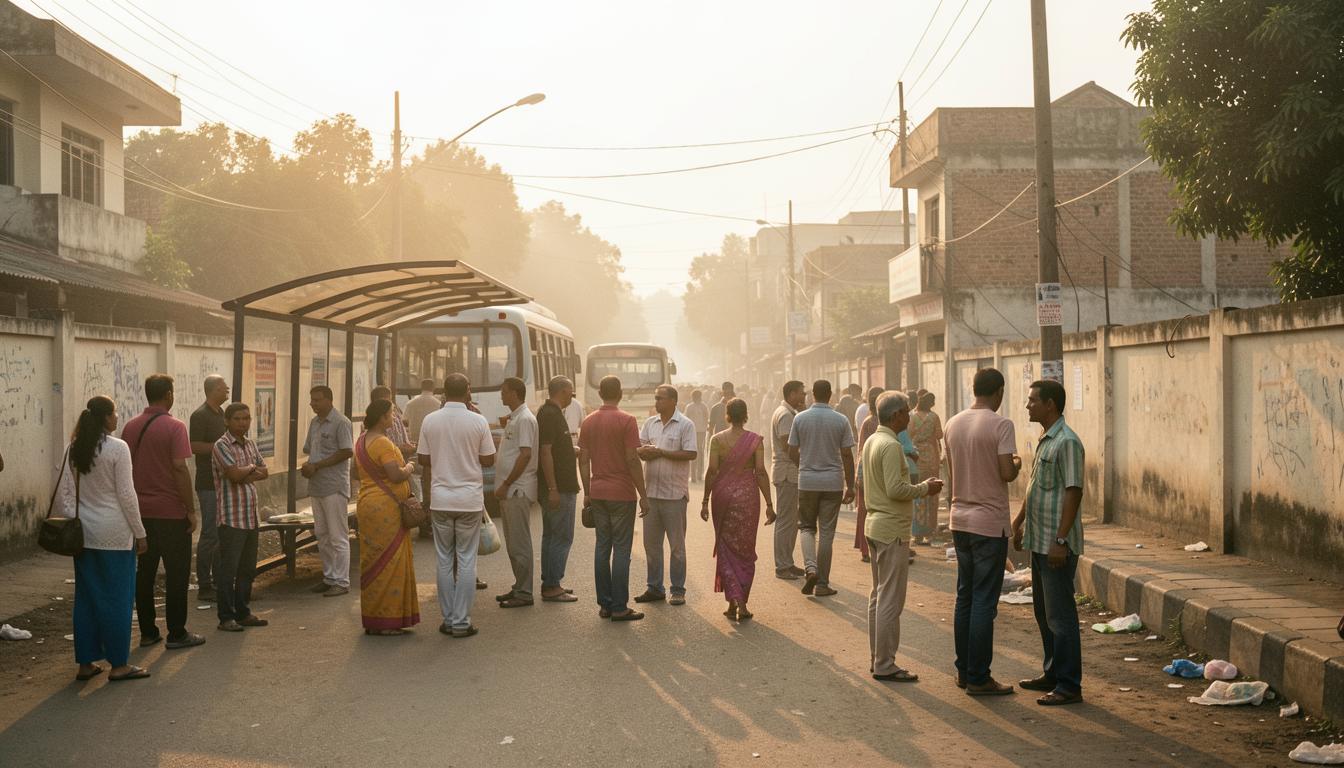
আপনার নতুন অর্জিত জ্ঞান বন্ধু, পরিবার এবং স্থানীয় সম্প্রদায়ের সাথে ভাগ করুন। পাবলিক মিটিংয়ে অংশগ্রহণ করুন এবং স্থানীয় সিদ্ধান্ত গ্রহণকারীদের সাথে যুক্ত হন।
- 3
ধাপ ৩: সংরক্ষণ সংস্থাগুলোকে সমর্থন করুন
মেক্সিকান গ্রে উলফ পুনরুদ্ধারে নিবেদিত সংস্থাগুলোতে, যেমন সেন্টার ফর বায়োলজিক্যাল ডাইভার্সিটি বা ডিফেন্ডারস অফ ওয়াইল্ডলাইফ-এ দান করুন এবং স্বেচ্ছাসেবক হন।
- 4
ধাপ ৪: আবাসস্থল পর্যবেক্ষণ ও পুনরুদ্ধার করুন
আক্রমণাত্মক প্রজাতি অপসারণ, দেশীয় গাছপালা রোপণ এবং জল উৎস রক্ষণাবেক্ষণের মতো আবাসস্থল পর্যবেক্ষণ ও পুনরুদ্ধার কার্যক্রমে অংশগ্রহণ করুন।
- 5
ধাপ ৫: নীতি পরিবর্তনের পক্ষে ওকালতি করুন
মেক্সিকান গ্রে উলফ এবং তাদের আবাসস্থল রক্ষা করে এমন নীতির পক্ষে ওকালতি করুন, যেমন পুনরুদ্ধার প্রচেষ্টার জন্য বর্ধিত তহবিল এবং আবাসস্থল হ্রাস ও বিভক্তকরণের বিরুদ্ধে শক্তিশালী সুরক্ষা।
মেক্সিকান গ্রে উলফের জনসংখ্যা প্রবণতা
প্রায়শই জিজ্ঞাসিত প্রশ্ন
মেক্সিকান গ্রে উলফ পুনরুদ্ধারের বর্তমান অবস্থা কী?+
২০২১ সাল পর্যন্ত, বন্য অঞ্চলে আনুমানিক ১৮৬টি মেক্সিকান গ্রে উলফ রয়েছে, প্রধানত মার্কিন যুক্তরাষ্ট্রের নিউ মেক্সিকো এবং অ্যারিজোনা রাজ্যে, মেক্সিকোতে কিছু ব্যক্তি সহ। এটি উল্লেখযোগ্য অগ্রগতি হলেও, তারা এখনও গুরুতরভাবে বিপন্ন এবং অব্যাহত সংরক্ষণ প্রচেষ্টার প্রয়োজন।
পুনরুদ্ধার প্রচেষ্টার সময় আমি কীভাবে মেক্সিকান গ্রে উলফের সাথে নিরাপদে মিথস্ক্রিয়া করতে পারি?+
বন্যপ্রাণীর সাথে কাজ করার সময় নিরাপত্তা সর্বাগ্রে। সর্বদা স্থানীয় কর্তৃপক্ষ এবং সংরক্ষণ সংস্থাগুলোর নির্ধারিত নির্দেশিকা অনুসরণ করুন। এর মধ্যে নেকড়েদের থেকে নিরাপদ দূরত্ব বজায় রাখা, অ-হুমকিসূচক শারীরিক ভাষা ব্যবহার করা এবং যেসব এলাকায় নেকড়েদের শিকার বা গর্ত থাকতে পারে সেগুলো এড়িয়ে চলা অন্তর্ভুক্ত থাকতে পারে।
বন্য অঞ্চলে আমি যদি একটি মেক্সিকান গ্রে উলফের মুখোমুখি হই তাহলে কী করতে পারি?+
আপনি যদি বন্য অঞ্চলে একটি মেক্সিকান গ্রে উলফের মুখোমুখি হন, তবে এটির কাছে যাবেন না। নিরাপদ দূরত্ব থেকে পর্যবেক্ষণ করুন এবং স্থানীয় কর্তৃপক্ষ বা সংরক্ষণ সংস্থাগুলোতে আপনার দেখা রিপোর্ট করুন। এই তথ্য বন্য জনসংখ্যা পর্যবেক্ষণ এবং পুনরুদ্ধার প্রচেষ্টার সাফল্য মূল্যায়নের জন্য অত্যন্ত গুরুত্বপূর্ণ।