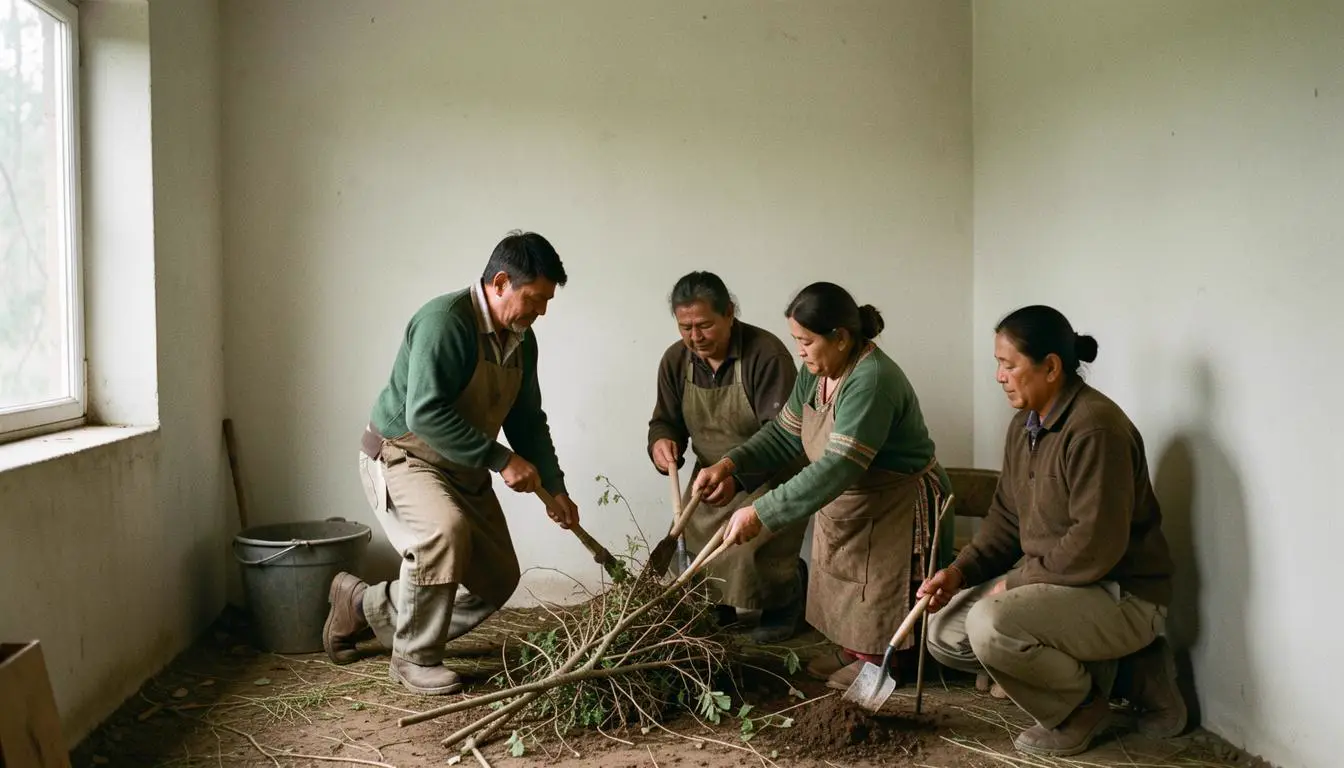
বিশ্বজুড়ে আদিবাসী সম্প্রদায়, ইউরোপের সম্প্রদায়গুলি সহ, জীববৈচিত্র্য সংরক্ষণ এবং জলবায়ু পরিবর্তন মোকাবেলার জন্য অমূল্য জ্ঞান ও অনুশীলন ধারণ করে। এই বিশ্ব পরিবেশ দিবসে, আমরা ইইউ নিয়ন্ত্রক প্রসঙ্গে আদিবাসী নেতৃত্বাধীন সংরক্ষণের গুরুত্বপূর্ণ ভূমিকা এবং এই প্রচেষ্টাগুলিকে সমর্থন করার জন্য আপনি নিতে পারেন এমন পাঁচটি পদক্ষেপ অন্বেষণ করি।
ইইউ সংরক্ষণে আদিবাসী জনগণের জ্ঞান ও অধিকারের গুরুত্ব স্বীকার করে। ইইউ জীববৈচিত্র্য কৌশল ২০৩০ এবং ইইউ গ্রিন ডিল অন্তর্ভুক্তিমূলক ও ন্যায়সঙ্গত সংরক্ষণ নীতির উপর জোর দেয় যা আদিবাসী অধিকারকে সম্মান করে এবং সিদ্ধান্ত গ্রহণের প্রক্রিয়ায় আদিবাসী সম্প্রদায়কে জড়িত করে।
কেন আদিবাসী নেতৃত্বাধীন সংরক্ষণ এখন গুরুত্বপূর্ণ
জীববৈচিত্র্য হ্রাস এবং জলবায়ু পরিবর্তন মানব সমাজ ও বাস্তুতন্ত্র উভয়ের জন্যই অস্তিত্বগত হুমকি সৃষ্টি করে। আদিবাসী সম্প্রদায়, যারা সরাসরি তাদের পরিবেশের স্বাস্থ্যের উপর নির্ভরশীল, জীববৈচিত্র্য রক্ষা এবং জলবায়ু পরিবর্তন মোকাবেলায় অগ্রভাগে রয়েছে। তাদের অনন্য জ্ঞান ও অনুশীলন সংরক্ষণ এবং জলবায়ু সহনশীলতার জন্য গুরুত্বপূর্ণ অন্তর্দৃষ্টি ও সমাধান প্রদান করতে পারে।
| আদিবাসী সম্প্রদায় | অঞ্চল | সংরক্ষণ প্রচেষ্টা |
|---|---|---|
| সামি | উত্তর ইউরোপ | রেইনডিয়ার পালন, পরিবেশগত স্বাস্থ্য পর্যবেক্ষণ |
| রোমানি | মধ্য ও পূর্ব ইউরোপ | বন সংরক্ষণ, সাংস্কৃতিক ঐতিহ্য সংরক্ষণ |
| সর্বিয়ান | মধ্য ইউরোপ | টেকসই কৃষি, সাংস্কৃতিক ল্যান্ডস্কেপ সংরক্ষণ |
বিশ্ব পরিবেশ দিবসের জন্য পাঁচটি পদক্ষেপ
কীভাবে আদিবাসী সংরক্ষণ প্রচেষ্টাকে সমর্থন করবেন
- 1
১. শিখুন
আপনার অঞ্চলের আদিবাসী সম্প্রদায় এবং সংরক্ষণ প্রচেষ্টা সম্পর্কে নিজেকে শিক্ষিত করুন।
- 2
২. সমর্থন করুন
আপনার সহকর্মীদের মধ্যে সচেতনতা বৃদ্ধি করে এবং অন্তর্ভুক্তিমূলক নীতির পক্ষে ওকালতি করে আদিবাসী অধিকার ও সংরক্ষণ উদ্যোগকে সমর্থন করুন।
- 3
৩. অংশগ্রহণ করুন
স্থানীয় সংরক্ষণ উদ্যোগ এবং স্বেচ্ছাসেবী কার্যক্রমে জড়িত হন যা আদিবাসী নেতৃত্বাধীন সংরক্ষণকে সমর্থন করে।
- 4
৪. দান করুন
আদিবাসী সংস্থা এবং সংরক্ষণ প্রকল্পগুলিকে আর্থিকভাবে সমর্থন করুন, তাদের গুরুত্বপূর্ণ কাজ চালিয়ে যেতে সক্ষম করে।
- 5
৫. শুনুন
আপনার নেটওয়ার্কের সাথে তাদের গল্প, জ্ঞান এবং অভিজ্ঞতা শেয়ার করে আদিবাসী কণ্ঠস্বরকে প্রসারিত করুন।
“আদিবাসী জনগণ তাদের জমি ও সম্পদের সর্বোত্তম রক্ষক। তাদের সম্পৃক্ততা কেবল ন্যায়বিচারের বিষয় নয়; এটি কার্যকারিতার বিষয়।”
প্রায়শই জিজ্ঞাসিত প্রশ্ন
প্রায়শই জিজ্ঞাসিত প্রশ্ন
আদিবাসী সংরক্ষণকে সমর্থন করা কীভাবে জলবায়ু পরিবর্তন মোকাবেলায় সাহায্য করে?+
আদিবাসী সম্প্রদায় প্রায়শই ঐতিহ্যবাহী অনুশীলন ব্যবহার করে যা বাস্তুতন্ত্রের স্থিতিস্থাপকতা এবং কার্বন সঞ্চয় বৃদ্ধি করে, যেমন টেকসই সম্পদ ব্যবস্থাপনা এবং বৈচিত্র্যময় বাস্তুতন্ত্র বজায় রাখা।
ইইউতে আদিবাসী নেতৃত্বাধীন সংরক্ষণের কিছু সফল উদাহরণ কী কী?+
উত্তর ইউরোপের সামি রেইনডিয়ার পালনকারী সম্প্রদায়গুলি স্থানীয় কর্তৃপক্ষ এবং বিজ্ঞানীদের সাথে সহযোগিতার মাধ্যমে তাদের পূর্বপুরুষের জমি ও সাংস্কৃতিক অনুশীলন সফলভাবে সংরক্ষণ করেছে। একইভাবে, মধ্য ও পূর্ব ইউরোপের রোমানি জনগণ বন ও সাংস্কৃতিক ঐতিহ্য সংরক্ষণে গুরুত্বপূর্ণ ভূমিকা পালন করেছে।
আমি কীভাবে আমার অঞ্চলে আদিবাসী নেতৃত্বাধীন সংরক্ষণ উদ্যোগ খুঁজে পেতে পারি?+
আদিবাসী অধিকার এবং সংরক্ষণের উপর দৃষ্টি নিবদ্ধ করে স্থানীয় ও আন্তর্জাতিক সংস্থাগুলি দেখুন, যেমন প্রকৃতি সংরক্ষণের জন্য আন্তর্জাতিক ইউনিয়ন (আইইউসিএন) এবং বিশ্ব বন্যপ্রাণী তহবিল (ডব্লিউডব্লিউএফ)। তারা প্রায়শই আদিবাসী নেতৃত্বাধীন সংরক্ষণ প্রচেষ্টার সাথে জড়িত হওয়ার জন্য সম্পদ এবং সুযোগ প্রদান করে।