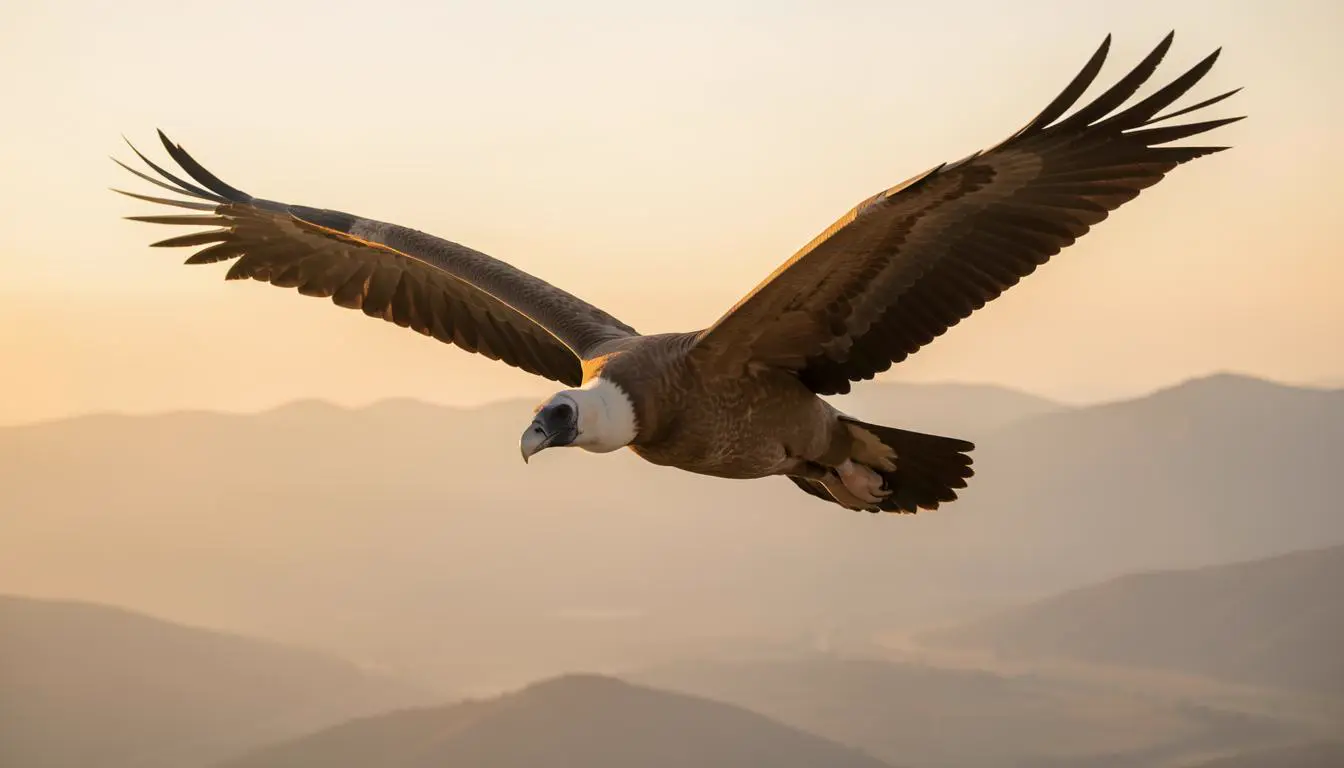
ক্যালিফোর্নিয়া কন্ডোর, একসময় বিলুপ্তির দ্বারপ্রান্তে দাঁড়িয়ে, একটি আশ্চর্যজনক প্রত্যাবর্তন করেছে। আজ, এর জনসংখ্যা প্রায় ৫০০-এ দাঁড়িয়েছে, যার মধ্যে ৩০০-এর বেশি পাখি প্রাকৃতিক পরিবেশে অবাধে উড়ছে। এই অসাধারণ সাফল্যের গল্পটি নিবেদিত সংরক্ষণ প্রচেষ্টার প্রমাণ, এবং শিক্ষার্থীরা তাদের সৃজনশীলতা এবং উৎসাহ নিয়ে সীমিত বাজেটে এই অগ্রগতি অব্যাহত রাখতে গুরুত্বপূর্ণ ভূমিকা পালন করতে পারে।
ক্যালিফোর্নিয়া কন্ডোরের পুনরুদ্ধারের পথ শুরু হয়েছিল একটি হতাশাজনক পরিস্থিতি দিয়ে। ১৯৮০-এর দশকে, প্রাকৃতিক পরিবেশে মাত্র ২২টি পাখি টিকে ছিল, যা দক্ষিণ ক্যালিফোর্নিয়ার উপকূলীয় পর্বতমালায় বাস করত। তাদের পতনের কারণগুলি জটিল ছিল, তবে সীসা বিষক্রিয়া, আবাসস্থল হ্রাস এবং কম প্রজনন হার ছিল প্রধান কারণ।
কীভাবে সংরক্ষণ প্রচেষ্টা কন্ডোরকে বিলুপ্তির দ্বারপ্রান্ত থেকে ফিরিয়ে এনেছে?
ইউ.এস. ফিশ অ্যান্ড ওয়াইল্ডলাইফ সার্ভিস, অংশীদার সংস্থাগুলির সাথে, একটি উচ্চাকাঙ্ক্ষী পুনরুদ্ধার পরিকল্পনা চালু করেছিল। এই পরিকল্পনাটি বন্দী প্রজনন, সীসা হ্রাস এবং আবাসস্থল পুনরুদ্ধারের উপর কেন্দ্রীভূত ছিল। জীববিজ্ঞানীরা অবশিষ্ট পাখিগুলিকে ধরে ফেলেন এবং চিড়িয়াখানা ও বন্যপ্রাণী কেন্দ্রগুলিতে একটি প্রজনন কর্মসূচি প্রতিষ্ঠিত হয়। একই সাথে, জনশিক্ষা প্রচারণা কন্ডোরের মুখোমুখি হুমকি এবং সংরক্ষণের গুরুত্ব সম্পর্কে সচেতনতা বাড়িয়েছে।
| বছর | বন্য জনসংখ্যা | বন্দী জনসংখ্যা |
|---|---|---|
| 1992 | 22 | 15 |
| 2002 | 47 | 73 |
| 2012 | 177 | 143 |
| 2021 | 341 | 161 |
“ক্যালিফোর্নিয়া কন্ডোরের পুনরুদ্ধার একটি প্রমাণ যে নিবেদিত সংরক্ষণ প্রচেষ্টা, বৈজ্ঞানিক গবেষণা এবং জনসমর্থন একত্রিত হলে কী অর্জন করা যায়।”
শিক্ষার্থীরা কীভাবে সীমিত বাজেটে কন্ডোর সংরক্ষণে অবদান রাখতে পারে?
যদিও তহবিল এবং সম্পদ সীমিত হতে পারে, শিক্ষার্থীরা এখনও একটি উল্লেখযোগ্য প্রভাব ফেলতে পারে। কন্ডোর সংরক্ষণ সমর্থন করার জন্য এখানে কিছু সাশ্রয়ী উপায় দেওয়া হল:
ছাত্র বাজেটে ক্যালিফোর্নিয়া কন্ডোর সংরক্ষণ কীভাবে সমর্থন করবেন
- 1
স্বেচ্ছাসেবা
আবাসস্থল পুনরুদ্ধার, পর্যবেক্ষণ এবং জনশিক্ষায় সহায়তা করার জন্য স্থানীয় সংরক্ষণ সংস্থাগুলির সাথে স্বেচ্ছাসেবা করুন।
- 2
ওকালতি
কন্ডোর আবাসস্থল রক্ষা এবং দায়িত্বশীল সম্পদ ব্যবস্থাপনা প্রচার করে এমন নীতির পক্ষে ওকালতি করুন।
- 3
সৃজনশীলভাবে তহবিল সংগ্রহ করুন
কন্ডোর সংরক্ষণ কর্মসূচি সমর্থন করার জন্য বেক সেল, গাড়ি ধোয়া বা দাতব্য অনুষ্ঠানের মতো তহবিল সংগ্রহকারী অনুষ্ঠানের আয়োজন করুন।
- 4
শিক্ষিত করুন
ক্যালিফোর্নিয়া কন্ডোরের দুর্দশা এবং সংরক্ষণের গুরুত্ব সম্পর্কে সচেতনতা বাড়াতে পোস্টার, সোশ্যাল মিডিয়া ক্যাম্পেইন বা স্কুল উপস্থাপনার মতো শিক্ষামূলক সামগ্রী তৈরি করুন।
সাফল্যের গল্প: প্রাকৃতিক পরিবেশে উন্নতি করছে কন্ডোর
আজ, ক্যালিফোর্নিয়া কন্ডোরকে ক্যালিফোর্নিয়া, অ্যারিজোনা এবং উটাহের আকাশে উড়তে দেখা যায়। প্রাকৃতিক পরিবেশে তাদের প্রত্যাবর্তন আশার প্রতীক এবং সম্মিলিত প্রচেষ্টার শক্তির প্রমাণ। শিক্ষার্থীরা, তাদের উৎসাহ এবং সম্পদশীলতার সাথে, এই গতি বজায় রাখতে এবং এই মহৎ পাখিগুলির জন্য একটি ভবিষ্যত সুরক্ষিত করতে সহায়তা করতে পারে।
সচরাচর জিজ্ঞাসিত প্রশ্ন
আজ ক্যালিফোর্নিয়া কন্ডোরের জন্য প্রাথমিক হুমকি কী?+
সীসা বিষক্রিয়া, প্রাথমিকভাবে শিকারের গুলি থেকে, ক্যালিফোর্নিয়া কন্ডোরের জন্য সবচেয়ে বড় হুমকি রয়ে গেছে। আবাসস্থল হ্রাস এবং কম প্রজনন হারও চ্যালেঞ্জ তৈরি করে।
ক্যালিফোর্নিয়া কন্ডোর এবং এর সংরক্ষণ সম্পর্কে আমি কীভাবে আরও জানতে পারি?+
বিস্তৃত তথ্য এবং সম্পদের জন্য ইউ.এস. ফিশ অ্যান্ড ওয়াইল্ডলাইফ সার্ভিসের ক্যালিফোর্নিয়া কন্ডোর ওয়েবপেজ বা ক্যালিফোর্নিয়া কন্ডোর পার্টনারশিপ দেখুন।
ক্যালিফোর্নিয়া কন্ডোরের জন্য আমি কী করতে পারি?+
শিক্ষার্থীরা কন্ডোর সংরক্ষণের গুরুত্ব সম্পর্কে স্বেচ্ছাসেবা, ওকালতি, তহবিল সংগ্রহ এবং অন্যদের শিক্ষিত করতে পারে। কন্ডোরের অসাধারণ প্রত্যাবর্তন বজায় রাখতে প্রতিটি প্রচেষ্টাই গুরুত্বপূর্ণ।