West African governments significantly support factory farming through substantial subsidies, shaping the region's agricultural landscape and food security. This article explores the extent and impact of these subsidies, and potential reform pathways.
In West Africa, factory farming has expanded rapidly, driven in part by government subsidies. These financial incentives, intended to boost agricultural production and food security, have significant impacts on the region's food system.
How Much do West African Governments Subsidize Factory Farming?
West African governments allocated an estimated $2.5 billion in subsidies to factory farming in 2023, according to the Food and Agriculture Organization (FAO, 2023). This represents a significant portion of total agricultural subsidies, which reached $5.3 billion in the same year.
Subsidies to Factory Farming in West Africa (2015-2023)
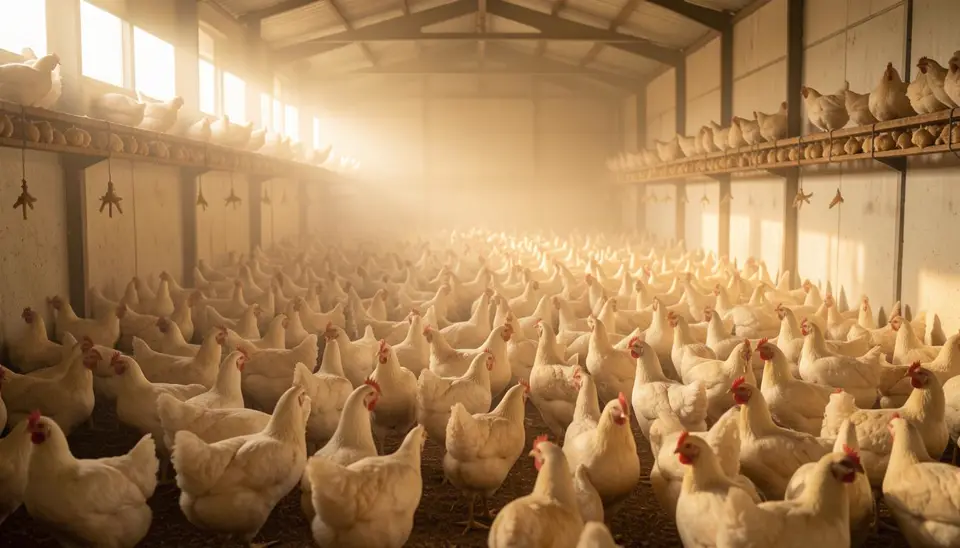
These subsidies primarily support the poultry, livestock, and aquaculture sectors, which have seen significant growth in recent decades. However, critics argue that these financial incentives distort markets, favoring large-scale producers over smallholders.
“Subsidies are supposed to support agriculture, but they often end up benefiting large corporations at the expense of small-scale farmers and the environment.”
The Impact of Subsidies on West African Food Security
While subsidies have contributed to increased agricultural production, their impact on food security is complex. On one hand, they have helped to lower food prices and improve access to nutritious foods. On the other, they have also contributed to environmental degradation and increased inequality.
| Sector | Environmental Impact |
|---|---|
| Poultry | Water pollution, land use change |
| Livestock | Greenhouse gas emissions, land degradation |
| Aquaculture | Eutrophication, loss of biodiversity |
Reforming Subsidies for Sustainable Agriculture
Given the complex impacts of current subsidies, many experts argue that reform is needed. One approach is to shift support towards sustainable, small-scale agriculture, which can improve food security, reduce environmental impact, and increase rural incomes.
Such reforms would require political will and careful planning. However, they could help West African countries to achieve their goals of food security, poverty reduction, and sustainable development.
Frequently asked questions
What are the main challenges in reforming subsidies?+
Challenges include political resistance from beneficiary industries, lack of data on subsidy recipients, and the need to avoid negatively impacting food prices and access.
How can the shift towards sustainable agriculture be supported?+
Policies can support sustainable agriculture through targeted research, farmer training, access to credit, and investments in infrastructure like irrigation and renewable energy.