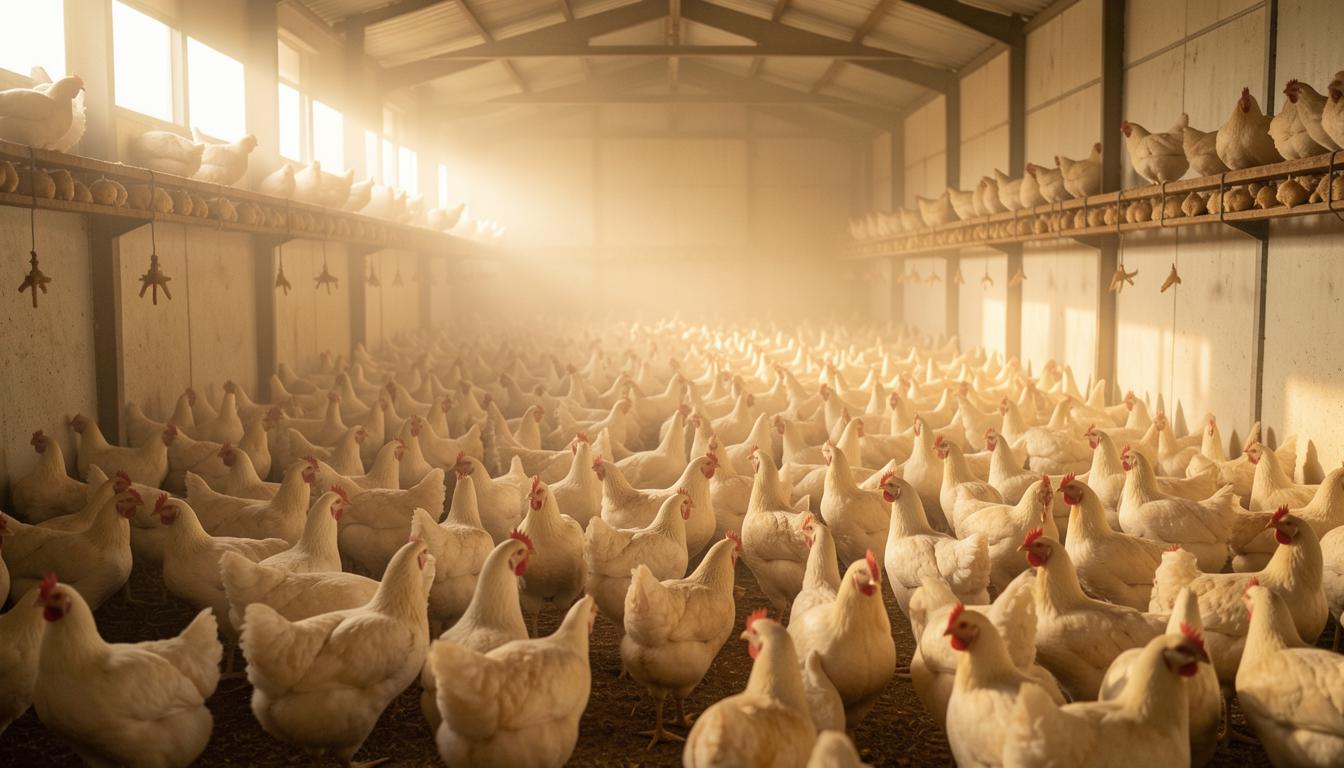
Cattle feedlots, a staple of industrial animal agriculture, have long been the subject of controversy. But what's the truth behind the claims? We've put them under the microscope in this red team stress test.
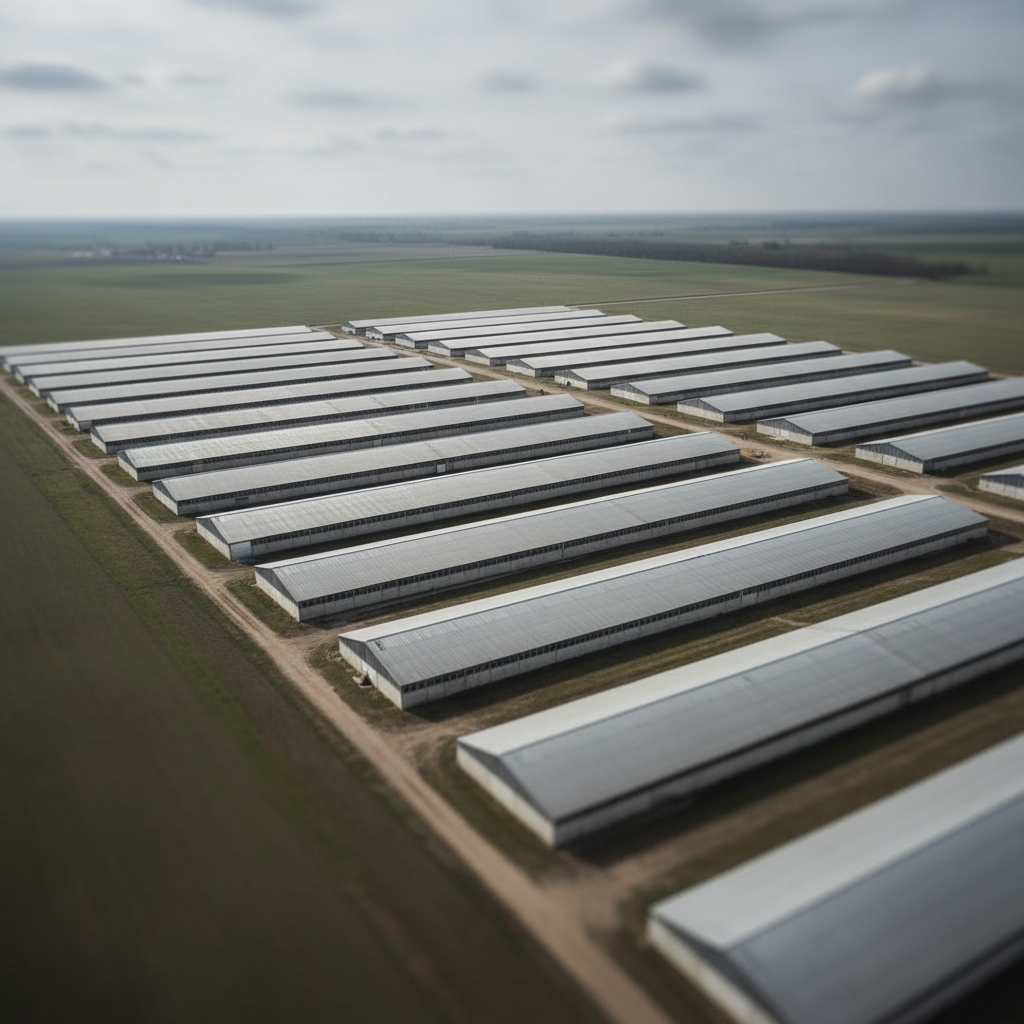
The environmental impact of cattle feedlots is significant. According to the United Nations, livestock production is responsible for 14.5% of global greenhouse gas emissions. A significant portion of these emissions come from feedlots, where cattle are concentrated in large numbers.
| Parameter | Feedlot (kg CO2 eq) | Pasture-based (kg CO2 eq) |
|---|---|---|
| Land use change | 7.5 | 2.2 |
| Emissions | 2.6 | 0.5 |
| Total | 10.1 | 2.7 |
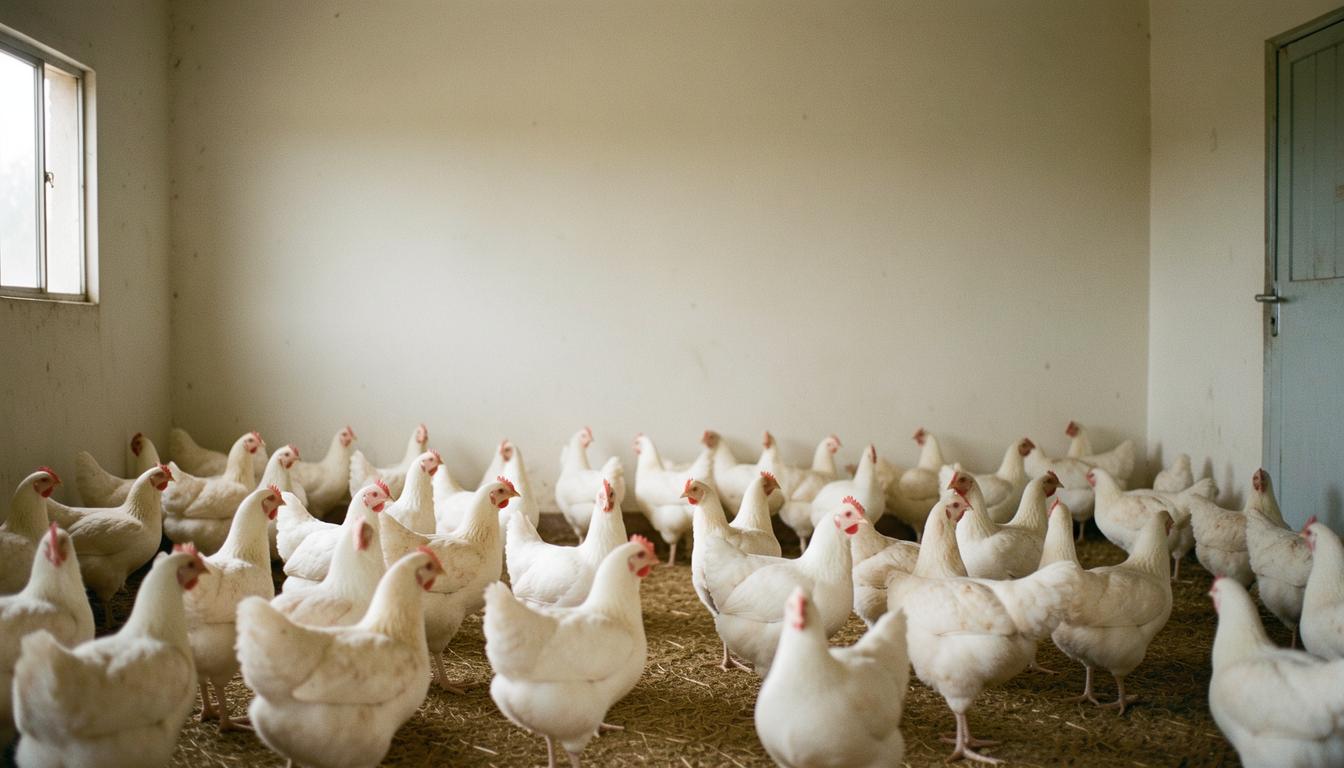
Animal welfare in feedlots is a major concern. Cattle are often kept in overcrowded conditions, leading to stress and increased risk of disease. The use of growth hormones and antibiotics is common, further exacerbating animal health issues.
“The welfare of animals in feedlots is often poor. Overcrowding, stress, and disease are common. The use of hormones and antibiotics further exacerbates these issues.”
Worker conditions in feedlots are often poor. Long hours, physically demanding work, and high injury rates are common. A 2019 study by the National Institute for Occupational Safety and Health found that feedlot workers had some of the highest injury rates in the agriculture industry.
Injury rates in the agriculture industry, 2018
Myths about feedlots persist, despite evidence to the contrary. The claim that feedlots are more efficient than pasture-based systems is often made, but data shows that pasture-based systems can be more efficient in terms of land use and emissions.
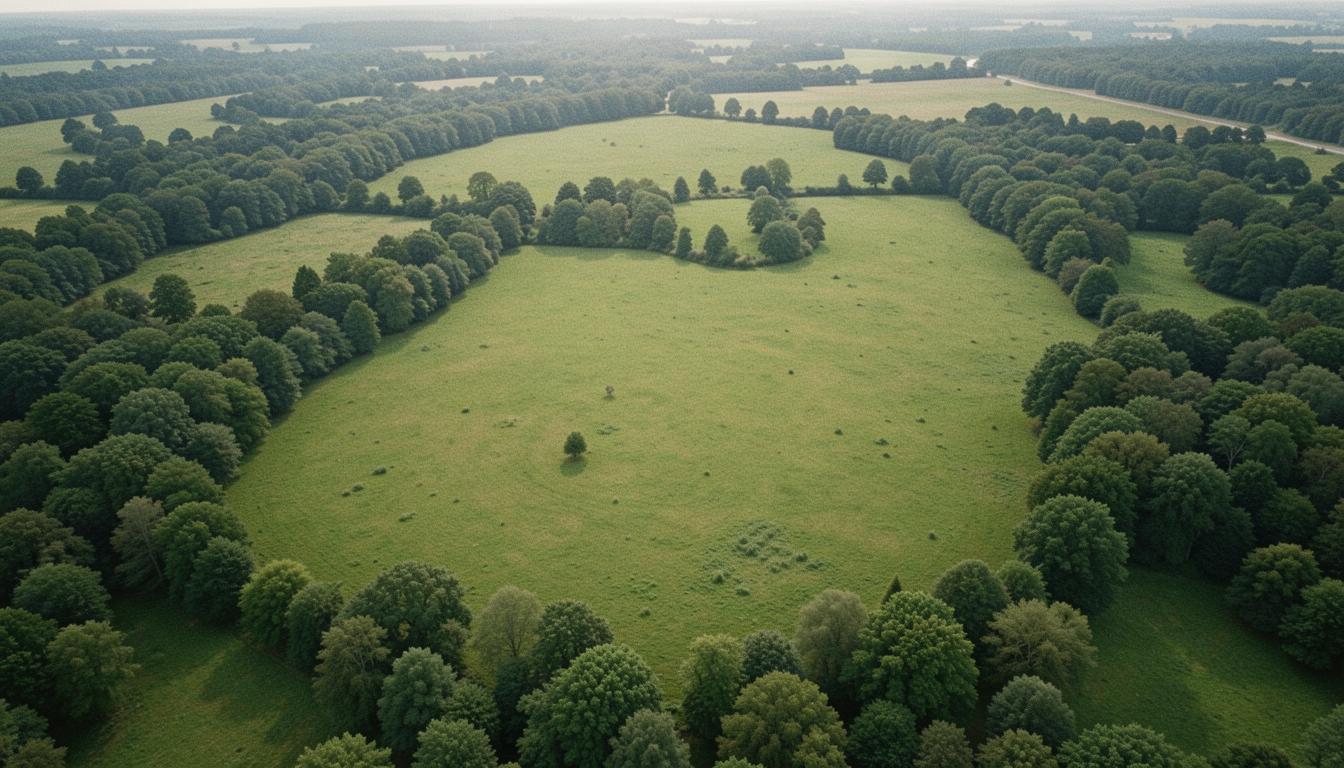
Alternatives to feedlots, such as regenerative agriculture and pasture-based systems, have potential benefits for the environment, animal welfare, and human health. These systems can sequester carbon, improve soil health, and reduce greenhouse gas emissions.
Frequently asked questions
What are the main environmental impacts of cattle feedlots?+
Feedlots have significant environmental impacts, including greenhouse gas emissions, water pollution, and land use change.
What are the main animal welfare concerns in feedlots?+
Overcrowding, stress, and disease are common in feedlots, as well as the use of growth hormones and antibiotics.
What are the main worker conditions in feedlots?+
Worker conditions in feedlots are often poor, with long hours, physically demanding work, and high injury rates.
What are some common myths about cattle feedlots?+
Myths about feedlots include their efficiency, benefits to the economy, and lack of environmental impact.