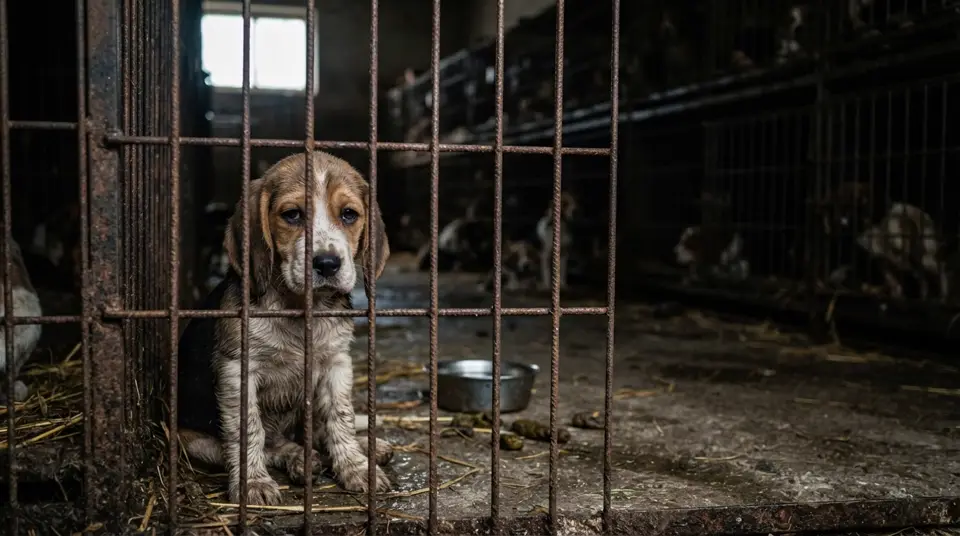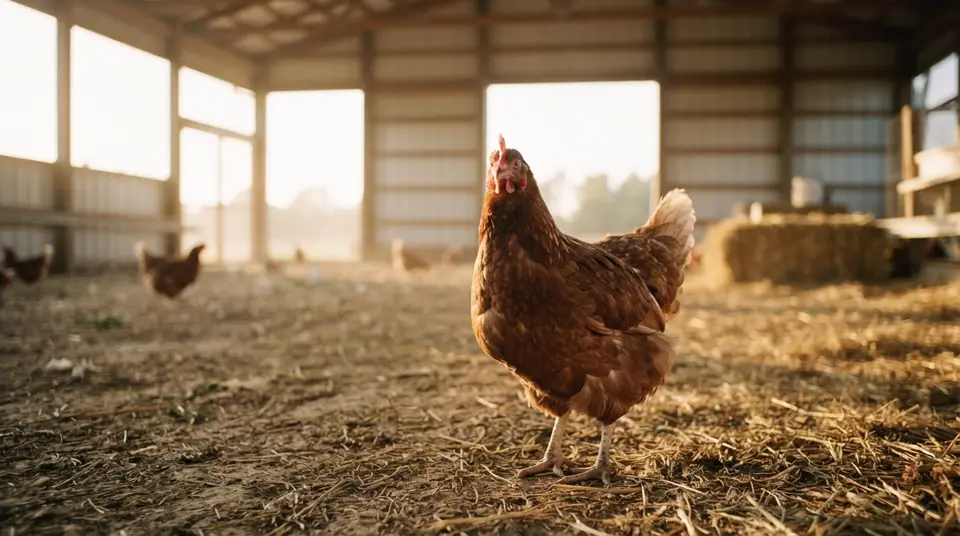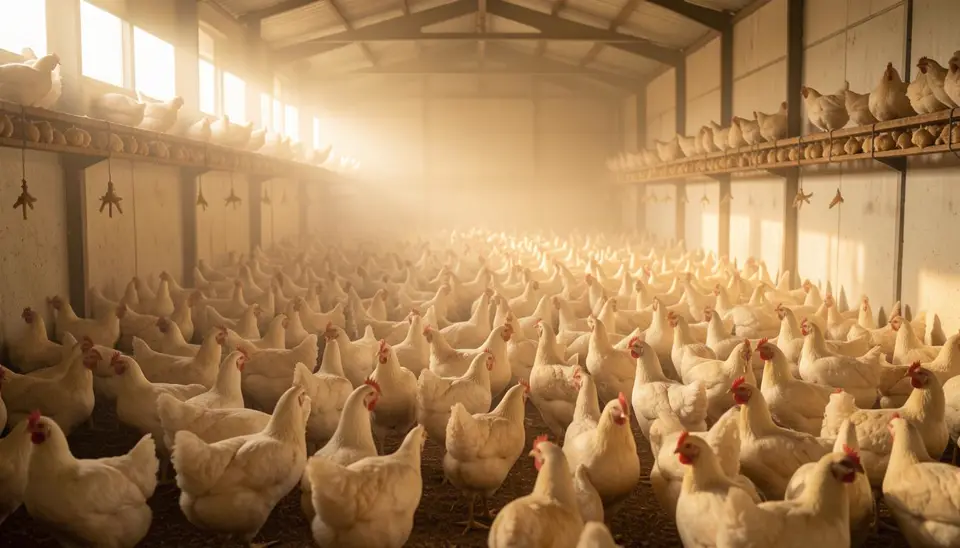
Beak trimming in poultry farming is a common practice that involves cutting off part of a bird's beak to prevent pecking and cannibalism. However, undercover investigations have revealed the cruel and inhumane nature of this practice, leading one farmer to transition away from animal agriculture to mushroom farming.
Beak trimming is a standard practice in many poultry farms worldwide. However, undercover investigations have shown the painful and stressful nature of this procedure for the birds. The trimmed beaks can become infected, and the birds may have difficulty eating and drinking.
“The pain from beak trimming can last for weeks, and the birds may suffer from chronic pain for the rest of their lives. This is a clear example of the cruelty inherent in factory farming.”
One poultry farmer, after watching an undercover investigation, decided to transition away from animal agriculture. He chose to shift his factory to mushroom farming, a more sustainable and cruelty-free alternative.
The decision to transition
The farmer, who wished to remain anonymous, said, 'I couldn't ignore what I had seen. I knew I had to make a change.' He decided to convert his poultry farm into a mushroom farm, a decision that would benefit both the environment and the animals.
Mushroom farming requires less land and water than poultry farming, and it produces less waste. Additionally, it does not involve the suffering of animals, making it a more ethical choice.
The transition process
The transition from poultry farming to mushroom farming involves several steps. The first is to clean and sanitize the farm, removing any traces of animal waste and disinfecting the facility. Then, the farmer installs grow trays and climate control systems to facilitate mushroom growth.
| Resource | Poultry Farming | Mushroom Farming |
|---|---|---|
| Land (acres) | 5-10 | 1-2 |
| Water (gallons/pound of meat) | 4-5 | 1-2 |
| Feed (pounds/pound of meat) | 2-3 | 0.5-1 |
The farmer also needs to obtain mushroom spawn, which is a mass of mushroom mycelium used to initiate new mushroom growth. He then introduces the spawn to the grow trays and monitors the temperature, humidity, and air quality to ensure optimal mushroom growth.
Results of the transition
The transition to mushroom farming was successful, with the farmer now producing a variety of mushrooms for both local and international markets. He has seen an increase in profits, as well as a decrease in environmental impact.
Carbon footprint of poultry farming and mushroom farming
Moreover, the farmer has found that mushroom farming is less physically demanding than poultry farming, with less need for heavy lifting and early morning work.
What other farmers can learn from this transition
This farmer's story shows that it is possible to transition away from animal agriculture and find a more sustainable and ethical alternative. Mushroom farming is just one example of many plant-based alternatives that can replace animal agriculture.
Frequently asked questions
Is mushroom farming profitable?+
Yes, mushroom farming can be profitable, with a potential return on investment of up to 30% in the first year.
What are the challenges of transitioning to mushroom farming?+
Some challenges include learning the new farming techniques, ensuring consistent quality and supply, and navigating any regulatory or market barriers.
Can other types of farms transition to plant-based alternatives?+
Yes, there are many plant-based alternatives to animal agriculture, including crops like grains, legumes, and nuts, as well as plant-based milks and other products.