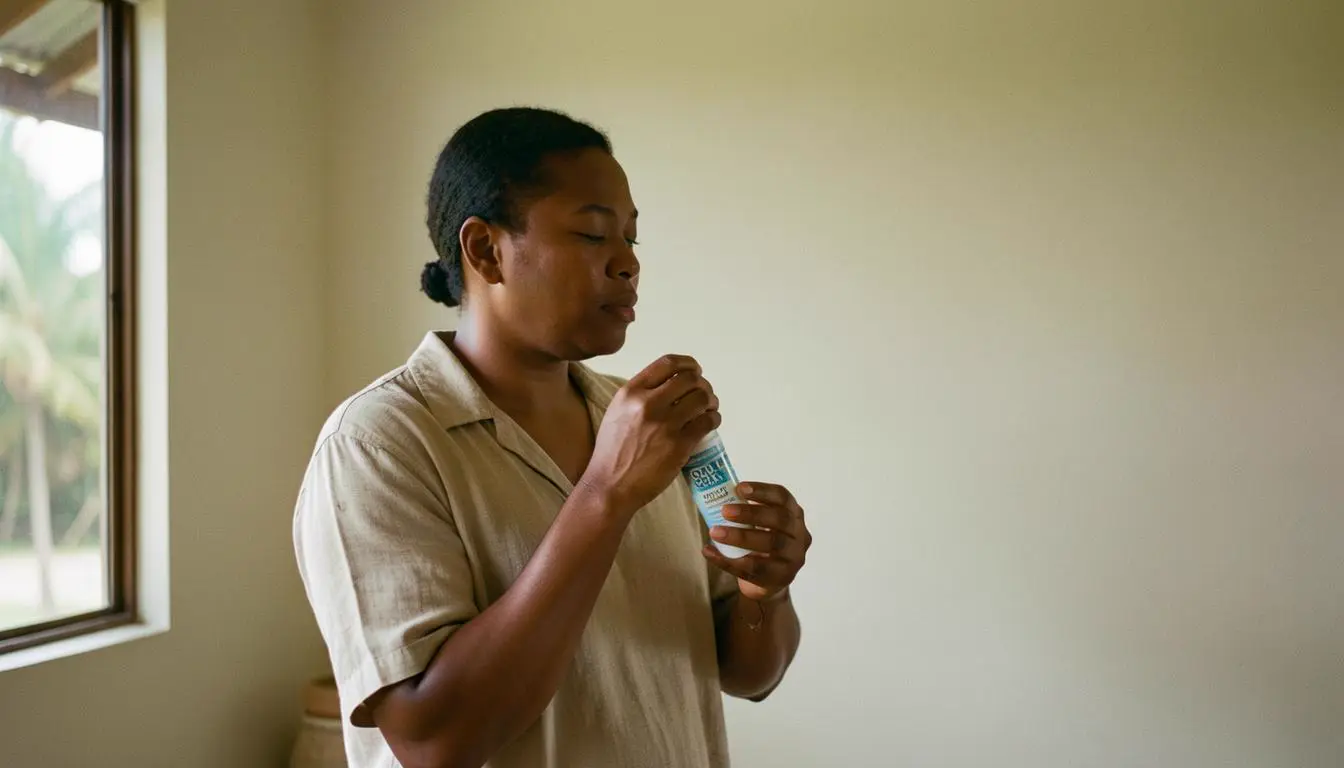
Are you a Pacific Islander worried about protecting your skin and the reefs? You're not alone. Reef-safe sunscreen is marketed as the eco-friendly choice, but what's the real price? Let's break down the true cost.
Reef-safe sunscreen typically comes at a premium price. A bottle can cost up to 30% more than conventional sunscreen. But is the higher sticker price the full story?
Sticker Price vs. Subsidies
Reef-safe sunscreen is more expensive due to higher production costs, but some governments and resorts offer subsidies to encourage eco-friendly choices.

Health Costs
Sun exposure causes skin cancer, making sunscreen a health necessity. However, chemical filters in conventional sunscreen may absorb into the bloodstream, with potential health impacts.
“The long-term effects of sunscreen ingredients on human health are not well understood, highlighting a knowledge gap that should be addressed through further research.”
Climate Costs
Manufacturing and transporting sunscreen contribute to greenhouse gas emissions, exacerbating climate change. Reef-safe products typically have lower carbon footprints, but the difference is not drastic.
Carbon Footprint of Sunscreen Manufacturing
Animal Welfare Costs
Reef-safe sunscreen uses no animal-derived ingredients, making it cruelty-free. However, the animal welfare impact of conventional sunscreen is minimal, as it primarily uses chemical filters derived from petroleum.
Labor Costs
Pacific Island countries often rely on imports for sunscreen. Local manufacturing can create jobs and stimulate economies, but setting up production facilities requires significant investment.
| Country | Local Manufacturing | Imports |
|---|---|---|
| Fiji | $5.00/kg | $3.50/kg |
| Samoa | $5.50/kg | $4.00/kg |
| Tonga | $6.00/kg | $4.50/kg |
Frequently asked questions
What are the best reef-safe sunscreen brands for Pacific Islanders?+
Brands like Hawaii-based Kokua Sun Care, Australian-made Biorepair, and local Pacific Island producers like Samoa's Va'ai Organic offer reef-safe options.
How can I reduce the climate impact of my sunscreen purchases?+
Buy in bulk, choose locally manufactured products, and consider the entire lifecycle of the product, from manufacturing to disposal.