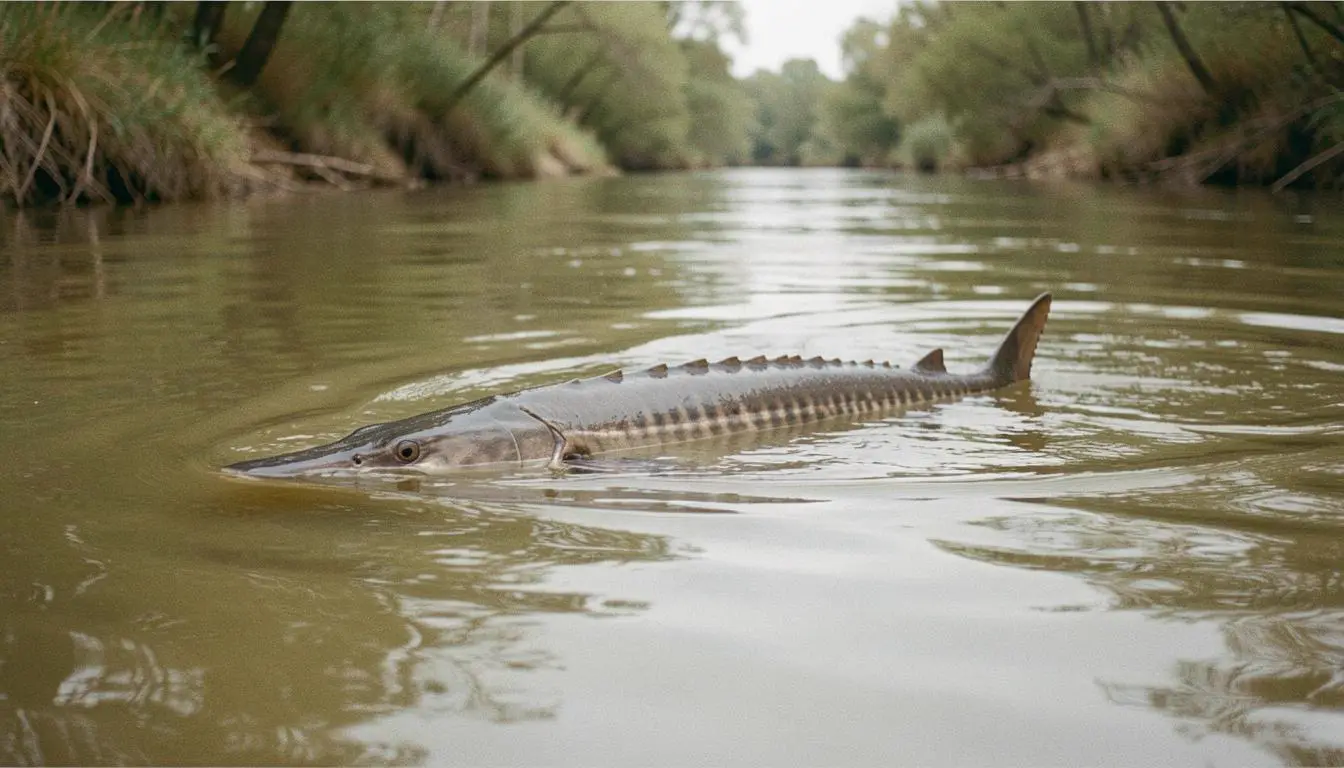
Did you know that sturgeon, the ancient fish species that has swum our rivers for over 200 million years, is now facing extinction due to human activities? The global sturgeon crisis, driven by overfishing, habitat destruction, and climate change, threatens 85% of sturgeon species. As a responsible traveler in the U.S., understanding the local sturgeon extinction risk and supporting conservation efforts can make a significant difference.
Understanding the global sturgeon extinction risk
Sturgeon extinction risk is a global concern, with 27 species listed as threatened or endangered by the IUCN. In the U.S., four sturgeon species are protected under the Endangered Species Act: the Gulf of Mexico sturgeon, Alabama sturgeon, Atlantic sturgeon, and shortnose sturgeon (U.S. Fish and Wildlife Service, 2023).
| Sturgeon species | IUCN status | U.S. status |
|---|---|---|
| Gulf of Mexico sturgeon | Critically Endangered | Endangered |
| Alabama sturgeon | Critically Endangered | Endangered |
| Atlantic sturgeon | Critically Endangered | Endangered |
| Shortnose sturgeon | Vulnerable | Endangered |
Threats to sturgeon and U.S. regulations
Overfishing and habitat destruction are the primary threats to sturgeon. Climate change further exacerbates these issues by altering river temperatures and hydrology. In the U.S., regulations like the Clean Water Act and Endangered Species Act aim to protect sturgeon, but enforcement challenges persist due to limited resources and political will.
“The Clean Water Act has been essential in protecting sturgeon habitats, but enforcement has been inconsistent. We need stronger, more consistent protections to ensure the survival of these ancient fish.”
Supporting sturgeon conservation through ethical travel
As a traveler, you can support sturgeon conservation by making informed choices. Visit wildlife sanctuaries and educational centers to learn about local sturgeon species and their habitats. Support sustainable sturgeon caviar production by purchasing from responsibly managed farms.
U.S. sturgeon populations by species
Frequently asked questions
What are the primary threats to sturgeon populations?+
Overfishing, habitat destruction, and climate change are the primary threats to sturgeon populations.
How can I tell if the caviar I'm buying is sustainably farmed?+
Look for caviar labeled as 'sustainably farmed' or 'responsibly harvested', and check for certifications such as the Marine Stewardship Council (MSC) or Aquaculture Stewardship Council (ASC) labels.
What can I do to support sturgeon conservation while traveling?+
Visit wildlife sanctuaries and educational centers, and make informed caviar purchasing decisions by supporting sustainable sturgeon caviar production.