Meet Rani, an Indian elephant who, against all odds, became the inspiration behind a thriving circular economy in her sanctuary. Her story is a testament to how one animal's survival can transform an entire ecosystem, reducing waste and conserving resources.
Rani's journey began when she was rescued from poachers and taken to a sanctuary in southern India. The sanctuary, initially struggling with waste management and resource scarcity, underwent a remarkable transformation thanks to Rani's influence.
Waste Reduction: Rani's Recycled Treasures
The sanctuary started by focusing on reducing waste. Instead of discarding old tires, they were repurposed into toys for Rani. This not only reduced waste but also provided Rani with enrichment activities, improving her overall well-being.
| Initiative | 2020 | 2023 |
|---|---|---|
| Tire recycling into toys | 50 tires | 200 tires |
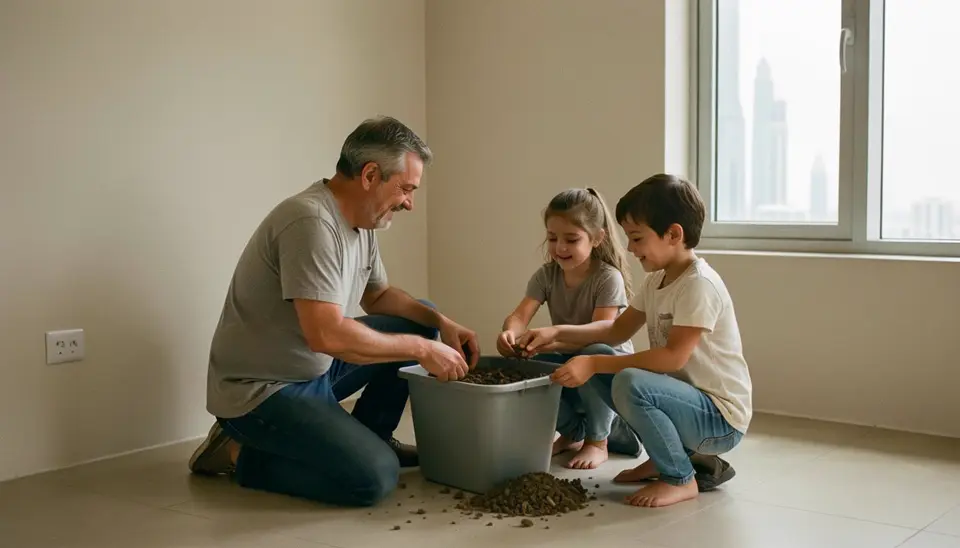
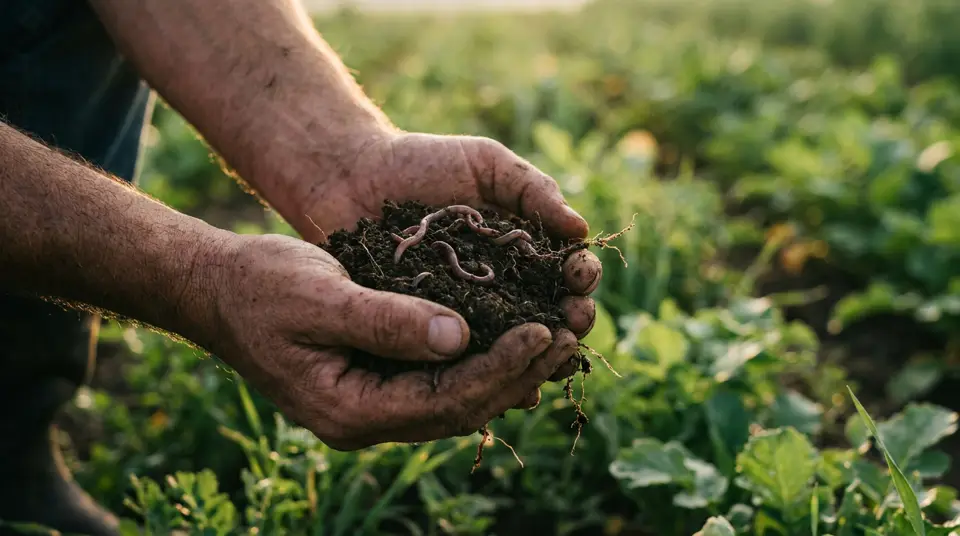
| Composting organic waste | 0 kg | 500 kg/week |
| Recycling plastic and paper | 200 kg | 1000 kg/month |
Resource Conservation: Powering the Sanctuary with Renewables
To conserve resources, the sanctuary shifted towards renewable energy sources. Solar panels and wind turbines were installed, reducing the sanctuary's reliance on fossil fuels. This not only conserved resources but also reduced the sanctuary's carbon footprint.
Renewable energy usage at Rani's sanctuary
“Rani's story is a beacon of hope, showing that circular economy principles can not only improve animal welfare but also create a sustainable and thriving ecosystem. - Dr. Meena Pillai, Sanctuary Director”
Community Engagement: Rani's Impact Beyond the Sanctuary
Rani's story has also inspired the local community to adopt circular economy practices. Schools and local businesses have started waste reduction and recycling initiatives, creating a ripple effect of sustainability.
Frequently asked questions
How can I help implement circular economy principles in my community?+
Start small, like a community clean-up or a recycling drive. Educate your community about the benefits of a circular economy. Collaborate with local businesses and schools to create a sustainable ecosystem.
What are some challenges in implementing a circular economy?+
Lack of infrastructure, consumer behavior, and legislative barriers are some challenges. However, with community engagement and policy advocacy, these hurdles can be overcome.