Do you often wonder if your efforts to reduce single-use plastic at home are really making a difference? Let's fact-check some common claims and uncover evidence-led strategies for a greener home in 2024.
The claim: 'Recycling solves the plastic problem.'
The claim: 'Switching to biodegradable or compostable products is the answer.'
The claim: 'Reducing plastic consumption at home doesn't make a significant impact.'
“Refusing single-use plastic is the most impactful action individuals can take to reduce waste. Recycling alone is not the solution.”
| Strategy | Potential Impact | Feasibility |
|---|---|---|
| Refusing SUPs | High | High |
| Recycling | Medium | Medium |
| Composting organic waste | Medium | High |
| Industrial composting | Low | Low |
Global plastic waste generation by sector in 2019
The best way to reduce single-use plastic at home is to refuse it. Here's how:
How to refuse single-use plastic
- 1
Invest in reusable items
Buy reusable water bottles, bags, containers, and cutlery.
- 2
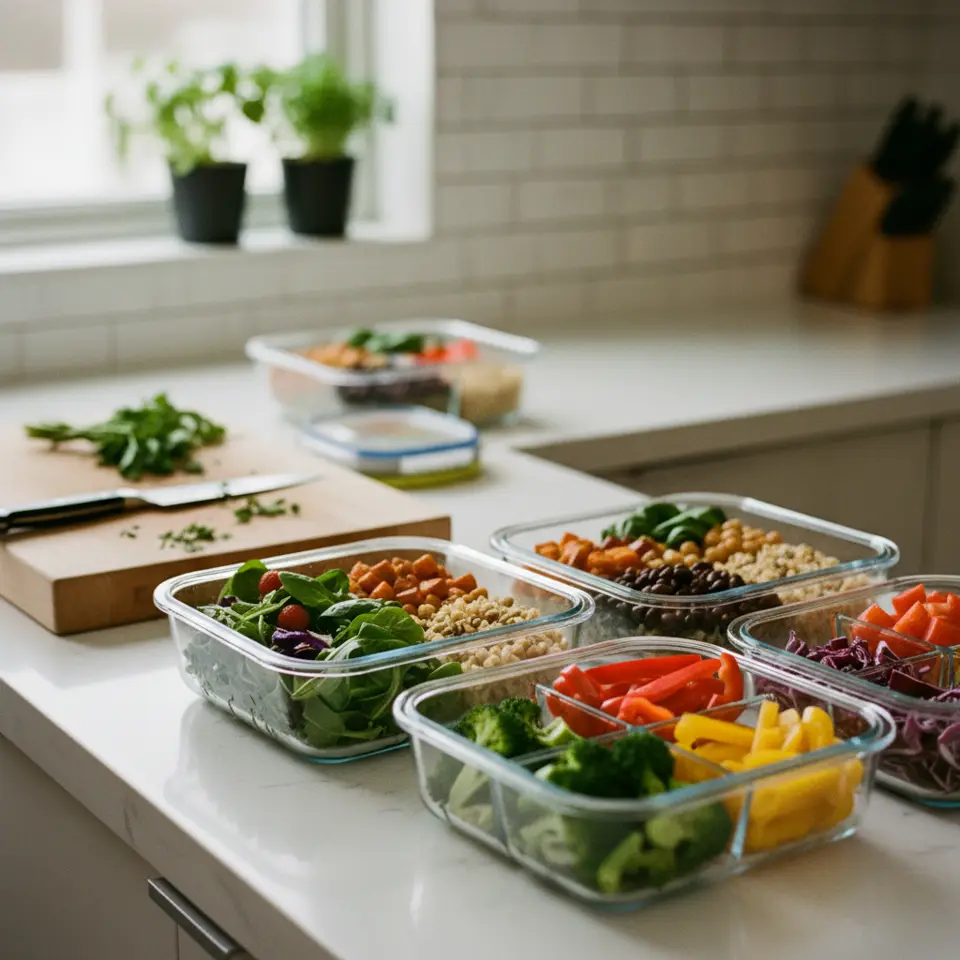
Plan ahead
Prepare meals and pack lunches using reusable containers.
- 3
Shop smart
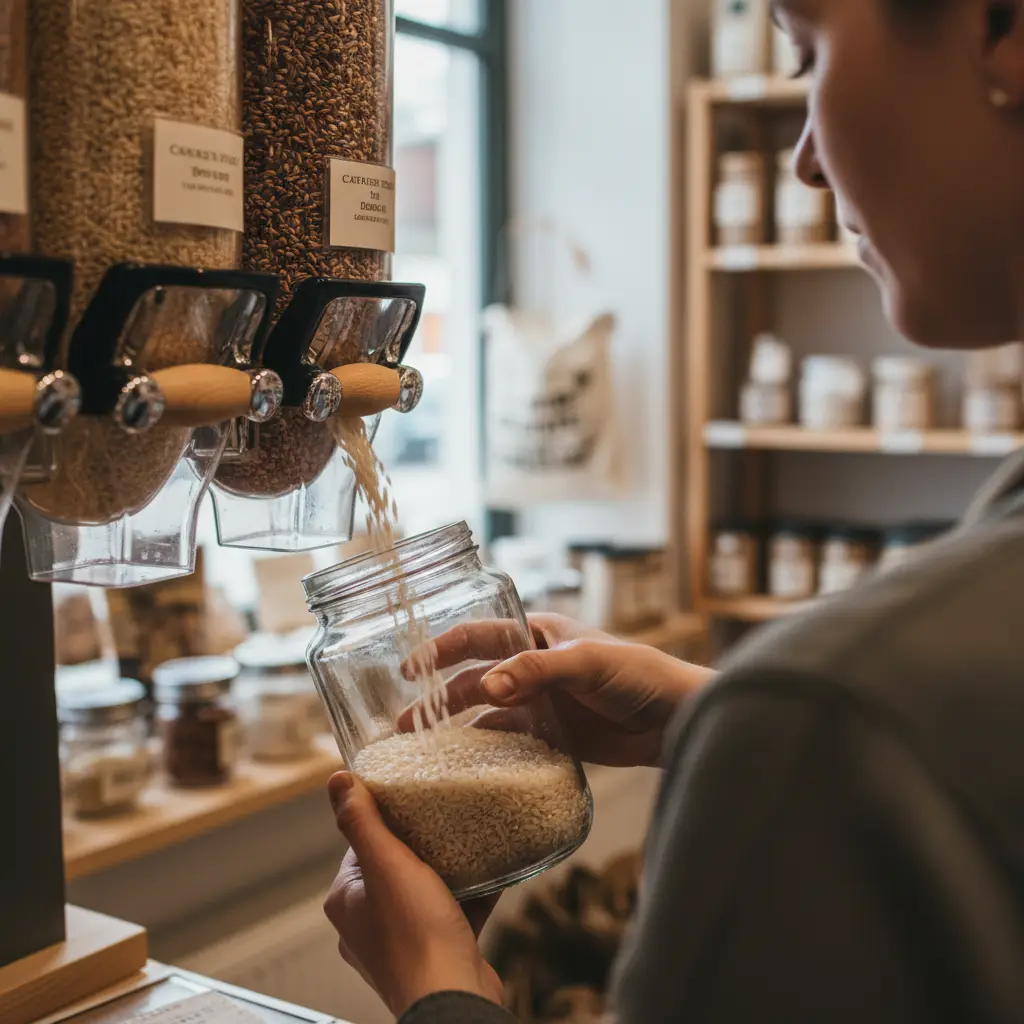
Choose products with minimal packaging and opt for loose items.
- 4
Educate your family
Involve family members and guests in your efforts.
Frequently asked questions about reducing single-use plastic at home:
Frequently asked questions
What can I do with items already made of plastic?+
Repurpose, repair, or reuse them. If not possible, ensure they're recycled or disposed of responsibly.
How can I manage plastic waste while traveling?+
Plan ahead, bring reusable items, and use services like TerraCycle for hard-to-recycle items.
What about 'securing' single-use plastic for future use?+
While this can help reduce waste, it's not the most effective strategy. Focus on refusing and reducing instead.