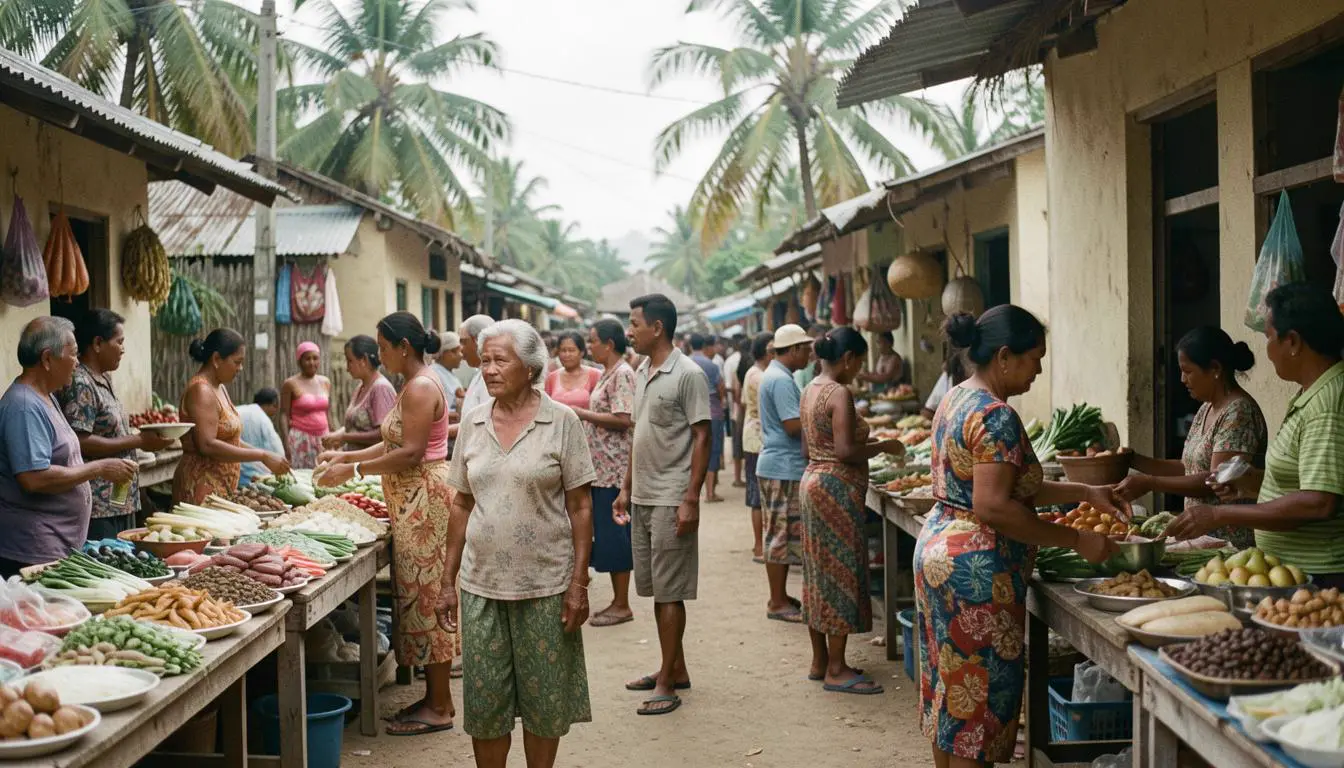
Curb-side compost programs have been hailed as a panacea for waste management in Pacific Island nations, but what does the science actually say about their impact on our health? Let's delve into the marketing messages, the studies, and the conflicts of interest to understand the full picture.
Industry marketing messages often focus on the environmental benefits of composting, such as reducing methane emissions from landfills and improving soil quality. However, the health impacts of composting are often glossed over or overlooked entirely.
“Composting is a win-win-win: it reduces waste, creates jobs, and improves soil health. What's not to love?”
But is it truly a win-win-win? Let's examine what studies actually show about the health impacts of composting.
What do studies actually show about composting and health?
A study published in the Journal of Environmental Health (2021) found that composting can lead to the spread of harmful pathogens if not managed properly. This is particularly relevant in Pacific Island nations, where access to safe drinking water and adequate sanitation can be challenging.
Another study published in the International Journal of Environmental Research and Public Health (2019) highlighted the potential for composting to exacerbate allergies and asthma among workers due to exposure to mold and other allergens.
Conflicts of interest in industry-funded research
It's crucial to consider potential conflicts of interest in industry-funded studies. A review published in PLOS ONE (2016) found that industry-funded studies were more likely to report favorable outcomes compared to independently funded ones.
Given these findings, it's essential to consider the local context and infrastructure when promoting curb-side compost programs in Pacific Island nations.
| Pacific Island Nation | Composting Rate (2020) | Composting Rate (2023) |
|---|---|---|
| Fiji | 20% | 35% |
| Samoa | 15% | 28% |
| Vanuatu | 10% | 22% |
Composting rates in Pacific Island nations (2020-2023)
Guidance for Pacific Islanders
How to compost safely in the Pacific Islands
- 1
Educate yourself
Learn about the specific health risks and safety measures related to composting in your Pacific Island nation.
- 2
Assess local infrastructure
Consider the availability of safe collection points, processing facilities, and adequate monitoring systems.
- 3
Practice safe composting
Avoid adding meat, dairy, diseased plants, and other contaminants to your compost pile.
Frequently asked questions
What are the main benefits of composting?+
Composting reduces methane emissions, improves soil quality, and can create jobs in waste management.
What are the potential health risks of composting?+
Improperly managed compost can contain harmful pathogens and allergens that can cause illnesses and exacerbate allergies and asthma.
How can Pacific Islanders compost safely?+
Educate yourself about local health risks, assess local infrastructure, and practice safe composting methods.