In the heart of Southern Africa, parents are increasingly seeking sustainable childcare products that align with their values and support the environment. From locally made wooden toys to biodegradable nappies, the region is witnessing a rise in eco-friendly options that cater to the unique needs of its communities.
The Growing Demand for Sustainable Childcare Products in Southern Africa
The Southern African region is experiencing a surge in demand for sustainable childcare products. According to a survey conducted by the Southern African Sustainable Development Network (SASDN), 72% of parents in the region prefer eco-friendly products for their children, a testament to the growing awareness and concern for the environment.
Locally Made Products: Supporting Communities and Reducing Carbon Footprint
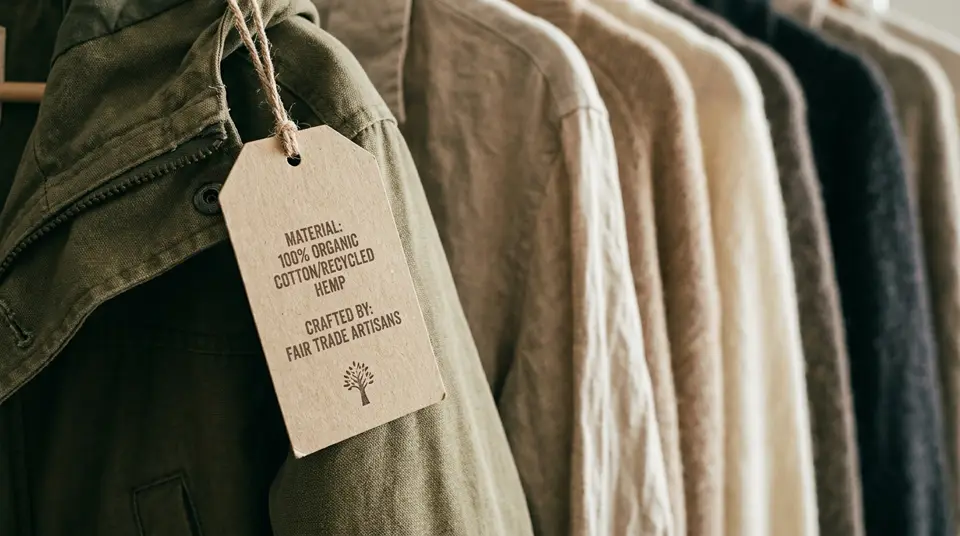
Locally manufactured childcare products play a significant role in supporting Southern African communities. By purchasing these products, parents contribute to the local economy, create job opportunities, and reduce the carbon footprint associated with long-distance transportation. For instance, the 'Madi a Thavha' initiative in Limpopo, South Africa, produces handmade natural fiber clothing and toys, providing employment to local artisans and reducing waste.
“Sustainable childcare products are not just about protecting the environment; they are about investing in our communities and creating a better future for our children.”
| Product Type | Carbon Footprint (kg CO2 eq.) |
|---|---|
| Locally made wooden toy | 2.5 |
| Imported plastic toy | 6.8 |
| Locally made cloth diaper | 1.2 |
| Imported disposable nappy | 2.4 |
Eco-friendly Materials: Safer for Children and the Environment
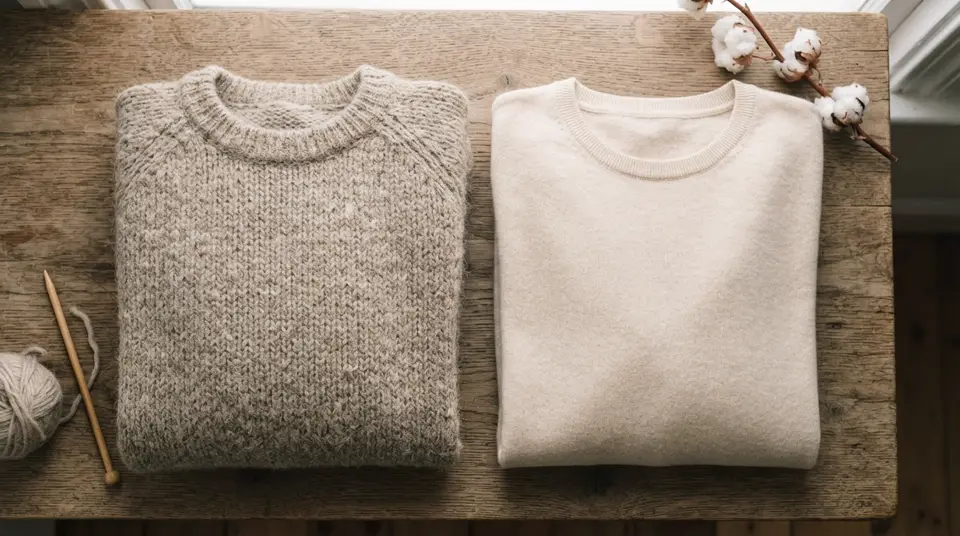
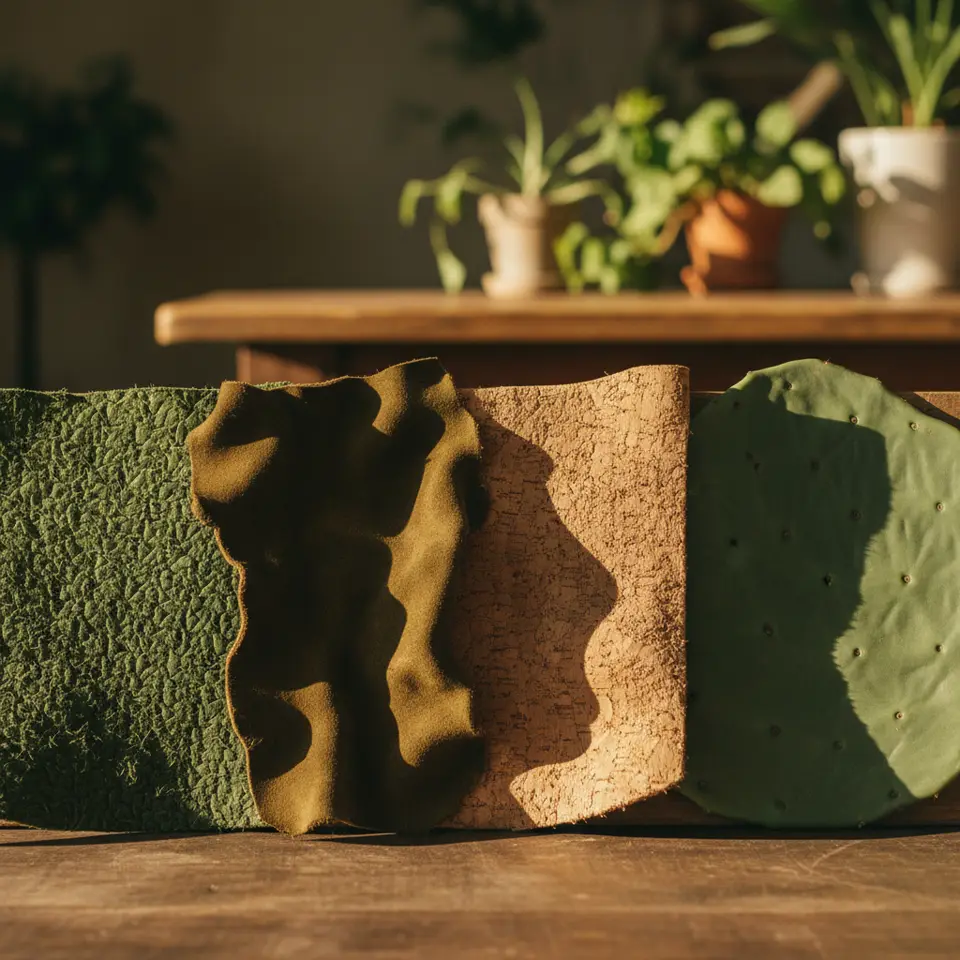
Eco-friendly materials used in childcare products are not only beneficial for the environment but also safer for children. For example, organic cotton and bamboo are free from harmful pesticides and chemicals, reducing the risk of allergies and skin irritations. Moreover, these materials are biodegradable, contributing to waste reduction and soil health.
Growth of the eco-friendly childcare market in Southern Africa (2020-2025)
Community Involvement: The Key to Successful Eco-friendly Initiatives
Community involvement is crucial for the success of sustainable childcare initiatives in Southern Africa. By engaging with local communities, parents, and organizations, eco-friendly products can be tailored to meet the unique needs and cultural practices of the region. For instance, the 'Cloth Mama' project in Kenya empowers local women to make and sell reusable nappies, providing them with an income and promoting sustainable parenting.
Frequently asked questions
Where can I find sustainable childcare products in Southern Africa?+
Online marketplaces such as 'Bambino Goodies' in South Africa and 'Eco Mama' in Zimbabwe offer a variety of eco-friendly childcare products. Additionally, local markets and community initiatives often sell these products.
How do I know if a childcare product is truly eco-friendly?+
Look for certifications such as the Global Organic Textile Standard (GOTS) or the Forest Stewardship Council (FSC) label. Additionally, consider the product's materials, manufacturing process, and packaging.
Can sustainable childcare products be affordable?+
While eco-friendly products may initially seem more expensive, they often last longer and can save money in the long run. Additionally, buying in bulk or choosing second-hand options can help reduce costs.
How can I get involved in promoting sustainable childcare in my community?+
Join local eco-friendly parenting groups, volunteer with community initiatives, or start your own project to promote sustainable childcare in your area.