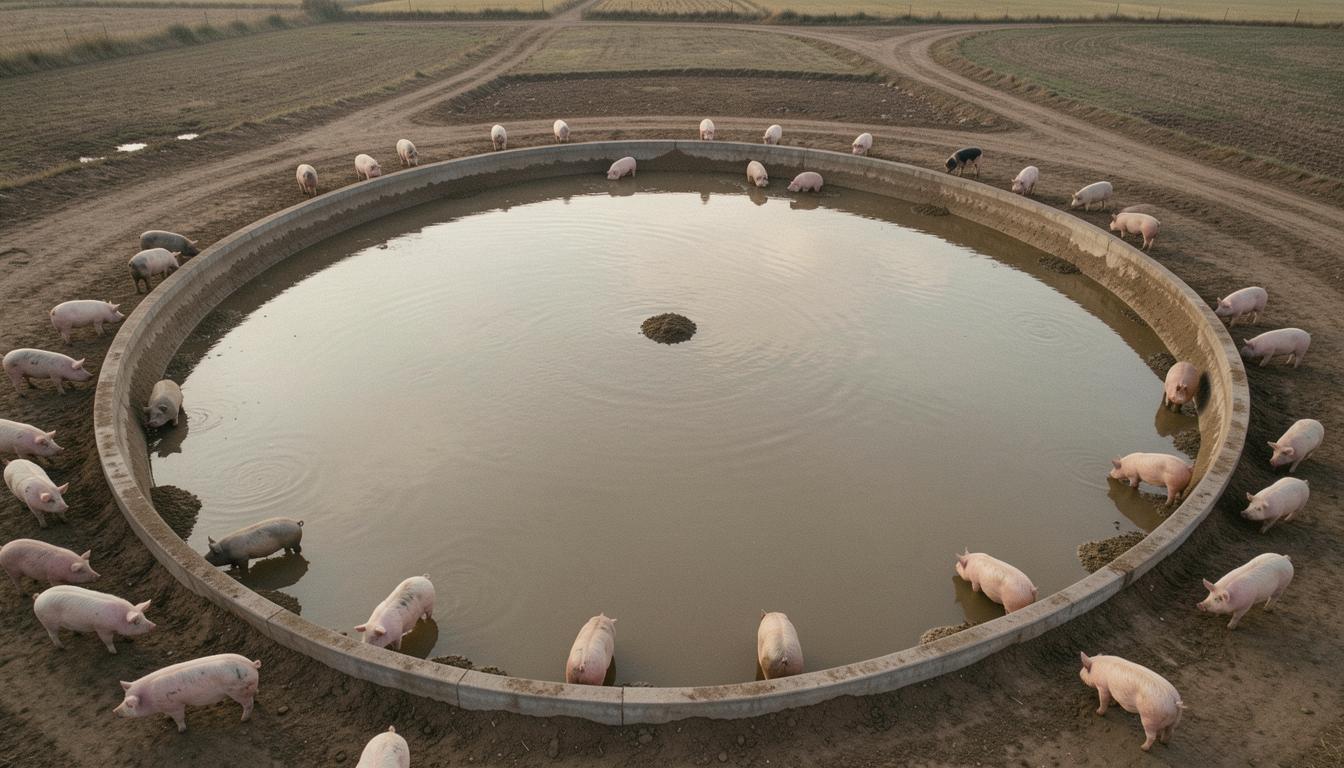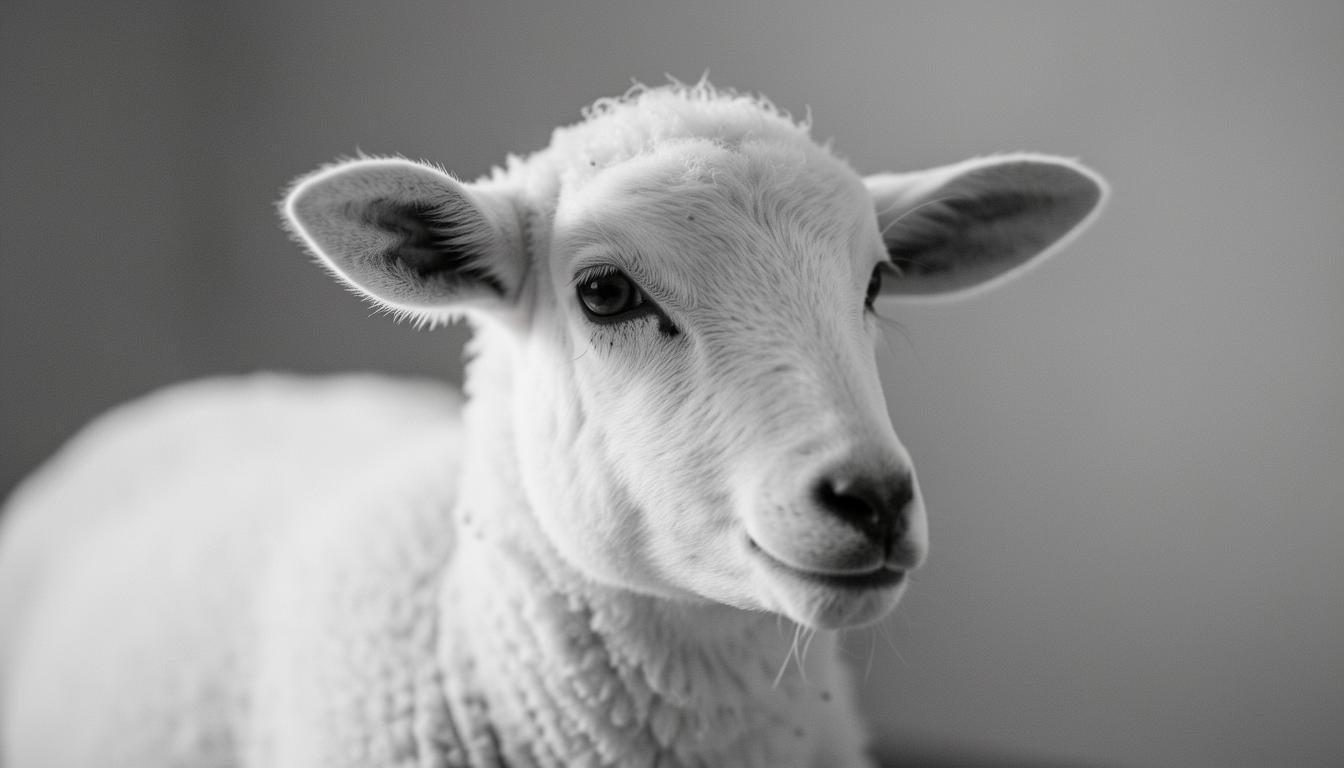
Every year, millions of animals are transported across the globe by sea, often under harsh and inhumane conditions. This practice, known as live animal export, is a multi-billion dollar industry that prioritizes profit over animal welfare. But what does the science tell us about the impact of this industry on the animals, the environment, and our health?
A visit to a sanctuary that has rescued animals from live export ships reveals the harsh reality of their journey. The animals, often crammed into small pens, suffer from dehydration, heat exhaustion, and injuries due to rough seas. Many die during transport, their bodies thrown overboard.
“The conditions on these ships are nothing short of cruel and inhumane. It's a hidden industry that needs to be exposed.”
But what does the science say about the impact of live animal export? Studies have shown that the industry contributes to climate change through greenhouse gas emissions, primarily from deforestation to make way for factory farms, and from the animals themselves. A 2023 study by the World Resources Institute found that livestock production is responsible for 14.5% of global greenhouse gas emissions.
Greenhouse gas emissions from livestock production
The industry also contributes to antibiotic resistance, a growing global health crisis. Animals in factory farms and during live export are often given large doses of antibiotics to prevent disease, leading to the development of drug-resistant bacteria. A 2024 study by the Centers for Disease Control and Prevention found that 23,000 people die each year in the United States alone from antibiotic-resistant infections.
| Region | Antibiotic use (mg/kg live weight) |
|---|---|
| Europe | 15.3 |
| North America | 17.9 |
| South America | 26.3 |
| Asia | 34.5 |
| Africa | 2.4 |
But what does this mean for consumers? The science is clear: the live animal export industry is contributing to climate change and antibiotic resistance. By choosing plant-based products and supporting sustainable farming practices, consumers can make a real difference in improving animal welfare and protecting the environment.
Frequently asked questions
What countries are the biggest exporters of live animals?+
The top five live animal exporting countries are Australia, Brazil, the United States, Canada, and New Zealand.
What are the most commonly exported animals?+
Cattle, sheep, and goats are the most commonly exported animals by sea.
What can consumers do to support better animal welfare and environmental standards?+
Consumers can support better animal welfare and environmental standards by choosing plant-based products, supporting sustainable farming practices, and advocating for stricter regulations and enforcement of animal welfare and environmental standards.