Upunguzaji na Ustawi wa Wanyama: Ubishaji bila Pamoja - Nchini Mlima wa Kaskazini
Uchunguzi wa ukuaji wa wanyama bila pamoja na hasara za afya katika mazingira ya Mlima wa Kaskazini.
4 dak kusoma
Mada
Maisha ya mimea kwa watu, wanyama na sayari.
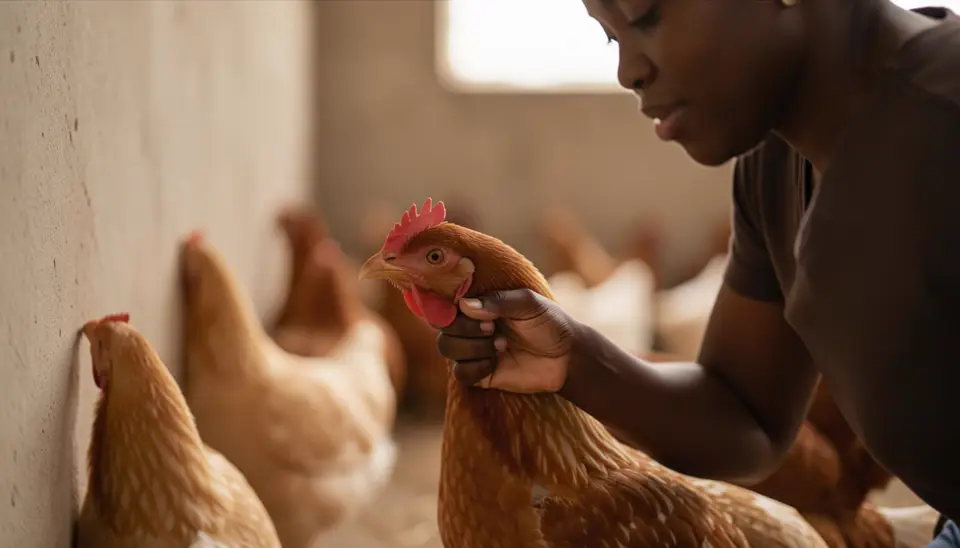
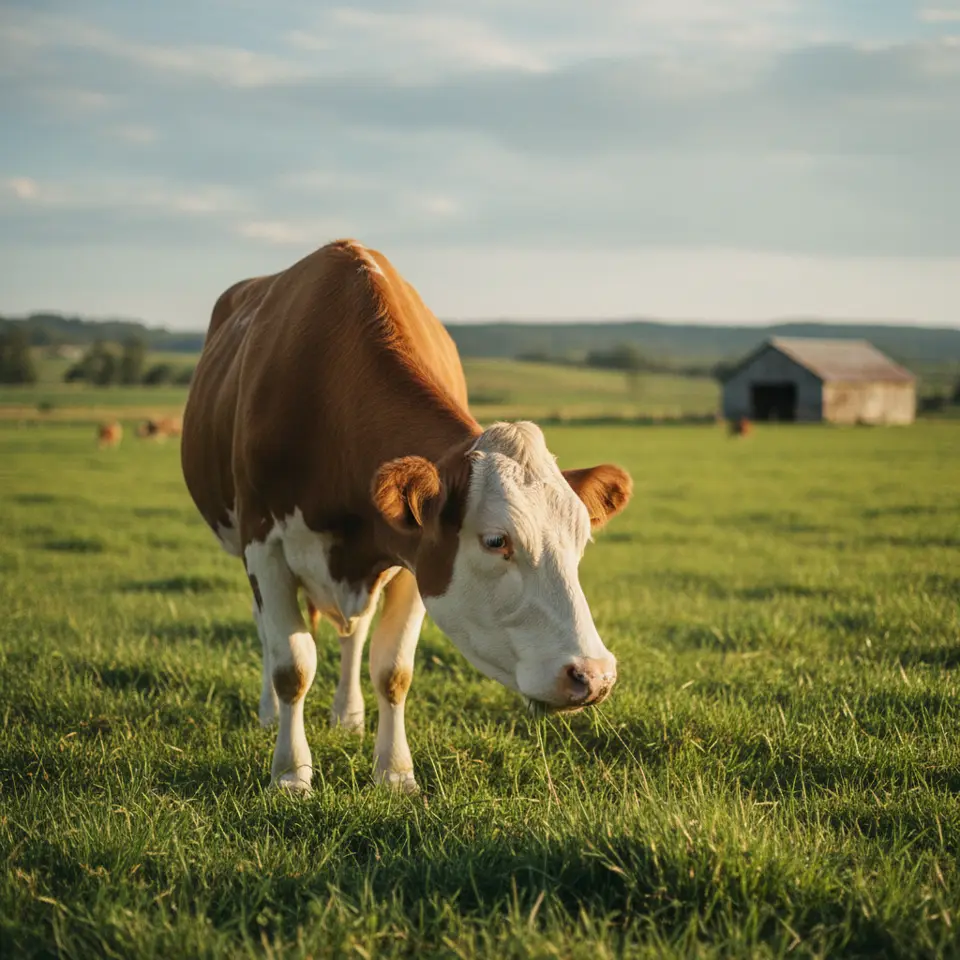
Husango la mwisho wa kuku, ambalo huundwa na kuku wanawake, ni mojawapo ya madai ya ustawi wa wanyama iliyojulikana. Tazama ustawi wake, maisha yake asilia, na mipaka ya uchumi.
Na Jacqueline Mwangi, Dar es Salaam · 4 dak kusoma

Uchunguzi wa ukuaji wa wanyama bila pamoja na hasara za afya katika mazingira ya Mlima wa Kaskazini.
4 dak kusoma

Uchambuzi wa kukata mkia wa nguruwe katika mashamba makubwa, ukiondoa hadithi na kutoa ukweli kwa wanaofunga kama Ramadan, Lent, Yom Kippur, na Ekadashi.
4 dak kusoma
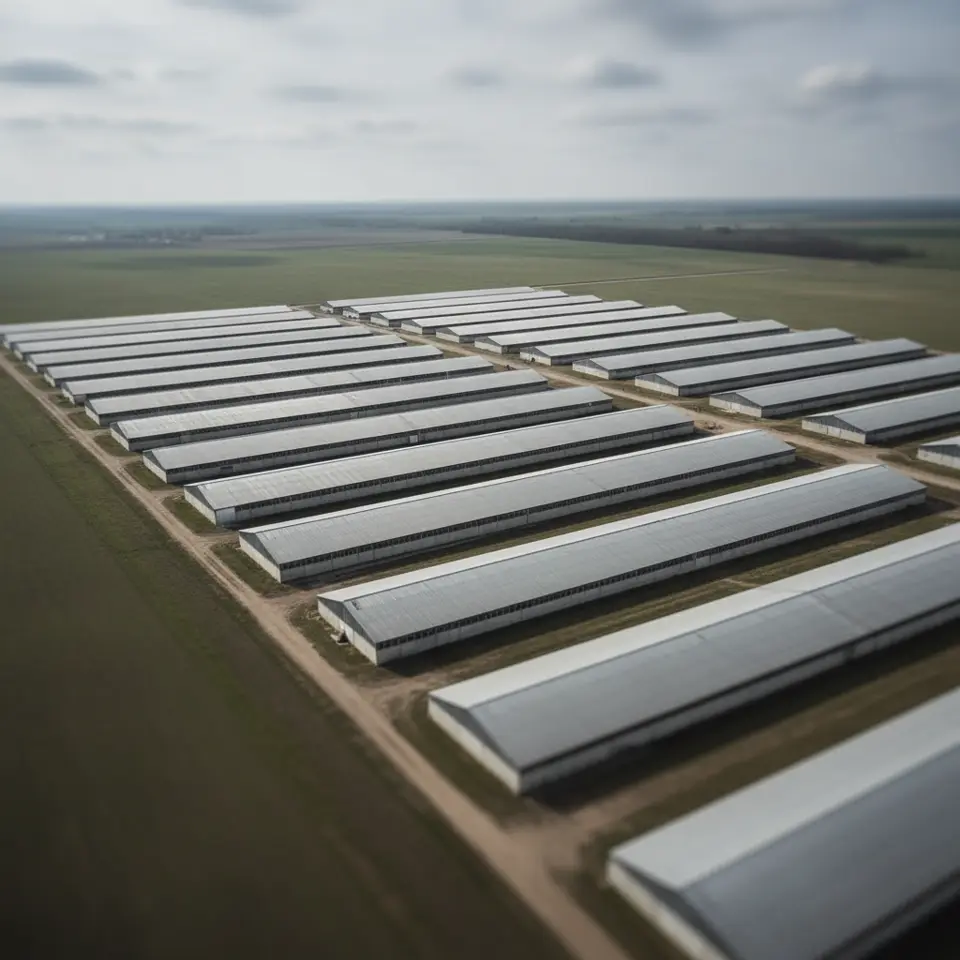
Uzalishaji wa foie gras ya bata na bukini unazua maswali muhimu kuhusu ustawi wa wanyama na maadili ya ununuzi wa umma, hasa katika taasisi kama shule.
4 dak kusoma

Kutokana na shinikizo la gharama za chakula, matumizi ya wanyama katika filamu na uzalishaji wa TV yanahitaji tathmini upya wa maadili na uhusiano wetu nao.
4 dak kusoma

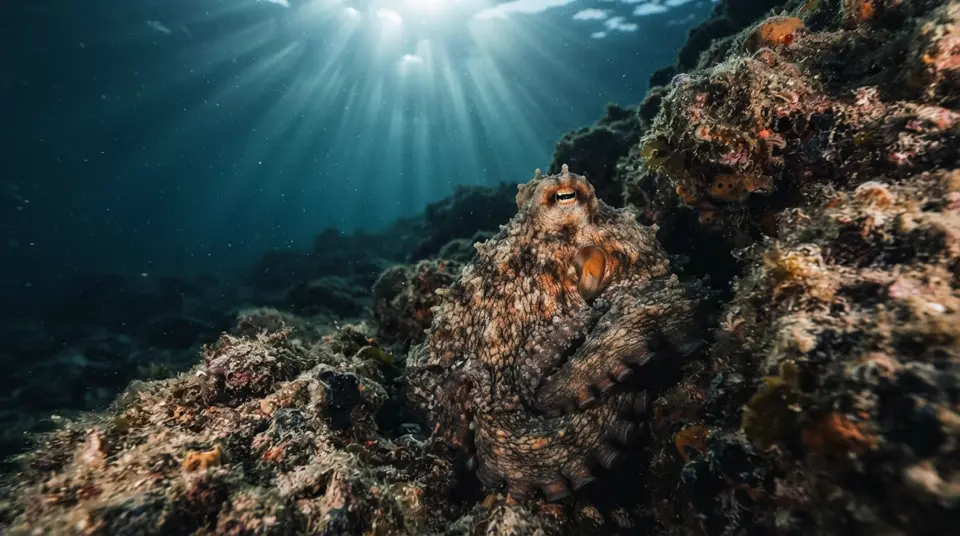
Kilimo cha pweza na kefalopodi Asia Mashariki kinarejelea jitihada za kuzalisha viumbe hawa baharini kwa biashara, jambo linaloleta changamoto kubwa za kimaadili na kimazingira.
4 dak kusoma
Mwanzo wenye manufaa · index
Uandishi mzuri wa mazingira hukusaidia kuelewa, kuchunguza dai na kuchagua hatua inayofuata. Tunaunganisha ushahidi, muktadha na njia za vitendo bila kubadilisha masuala magumu kuwa kauli mbiu.
Ushahidi
Utafiti kwanza
Muktadha
Imeunganishwa
Hatua inayofuata
Ya vitendo
| Anza na | Utapata | Inafaa kwa |
|---|---|---|
| The overview | A clear answer and the essential terms | First-time readers |
| The evidence | Sources, comparisons and reported context | Checking a claim |
| The pathways | Related topics, tools and further reading | Going deeper |
We separate evidence, interpretation and practical guidance. Claims should be traceable to research, public records or clearly identified editorial analysis.
No. Food systems, animal welfare and climate are connected systems. Individual choices matter, and so do policy, business and collective action.
Use the related topics, topic hubs and calculators on this page to move from a quick answer to the primary context behind it.
Muktadha wa kina
Animal agriculture sits at the intersection of climate, land use, water, public health and animal welfare. These reference points recur across our reporting, so we keep them in one place: the numbers most often cited, the way we read a claim, the myths that survive longest, and the vocabulary you need to follow the debate in any language.

Ardhi ndiyo kiini
Roughly three quarters of global farmland is used for livestock, yet it supplies a minority of the world's calories. Shifting even part of that land back to crops, forest or wetland is the single largest lever most countries hold.
| Dai la kawaida | Ushahidi unaonyesha | Kwa nini ni muhimu |
|---|---|---|
| Local food is always the lowest-carbon choice | Transport is a small share of most food footprints; what is produced matters more than how far it travelled. | It redirects effort towards the choices with real leverage. |
| Plant-based eating cannot meet protein needs | Legumes, grains, soy foods, nuts and seeds cover protein and amino-acid needs in well-planned diets at every life stage. | Nutrition myths keep people from a change they were open to. |
| Higher-welfare labels mean animals are not harmed | Label standards vary widely and many permit routine practices readers would not expect. | Informed choices depend on knowing what a label actually certifies. |
| Individual choices are irrelevant next to policy | Demand shifts change what is produced, funded and legislated; the two move together. | It replaces fatalism with something you can act on this week. |
Kutoka ushahidi hadi maisha ya kila siku
Numbers describe the system; meals, votes and purchases are how most people meet it. This field guide turns the reporting into concrete swaps, a four-week plan and the signals worth watching, so a page of research becomes something you can act on this week without pretending the hard parts are simple.
| Badala ya | Jaribu | Kwa nini ni muhimu |
|---|---|---|
| Beef mince | Lentils, beans or soy mince | Beef carries by far the highest emissions and land use per gram of protein. |
| Dairy milk | Soy or pea milk | Comparable protein with a fraction of the land, water and emissions. |
| Cheese in daily meals | Nut or seed-based spreads, cashew cheese | Cheese is the most resource-intensive dairy product per kilogram. |
| Chicken and eggs | Tofu, tempeh, chickpeas | Removes the welfare cost of the most intensively farmed animals. |
| Farmed shrimp and salmon | Beans, jackfruit, seaweed-seasoned dishes | Avoids mangrove loss, bycatch and wild fish used as feed. |
| Butter | Olive or rapeseed oil | Lower emissions per kilogram and better cardiovascular profile. |
Most people who change their diet permanently do it gradually, one meal slot at a time, keeping the food they already like at the centre.

Mahali mabadiliko yanapoonekana
Markets are the clearest place to watch demand shift: as pulses, grains and vegetables take more shelf space, producers, buyers and policy follow the money rather than the argument.