Указатель
Темы
Растительная жизнь для людей, животных и планеты.
- Темы
- 362
- Материалы с тегами
- 377
- Рубрики
- 8
- Языки
- 22
В этом разделе
Избранное
По теме
- растительное питание3
- права животных3
- этика животноводства3
- промышленное животноводство3
- Экологическая справедливость3
- этика животных2
- устойчивое сельское хозяйство2
- благополучие животных в молочной промышленности2
- углеродный след сыра2
- благополучие животных2
- успешные природоохранные проекты1
- сохранение видов1
- восстановление популяций животных1
- исчезающие виды россии1
- примеры сохранения биоразнообразия1
- ревайлдинг1
- амурский тигр популяция1
- как спасти вымирающие виды1
- успехи в охране природы1
- какие виды животных удалось спасти1
- благополучие животных в цирках и зоопарках1
- этика содержания диких животных1
- права животных в неволе1
- запрет цирков с животными1
- стандарты современных зоопарков1
- страдания животных в индустрии развлечений1
- альтернативы зоопаркам и циркам1
- гуманное обращение с животными1
- почему зоопарки это плохо1
- закон о животных в цирке1
- регенеративное сельское хозяйство1
- устойчивое земледелие1
- здоровье почвы1
- секвестрация углерода1
- биоразнообразие1
- круговая экономика1
- пермакультура1
- что такое регенеративное сельское хозяйство1
- как регенеративное сельское хозяйство помогает климату1
- дерогация носорогов1
- сохранение носорогов1
- добыча рогов носорогов1
- мелкие фермеры и дикая природа1
- охрана дикой природы1
- конфликт землепользования1
- проблемы сохранения носорогов1
- как дерогация влияет на фермеров?1
- устойчивые игрушки для малышей1
- корпоративная ответственность игрушек1
- экологичные детские игрушки1
- активизм за устойчивое развитие1
- оценка экологичности игрушек1
- игрушки без вредных веществ1
- как кампанировать за экологию1
- эко-игрушки для младенцев1
- сырые веганские диеты1
- термически обработанные веганские диеты1
- биодоступность питательных веществ1
- здоровье кишечника1
- предотвращение хронических заболеваний1
- влияние сыроедения на здоровье1
- как оптимизировать веганскую диету?1
- законы Ag-Gag1
- общественные знания о сельском хозяйстве1
- прозрачность животноводства1
- защита осведомителей1
- влияние Ag-Gag1
- легальность законов Ag-Gag1
- веганская кожа альтернативы1
- экокожа город1
- устойчивая мода мегаполис1
- материалы без животных1
- биоразлагаемая обувь1
- как выбрать веганскую кожу1
- что такое растительная кожа1
- где купить веганскую сумку1
- ферментация точности1
- молочные продукты Анды1
- климат Анды1
- продовольственная безопасность1
- альтернативные белки1
- снижение выбросов1
- что такое ферментация точности1
- клетки для опороса1
- жестокость животноводства1
- свиноматки содержание1
- запрет клеток для свиней1
- благополучие свиней1
- фермерские практики1
- альтернативы клеткам для опороса1
- содержание свиней1
- регулирование животноводства1
- субъектность сельскохозяйственных животных1
- права животных тропики1
- святилища животных уроки1
- защита сельскохозяйственных животных1
- благополучие фермерских животных1
- понимание субъектности животных1
- как святилища помогают животным1
- инструменты для защиты животных1
- ресурсы по правам животных1
- сельскохозяйственное лобби1
- агропромышленная политика1
- влияние лоббирования на сельское хозяйство1
- правозащитные группы животных1
- финансирование отрасли животноводства1
- продовольственная политика ЕС1
- законодательство о благополучии животных1
- как лоббируют сельскохозяйственные компании?1
- ответственность аутсорсинг жестокости1
- политика благополучия животных1
- аутсорсинг жестокости1
- законодательство о животных1
- кто отвечает за жестокость1
- влияние аутсорсинга на животных1
- предотвращение жестокости на фермах1
- осьминоги на промышленных фермах1
- этика осьминогов1
- благополучие осьминогов1
- пищевая культура иммигрантов1
- естественное поведение осьминогов1
- устойчивые морепродукты1
- ошибки промышленных ферм осьминогов1
- альтернативы осьминогам1
- клеточные фермы антибиотикорезистентность1
- риск для спортсменов1
- антибиотики в животноводстве1
- устойчивость к антибиотикам1
- здоровье атлетов1
- как промышленное животноводство влияет на спортсменов1
- антибиотикорезистентность и питание спортсменов1
- эко-экипировка для тренировок1
- устойчивая спортивная одежда1
- бюджетная эко-экипировка1
- экологически чистая одежда для фитнеса1
- этичный выбор для студентов1
- одежда из переработанных материалов1
- доступная спортивная одежда1
- как выбрать эко-экипировку недорого1
- молочная промышленность Западной Африки1
- условия содержания молочных коров1
- цепочки поставок молочной продукции1
- этичное молоко Западной Африки1
- проблемы животноводства в Африке1
- какие проблемы благополучия животных существуют в молочной промышленности1
- как молочная промышленность влияет на климат1
- жизненный цикл молочной отрасли1
- регулирование молочной промышленности1
- Директива ЕС 98/58/EC1
- Закон о гуманном убое в США1
- права животных молочное производство1
- условия труда на молочных фермах1
- сравнение молочных стандартов ЕС США1
- бюджетный веганский список продуктов1
- веганская диета островные нации1
- растительное питание недорого1
- доступность веганских продуктов1
- эко-питание на островах1
- веганский список покупок 50 долларов1
- как есть веганскую еду дешево1
- стоимость веганской еды остров1
- веганские мультиварные рецепты1
- мультиварка для веганов1
- растительное питание в мультиварке1
- обзор кухонной техники для веганов1
- лучшие мультиварки для растительных блюд1
- системный обзор веганских рецептов1
- как выбрать мультиварку для веганских блюд1
- эффективность мультиварки для веганской кухни1
- благополучие мясного скота1
- оценка благополучия скота1
- маркировка говядины1
- реформы животноводства1
- сравнение стандартов Севера и Юга1
- скрытые факты о мясе1
- этичное мясо1
- как выбрать говядину1
- что значит этикетка на мясе1
- какие стандарты благополучия скота существуют1
- разница в благополучии скота в разных странах1
- поездки на слонах1
- этика1
- права трудящихся1
- расовые вопросы1
- альтернативный туризм1
- животные в туризме1
- экологические последствия1
- игрушки для малышей1
- устойчивые игрушки1
- маркетинг1
- наука1
- здоровье детей1
- экология1
- безопасность1
- Экосертификация морепродуктов1
- МСЗП1
- АСЗП1
- Мифы об экосертификации1
- Сертификация устойчивого рыболовства1
- Антибиотикорезистентность в аквакультуре1
- бобровые плотины и flood control1
- бобры предотвращают наводнения1
- ревайлдинг с бобрами1
- бобровые запруды эффективность1
- как бобры влияют на гидрологию1
- бобровые плотины vs дамбы1
- снижение риска паводков бобрами1
- бобры в Шотландии 20251
- природные решения наводнений1
- стоимость содержания бобровых плотин1
- Тунный ранching1
- Синие финны1
- Медитерранное море1
- Кафео сiting1
- Тунный промысел1
- Последствия для сообществ1
- Закон о благополучии животных (Sentience) 2022 года1
- сменные работники и права животных1
- защита прав животных Великобритания 20251
- sentience act 2022 практическое руководство1
- как использовать закон о sentience1
- благополучие животных для сменных работников1
- UK Animal Welfare Sentience Act 2022 explained1
- advocacy for shift workers UK1
- переход на растительную диету1
- здоровая растительная диета1
- веганский переход1
- питание на растительной основе1
- нутриенты растительной диеты1
- как перейти на растительное питание1
- безопасная растительная диета1
- выбросы парниковых газов сыра1
- экологическое воздействие молочных продуктов1
- устойчивое питание1
- гражданская наука климат1
- молочная промышленность выбросы1
- как уменьшить углеродный след1
- сколько углерода в сыре?1
- вырубка лесов Амазонии1
- животноводство и Амазония1
- активизм по климату1
- кампания против вырубки лесов1
- устойчивое потребление1
- защита тропических лесов1
- как остановить вырубку Амазонии1
- влияние скотоводства на климат1
- первые 24 часа кампании1
- конфликт интересов сертифицирующих органов1
- промышленное сельское хозяйство1
- стандарты сертификации животных1
- проблемы животноводства1
- аудит благополучия животных1
- этическое сельское хозяйство1
- что такое конфликт интересов при сертификации?1
- растительная диета и здоровье почек1
- Тихоокеанский регион1
- здоровье почек1
- исследование 2024 года1
- диета и хронические заболевания1
- выбросы молочной промышленности1
- парниковые газы сыроварение1
- интервью бывший инсайдер сыр1
- растительные альтернативы сыру1
- путеводитель по сыру Италия1
- COP28 молочная отрасль1
- эмиссии метана сыр1
- как снизить углеродный след в путешествии1
- устойчивый туризм Парма1
- спасение лис1
- истории из святилищ1
- неволя животных1
- этика содержания лис1
- 30-дневный план помощи1
- святилища для лис Европа1
- как помочь спасенным лисам1
- законы о диких животных в неволе1
- батарейные клетки1
- спасение кур1
- святилища животных1
- конфликт интересов1
- промышленное птицеводство1
- благополучие кур-несушек1
- аудит пищевой промышленности1
- как спасают кур из клеток1
- что такое батарейные клетки1
- веганский ифтар для школ1
- растительное меню рамадан1
- реформа школьного питания1
- веганские идеи ифтара1
- растительные белки для ифтара1
- школьные столовые рамадан1
- как организовать веганский ифтар в школе1
- госзакупки веганских продуктов1
- экономия бюджета школьное питание1
- веганский рамадан 20251
- силос1
- климат1
- экологически чистая диета1
- веганство1
- силосная система1
- сельскохозяйственные методы1
- веганские источники железа1
- железо в растительной диете1
- биодоступность железа1
- продукты с железом для веганов1
- негемовое железо1
- дефицит железа у веганов1
- как повысить усвоение железа1
- веганская диета Великобритания1
- чечевица железо1
- шпинат железо1
- морские водоросли, метан, животноводство, Восточная Европа, выбросы, климат, сельское хозяйство1
- военные закупки продовольствия1
- климат и продовольствие1
- углеродный след военной пищи1
- хронические заболевания и климат1
- устойчивые военные закупки продовольствия1
- военная пища и экологический след1
- военные закупки продовольствия и здоровье1
- питание в вооруженных силах и климат1
- животноводство1
- защита животных1
- фактори farms1
- благополучие коров1
- борьба за права животных1
- факторы риска для рабочих1
- законы о благополучии животных1
- Быстрая селекция кур1
- Разоблачение мифов1
- Рынок кур в России1
- Экология и цыплята1
- Быстрорастущая генетика1
- Животноводство в России1
- Спасение креветок1
- Воздействие аквакультуры на креветок1
- Международный день креветок1
- Жестокое обращение с креветками в Австралии1
- Значение историй о спасении креветок для понимания содержания в неволе1
- Клетки для свиней1
- Законы о содержании свиней1
- Запреты на содержание в клетках1
- Свиноводство1
- браконьерство слонов сегодня1
- CAFO расположение1
- проблемы со слонами1
- защита дикой природы1
- Африканские львы1
- Сохранение африканских львов1
- Работники скотобоен1
- Фермы1
- Браконьерство1
- Потеря среды обитания1
- Инициативы по сохранению африканских львов1
- морские водоросли против метана1
- сокращение выбросов метана1
- кормовая добавка из водорослей1
- климатическая справедливость животноводство1
- расширение морального круга климат1
- метан от крупного рогатого скота1
- как водоросли снижают метан1
- аспарагопсис таксиформис метан1
- COP29 животноводство решения1
Полезный ориентир · index
Увидеть общую картину
Хорошая экологическая журналистика помогает разобраться, проверить утверждение и выбрать следующий шаг. Мы соединяем исследования, контекст и практические пути, не превращая сложные темы в лозунги.
Данные
На основе исследований
Контекст
Связанный взгляд
Следующий шаг
Практично
Как пользоваться разделом
| Начните с | Вы найдёте | Подходит для |
|---|---|---|
| The overview | A clear answer and the essential terms | First-time readers |
| The evidence | Sources, comparisons and reported context | Checking a claim |
| The pathways | Related topics, tools and further reading | Going deeper |
Частые вопросы
Is this information opinion or reporting?
We separate evidence, interpretation and practical guidance. Claims should be traceable to research, public records or clearly identified editorial analysis.
Can one choice solve these problems?
No. Food systems, animal welfare and climate are connected systems. Individual choices matter, and so do policy, business and collective action.
Where should I continue?
Use the related topics, topic hubs and calculators on this page to move from a quick answer to the primary context behind it.
Более глубокий контекст
Данные о продовольственной системе
Animal agriculture sits at the intersection of climate, land use, water, public health and animal welfare. These reference points recur across our reporting, so we keep them in one place: the numbers most often cited, the way we read a claim, the myths that survive longest, and the vocabulary you need to follow the debate in any language.
Опорные цифры
- ~80 billion
- land animals farmed and slaughtered each year worldwide
- ~14.5%
- share of global greenhouse gas emissions linked to livestock supply chains
- ~77%
- of agricultural land used for grazing and feed production
- ~70%
- of freshwater withdrawals worldwide go to agriculture
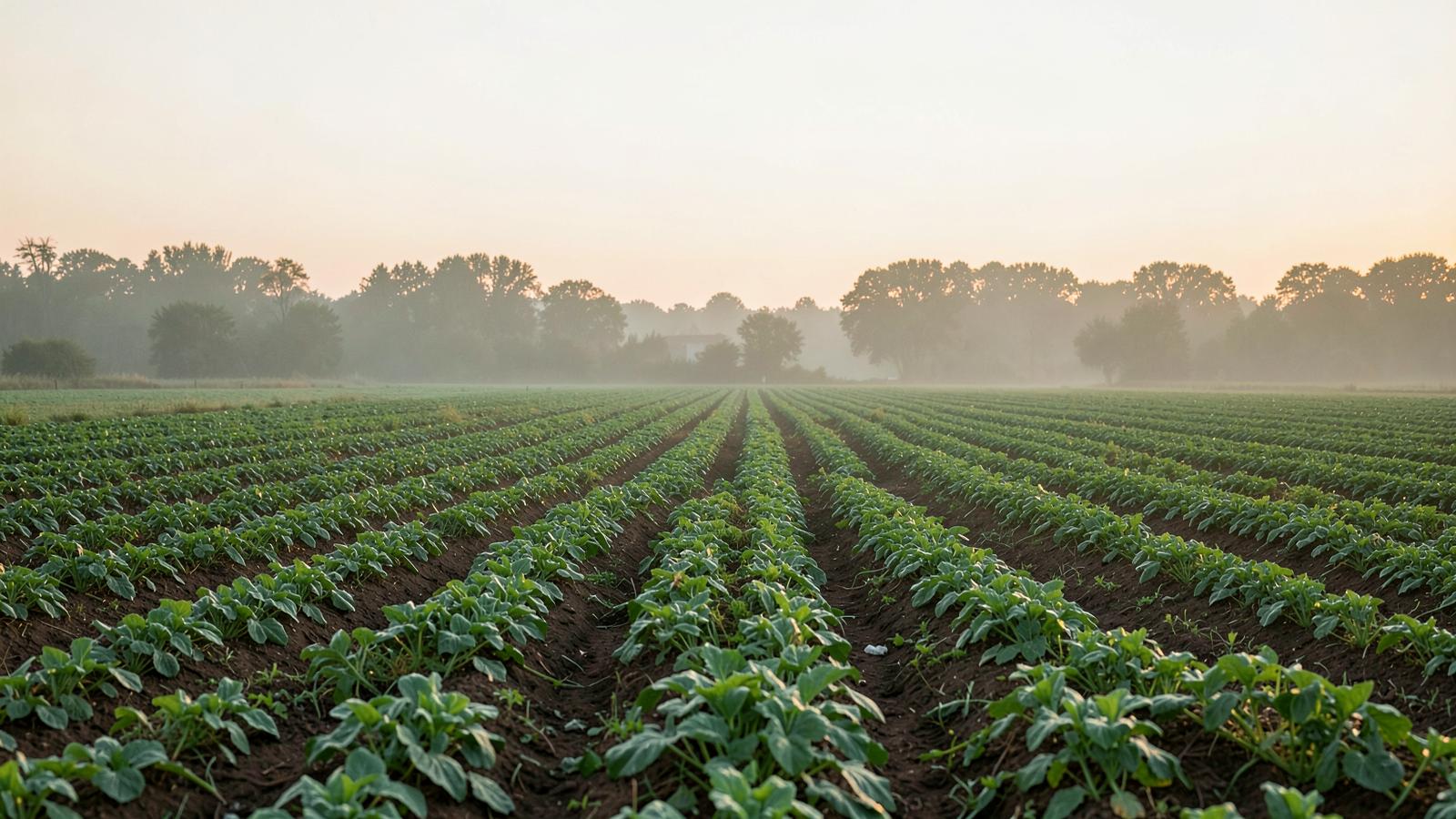
Земля — ключевой рычаг
Roughly three quarters of global farmland is used for livestock, yet it supplies a minority of the world's calories. Shifting even part of that land back to crops, forest or wetland is the single largest lever most countries hold.
Пять шагов проверки утверждения
- 01Find the original sourceTrace the figure back to a study, dataset or public record rather than a headline restating it.
- 02Check the boundaryAsk what the number counts: farm gate only, or land use, feed, transport and processing too.
- 03Compare like with likePer kilogram, per gram of protein and per calorie can point in different directions.
- 04Look for the rangeCredible estimates come with uncertainty; a single precise-sounding figure often hides it.
- 05Ask who is affectedAnimals, workers, neighbouring communities and future readers all carry part of the cost.
Миф и данные
| Частое утверждение | Что показывают данные | Почему это важно |
|---|---|---|
| Local food is always the lowest-carbon choice | Transport is a small share of most food footprints; what is produced matters more than how far it travelled. | It redirects effort towards the choices with real leverage. |
| Plant-based eating cannot meet protein needs | Legumes, grains, soy foods, nuts and seeds cover protein and amino-acid needs in well-planned diets at every life stage. | Nutrition myths keep people from a change they were open to. |
| Higher-welfare labels mean animals are not harmed | Label standards vary widely and many permit routine practices readers would not expect. | Informed choices depend on knowing what a label actually certifies. |
| Individual choices are irrelevant next to policy | Demand shifts change what is produced, funded and legislated; the two move together. | It replaces fatalism with something you can act on this week. |
Словарь дискуссии
- Factory farming
- Intensive confinement systems that maximise output per animal and per unit of space.
- Life-cycle assessment
- A method that totals environmental impact across every stage of a product's life.
- Sentience
- The capacity to feel, perceive and experience — the basis of most animal-welfare law.
- Land-use change
- Conversion of forest, grassland or wetland into farmland, and the emissions it releases.
- Food-system resilience
- How well supply survives drought, disease and price shocks.
- Just transition
- Policy that protects farmers and workers while production shifts.
От данных к ежедневному выбору
Как это выглядит на тарелке
Numbers describe the system; meals, votes and purchases are how most people meet it. This field guide turns the reporting into concrete swaps, a four-week plan and the signals worth watching, so a page of research becomes something you can act on this week without pretending the hard parts are simple.
Замены с наибольшим эффектом
| Вместо | Попробуйте | Почему это важно |
|---|---|---|
| Beef mince | Lentils, beans or soy mince | Beef carries by far the highest emissions and land use per gram of protein. |
| Dairy milk | Soy or pea milk | Comparable protein with a fraction of the land, water and emissions. |
| Cheese in daily meals | Nut or seed-based spreads, cashew cheese | Cheese is the most resource-intensive dairy product per kilogram. |
| Chicken and eggs | Tofu, tempeh, chickpeas | Removes the welfare cost of the most intensively farmed animals. |
| Farmed shrimp and salmon | Beans, jackfruit, seaweed-seasoned dishes | Avoids mangrove loss, bycatch and wild fish used as feed. |
| Butter | Olive or rapeseed oil | Lower emissions per kilogram and better cardiovascular profile. |
План на четыре недели, который держится
Most people who change their diet permanently do it gradually, one meal slot at a time, keeping the food they already like at the centre.
- 01Week 1 — breakfastChange the meal with the fewest variables: swap milk, add fruit, keep everything else identical.
- 02Week 2 — three dinnersCook three plant-based dinners you already know how to make well, rather than new recipes.
- 03Week 3 — restockRebuild the cupboard around pulses, grains, tinned tomatoes, nuts and frozen vegetables.
- 04Week 4 — eating outFind two reliable options near work or home, so social meals never become the failure point.
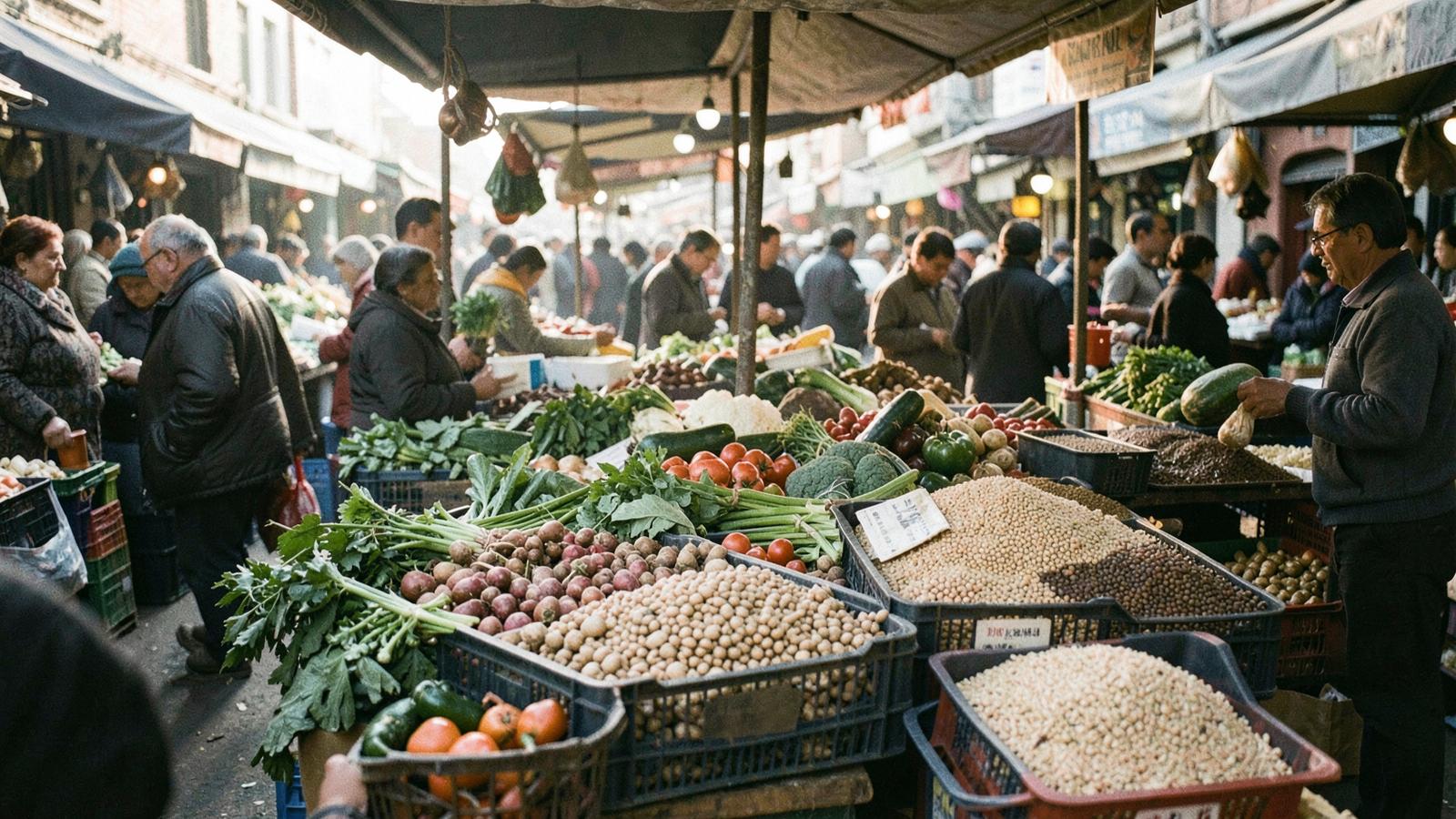
Где перемены заметны
Markets are the clearest place to watch demand shift: as pulses, grains and vegetables take more shelf space, producers, buyers and policy follow the money rather than the argument.
Сигналы, за которыми стоит следить
- Retail shelf shareHow much space plant-based products hold is a better indicator than launch announcements.
- Cage and crate bansLegislation on confinement moves faster than diet change and affects billions of animals.
- Feed-crop areaLand planted for animal feed shows whether production is actually shifting.
- Institutional menusSchools, hospitals and canteens change the default meal for millions at once.
- Price parityWhen plant-based costs the same or less, adoption stops depending on conviction.
- Transparency rulesLabelling and inspection records determine what the public can even see.
Практические вопросы
- Do I have to change everything at once?
- No. Reducing the most resource-intensive foods most often — beef, cheese and farmed fish — produces most of the measurable effect, and partial changes maintained for years outperform strict changes abandoned in a month.
- Is plant-based eating more expensive?
- Staples such as lentils, beans, rice, oats, seasonal vegetables and tofu are among the cheapest sources of protein and calories. Cost rises mainly with processed meat substitutes, which are optional.
- What about nutrients like B12, iron and omega-3?
- A B12 supplement is standard advice for anyone eating mostly or entirely plant-based. Iron comes from legumes, tofu and greens, absorbed better with vitamin C; omega-3 from flax, walnuts, chia or an algae supplement.
- Does any of this reach the animals themselves?
- Demand determines how many animals are bred, and legislation determines how they are kept. Reporting tracks both because neither works alone.
Как эта система работает на самом деле
Карта продовольственной системы, о которой мы пишем
Most coverage of animals, diets and climate arrives as isolated stories: a slaughterhouse investigation, a methane figure, a supermarket launch. They belong to one system with a small number of decision points. This map sets out that system stage by stage — who owns each step, where animals enter it, what the public can see, and which levers have historically moved it — so every article on this site can be read in context rather than as an isolated shock.
Шаг за шагом: от поля до тарелки
Animal agriculture is a chain of separate businesses. Pressure applied at one link rarely stays there; it moves upstream to feed and land, or downstream to retail and price.
| Этап | Что происходит | Где рычаг |
|---|---|---|
| Land and feed | Soy, maize and grass are grown to feed animals, using roughly three quarters of agricultural land worldwide. | Deforestation rules, feed-import standards, and any fall in demand for animal products. |
| Breeding | Genetics companies supply fast-growing birds and high-yield dairy lines used across most of the industry. | Growth-rate standards; welfare commitments that specify breed, not just space. |
| Rearing | Animals are housed at density, typically indoors, with confinement systems that vary by species and country. | Cage, crate and stocking-density law — the fastest-moving area of animal legislation. |
| Transport and slaughter | Live animals move to centralised plants; a small number of companies process most of the volume. | Journey-time limits, CCTV and inspection rules, stunning requirements. |
| Processing and brands | Meat and dairy become branded products, with margins concentrated in processing rather than farming. | Labelling law, marketing claims, and corporate sourcing commitments. |
| Retail and food service | Supermarkets, canteens and restaurants set the default meal for most people most days. | Shelf share, menu defaults, procurement contracts and price parity. |
| The plate | Households choose within the range and prices the previous stages allow. | Repeat purchases, which retailers track far more closely than surveys. |
Кто на самом деле решает
Individual choices matter, but they are amplified or blunted by a handful of institutions that set defaults for millions of meals at a time.
- Supermarket buyersA handful of buyers decide what fills the shelves of an entire country, and their sourcing standards travel back up the chain to farms.
- Public procurementSchools, hospitals, prisons and armed forces buy meals in bulk; changing the default menu shifts millions of meals without asking anyone to change their mind.
- Regulators and inspectorsWhat can be documented determines what can be enforced. Inspection frequency and CCTV rules decide whether standards exist on paper or in practice.
- Subsidy designAgricultural support still flows mainly to animal products and feed crops, keeping prices below what the resource use would otherwise imply.
- Investors and lendersFinancing terms for new sheds, expansions and processing capacity set the size of the industry a decade ahead.
- Courts and citizen initiativesReferenda, lawsuits and ballot measures have repeatedly delivered confinement bans that legislatures would not pass on their own.
Земля — тихая переменная
Most farmland on earth feeds animals rather than people directly. That single fact explains why diet, deforestation, wildlife loss and climate keep turning up in the same story.
Одна система, разные точки давления
| Регион | Что определяет результат |
|---|---|
| European Union | Confinement law and labelling lead globally; the unresolved question is imported animal products produced to lower standards. |
| United States | State ballot measures drive welfare change while federal rules lag; litigation over interstate sales is the recurring battleground. |
| Brazil and South America | Feed-crop expansion and cattle ranching sit at the interface with forest loss, making land use the decisive issue. |
| China and East Asia | Rapid growth in intensive production alongside fast-growing plant-based and cultivated protein investment. |
| India and South Asia | The world's largest dairy sector, where welfare questions centre on cattle, transport and the fate of male calves. |
| Sub-Saharan Africa | Smallholder systems dominate today; whether intensive models are imported is still an open decision. |
Что уже изменилось
Change in this system is slow, then sudden. These are the shifts that repeat across countries once they start.
- 01Battery cagesBans moved from single countries to whole blocs, then to corporate commitments covering supply chains beyond the law.
- 02Sow stalls and veal cratesRestricted in a growing list of jurisdictions once footage made routine confinement visible to voters.
- 03Plant-based milkMoved from specialty shelf to standard option in cafés and supermarkets within roughly a decade.
- 04Slaughterhouse CCTVIntroduced after undercover footage, converting sporadic scandal into continuous documentation.
- 05Deforestation-linked feedImport rules now require supply-chain evidence, tying European diets to land use elsewhere.
- 06Institutional menusCities and universities adopting plant-based defaults have produced the largest single-decision emissions cuts in catering.
Как читать утверждения о животноводстве и питании
Most disputes come down to a handful of recurring tricks. Running a claim through these questions resolves the majority of them.
- Per what?Impacts per kilogram, per gram of protein and per calorie tell different stories. Ask which one is being used and why.
- Whose average?A best-case farm is not a national average, and a national average is not the global one behind imported products.
- Who funded it?Industry-funded studies are not automatically wrong, but disclosure changes how much weight a single result deserves.
- Legal or actual?A practice being legal says nothing about how common it is; enforcement records are the better source.
- Is the comparison fair?Comparing a processed substitute to a raw ingredient, or a farm to a factory, usually smuggles in the conclusion.
- What would change your mind?Claims that no evidence could falsify are advocacy, from any direction, and should be read as such.
Вопросы о системе
- Is factory farming the exception or the norm?
- It is the norm. The large majority of farmed land animals worldwide are raised in intensive systems; extensive and pasture-based farming accounts for a small share of total production, even where it dominates the imagery used to sell it.
- Why does land use matter so much?
- Around three quarters of agricultural land supports animal products that supply a minority of global calories and protein. Land is therefore the link between diets, deforestation, wildlife decline and climate targets.
- Do welfare reforms slow down bigger change?
- The evidence does not support that trade-off. Jurisdictions that banned confinement systems have generally also seen the fastest growth in plant-based alternatives, because both follow the same shift in public attention.
- Can individual choices matter in a system this large?
- Individually they are small; in aggregate they are the demand signal every other stage responds to. The measurable effects come from sustained changes across many people, and from the institutions that set default meals.
- Where does this newsroom get its figures?
- From peer-reviewed research, government inspection and production data, and named organisations. Where estimates are contested, articles say so and give the range rather than the most striking number.