TMAO, Carnitina e Doença Cardiovascular: O Caminho do Microbiota Intestinal Explicado - Um Estudo de Ciência Cidadã
Descubra como os metabólitos produzidos por nossas bactérias intestinais podem influenciar a saúde do coração.
4 min de leitura
Reportagens, análises e guias práticos sobre Nutrição e Saúde. Faz parte da cobertura da Humane Foundation sobre vida plant-based, bem-estar animal, clima e sustentabilidade em 22 idiomas.
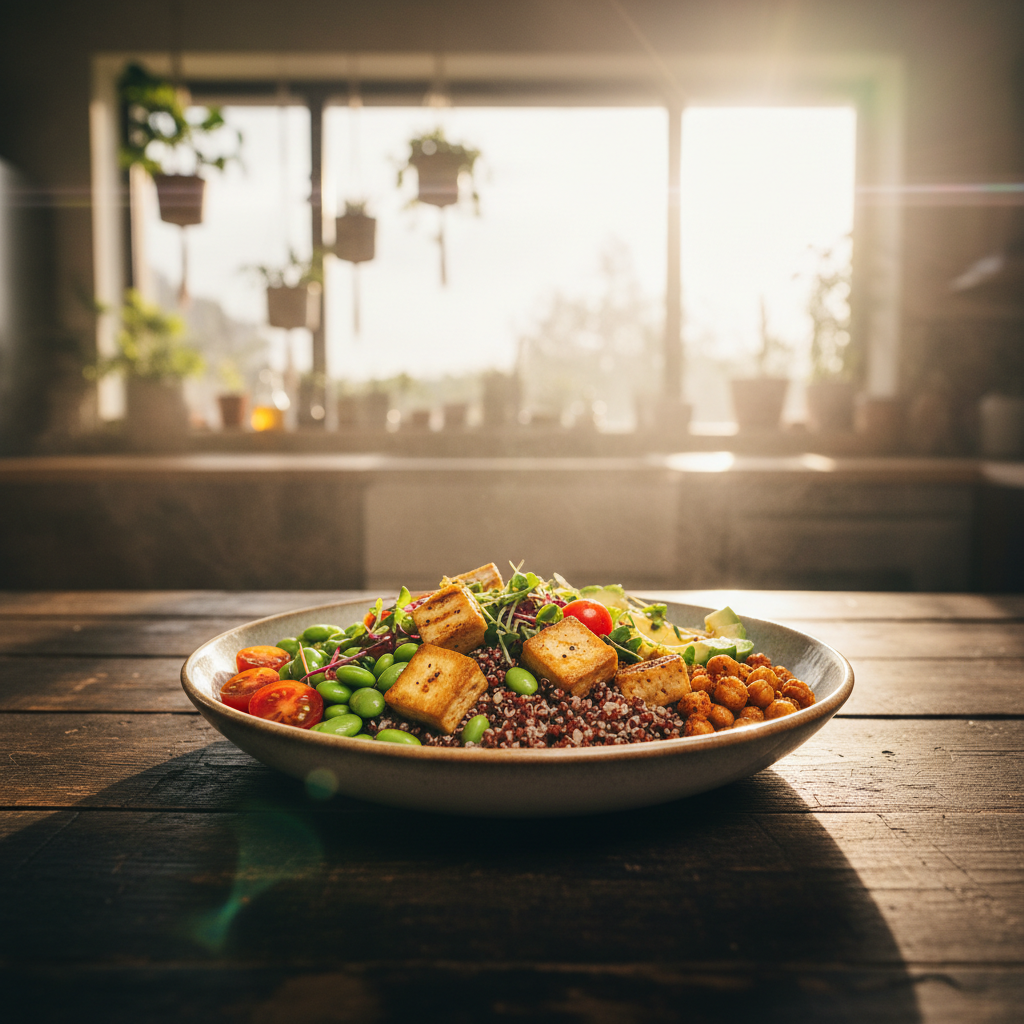
Uma análise equilibrada dos prós e contras da dieta vegana na fertilidade, aplicada à reforma de cantinas escolares e compras públicas no Brasil.
Por Carlos Mendes · 4 min de leitura
Descubra como os metabólitos produzidos por nossas bactérias intestinais podem influenciar a saúde do coração.
4 min de leitura
Analisamos as grandes marcas de laticínios e como suas estratégias influenciam a redução de carne para a saúde pública materna em 2024.
4 min de leitura
A relação entre o consumo de laticínios e o câncer de próstata é complexa, especialmente no contexto da Ásia Oriental, onde a genética e a dieta tradicional influenciam significativamente os resultados.
4 min de leitura
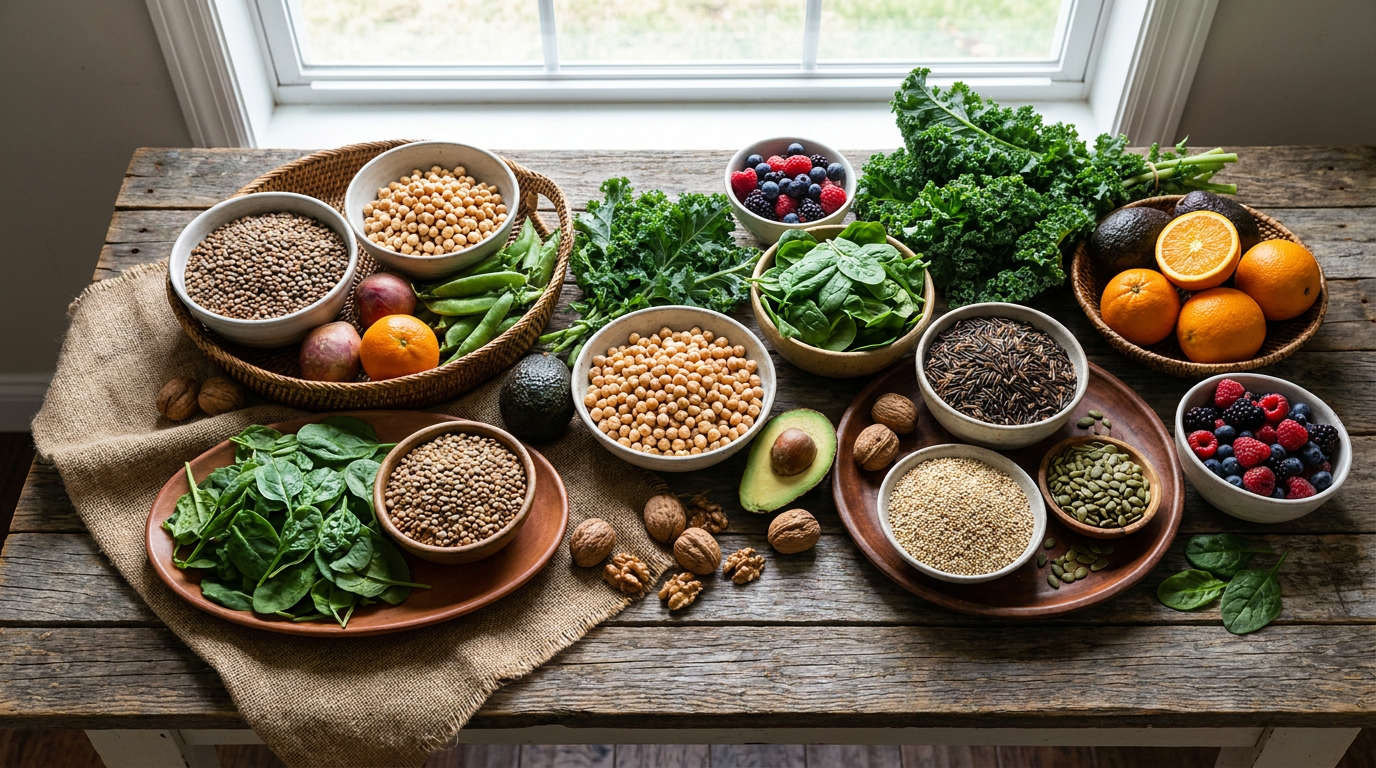
Este toolkit examina a discrepância entre o marketing, as promessas do setor do laticínio e descobertas da ciência nutricional, particularmente na dieta mediterrânea.
4 min de leitura
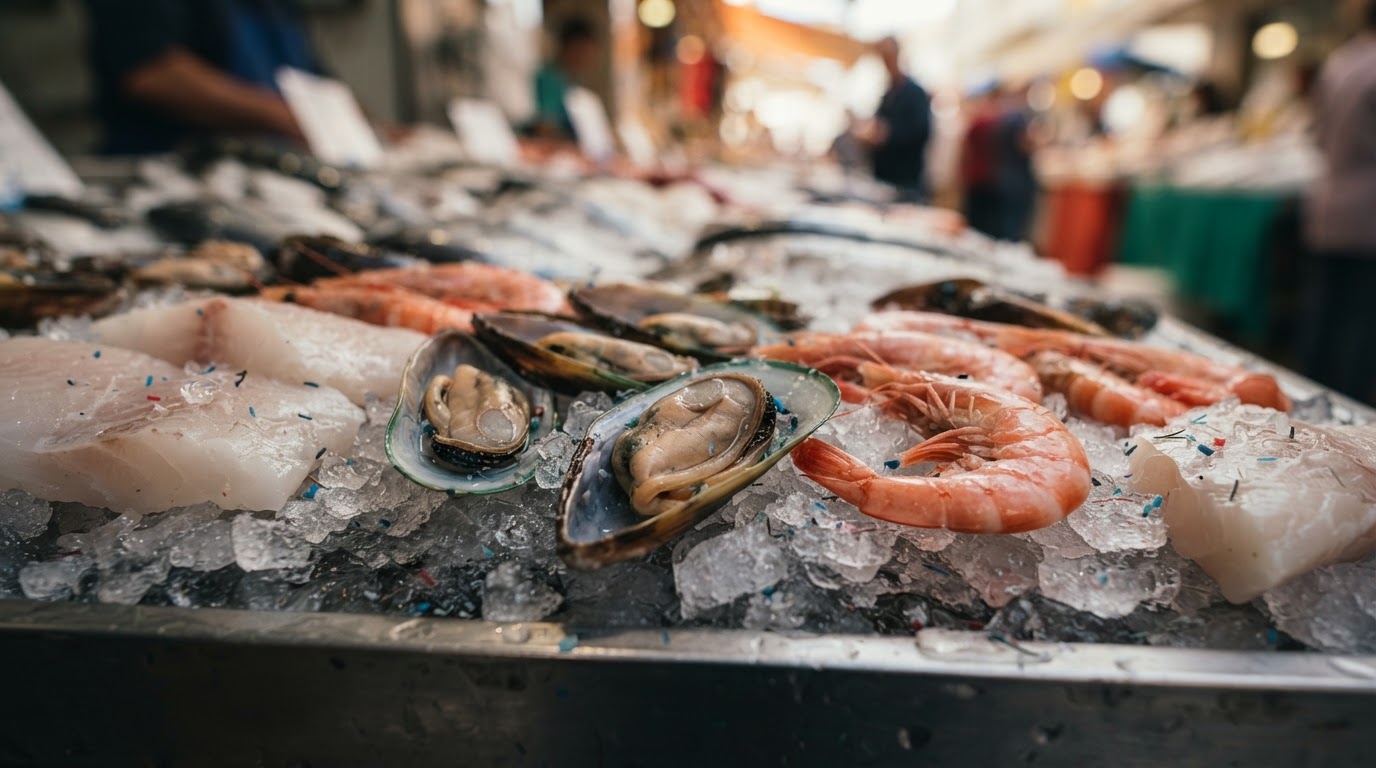
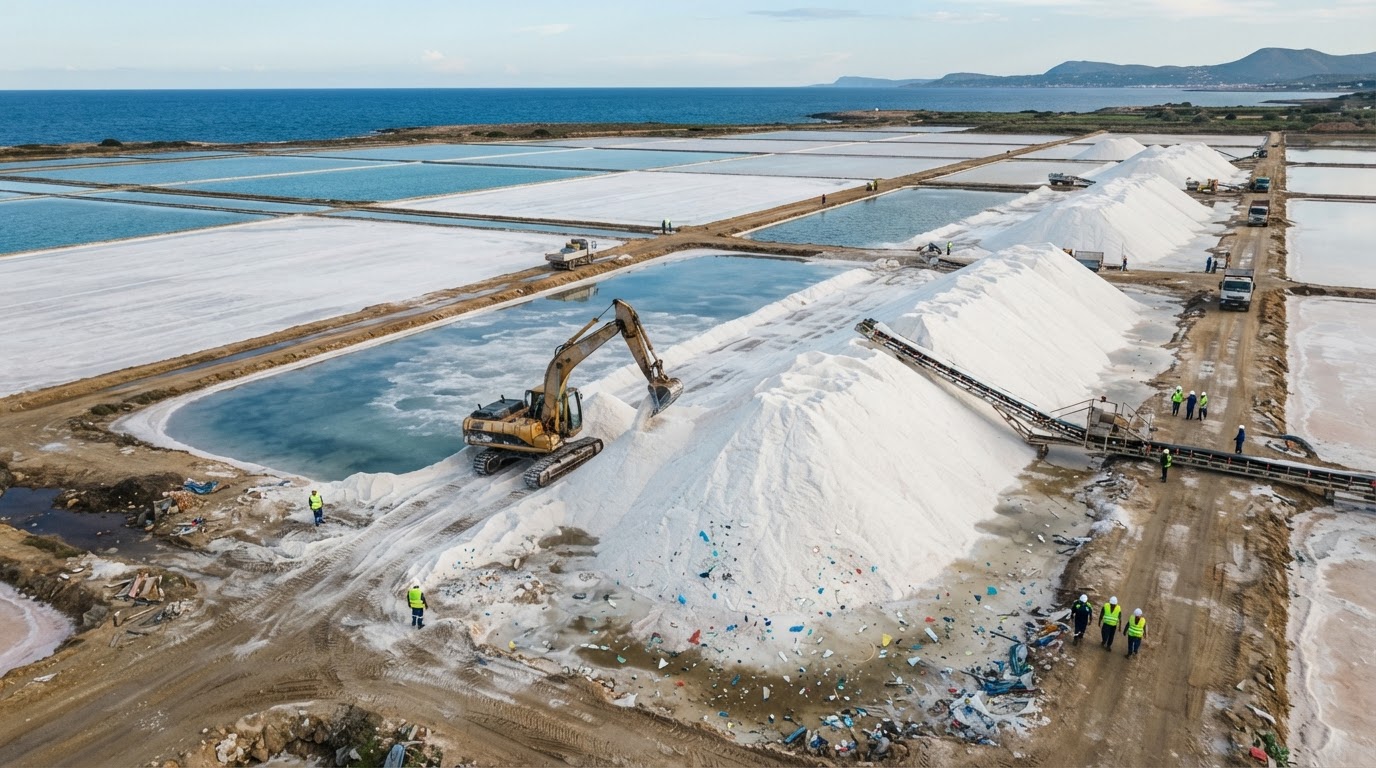
A contaminação por microplásticos em frutos do mar é um problema crescente com implicações complexas para a saúde humana e a integridade dos ecossistemas marinhos.
4 min de leitura
Um ponto de partida útil · desk
Bom jornalismo ambiental ajuda a orientar, verificar uma afirmação e escolher o próximo passo. Reunimos evidências, contexto e caminhos práticos sem reduzir temas complexos a slogans.
Evidência
Baseado em pesquisa
Contexto
Conectado
Próximo passo
Prático
| Comece por | Você encontra | Ideal para |
|---|---|---|
| The overview | A clear answer and the essential terms | First-time readers |
| The evidence | Sources, comparisons and reported context | Checking a claim |
| The pathways | Related topics, tools and further reading | Going deeper |
We separate evidence, interpretation and practical guidance. Claims should be traceable to research, public records or clearly identified editorial analysis.
No. Food systems, animal welfare and climate are connected systems. Individual choices matter, and so do policy, business and collective action.
Use the related topics, topic hubs and calculators on this page to move from a quick answer to the primary context behind it.
Contexto aprofundado
Animal agriculture sits at the intersection of climate, land use, water, public health and animal welfare. These reference points recur across our reporting, so we keep them in one place: the numbers most often cited, the way we read a claim, the myths that survive longest, and the vocabulary you need to follow the debate in any language.
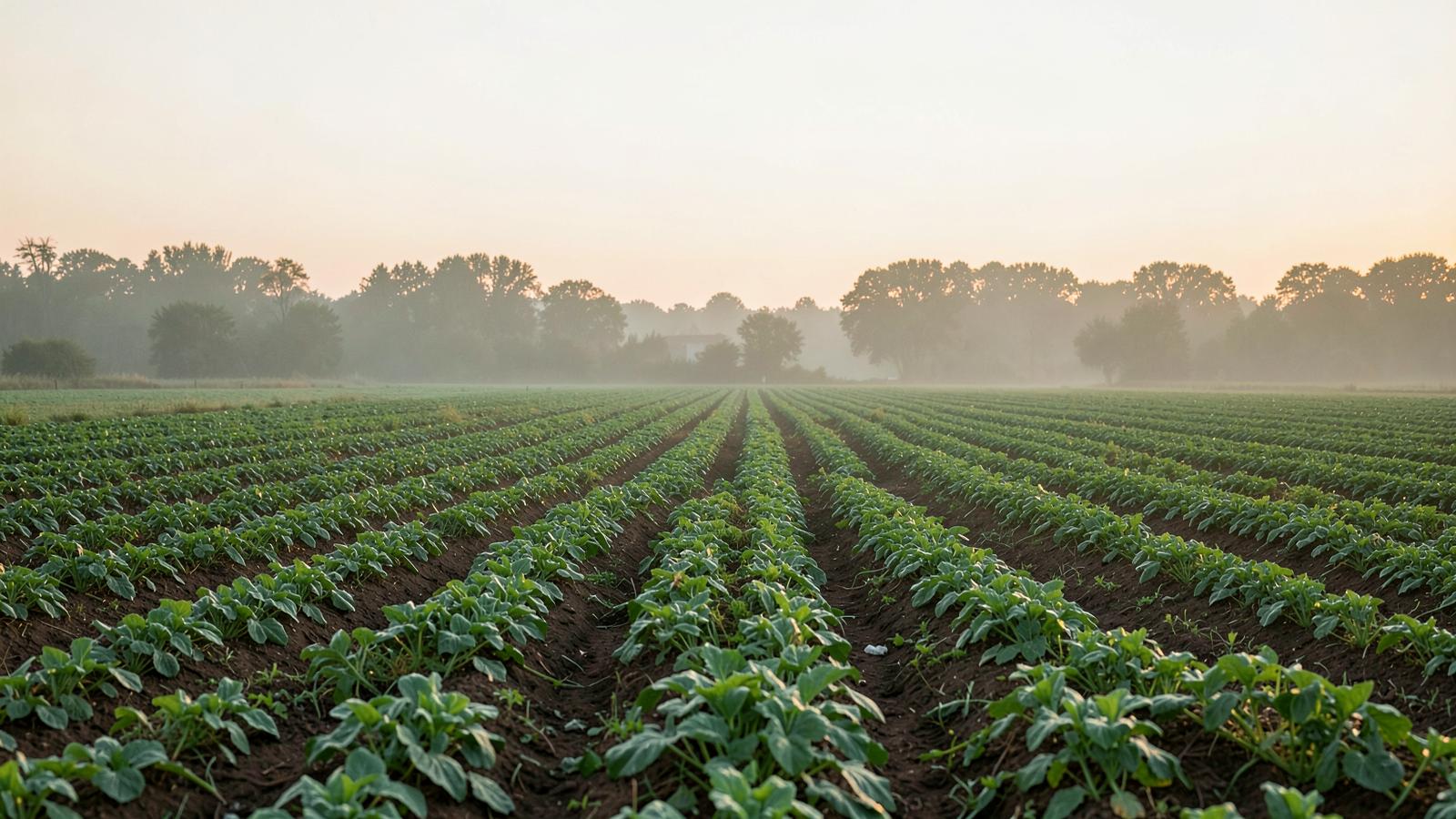
A terra é o ponto de virada
Roughly three quarters of global farmland is used for livestock, yet it supplies a minority of the world's calories. Shifting even part of that land back to crops, forest or wetland is the single largest lever most countries hold.
| Afirmação comum | O que mostram os dados | Por que importa |
|---|---|---|
| Local food is always the lowest-carbon choice | Transport is a small share of most food footprints; what is produced matters more than how far it travelled. | It redirects effort towards the choices with real leverage. |
| Plant-based eating cannot meet protein needs | Legumes, grains, soy foods, nuts and seeds cover protein and amino-acid needs in well-planned diets at every life stage. | Nutrition myths keep people from a change they were open to. |
| Higher-welfare labels mean animals are not harmed | Label standards vary widely and many permit routine practices readers would not expect. | Informed choices depend on knowing what a label actually certifies. |
| Individual choices are irrelevant next to policy | Demand shifts change what is produced, funded and legislated; the two move together. | It replaces fatalism with something you can act on this week. |
Da evidência às escolhas do dia a dia
Numbers describe the system; meals, votes and purchases are how most people meet it. This field guide turns the reporting into concrete swaps, a four-week plan and the signals worth watching, so a page of research becomes something you can act on this week without pretending the hard parts are simple.
| Em vez de | Experimente | Por que importa |
|---|---|---|
| Beef mince | Lentils, beans or soy mince | Beef carries by far the highest emissions and land use per gram of protein. |
| Dairy milk | Soy or pea milk | Comparable protein with a fraction of the land, water and emissions. |
| Cheese in daily meals | Nut or seed-based spreads, cashew cheese | Cheese is the most resource-intensive dairy product per kilogram. |
| Chicken and eggs | Tofu, tempeh, chickpeas | Removes the welfare cost of the most intensively farmed animals. |
| Farmed shrimp and salmon | Beans, jackfruit, seaweed-seasoned dishes | Avoids mangrove loss, bycatch and wild fish used as feed. |
| Butter | Olive or rapeseed oil | Lower emissions per kilogram and better cardiovascular profile. |
Most people who change their diet permanently do it gradually, one meal slot at a time, keeping the food they already like at the centre.
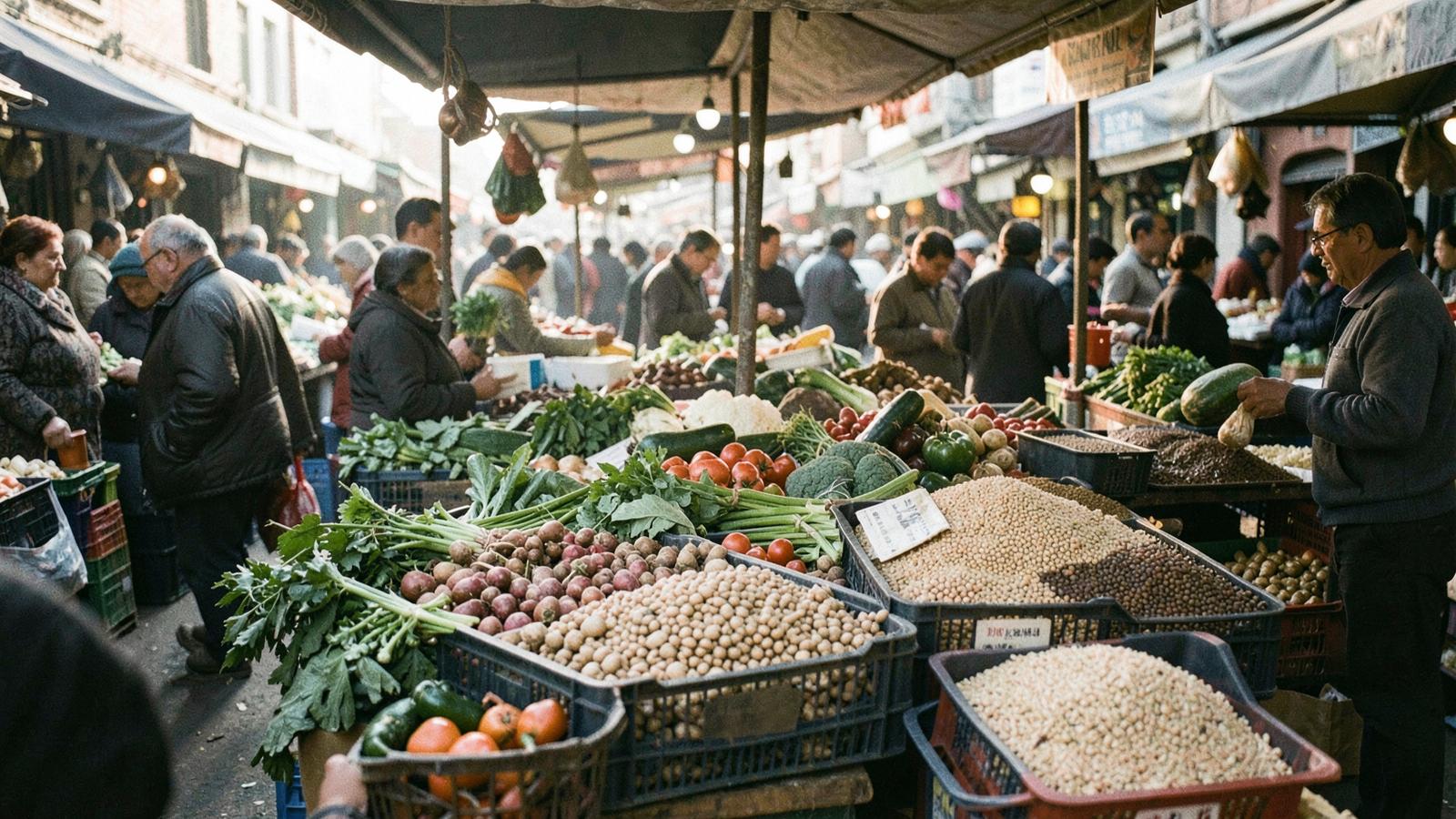
Onde a mudança fica visível
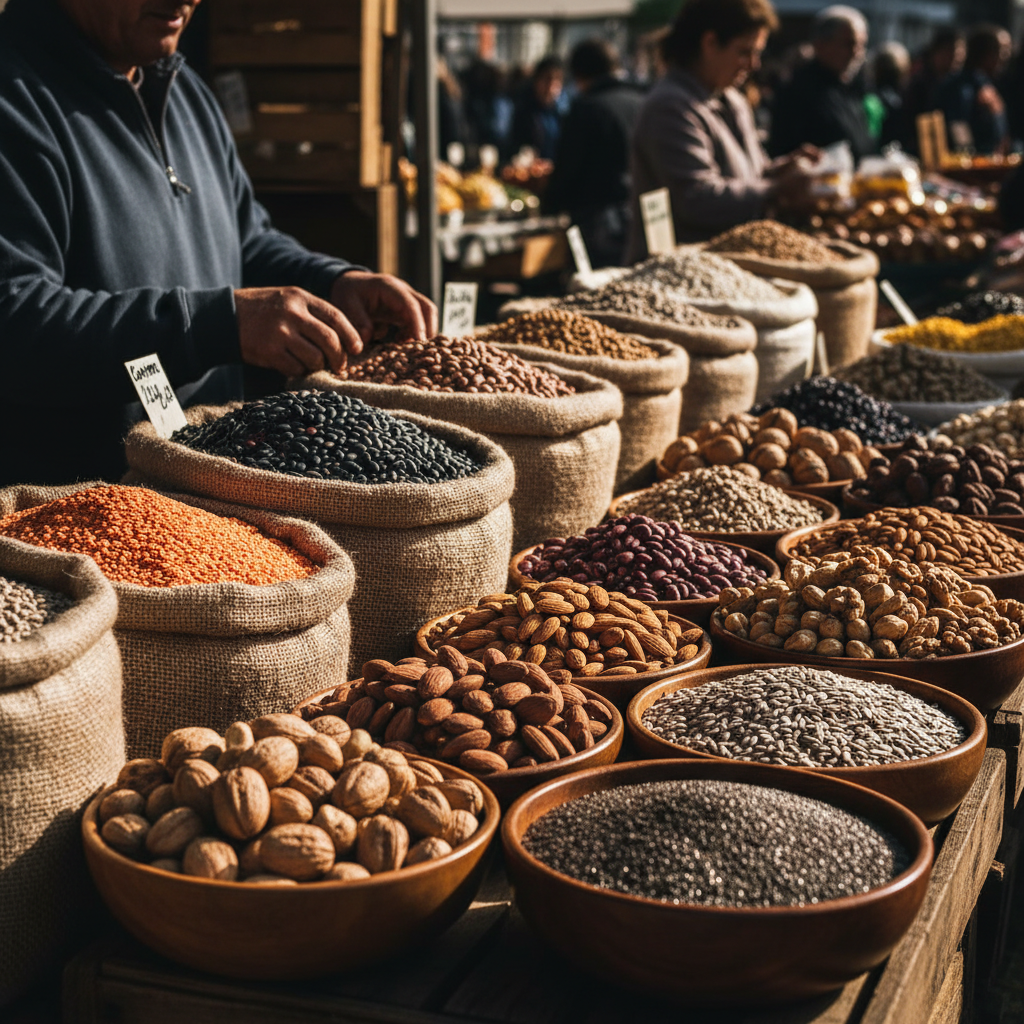
Markets are the clearest place to watch demand shift: as pulses, grains and vegetables take more shelf space, producers, buyers and policy follow the money rather than the argument.
Como o sistema funciona de verdade
Most coverage of animals, diets and climate arrives as isolated stories: a slaughterhouse investigation, a methane figure, a supermarket launch. They belong to one system with a small number of decision points. This map sets out that system stage by stage — who owns each step, where animals enter it, what the public can see, and which levers have historically moved it — so every article on this site can be read in context rather than as an isolated shock.
Animal agriculture is a chain of separate businesses. Pressure applied at one link rarely stays there; it moves upstream to feed and land, or downstream to retail and price.
| Etapa | O que acontece | Onde está a alavanca |
|---|---|---|
| Land and feed | Soy, maize and grass are grown to feed animals, using roughly three quarters of agricultural land worldwide. | Deforestation rules, feed-import standards, and any fall in demand for animal products. |
| Breeding | Genetics companies supply fast-growing birds and high-yield dairy lines used across most of the industry. | Growth-rate standards; welfare commitments that specify breed, not just space. |
| Rearing | Animals are housed at density, typically indoors, with confinement systems that vary by species and country. | Cage, crate and stocking-density law — the fastest-moving area of animal legislation. |
| Transport and slaughter | Live animals move to centralised plants; a small number of companies process most of the volume. | Journey-time limits, CCTV and inspection rules, stunning requirements. |
| Processing and brands | Meat and dairy become branded products, with margins concentrated in processing rather than farming. | Labelling law, marketing claims, and corporate sourcing commitments. |
| Retail and food service | Supermarkets, canteens and restaurants set the default meal for most people most days. | Shelf share, menu defaults, procurement contracts and price parity. |
| The plate | Households choose within the range and prices the previous stages allow. | Repeat purchases, which retailers track far more closely than surveys. |
Individual choices matter, but they are amplified or blunted by a handful of institutions that set defaults for millions of meals at a time.
A terra é a variável silenciosa
Most farmland on earth feeds animals rather than people directly. That single fact explains why diet, deforestation, wildlife loss and climate keep turning up in the same story.
| Região | O que determina os resultados |
|---|---|
| European Union | Confinement law and labelling lead globally; the unresolved question is imported animal products produced to lower standards. |
| United States | State ballot measures drive welfare change while federal rules lag; litigation over interstate sales is the recurring battleground. |
| Brazil and South America | Feed-crop expansion and cattle ranching sit at the interface with forest loss, making land use the decisive issue. |
| China and East Asia | Rapid growth in intensive production alongside fast-growing plant-based and cultivated protein investment. |
| India and South Asia | The world's largest dairy sector, where welfare questions centre on cattle, transport and the fate of male calves. |
| Sub-Saharan Africa | Smallholder systems dominate today; whether intensive models are imported is still an open decision. |
Change in this system is slow, then sudden. These are the shifts that repeat across countries once they start.
Most disputes come down to a handful of recurring tricks. Running a claim through these questions resolves the majority of them.