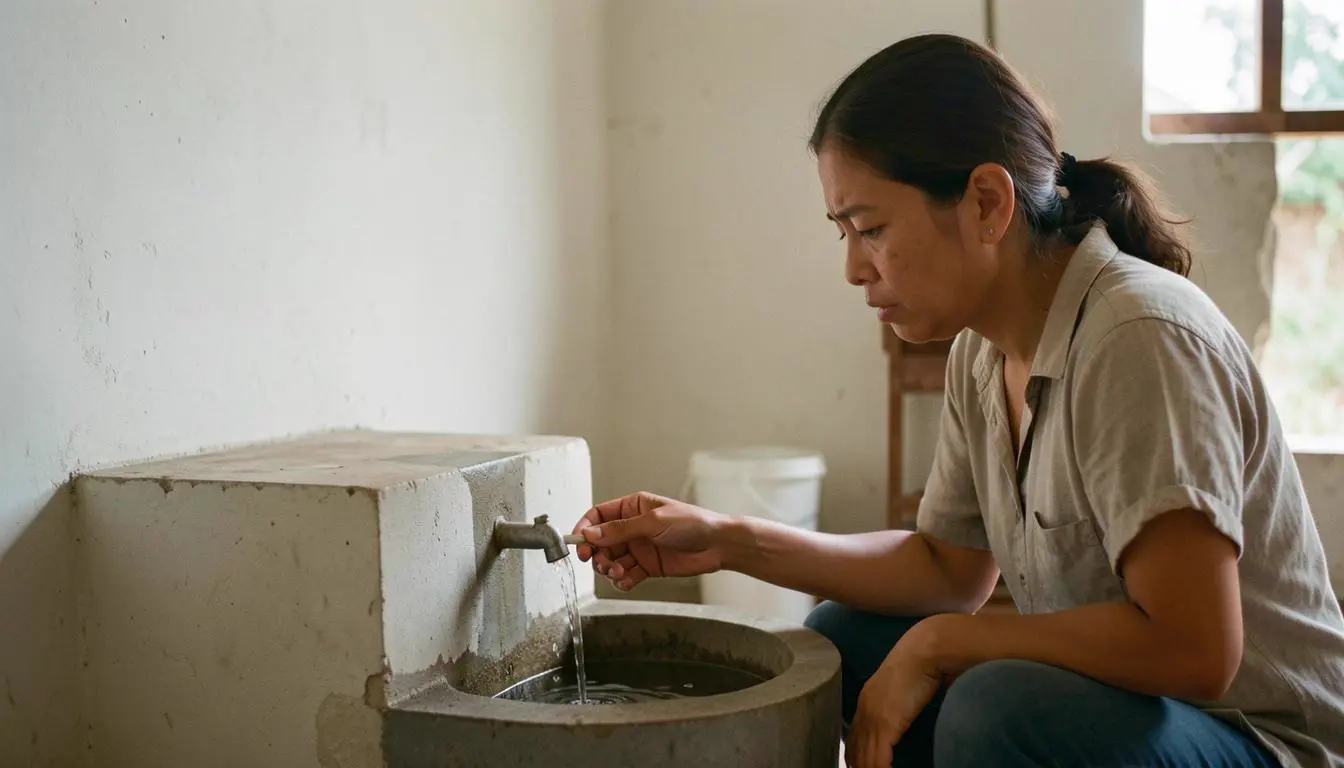
तुम्हाला माहित आहे का की भारतातील जवळजवळ निम्मी ग्रामीण कुटुंबे पिण्याच्या पाण्यासाठी खाजगी विहिरींवर अवलंबून आहेत? तथापि, या विहिरी जवळच्या प्रतिबंधित प्राणी आहार कार्यांद्वारे (CAFOs) नायट्रेट्सने दूषित होऊ शकतात, ज्यामुळे मुलांसाठी महत्त्वपूर्ण आरोग्य धोका निर्माण होतो. भारतीय वैद्यकीय संशोधन परिषदेच्या (ICMR, २०२१) अभ्यासानुसार, CAFO जवळील विहिरींमध्ये नायट्रेटची पातळी अनेकदा भारतीय मानक ब्युरोच्या (BIS) १०० मिग्रॅ/लि मर्यादेपेक्षा जास्त असते.
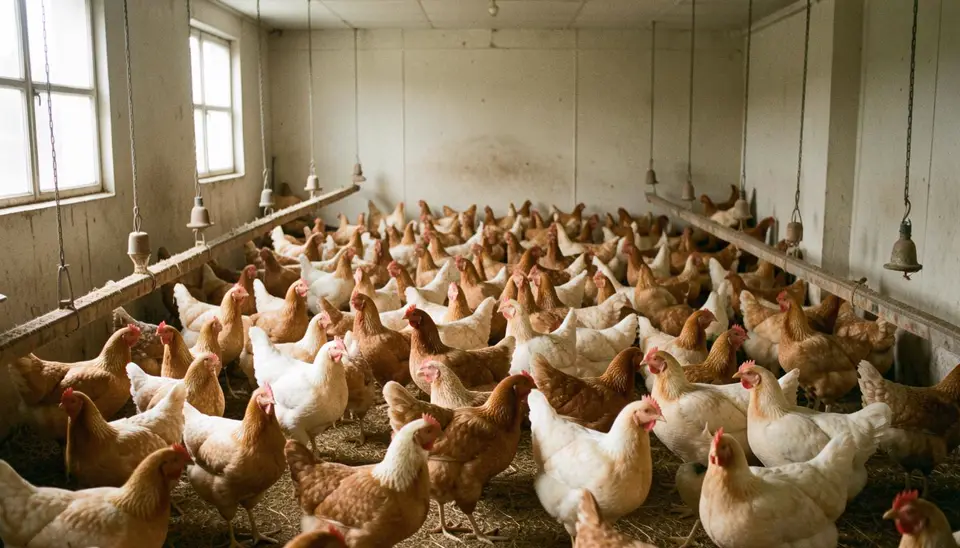
CAFOs, ज्यामध्ये अनेकदा हजारो प्राणी असतात, मोठ्या प्रमाणात शेण आणि मूत्र तयार करतात, ज्यामध्ये नायट्रेट्सचे उच्च प्रमाण असू शकते. जेव्हा पावसाचे पाणी किंवा सिंचनाचे पाणी या कचरा सामग्रीच्या संपर्कात येते, तेव्हा ते नायट्रेट्स भूजलात मुरवू शकते, जवळच्या विहिरींना दूषित करू शकते.
नायट्रेट प्रदूषणाचा मुलांच्या आरोग्यावर कसा परिणाम होतो?
नायट्रेट-दूषित पाण्याच्या संपर्कात आल्यास मुलांसाठी गंभीर आरोग्य परिणाम होऊ शकतात. नायट्रेट्स पोटातील काही संयुगांसोबत प्रतिक्रिया देऊन नायट्रोसामाइन्स तयार करू शकतात, जे ज्ञात कर्करोगजनक आहेत. याव्यतिरिक्त, उच्च नायट्रेट पातळीमुळे मेथेमोग्लोबिनेमिया होऊ शकतो, ही स्थिती रक्ताची ऑक्सिजन वाहून नेण्याची क्षमता कमी करते, ज्यामुळे श्वास लागणे आणि थकवा यासारखी लक्षणे दिसतात.
“मुले त्यांच्या लहान शरीराच्या आकारामुळे आणि जलद चयापचयामुळे नायट्रेट प्रदूषणाच्या हानिकारक परिणामांना अधिक असुरक्षित असतात. मुलांमध्ये नायट्रेटच्या कमी पातळीच्या संपर्कात आल्यासही प्रतिकूल आरोग्य परिणाम होऊ शकतात.”
भारतात CAFO साठी सध्याचे नियम काय आहेत?
भारतात, जल (प्रदूषण प्रतिबंध आणि नियंत्रण) कायदा, १९७४ आणि जल (प्रदूषण प्रतिबंध आणि नियंत्रण) नियम, १९७५ पाण्याच्या स्रोतांमध्ये प्रदूषकांच्या विसर्जनाचे नियमन करतात. तथापि, ग्रामीण भागात या नियमांची अंमलबजावणी करणे आव्हानात्मक असू शकते आणि अनेक CAFO या मानकांचे पालन करू शकत नाहीत.
| CAFO पासून अंतर | सरासरी नायट्रेट पातळी (मिग्रॅ/लि) |
|---|---|
| जवळ (<१ किमी) | 150 |
| मध्यम (१-५ किमी) | 120 |
| दूर (>५ किमी) | 80 |
आपण आपल्या मुलाचे विहिरीच्या पाण्यातील नायट्रेट प्रदूषणापासून संरक्षण कसे करू शकता?
आपल्या मुलाच्या आरोग्याचे रक्षण करण्यासाठी, विहिरीच्या पाण्यातील नायट्रेट प्रदूषणाशी संबंधित जोखीम कमी करण्यासाठी या व्यावहारिक पावलांचे अनुसरण करा.
आपल्या मुलाचे नायट्रेट प्रदूषणापासून संरक्षण करण्यासाठी पावले
- 1
आपल्या विहिरीच्या पाण्याची नियमित चाचणी घ्या
आपल्या विहिरीच्या पाण्याची वर्षातून किमान एकदा नायट्रेट्ससाठी चाचणी घ्या. आपण नायट्रेट चाचणी किट खरेदी करू शकता किंवा नमुने प्रमाणित प्रयोगशाळेत पाठवू शकता.
- 2
नायट्रेट काढून टाकणारी प्रणाली स्थापित करा
जर नायट्रेटची पातळी BIS मर्यादेपेक्षा जास्त असेल, तर नायट्रेटचे प्रमाण कमी करण्यासाठी आयन एक्सचेंज रेझिन फिल्टर सारखी नायट्रेट काढून टाकणारी प्रणाली स्थापित करण्याचा विचार करा.
- 3
पाणी मृदू करणारे उपकरण वापरणे टाळा
पाणी मृदू करणारे उपकरण नायट्रेटची पातळी वाढवू शकतात, म्हणून कडक पाण्यावर उपचार करण्यासाठी रिव्हर्स ऑस्मोसिस किंवा मीठ-मुक्त पाणी कंडिशनर सारख्या पर्यायी पद्धतींचा विचार करा.
- 4
स्वतःला आणि इतरांना शिक्षित करा
CAFO पाणी प्रदूषण आणि सार्वजनिक आरोग्यावर त्याचे परिणाम याबद्दल माहिती ठेवा. जागरूकता वाढवण्यासाठी आणि कठोर नियमांची वकिली करण्यासाठी आपले ज्ञान शेजारी, मित्र आणि स्थानिक अधिकाऱ्यांसह सामायिक करा.
CAFO पाणी प्रदूषण रोखण्यासाठी काय करता येईल?
CAFO पाणी प्रदूषणाच्या वाढत्या समस्येचे निराकरण करण्यासाठी, नियामक उपाय आणि समुदाय सहभाग या दोन्हींचा समावेश असलेला बहुआयामी दृष्टिकोन आवश्यक आहे.
वारंवार विचारले जाणारे प्रश्न
माझ्या विहिरीचे पाणी नायट्रेट्सने दूषित आहे हे मी कसे ओळखू शकतो?+
उच्च नायट्रेट पातळीमुळे पाण्याची चव कडू किंवा खारट होऊ शकते, तथापि अचूक परिणामांसाठी पाणी चाचणी सारख्या शोधाच्या इतर पद्धतींची शिफारस केली जाते.
मुलांमध्ये मेथेमोग्लोबिनेमियाची लक्षणे कोणती आहेत?+
लक्षणांमध्ये श्वास लागणे, थकवा, डोकेदुखी आणि त्वचेचा निळसर रंग यांचा समावेश असू शकतो, ज्याला सायनोसिस म्हणतात. जर तुम्हाला तुमच्या मुलामध्ये ही लक्षणे दिसत असल्याचा संशय असेल तर त्वरित आरोग्यसेवा व्यावसायिकांचा सल्ला घ्या.
जर माझ्या विहिरीचे पाणी नायट्रेट्सने दूषित असेल तर काही पर्यायी पाणी स्रोत आहेत का?+
होय, तुम्ही बाटलीबंद पाणी वापरण्याचा किंवा उपलब्ध असल्यास सार्वजनिक पाणीपुरवठ्याशी जोडण्याचा विचार करू शकता, जेणेकरून तुमच्या कुटुंबासाठी सुरक्षित पिण्याच्या पाण्याचा प्रवेश सुनिश्चित होईल.
कठोर CAFO नियमांची वकिली करण्यासाठी मी कसे सहभागी होऊ शकतो?+
तुमच्या चिंता व्यक्त करण्यासाठी आणि CAFO कचरा व्यवस्थापनावर कठोर नियमांसाठी दबाव आणण्यासाठी स्थानिक पर्यावरणीय संस्थांमध्ये सामील व्हा, सार्वजनिक सभांना उपस्थित राहा आणि तुमच्या स्थानिक प्रतिनिधींशी संपर्क साधा.