गुप्त तपासण्यांनी भारतीय फॅक्टरी फार्म्समध्ये ब्रॉयलर स्टॉकिंग डेन्सिटीची चिंताजनक उच्च पातळी उघडकीस आणली आहे, ज्यामुळे प्राणी कल्याण आणि मानवी आरोग्याबाबत चिंता निर्माण झाली आहे. हा लेख या तपासण्यांचे निष्कर्ष आणि या परिस्थिती कायम ठेवणाऱ्या कायदेशीर पोकळ्या यावर प्रकाश टाकतो.
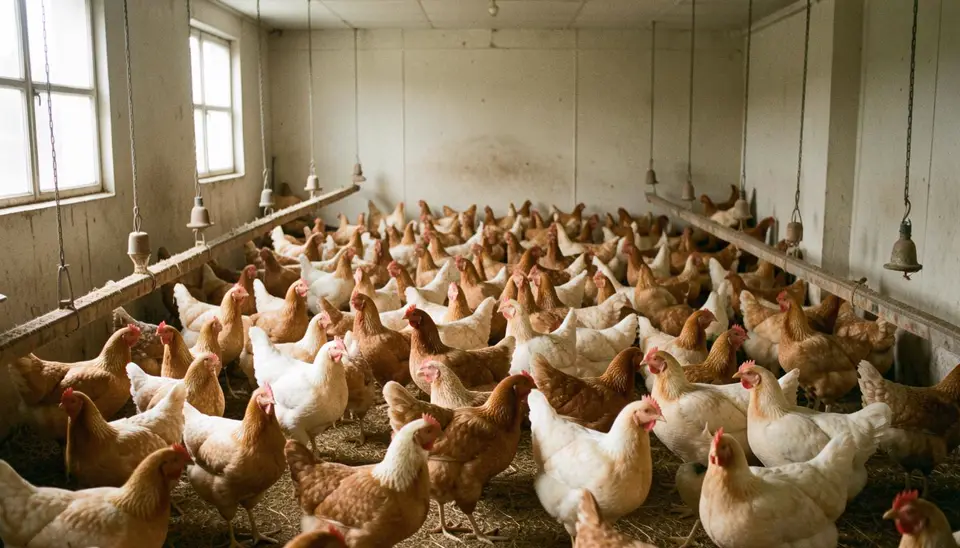
वर्ल्ड अॅनिमल प्रोटेक्शन (WAP) 22 kg/m2 पर्यंतची स्टॉकिंग डेन्सिटी स्वीकार्य मानते. तथापि, भारतातील गुप्त तपासण्यांमध्ये 40 kg/m2 पर्यंतची डेन्सिटी आढळली आहे, काही शेतात 50 kg/m2 पेक्षा जास्त डेन्सिटी आहे.
गुप्त तपासण्यांमुळे उच्च स्टॉकिंग डेन्सिटी उघडकीस येते
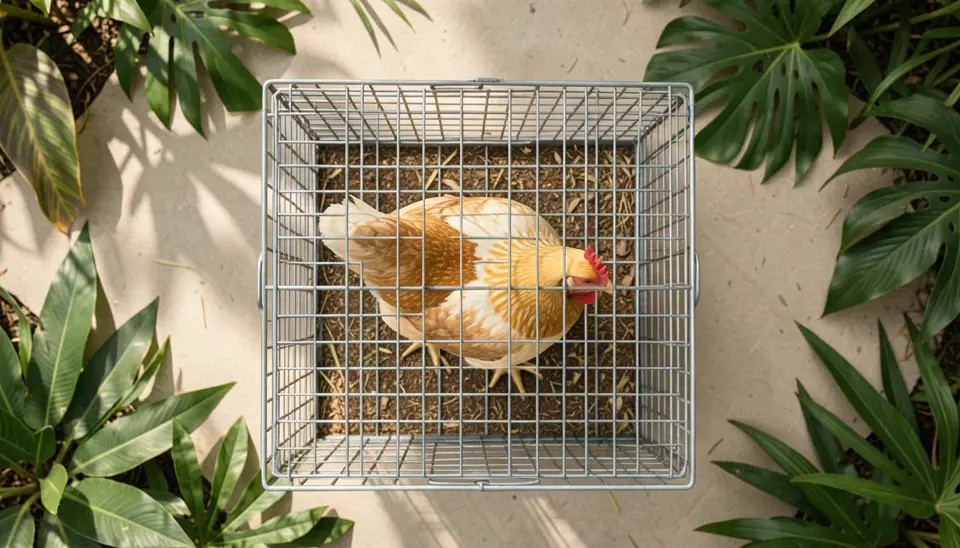
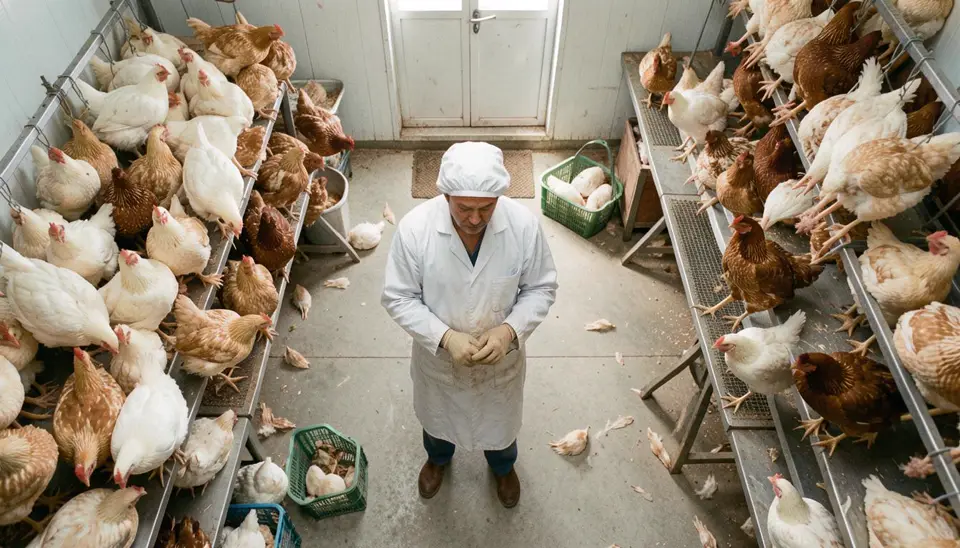
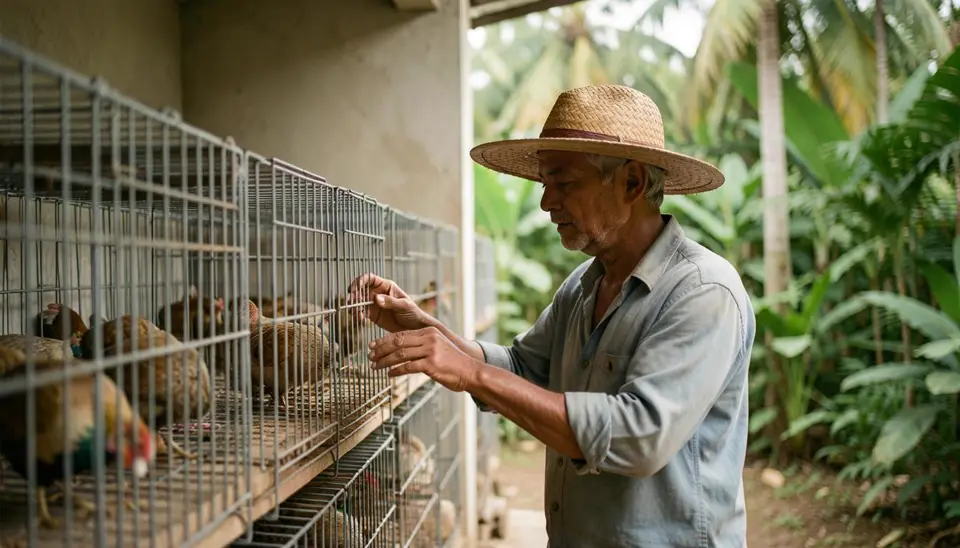
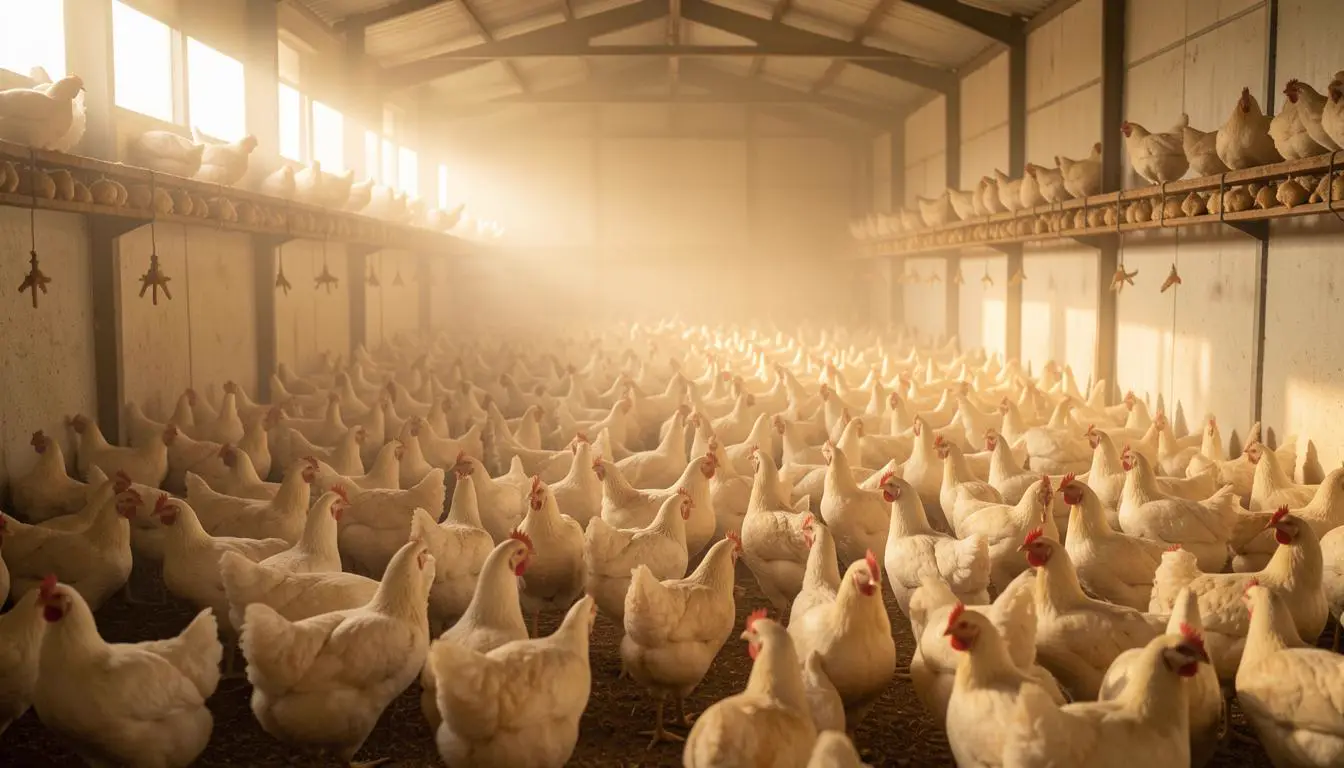
2022 मध्ये, द इंडियन एक्सप्रेसच्या गुप्त तपासणीत तेलंगणातील एका शेतात ब्रॉयलर कोंबडे लहान पिंजऱ्यात भरलेले आढळले, ज्यात हालचाल करण्यासाठी पुरेशी जागा नव्हती. स्टॉकिंग डेन्सिटी 40 kg/m2 पेक्षा जास्त आढळली, जी स्वीकार्य मर्यादेच्या दुप्पट आहे.
“कोंबडे इतके गर्दीने भरलेले होते की ते हालचाल करू शकत नव्हते किंवा पंख पसरवू शकत नव्हते. या निर्दोष प्राण्यांबद्दल अशी क्रूरता पाहून मन दुखावले गेले.”
कायदेशीर पोकळ्या खराब परिस्थिती सक्षम करतात
प्राणी क्रूरता प्रतिबंधक (PCA) कायदा, 1960, प्राण्यांबद्दल क्रूरता प्रतिबंधित करतो. तथापि, कायद्यातील पोकळ्या फॅक्टरी फार्म्सना शिक्षेशिवाय कार्य करू देतात. PCA कायदा स्टॉकिंग डेन्सिटी निर्दिष्ट करत नाही, ज्यामुळे व्याख्या आणि शिथिलतेसाठी जागा राहते.
नियामक संस्थांनी अंमलबजावणी वाढवणे आवश्यक आहे
पशुसंवर्धन आणि दुग्धव्यवसाय विभाग (DAHD) पोल्ट्री फार्म्सचे नियमन करण्यासाठी जबाबदार आहे. तथापि, विद्यमान नियमांची अंमलबजावणी कमकुवत आहे, आणि अनेक शेतं योग्य परवाने किंवा तपासणीशिवाय चालतात.
| देश | स्वीकार्य स्टॉकिंग डेन्सिटी (kg/m2) | सामान्यतः आढळणारी स्टॉकिंग डेन्सिटी (kg/m2) |
|---|---|---|
| भारत | 22 | 25-40+ |
| युनायटेड स्टेट्स | 18 | 18-22 |
| युरोपियन युनियन | 33 | 33 |
भारतीय पोल्ट्रीमध्ये अँटिबायोटिक वापर
शेवटी, गुप्त तपासण्यांनी भारतीय फॅक्टरी फार्म्समध्ये ब्रॉयलर स्टॉकिंग डेन्सिटीची चिंताजनक उच्च पातळी उघडकीस आणली आहे. कायदेशीर पोकळ्या आणि नियमांची कमकुवत अंमलबजावणी या पद्धती चालू ठेवू देतात, ज्यामुळे प्राणी कल्याण आणि मानवी आरोग्यास धोका निर्माण होतो. नियामक संस्थांनी या समस्येचे निराकरण करण्यासाठी त्यांची अंमलबजावणी आणि देखरेख मजबूत करणे आवश्यक आहे.
वारंवार विचारले जाणारे प्रश्न
भारतातील स्वीकार्य ब्रॉयलर स्टॉकिंग डेन्सिटी किती आहे?+
वर्ल्ड अॅनिमल प्रोटेक्शन 22 kg/m2 पर्यंतची स्टॉकिंग डेन्सिटी स्वीकार्य मानते.
उच्च ब्रॉयलर स्टॉकिंग डेन्सिटीचे मानवी आरोग्यास काय धोके आहेत?+
उच्च स्टॉकिंग डेन्सिटीमुळे अँटिबायोटिक्सचा अतिवापर होतो, ज्यामुळे अँटिबायोटिक प्रतिरोधकता निर्माण होते, ज्यामुळे मानवी आरोग्यास धोका निर्माण होतो.
भारतात चांगल्या ब्रॉयलर कल्याणास समर्थन देण्यासाठी ग्राहक काय करू शकतात?+
ग्राहक सर्टिफाइड ह्युमन किंवा इतर कल्याण-प्रमाणित उत्पादने निवडून आणि फॅक्टरी फार्म्सच्या मजबूत नियमनासाठी वकिली करून चांगल्या ब्रॉयलर कल्याणास समर्थन देऊ शकतात.