चिक मॅसेरेशन, अंडी उद्योगात नर पिल्ले उबवल्यानंतर लगेचच त्यांना दळून टाकण्याची प्रथा, हा बराच काळ वादग्रस्त विषय राहिला आहे. स्थानिक आणि जागतिक स्तरावर या चिंतेचे निराकरण करण्यासाठी पॉलिसी रिफॉर्म महत्त्वाचा आहे. हा लेख पॉलिसी बदल घडवून आणण्यासाठीच्या ११ मुख्य पायऱ्या स्पष्ट करतो, विविध प्रदेशांमधील दृष्टिकोनांची तुलना करतो.
समस्या समजून घेणे
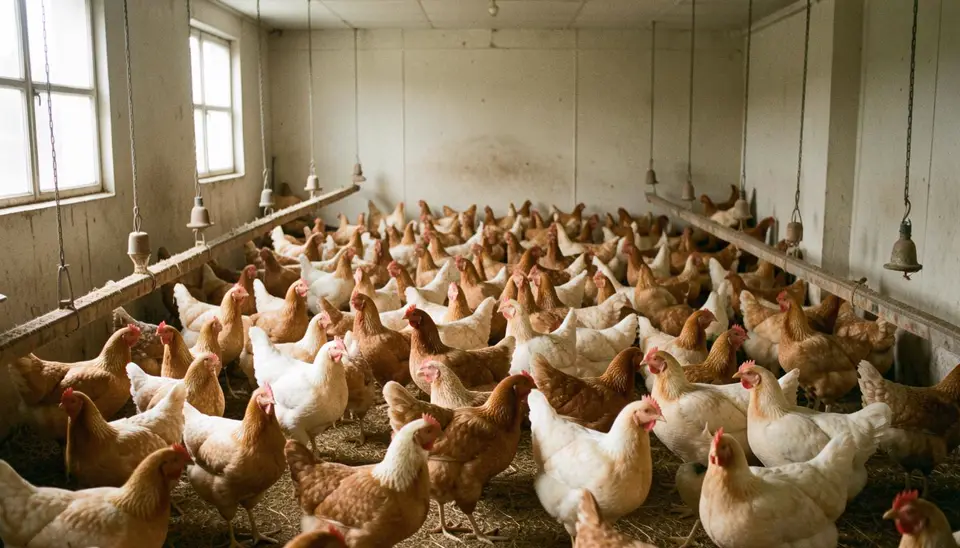
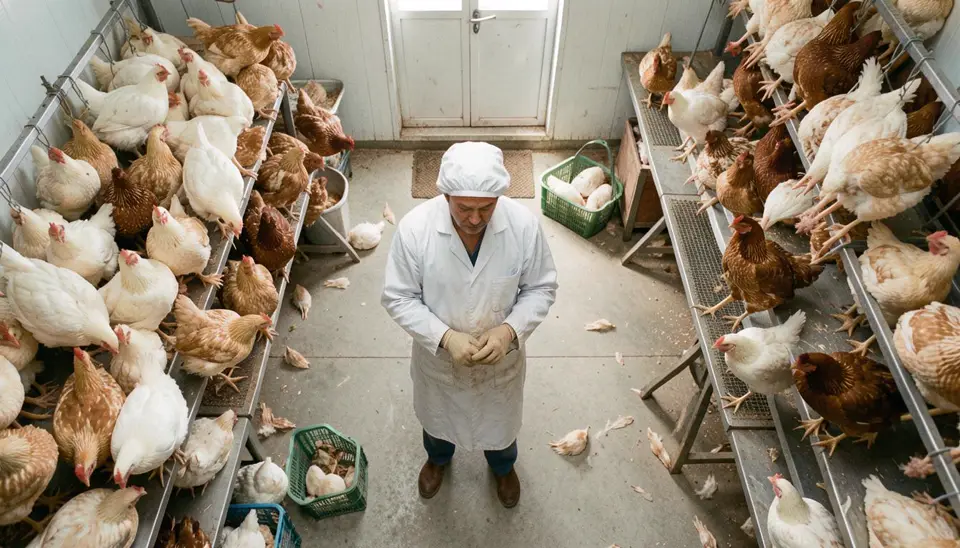
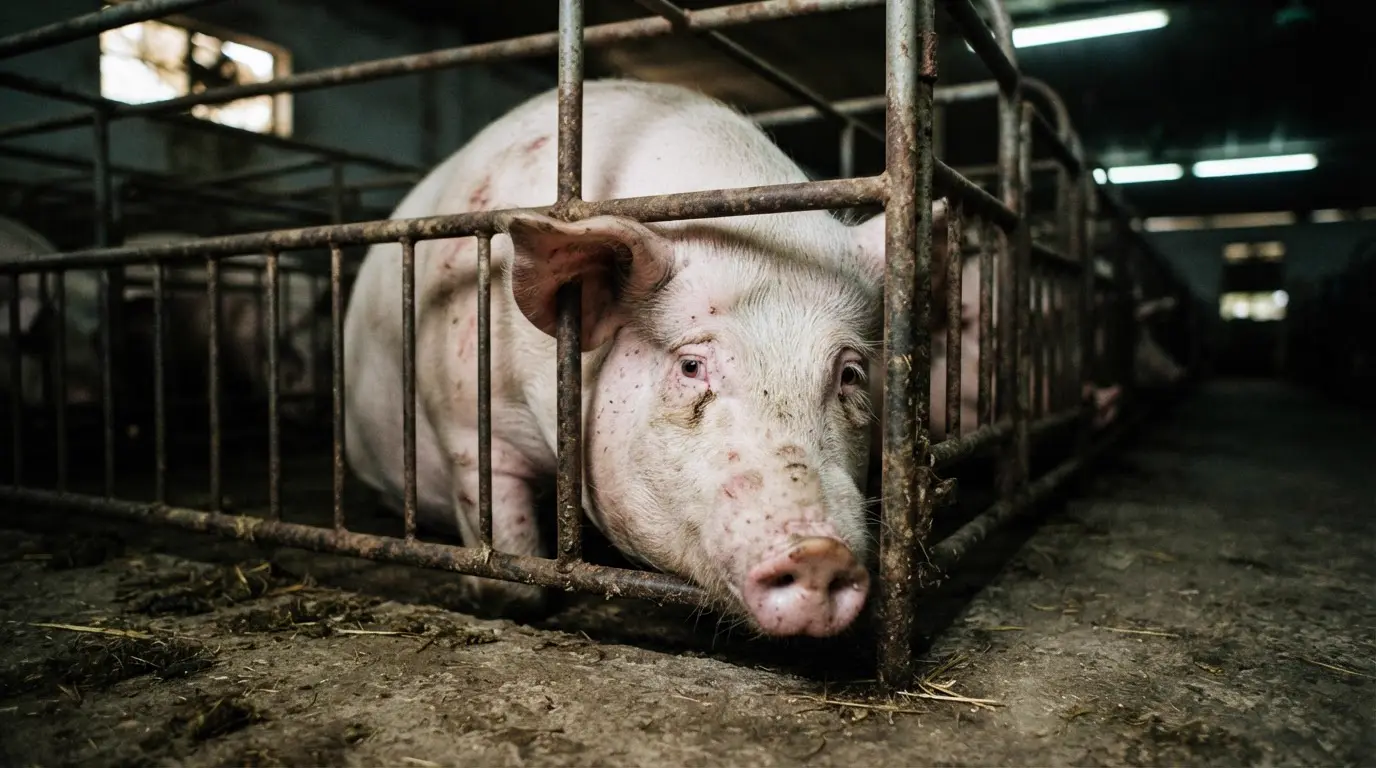
चिक मॅसेरेशन हा अंडी उद्योगाचा उबवणुकीसाठी नर पिल्लांवर अवलंबून राहण्याचा परिणाम आहे. नर पिल्ले अंडी किंवा मांस देत नसल्याने, त्यांना निरुपयोगी मानले जाते आणि उबवल्यानंतर लगेचच त्यांची विल्हेवाट लावली जाते.
स्थानिक पॉलिसी रिफॉर्म: यशोगाथा
काही देशांनी चिक मॅसेरेशनच्या समस्येचे निराकरण करण्यासाठी यशस्वीपणे स्थानिक पॉलिसी रिफॉर्म लागू केले आहेत. उदाहरणार्थ, स्वित्झर्लंडमध्ये, २०२१ मध्ये एका राष्ट्रव्यापी जनमत चाचणीत चिक मॅसेरेशनवर बंदी मंजूर करण्यात आली, जी २०२५ मध्ये लागू होणार आहे.
| देश | बंदीची स्थिती | अंमलबजावणीची तारीख |
|---|---|---|
| स्वित्झर्लंड | मंजूर | 2025 |
| जर्मनी | प्रस्तावित | पुनरावलोकनाधीन |
| नेदरलँड्स | अंमलात आणले | 2020 |
“आम्ही दाखवून दिले आहे की एक दिवसाच्या नर पिल्लांना न मारता अंडी तयार करणे शक्य आहे. आता उद्योगाने आवश्यक बदल करण्याची जबाबदारी आहे.”
जागतिक पॉलिसी रिफॉर्म: आव्हाने आणि संधी
स्थानिक पॉलिसी रिफॉर्म बदल घडवून आणू शकतात, तरी जागतिक स्तरावर चिक मॅसेरेशनचे निराकरण करणे अद्वितीय आव्हाने सादर करते. देशांमधील नियमांची विविधता आणि अंमलबजावणीची क्षमता यामुळे सुसंवाद साधणे कठीण होते.
चिक मॅसेरेशनचे जागतिक प्रमाण (२०२०-२०२४)
पॉलिसी बदल घडवून आणण्यासाठीच्या पायऱ्या
चिक मॅसेरेशनसाठी पॉलिसी रिफॉर्म घडवून आणण्यासाठीच्या ११ पायऱ्या
- 1
१. भागधारकांना शिक्षित करा
ग्राहक, उद्योग आणि धोरणकर्त्यांमध्ये या समस्येबद्दल आणि उपलब्ध पर्यायांबद्दल जागरूकता वाढवा.
- 2
२. स्थानिक पातळीवर लॉबिंग करा
चिक मॅसेरेशनवर स्थानिक बंदी लागू करण्यासाठी स्थानिक धोरणकर्ते आणि वकिली गटांशी संपर्क साधा.
- 3
३. संशोधनाला पाठिंबा द्या
चिक मॅसेरेशन कमी करणारे किंवा काढून टाकणारे पर्यायी तंत्रज्ञान आणि पद्धतींवर संशोधनासाठी निधी द्या आणि प्रोत्साहन द्या.
- 4
४. उद्योग अवलंबनास प्रोत्साहन द्या
अंडी उत्पादक आणि प्रक्रियाकर्त्यांसोबत चिक मॅसेरेशनचे पर्याय स्वीकारण्यासाठी आणि अंमलात आणण्यासाठी कार्य करा.
- 5
५. राष्ट्रीय स्तरावर लॉबिंग करा
चिक मॅसेरेशनवर बंदी घालणाऱ्या किंवा प्रतिबंधित करणाऱ्या आणि पर्यायी पद्धतींना प्रोत्साहन देणाऱ्या राष्ट्रीय धोरणांसाठी वकिली करा.
- 6
६. आंतरराष्ट्रीय सहकार्य वाढवा
नियमांमध्ये सुसंवाद साधण्यासाठी आणि सर्वोत्तम पद्धती सामायिक करण्यासाठी आंतरराष्ट्रीय संस्था आणि इतर देशांसोबत सहकार्य करा.
- 7
७. अंमलबजावणी मजबूत करा
प्राणी कल्याण नियमांचे उल्लंघन केल्यास कडक शिक्षा आणि चांगल्या अंमलबजावणीसाठी वकिली करा.
- 8
८. ग्राहकांची मागणी वाढवा
नैतिक अंडी उत्पादनांबद्दल ग्राहक जागरूकता आणि मागणी वाढवा.
- 9
९. आंतरराष्ट्रीय स्तरावर लॉबिंग करा
चिक मॅसेरेशनचे निराकरण करणाऱ्या आणि प्राणी कल्याण वाढवणाऱ्या आंतरराष्ट्रीय धोरणांसाठी वकिली करा.
- 10
१०. देखरेख आणि अहवाल
नियम आणि पर्यायी पद्धतींचे उद्योग अनुपालन ट्रॅक करा आणि अहवाल द्या.
- 11
११. यश साजरे करा
जेथे पॉलिसी रिफॉर्ममुळे चिक मॅसेरेशनमध्ये घट झाली आहे अशा उदाहरणांवर प्रकाश टाका आणि साजरे करा.
वारंवार विचारले जाणारे प्रश्न
चिक मॅसेरेशनचे मुख्य पर्याय कोणते आहेत?+
इन-ओवो लिंग निर्धारण, आंतरप्रजनन आणि नर रेषा निवड हे चिक मॅसेरेशनचे काही मुख्य पर्याय आहेत.
ग्राहक चिक मॅसेरेशन कमी करण्यासाठी कशी मदत करू शकतात?+
ग्राहक प्रमाणित प्राणी कल्याण लेबलांची मागणी करू शकतात, नैतिक अंडी सोर्सिंगला प्राधान्य देणाऱ्या किरकोळ विक्रेत्यांना पाठिंबा देऊ शकतात आणि इतरांना या समस्येबद्दल शिक्षित करू शकतात.