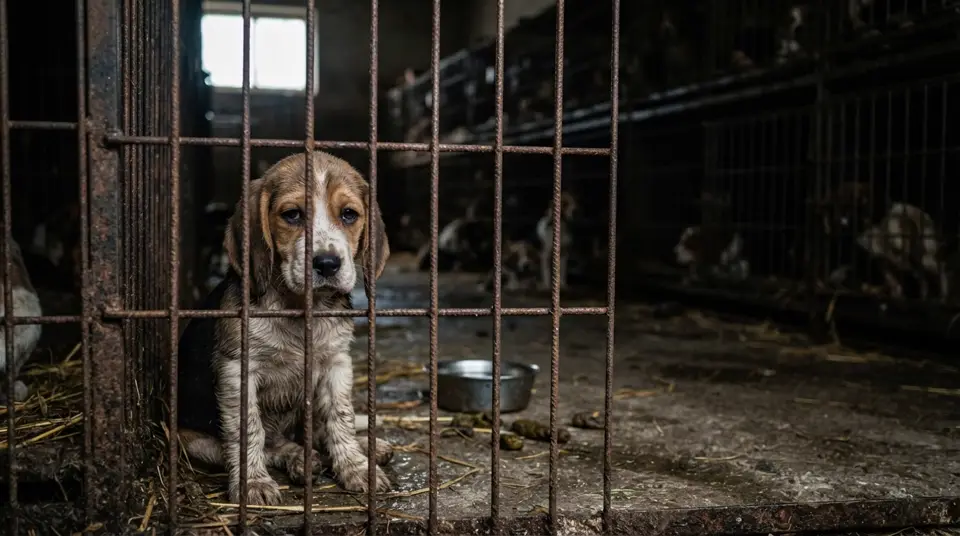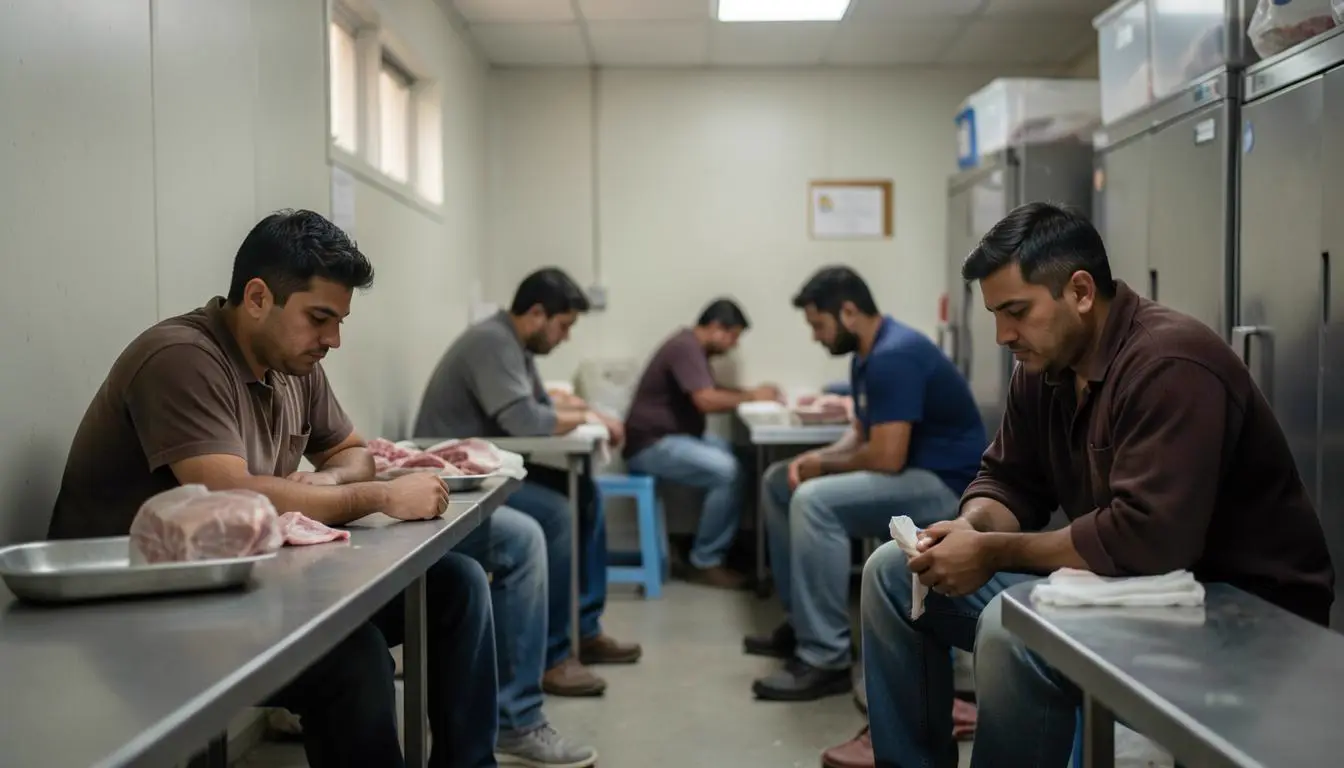
In the face of farm consolidation, many small farmers are pushed out, leading to a rise in immigrant labor in slaughterhouses. But is this trend ethical? Let's delve into the complex intersection of immigration and slaughterhouse labor.
As large corporations buy up smaller farms, many small farmers struggle to compete. This consolidation leads to an increased reliance on immigrant labor in slaughterhouses. But is this trend ethical?
The impact of consolidation on small farmers
Consolidation in the agricultural sector has led to a significant decrease in the number of small farms. According to the U.S. Department of Agriculture, the number of farms in the U.S. fell by 4% between 2012 and 2017, with a corresponding increase in the average farm size. This trend is echoed globally.

| Region | Average Farm Size (hectares) | Number of Farms |
|---|---|---|
| North America | 180 | 2.2 million |
| Europe | 25 | 12 million |
| Asia | 1.5 | 480 million |
| Africa | 1.7 | 120 million |
Immigrant labor in slaughterhouses: conditions and rights
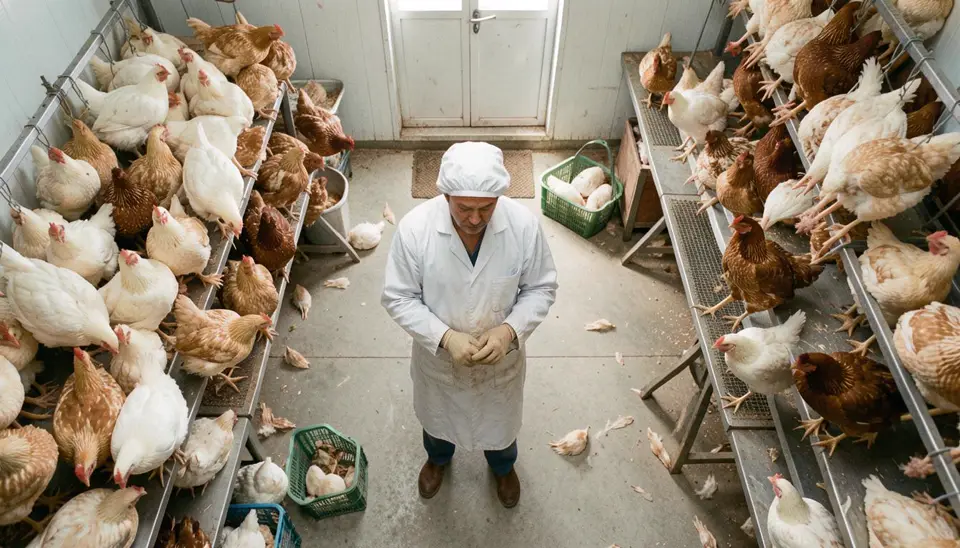
As small farmers are pushed out, slaughterhouses have come to rely heavily on immigrant labor. But are these workers being treated ethically?
“Workers in slaughterhouses face hazardous working conditions, high injury rates, and low pay. They also often lack access to basic labor rights and protections.”
Injury rates in the meat industry (per 100 full-time workers)
Ethical considerations: What's at stake?
The ethical implications of consolidation and immigrant labor in slaughterhouses are complex and multifaceted.
Reforming the industry: A way forward
To address the ethical issues stemming from consolidation and immigrant labor in slaughterhouses, we must push for industry reform.
Frequently asked questions
What can consumers do to support ethical slaughterhouses?+
Support companies that prioritize worker rights and animal welfare by buying their products. Also, advocate for strong regulations and oversight.
How can small farmers compete with large corporations?+
By advocating for policies that support small farms, such as fair trade practices and subsidies. Also, by cooperating and sharing resources.