Vegans in South Korea, like their global counterparts, often wonder: how much protein do I really need? With the plant-based market booming, we delve into the Land of the Morning Calm to answer this crucial question and explore the local alt-protein scene.
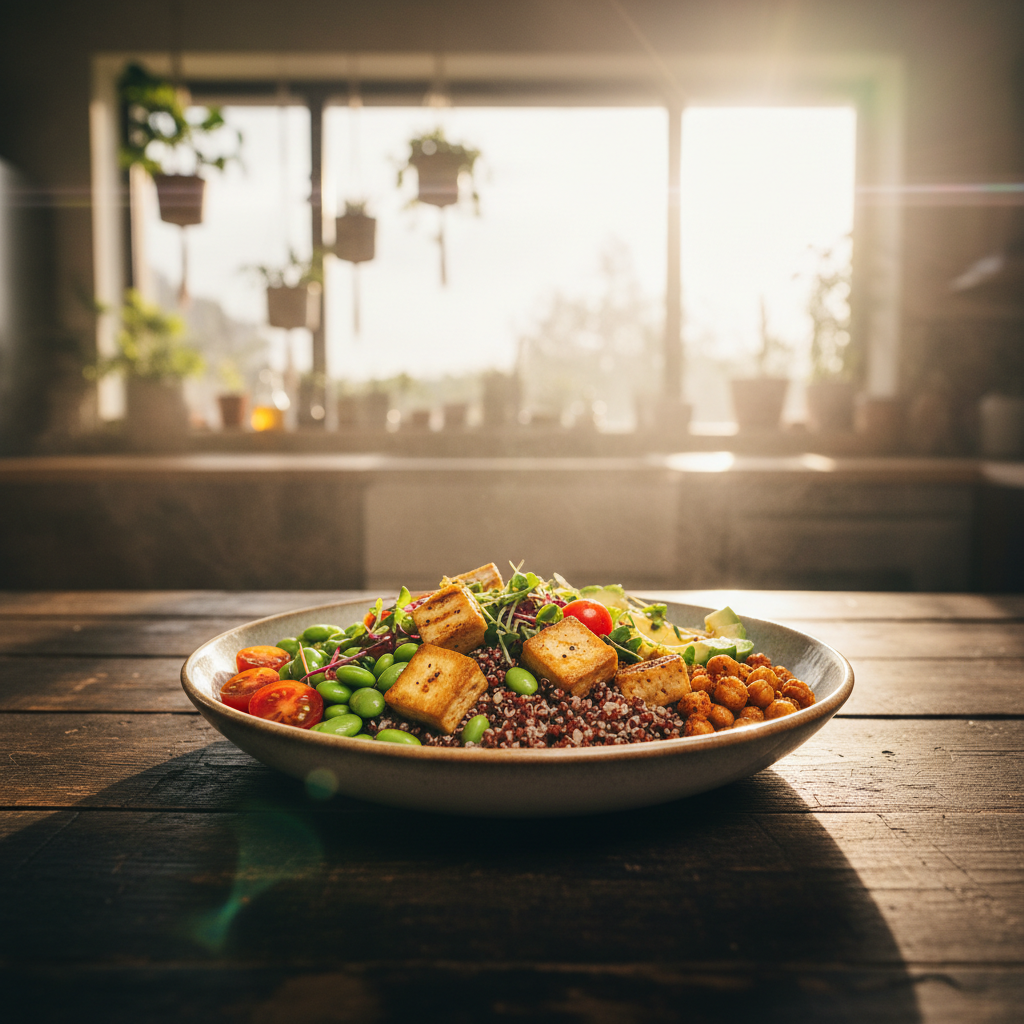
In South Korea, plant-based protein options abound. From traditional dishes like doenjang (soybean paste) and kongnamul (bean sprouts) to Western-inspired innovations, the market is flourishing.
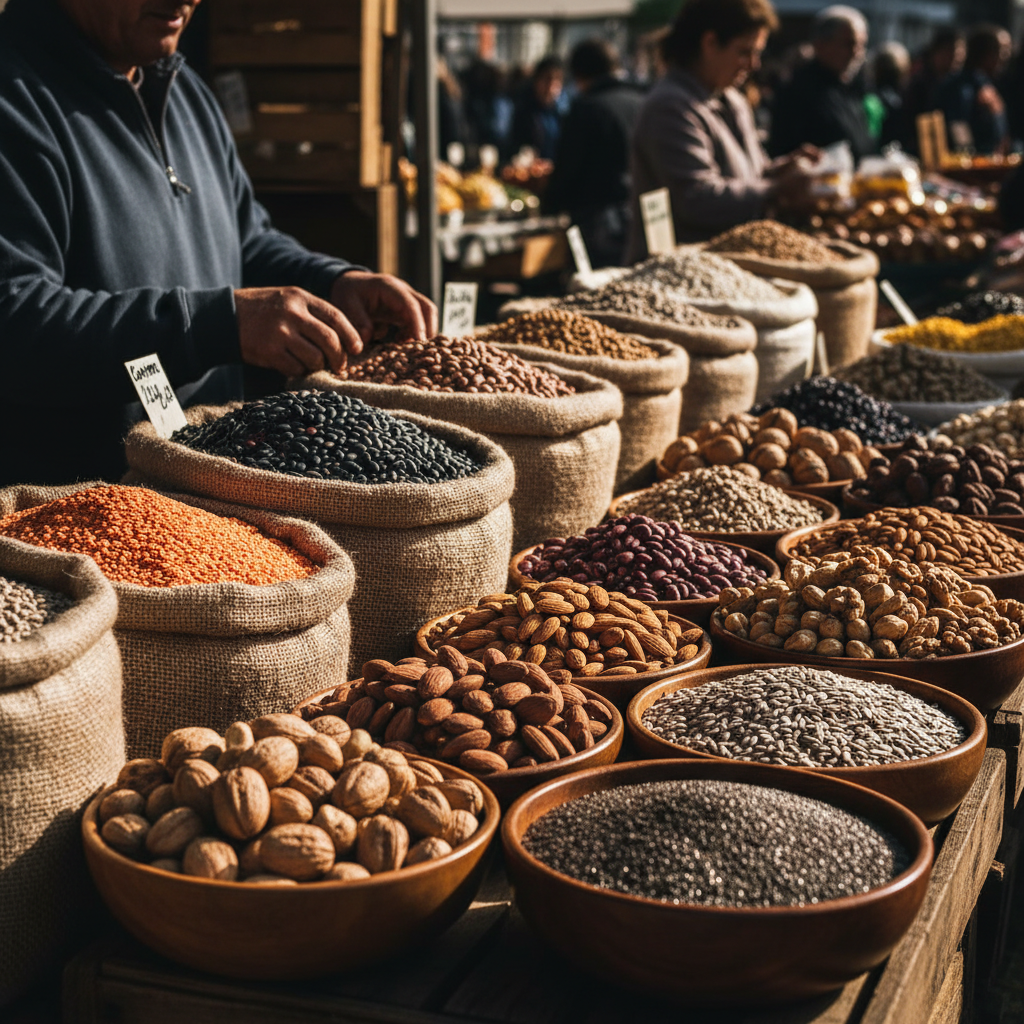
| Food item | Protein (g) |
|---|---|
| Soybeans | 36.49 |
| Tofu | 8.18 |
| Tempeh | 18.86 |
| Kongnamul (bean sprouts) | 4.55 |
| Azuki beans | 22.55 |
| Peanuts | 25.81 |
“The plant-based protein market in South Korea is growing, driven by health and environmental concerns. Innovations in alt-protein will continue to shape the market.”
Globally, South Korea's plant-based protein market ranks 13th, with a 2.1% share (Innovation Observatory, 2021). But with a 19.7% CAGR from 2015-2020, it's one to watch.
Global plant-based protein market share by country, 2020
So, how much protein do vegans need? The Academy of Nutrition and Dietetics recommends 0.8 grams of protein per kilogram of body weight daily. For a 60kg person, that's 48 grams of protein a day.
However, meeting protein needs on a plant-based diet requires strategic planning. The Academy of Nutrition and Dietetics advises consuming a variety of plant-based protein sources, combining them in meals to ensure all essential amino acids are ingested.
Frequently asked questions
What are some high-protein plant-based foods in South Korea?+
Soybeans, tofu, tempeh, azuki beans, peanuts, and konjac jelly are high in protein.
How does South Korea's plant-based protein market compare globally?+
South Korea ranks 13th globally with a 2.1% market share, but its CAGR from 2015-2020 was 19.7%, indicating strong growth.
How much protein do vegans need daily?+
Vegans need about 0.8 grams of protein per kilogram of body weight daily, according to the Academy of Nutrition and Dietetics.