The Unseen Consequences: Exploring the Effects of Factory Farming on Local Communities

Here’s a list of highly relevant keywords based on the blog post heading:factory farming

⁣What are the environmental consequences of factory farming on nearby areas?

The unseen Consequences: Exploring the effects of Factory Farming on Local Communities

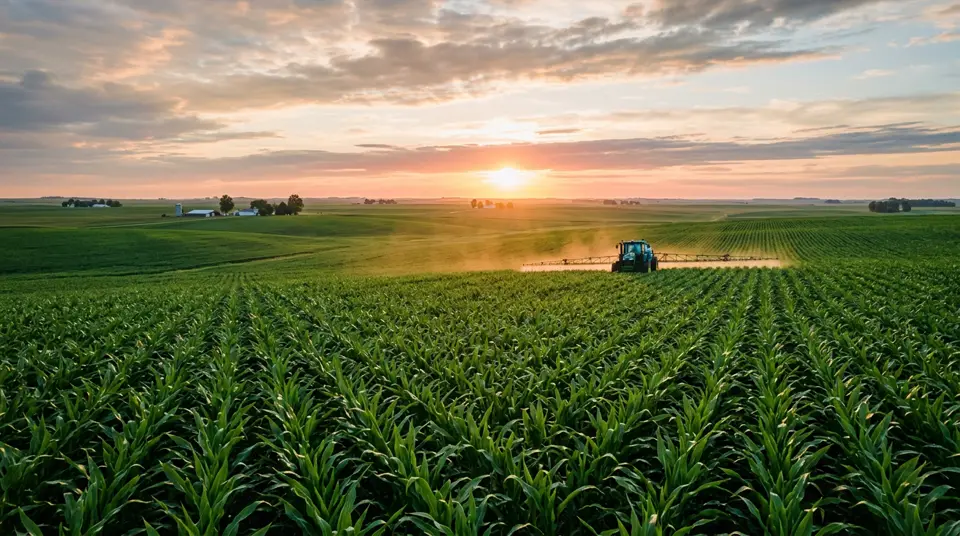
Factory farming has become a cornerstone of modern agribusiness. While⁣ it delivers efficiency and affordability on a global scale,⁤ what often remains unseen are its ripple effects on local communities. This ‍article delves into the profound consequences of‌ factory farming, ranging‍ from ⁣environmental degradation to​ public ⁢health challenges. By exploring these ⁢issues, we aim to shed light on alternatives and inspire communities ⁣to make informed ‍decisions⁤ about‍ their food systems.

What is factory Farming?

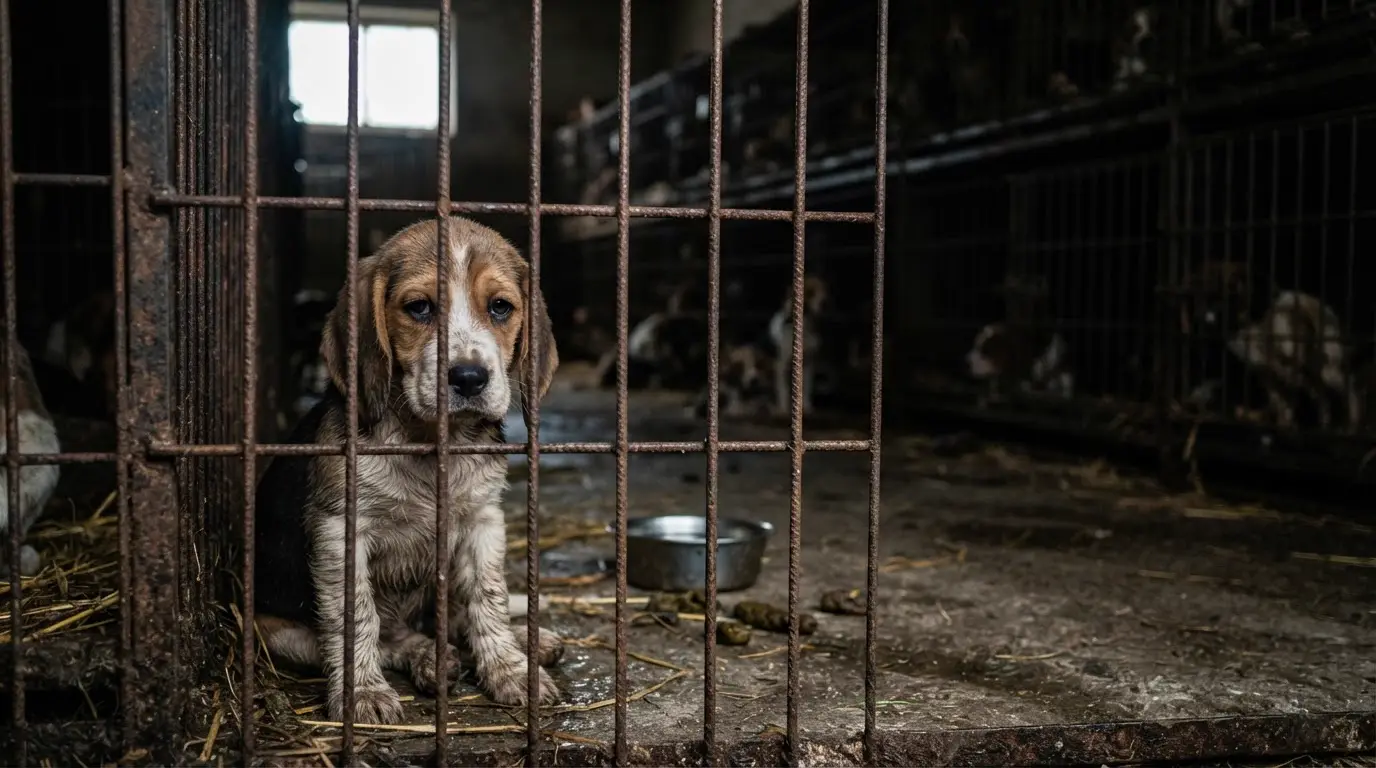
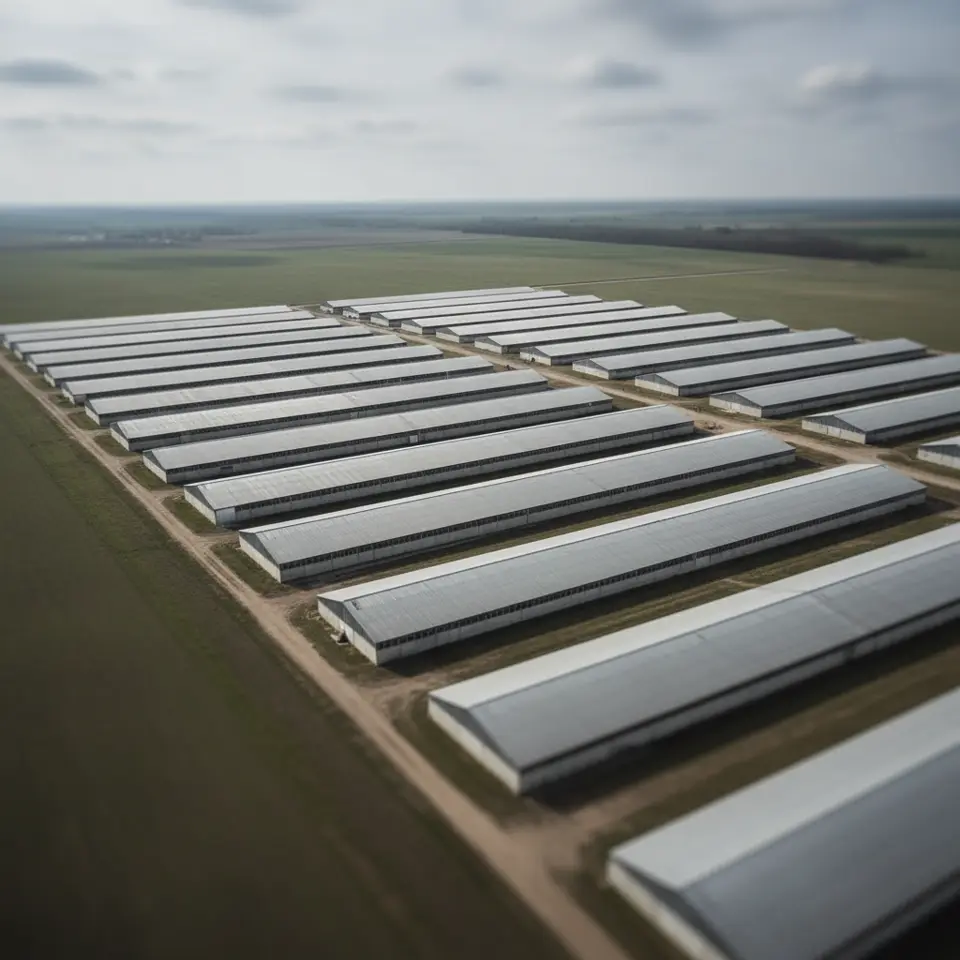
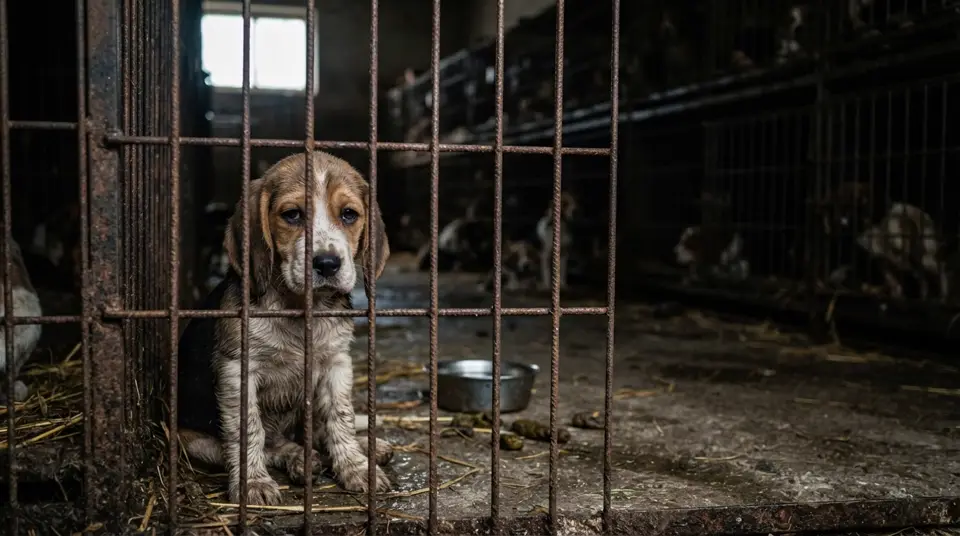
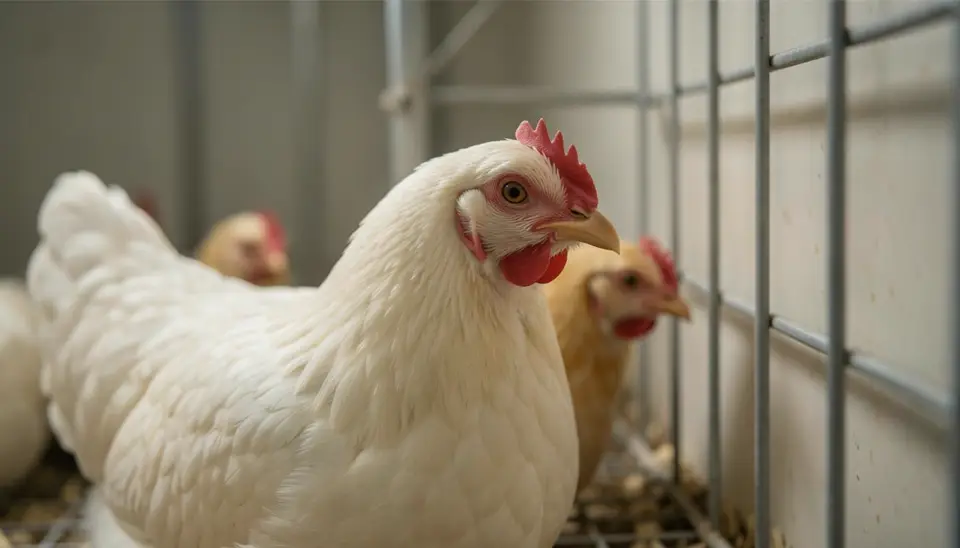
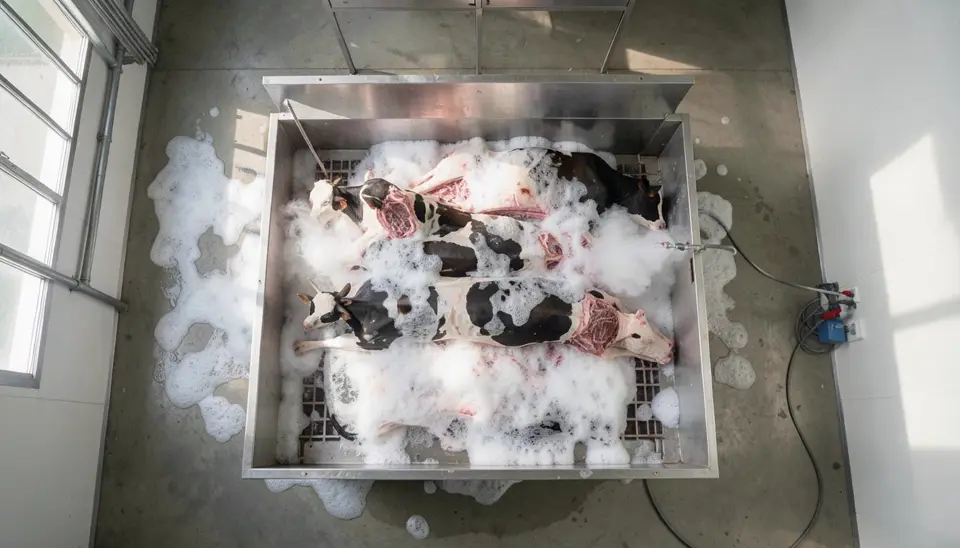
工場畜産は、次のように知られている。 集約畜産 or industrial livestock production, is‌ a method of farming ⁣that ⁣maximizes production by confining large numbers of animals in small spaces. These operations focus on achieving ⁤high yields at the lowest ‍possible cost, often at the expense of 倫理的, environmental, and social considerations. While they cater to a high global‌ demand for meat, dairy,‍ and ‍eggs, they ​come with ⁣a hefty price for local communities.

How Factory Farming Affects Local Communities

1. ⁢Environmental Consequences

The⁢ environmental impact of ⁢factory farming is one ⁤of its‌ most‍ pressing issues, and local⁤ communities frequently enough bear the brunt⁢ of it.

  • 水質汚染: Runoff from factory farms frequently ‌enough contains animal waste,​ chemicals, and antibiotics, ⁢which‍ can contaminate nearby water sources. This poses risks‍ to drinking water and aquatic ecosystems.
  • 大気汚染: ​ Factory farms‌ release significant⁣ amounts of methane, ammonia, and other harmful gases into the air, ​causing‌ foul⁣ odors that affect‍ quality of life⁤ and contribute to​ climate ⁣change.
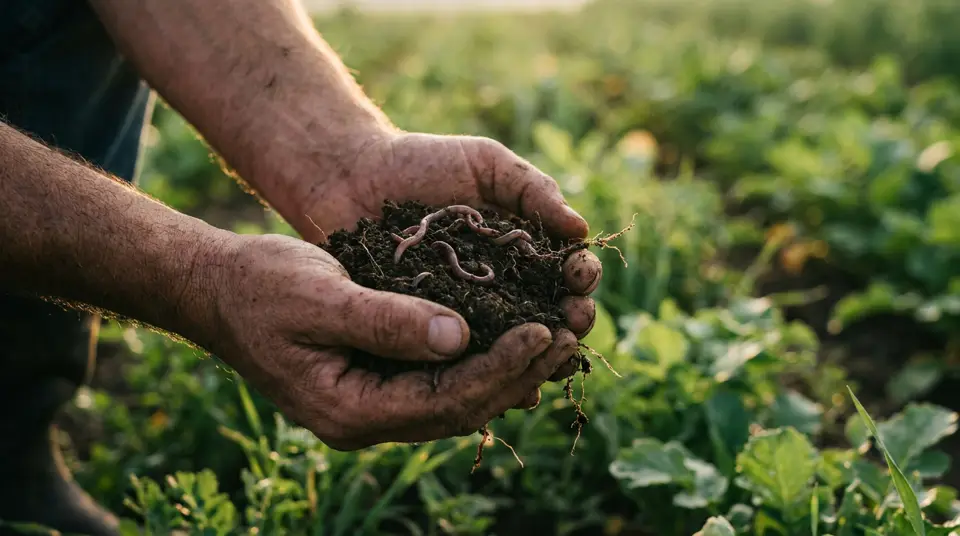
  • 土壌の劣化: Improper waste management and overuse of resources can⁤ lead‍ to nutrient imbalances in the soil, reducing ‍agricultural productivity in surrounding areas.

2.Health Hazards

Living near factory farms can ‌expose residents to various 健康リスク. The combination​ of air ‍and water pollution can result in respiratory issues, skin irritation, and even long-term conditions such ‍as ⁢asthma. According to studies, people living near factory farms are more vulnerable to antibiotic-resistant‌ bacteria, which threaten public health on a broader scale.

3. Economic‍ Impact

  • Impact on ⁢Small Farmers: Factory farms can force‍ local small-scale farmers out of business due to their​ ability to undercut prices.
  • Declining Property Values: Communities near factory⁣ farms frequently‌ enough witness a decline ⁢in property values due to pollution​ and poor ‌living⁤ conditions.
  • Limited Job Opportunities: While factory farms offer some employment,the jobs are ⁤typically low-wage and do not ⁢significantly boost ‌local economies.

Alternatives: Moving Toward Sustainability

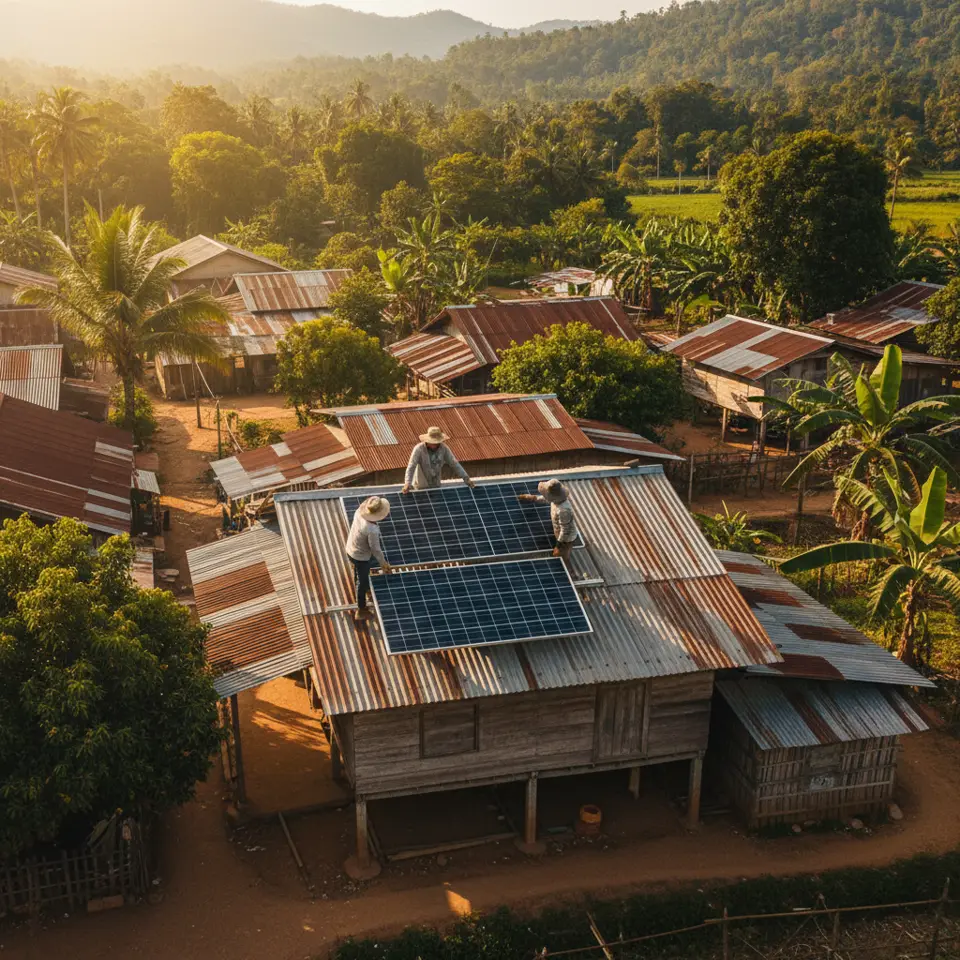
To mitigate the‌ negative effects of factory farming, communities ⁤can explore and support enduring alternatives. Small changes in agricultural‌ practices and consumer behavior can pave the way for more balanced food systems.

Practical Tips for Communities

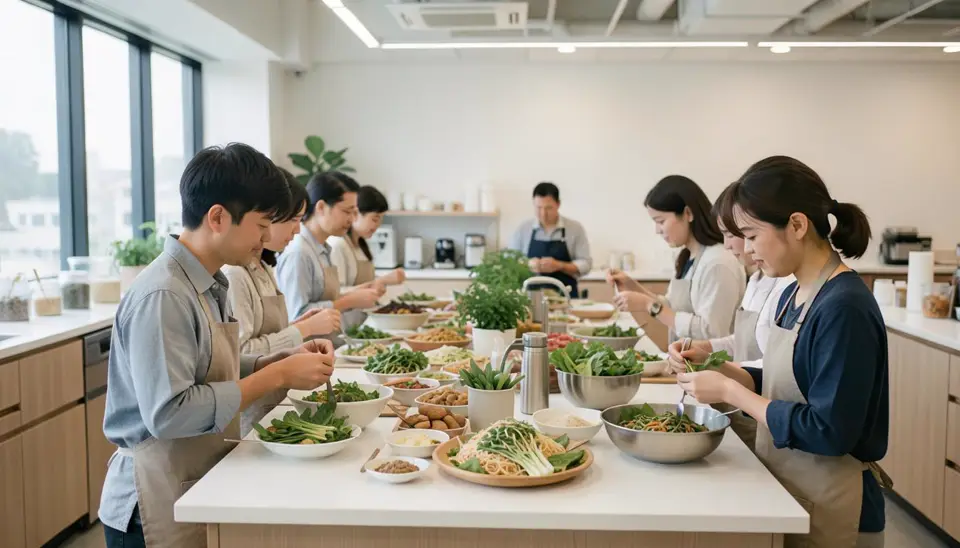
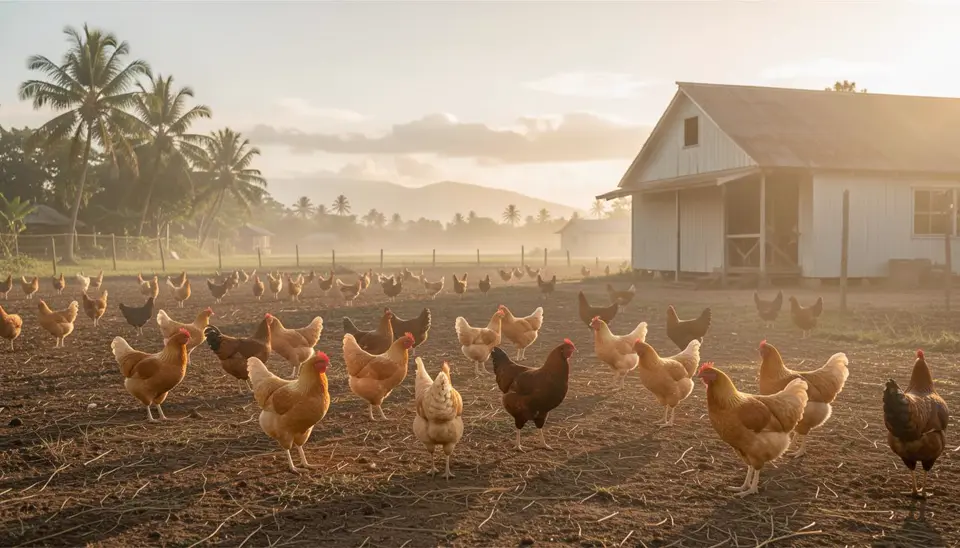
  • 地元の農家を支援する: ​Purchase products from local farms to boost the local ‌economy and reduce demand ‌for mass-produced goods.
  • Adopt Sustainable Farming Practices: ‌ Encourage regenerative agriculture methods, such​ as crop rotation and ​organic livestock farming.
  • 透明性を求める: Advocate for stricter regulations and transparency in‍ labeling of factory-farmed products.
  • Educate and Participate: Host community events to raise awareness about the impact of factory farming and its alternatives.

Rapid Comparison: Factory Farming vs. Sustainable Farming

アスペクトファクトリーファーミング持続可能な農業
環境への影響High ⁢pollution levelsカーボンフットプリントの削減
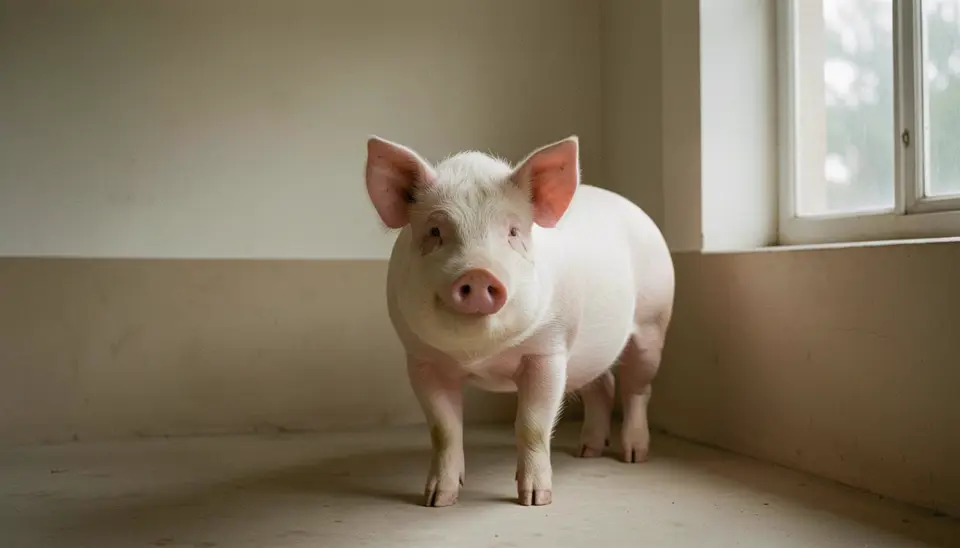
Animal ‍WelfareMinimal considerationEthical treatment
Community​ HealthIncreased health risksPromotes well-being
経済効果Drains local economiesSupports local⁣ businesses

結論

while factory farming provides affordable food to millions,its⁢ unseen consequences on local communities are too significant to ignore. From environmental degradation to health risks and economic challenges, the ripple effects⁢ are‌ profound and far-reaching. By ‍embracing sustainable ‍farming practices⁢ and ‌supporting local agriculture,⁤ communities can reduce ⁤these negative​ impacts while promoting a ​healthier and more ⁤持続可能な未来. It’s​ time to ‌rethink our food systems⁤ and prioritize the well-being of the communities and ecosystems‍ around us.