Fermented plant foods have long been recognized for their beneficial effects on gut health. A former industry insider shares their top picks and ranks them based on their gut health benefits, accessibility, and taste.
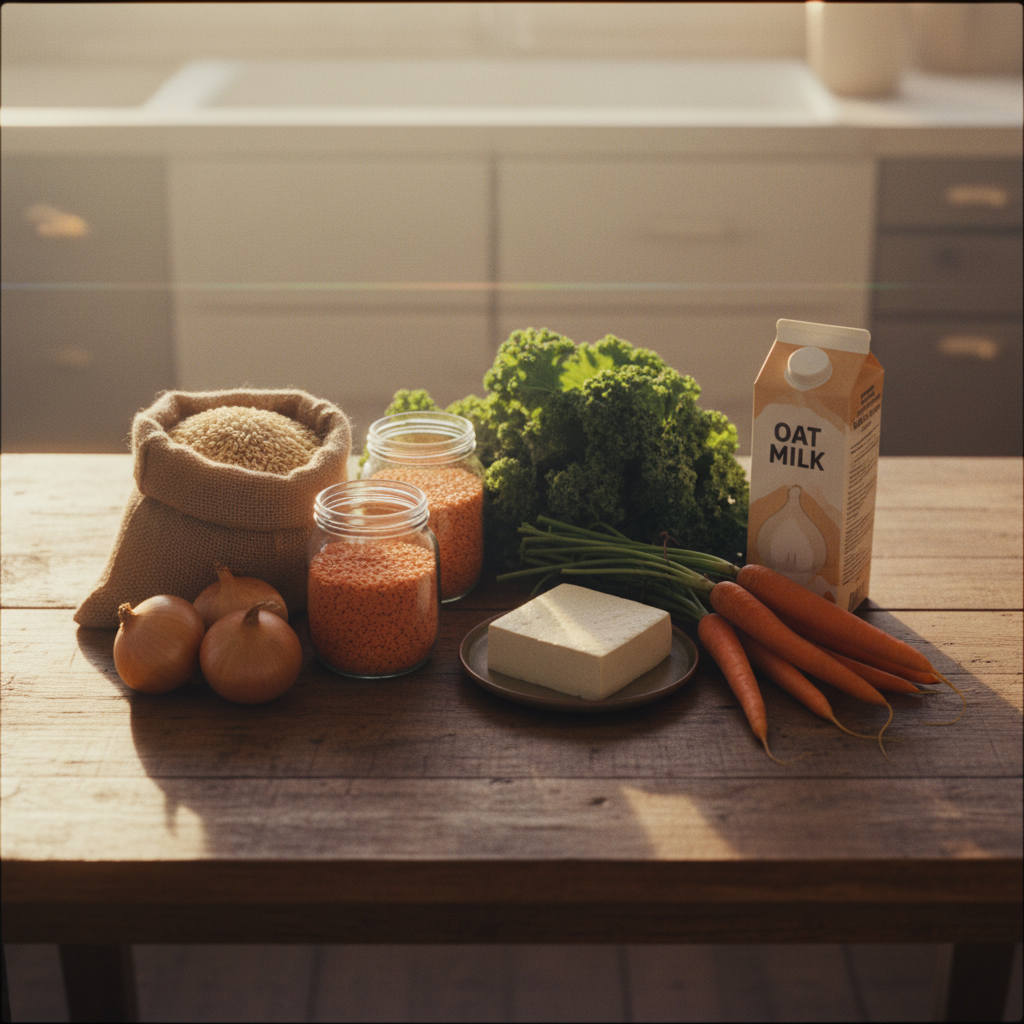
What are Fermented Plant Foods and Why are They Good for Gut Health?
Fermented plant foods are created through a natural, ancient process that harnesses the power of microorganisms like bacteria and yeast. This fermentation process enhances the digestibility and nutritional content of plant foods, making them an excellent choice for supporting gut health.
“Fermented foods have been a part of the human diet for thousands of years, and their benefits are just beginning to be understood by modern science.”
8 Fermented Plant Foods Ranked for Gut Health
| Rank | Food | Gut Health Benefits | Accessibility | Taste |
|---|---|---|---|---|
| 1 | Kefir | Probiotics, improves digestion, boosts immune system | Easy to find, make at home | Tangy, slightly effervescent |
| 2 | Sauerkraut | Probiotics, supports digestion, reduces inflammation | Easy to make at home, available in stores | Tart, crunchy |
| 3 | Kimchi | Probiotics, boosts immune system, aids digestion | Available in stores, requires effort to make at home | Spicy, tangy, crunchy |
| 4 | Tempeh | Probiotics, improves digestion, supports immune system | Requires effort to make at home, available in health food stores | Nutty, chewy |
| 5 | Miso | Probiotics, supports digestion, boosts immune system | Available in stores, requires effort to make at home | Salty, umami-rich |
| 6 | Yogurt (plant-based) | Probiotics, improves digestion, boosts immune system | Easy to find, make at home | Tart, creamy |
| 7 | Natto | Probiotics, improves digestion, reduces inflammation | Available in Asian markets, requires effort to make at home | Sticky, strong flavor |
| 8 | Kombucha | Probiotics, supports digestion, boosts energy | Available in stores, requires effort to make at home | Fizzy, slightly acidic |
Global Market Share of Fermented Foods
Frequently asked questions
Are fermented foods always safe to consume?+
While fermentation kills harmful bacteria, it's essential to ensure proper storage and handling to prevent spoilage and contamination.
Can I ferment foods at home?+
Yes, fermenting foods at home allows you to control the process and ensure freshness. However, it requires some effort and knowledge.
How much fermented food should I consume daily?+
Aim for 1-2 servings of fermented foods per day, or about 1-2 cups of fermented vegetables or 1 cup of fermented beverage.
Are all fermented foods high in probiotics?+
Fermentation processes can vary, and not all fermented foods contain high levels of probiotics. For example, fermented beverages like kombucha typically have lower probiotic counts than fermented vegetables or dairy alternatives.