Did you know that the fashion industry is the second largest polluter in the world, after the oil industry? One of the main reasons for this is fast fashion, which produces cheap, low-quality clothing that is designed to be disposed of quickly. But there is a sustainable alternative: clothing repair. In this article, we'll explore the benefits of mending your clothes and learn how to do it like a pro.
Fast fashion is a major contributor to textile waste and pollution. According to a report by the Ellen MacArthur Foundation, the equivalent of one garbage truck full of clothes is burned or dumped in a landfill every second. But there is a way to break this cycle: clothing repair.
Why mend your clothes?
Mending your clothes can extend their life and save you money in the long run. It also reduces the demand for new clothing, which can help decrease the environmental impact of the fashion industry. Plus, learning to mend your own clothes can be a satisfying and creative skill to have.
Basic mending skills
Learning to mend your clothes doesn't require advanced sewing skills. Here are some basic techniques you can use to repair common problems like loose buttons, holes, and frayed hems.
Mending buttons
Loose buttons are a common problem, but they're easy to fix. Here's how:
How to mend buttons
- 1
Step 1
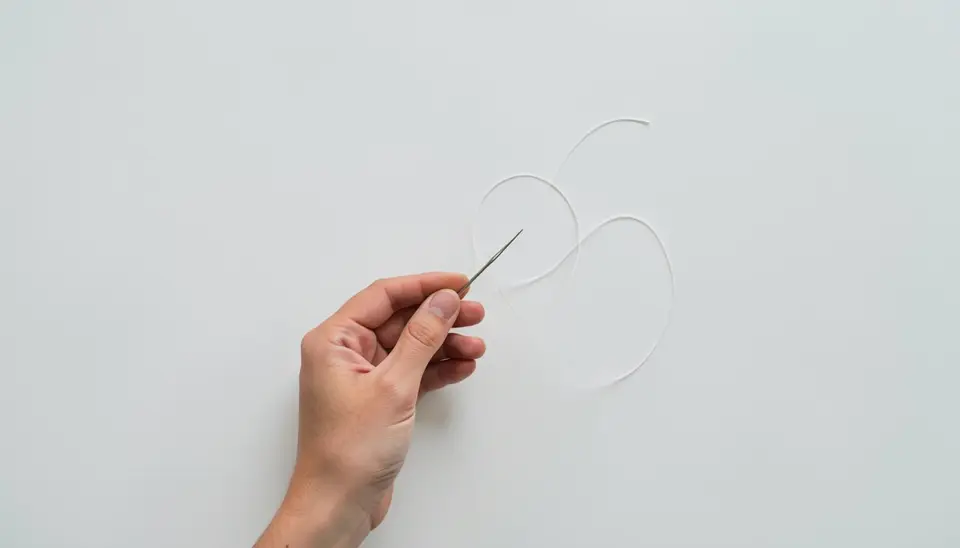
Thread a needle with matching thread and knot the end.
- 2
Step 2
Insert the needle through the buttonhole from the wrong side of the fabric.
- 3
Step 3
Tie a knot on the wrong side of the fabric to secure the button.
- 4
Step 4
Sew over the existing stitches to reinforce them. Make sure to keep your stitches small and even.
Mending holes
Holes in clothing can be mended using a simple patch. Here's how:
How to mend holes
- 1
Step 1
Cut a piece of fabric, preferably from an old garment, to cover the hole.
- 2
Step 2
Place the patch on the wrong side of the fabric, aligning it with the edges of the hole.
- 3
Step 3
Sew around the edges of the patch, securing it to the garment. Make sure to keep your stitches small and even.
Mending hems
Frayed hems can be repaired using a simple fold-over hem. Here's how:
How to mend hems
- 1
Step 1
Turn the garment inside out and try it on to determine how much fabric to fold over.
- 2
Step 2
Fold the hem up and press it with an iron to create a sharp crease.
- 3
Step 3
Sew along the fold, securing the hem in place.
“Mending is not just about saving money or being eco-friendly. It's about taking care of something, making it last, and giving it new life.”
Comparison: Factory-Farmed Textiles vs. Mended Clothes
Let's compare the environmental impact of fast fashion with the benefits of mending your clothes.
| Factory-Farmed Textiles | Mended Clothes |
|---|---|
| High water consumption | Reduced water usage |
| Greenhouse gas emissions | Lower carbon footprint |
| Chemical pollution | No additional chemicals used |
| Textile waste | Reduced textile waste |
| Exploitative labor practices | Empowerment and skill-building |
Textile waste reduction
Frequently asked questions
Frequently asked questions
Is mending really worth it?+
Yes, mending is worth it for both environmental and economic reasons. It reduces textile waste, lowers your carbon footprint, and can save you money in the long run.
What if I don't know how to sew?+
There are many resources available to learn how to mend your clothes, from online tutorials to local classes. And many mending techniques are simple and don't require advanced sewing skills.
What should I do with clothes that can't be mended?+
Clothes that can't be mended can be donated, recycled, or used as rags. There are also companies that specialize in upcycling and repurposing old clothing.