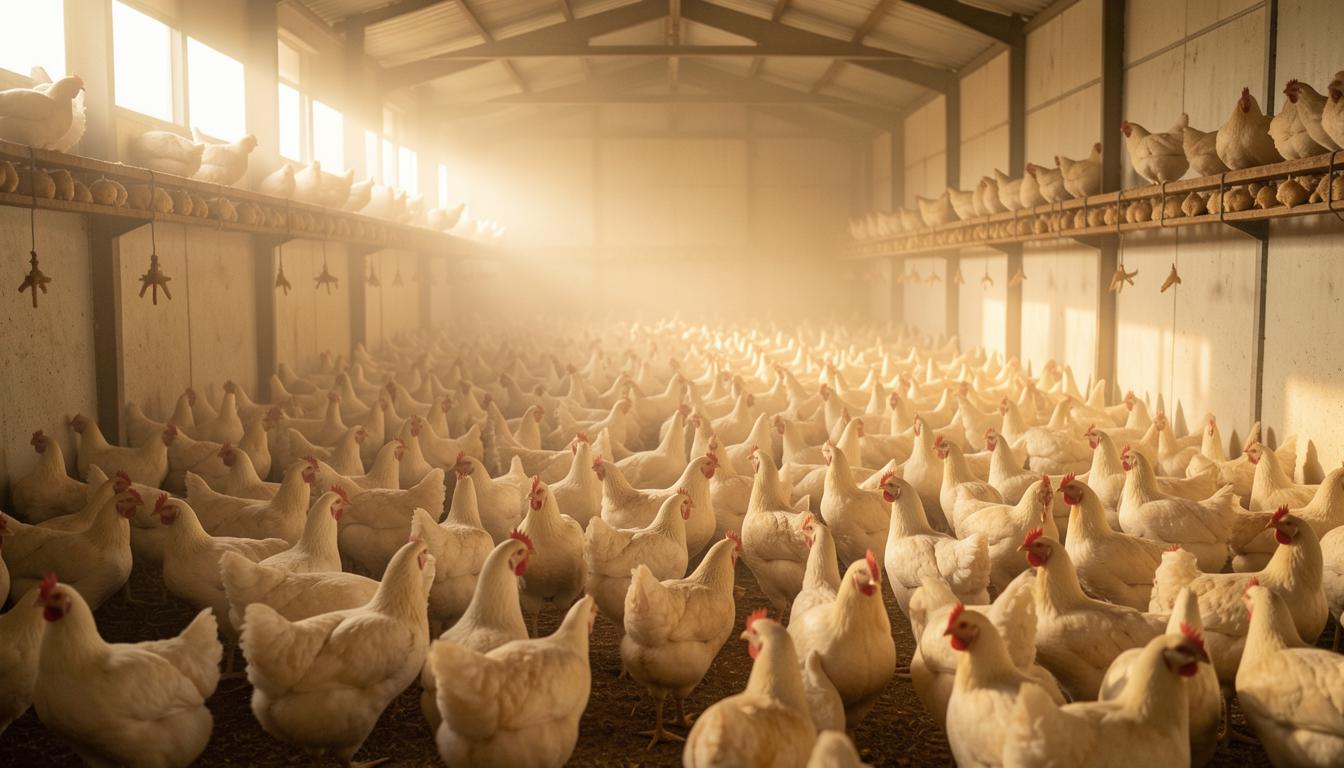
Forced moulting, a common practice in the global poultry industry, involves depriving birds of food and water to induce a moult. While this practice increases egg production, it also has significant environmental and economic costs, particularly in drought-prone regions. In these areas, already struggling with water scarcity, forced moulting exacerbates the problem, leading to increased manure pollution and climate change impacts.
How does forced moulting impact drought-prone regions?
In drought-prone regions, every drop of water counts. However, forced moulting increases water usage, exacerbating water scarcity. According to a study by the Food and Agriculture Organization (FAO, 2023), the global poultry industry uses around 43 billion cubic meters of water annually, with forced moulting contributing significantly to this figure.
“The practice of forced moulting increases water consumption and waste in an already stressed environment.”
Manure pollution: A hidden cost
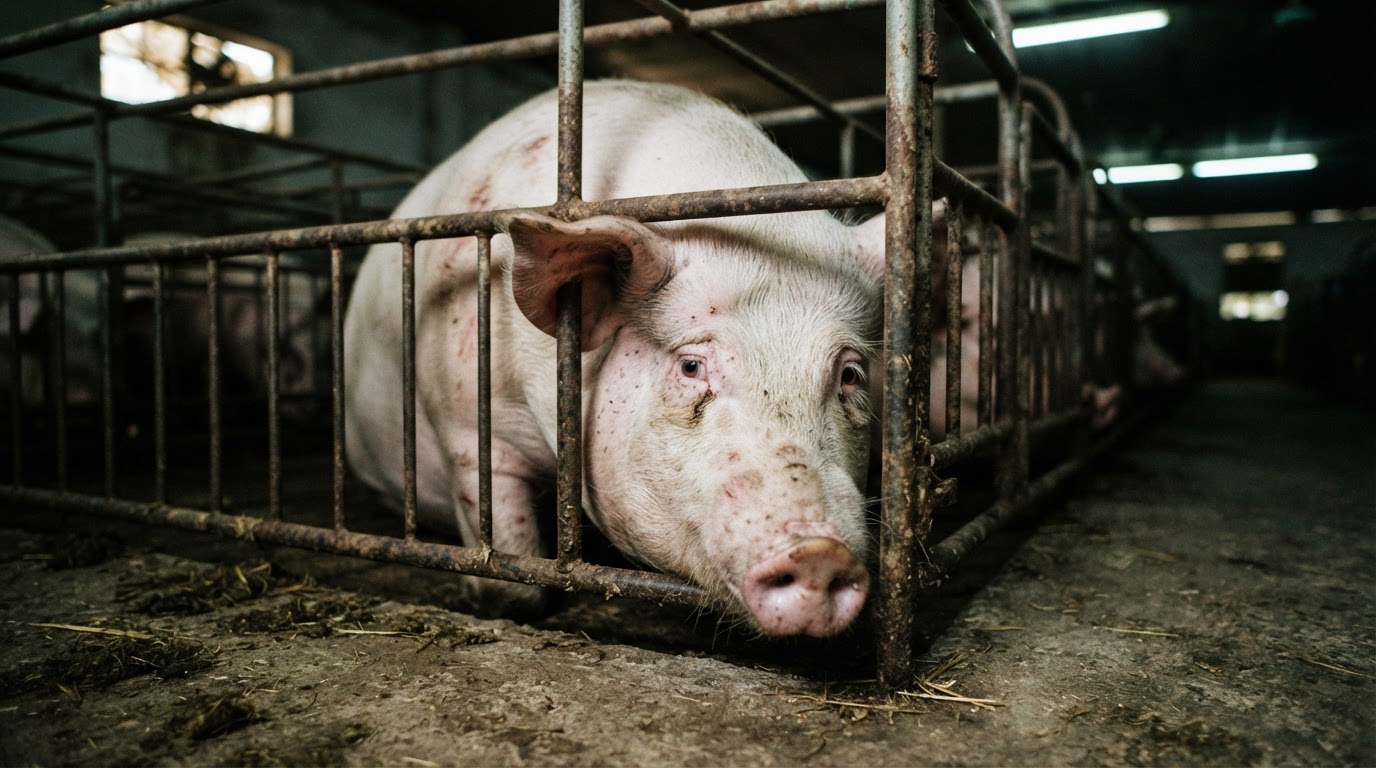
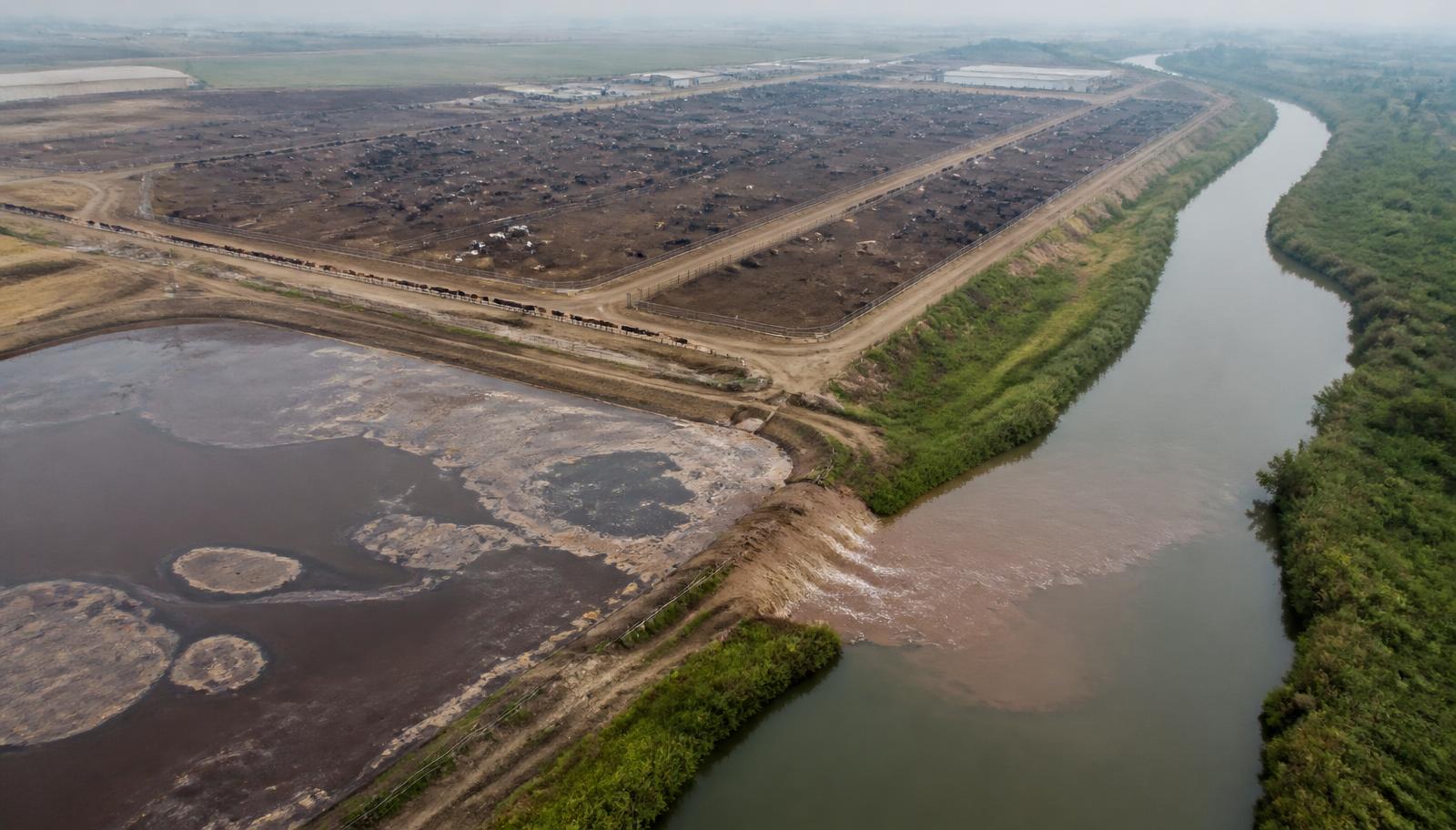
Forced moulting also increases manure production, leading to pollution. In drought-prone regions, this manure is often disposed of irresponsibly, contaminating local water sources and causing health issues for nearby communities. A study by the journal Science of the Total Environment (2021) found high levels of pollutants, including antibiotics and hormones, in water bodies near poultry farms practicing forced moulting.
| Pollutant | Concentration (µg/L) | Health impact |
|---|---|---|
| Antibiotics | 50 - 500 | Antibiotic resistance |
| Hormones | 0.1 - 1 | Endocrine disruption |
| Nitrates | 10 - 100 | Methemoglobinemia |
Climate change impacts
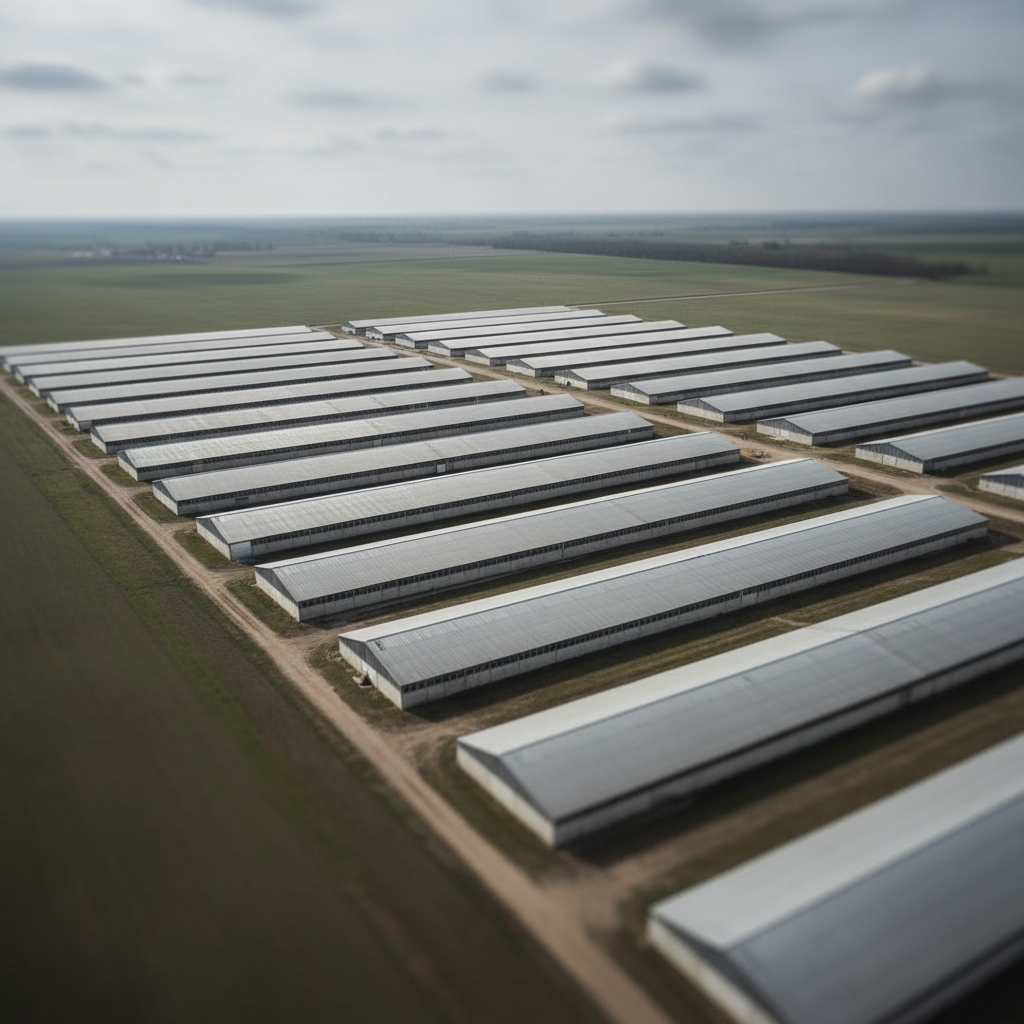
The increased water usage and manure production from forced moulting also contribute to climate change. According to a study by the Proceedings of the National Academy of Sciences (PNAS, 2020), the global livestock sector is responsible for around 14.5% of global greenhouse gas emissions, with poultry contributing significantly.
Greenhouse gas emissions from the livestock sector
Sustainable solutions for the poultry industry
Given the environmental and economic costs of forced moulting, sustainable alternatives are crucial. Some promising solutions include: improved water efficiency technologies, alternative feeding strategies to induce a natural moult, and better manure management practices. A study by the journal Animals (2021) highlighted the potential of these alternatives to reduce water usage and manure production.
How to implement sustainable poultry farming
- 1
Adopt improved water efficiency technologies
Invest in systems like evaporative coolers and low-pressure foggers to reduce water usage.
- 2
Explore alternative feeding strategies
Consider using diet alterations to induce a natural moult, reducing the need for forced moulting.
- 3
Improve manure management
Implement systems like composting and biogas production to reduce manure pollution.
Frequently asked questions
How can governments help promote sustainable poultry farming?+
Governments can implement policies that incentivize sustainable practices, such as tax breaks for water-efficient technologies and stricter regulations on manure disposal.
What role do consumers play in this issue?+
Consumers can demand sustainably produced chicken and eggs, supporting retailers and producers that prioritize environmental responsibility.