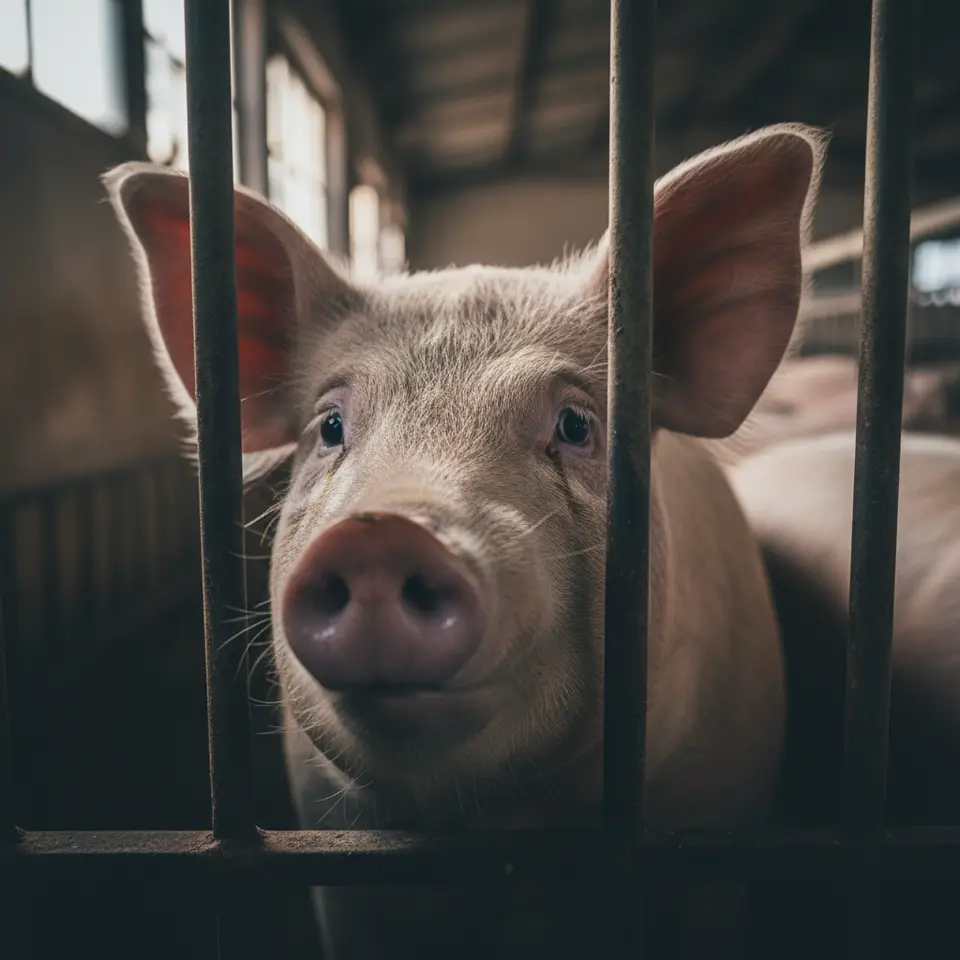
Zero-grazing dairies, where cows are permanently housed indoors and never allowed to graze pasture, are often marketed as efficient and hygienic, but a detailed rural vs urban comparison reveals a consistent pattern of hidden cruelty: chronic lameness, respiratory disease, and severe restriction of natural behaviours, regardless of whether the barn sits in a countryside meadow or on a rooftop in Ho Chi Minh City.
How do zero-grazing dairies differ between rural and urban settings?
At first glance, a rural zero-grazing dairy in Wisconsin and an urban one in Mumbai look similar: rows of cows in free-stalls or tie-stalls, concrete floors, artificial ventilation. However, key differences exist. Rural dairies often have larger herds (500-2,000 cows) and more land for manure management, while urban dairies are smaller (20-200 cows) but operate on expensive land, leading to tighter stocking densities. A 2023 study in Frontiers in Veterinary Science found that urban zero-grazing dairies in Dhaka, Bangladesh, provided an average of only 2.5 square metres per cow, compared to 4.2 square metres in rural Indian dairies (Frontiers in Veterinary Science, 2023). This spatial restriction directly increases the risk of injury, lameness, and heat stress.
“Whether a cow is housed in a pristine rural barn or a cramped urban shed, the fundamental welfare insult is the same: she cannot walk, graze, or socialise naturally. The only difference is the speed at which her body breaks down.”
What specific cruelties are hidden in zero-grazing systems?
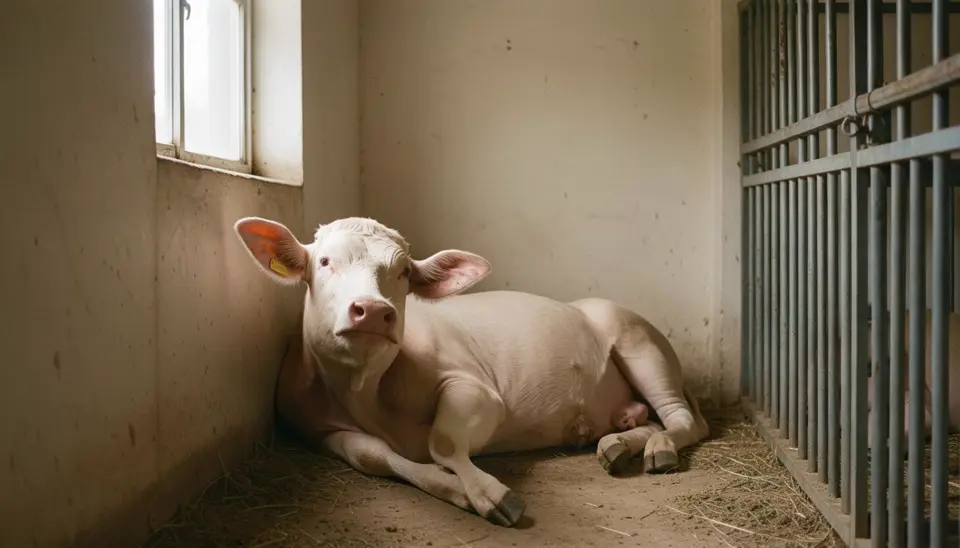
The most documented welfare issue in zero-grazing dairies is lameness, caused by prolonged standing on concrete. A meta-analysis published in the Journal of Dairy Science (2021) found that lameness prevalence in zero-grazing herds averaged 31%, compared to just 14% in pasture-based systems. In urban dairies with even less space, lameness rates can exceed 40% (Journal of Dairy Science, 2021). Other common afflictions include mastitis (udder infection), due to dirty bedding and limited ventilation; respiratory disease from high ammonia levels; and hock lesions from lying on hard surfaces. Behavioural restrictions are equally severe: cows cannot perform natural behaviours like grazing, social licking, or choosing a lying site, leading to stereotypic behaviours such as tongue rolling and bar biting.
| Welfare Indicator | Zero-Grazing (Rural) | Zero-Grazing (Urban) | Pasture-Based |
|---|---|---|---|
| Lameness prevalence | 29-33% | 35-45% | 10-18% |
| Mastitis incidence (cases/cow-year) | 1.2-1.8 | 1.5-2.2 | 0.6-0.9 |
| Average lying time (hours/day) | 9-10 | 7-8 | 12-14 |
| Stereotypic behaviour (% of cows) | 15-25% | 20-35% | <5% |
| Mortality rate (% per year) | 5-8% | 8-12% | 2-4% |
Why do consumers perceive rural dairies as more humane than urban ones?
Marketing plays a central role. Rural zero-grazing dairies often use labels like 'barn-raised', 'free-stall', or 'family farm', which evoke pastoral imagery. Urban dairies, by contrast, are rarely marketed with welfare claims. However, the scientific evidence shows no meaningful difference in welfare outcomes between rural and urban zero-grazing systems when controlling for management quality. A 2022 report by Compassion in World Farming concluded that 'any system that denies cows access to pasture for the majority of their lives fails to meet their basic welfare needs, regardless of location' (Compassion in World Farming, 2022). The perception gap is driven by aesthetics, not animal experience.
Lameness prevalence in dairy systems by region (2023)
What does the evidence say about health impacts on cows in zero-grazing systems?
Beyond lameness and mastitis, zero-grazing cows suffer from higher rates of metabolic disorders such as ketosis and milk fever, due to the high-concentrate diets used to maximise milk yield. A longitudinal study tracking 1,200 cows over 5 years in Germany found that cows in zero-grazing systems had a 23% higher incidence of clinical ketosis than cows with access to pasture (Animal, 2020). Additionally, respiratory disease is more common in confined barns: ammonia levels can reach 25-35 ppm, well above the 10 ppm threshold recommended for animal health (Journal of Animal Science, 2022). Urban dairies, often located near roads or industrial areas, also expose cows to higher levels of particulate matter and noise, compounding stress.
How do zero-grazing dairies affect the environment and public health?
Zero-grazing dairies concentrate manure in small areas, leading to higher ammonia and methane emissions per litre of milk compared to pasture-based systems. A life-cycle assessment by the UN Food and Agriculture Organization (FAO, 2023) found that confinement dairies produce 12% more greenhouse gas emissions per litre than grazing systems, due to the energy costs of feed production and manure management. Furthermore, the high antibiotic use in zero-grazing herds—estimated at 1.5 times that of pasture herds—contributes to antimicrobial resistance, a growing public health threat (The Lancet Planetary Health, 2019). Urban dairies, often located near residential areas, also pose odour and water contamination risks to nearby communities.
What are the alternatives to zero-grazing dairies?
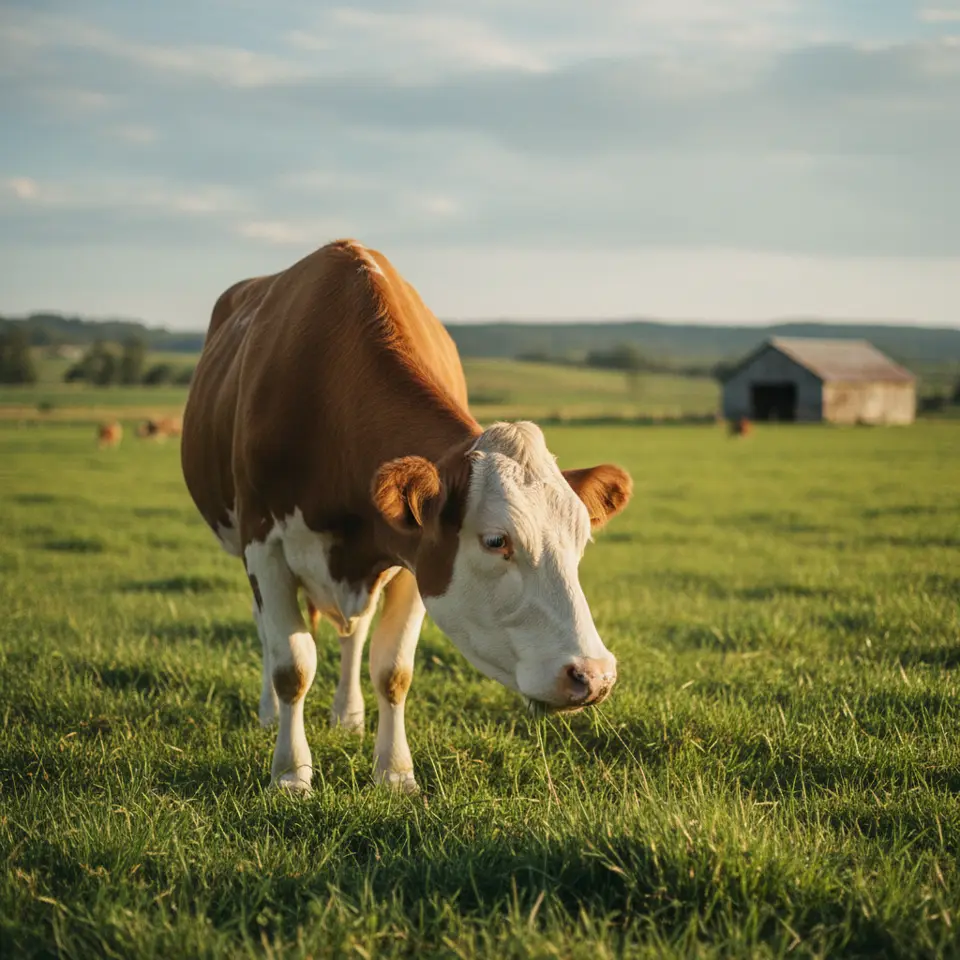
Pasture-based dairying, where cows graze on grass for at least 6 months per year, is the most welfare-friendly system. Silvopasture systems, which integrate trees, pasture, and livestock, offer additional benefits: shade reduces heat stress, and tree roots improve soil health. In tropical regions, smallholder farmers can adopt 'cut-and-carry' systems that provide fresh forage without total confinement. For consumers, choosing plant-based milk alternatives—such as soy, oat, or almond milk—eliminates dairy-related welfare concerns entirely. A 2024 review in Nature Food confirmed that plant-based milks have a lower environmental footprint and avoid all animal welfare issues associated with zero-grazing dairies (Nature Food, 2024).
Frequently asked questions
What is the difference between tie-stall and free-stall zero-grazing systems?+
In tie-stall barns, cows are tethered to individual stalls and cannot move freely, while in free-stall barns, cows can move between lying stalls and feeding areas. Both systems confine cows indoors 24/7 and prevent grazing. Free-stall barns allow slightly more movement, but lameness rates remain high in both.
Are zero-grazing dairies more common in rural or urban areas?+
Zero-grazing dairies are common in both settings. Rural dairies dominate in North America and Europe, while urban and peri-urban dairies are widespread in Asia and Africa, where land is scarce and demand for fresh milk is high. Both types share the same welfare problems.
Can zero-grazing dairies ever be humane?+
No, according to current scientific consensus. Cows are highly social, grazing animals with strong motivations to walk, interact with herd mates, and choose their environment. Permanent confinement prevents these behaviours, leading to chronic stress and disease. No amount of barn enrichment can replace pasture access.
How can I tell if my milk comes from a zero-grazing dairy?+
Look for labels like 'pasture-raised', 'grass-fed', or '100% grass-fed'. Products without these labels, especially those marked 'barn-raised' or 'free-stall', likely come from zero-grazing systems. In many countries, 'organic' does not guarantee pasture access—check the certifier's standards.
What are the best plant-based alternatives to dairy milk?+
Soy milk, oat milk, and almond milk are widely available and have comparable nutritional profiles to cow's milk. Fortified versions provide calcium, vitamin D, and B12. A 2024 study in Nature Food found that all plant-based milks have a lower carbon footprint and avoid animal welfare issues entirely.
The rural vs urban comparison of zero-grazing dairies reveals a sobering truth: the hidden cruelty of confinement is not a matter of geography but of system design. Whether a cow stands on concrete in a Wisconsin barn or a Mumbai rooftop, her suffering is the same. The only meaningful solution is to move away from zero-grazing entirely—toward pasture-based systems or, better still, toward a plant-based food system that leaves cows out of the equation altogether.