Pregnant mare serum, extracted from pregnant mares, is a crucial ingredient in hormonal pregnancy tests. However, recent undercover investigations have shed light on the ethical concerns surrounding its production. Let's delve into the science behind it, the context of these investigations, and the ethical debates they've sparked in 2025.
The primary source of PMS is the blood of pregnant mares, typically collected from specialized horse farms. However, recent undercover investigations have raised questions about the welfare of these horses and the ethical implications of their use.
The Undercover Investigations: What Were the Findings?
In 2025, undercover investigations by animal rights organizations revealed concerning conditions in some horse farms supplying PMS. These investigations, conducted in several regions, including the U.S. and Europe, found issues such as inadequate space, poor ventilation, and lack of enrichment for the mares.
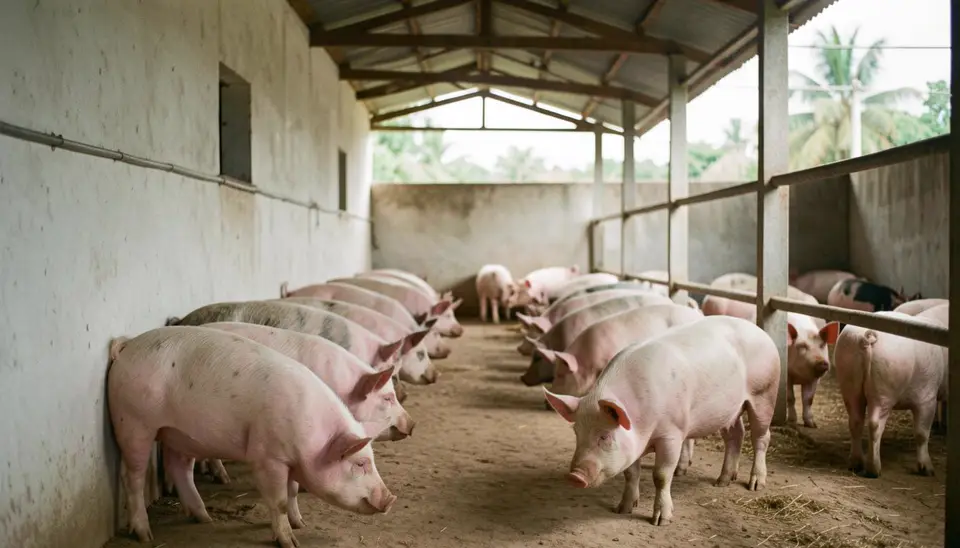
“We saw mares confined to stalls barely larger than themselves, with no room to turn around or even lie down comfortably. The conditions were heartbreaking, and the impact on the mares' psychological well-being was evident.”
Additionally, some farms were found to be using aggressive collection methods that could cause pain and distress to the mares.
The Science of PMS: Why is it Used in Pregnancy Tests?
PMS is rich in hCG, a hormone produced by the placenta during pregnancy. When a woman becomes pregnant, her body produces hCG, which can be detected in urine. This is the principle behind hormonal pregnancy tests. PMS provides the hCG needed to trigger a positive result on these tests.
Ethical Debates and Alternative Methods
The undercover investigations have sparked ethical debates about the use of PMS. Critics argue that the confinement and blood collection procedures cause unnecessary suffering to the mares. However, proponents contend that the industry provides proper care and that the mares are not harmed.
| Source of hCG | Accuracy | Cost | Ethical Implications |
|---|---|---|---|
| PMS | High | Higher | Potential animal welfare concerns |
| Synthetic hCG | Lower | Lower | No animal welfare concerns |
Pregnancy Test Market Share by hCG Source (2020-2025)
These ethical concerns have led some companies to explore synthetic alternatives to PMS. However, the accuracy and cost of these alternatives remain topics of debate.
Regulations and the Future of PMS
In response to these concerns, some regions have implemented or proposed regulations regarding the treatment of mares in PMS production. For instance, the U.S. has considered the Preventing Predatory Practices in Pregnancy Testing Act, which would set standards for mare care and require labeling indicating PMS use.
Frequently asked questions
Are there any synthetic alternatives to PMS?+
Yes, some synthetic alternatives to PMS are available, but their accuracy and cost-effectiveness remain topics of debate.
What can consumers do to support ethical pregnancy testing?+
Consumers can opt for pregnancy tests that clearly state they do not use PMS, sending a message to manufacturers about consumer preferences.
What regulations are in place regarding the treatment of mares in PMS production?+
Some regions have implemented or proposed regulations regarding the treatment of mares in PMS production, such as the Preventing Predatory Practices in Pregnancy Testing Act in the U.S.