Polycystic Ovary Syndrome (PCOS) affects millions of women worldwide, and adopting a plant-based diet can significantly improve their health. However, the ethical implications of this dietary shift, particularly regarding slaughterhouse and farm workers, warrant careful consideration.
How does a plant-based diet help manage PCOS?
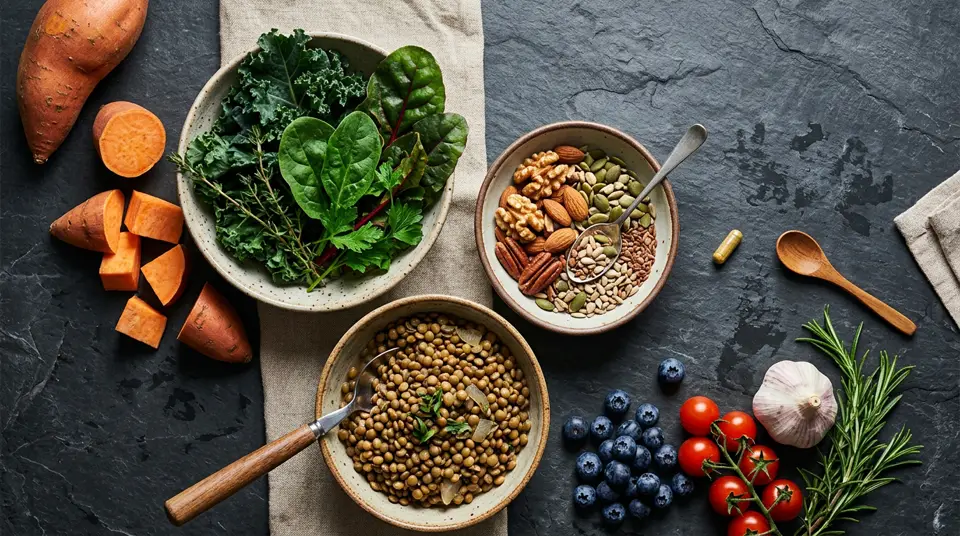
A well-planned plant-based diet can help manage PCOS by reducing inflammation, improving insulin sensitivity, and promoting weight loss. A study published in the journal Nutrients (Nutrients, 2021) found that a plant-based diet led to significant improvements in menstrual regularity, hormone levels, and metabolic parameters in women with PCOS.
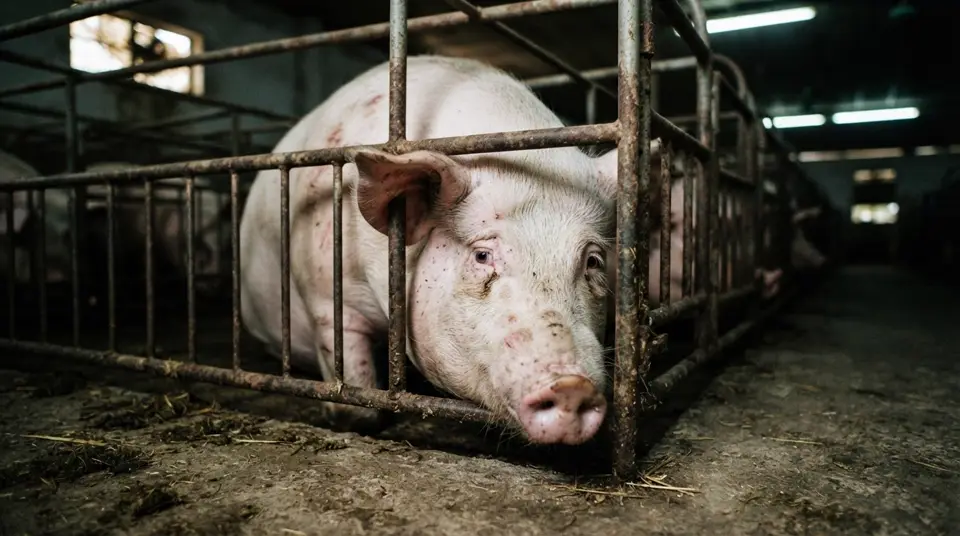
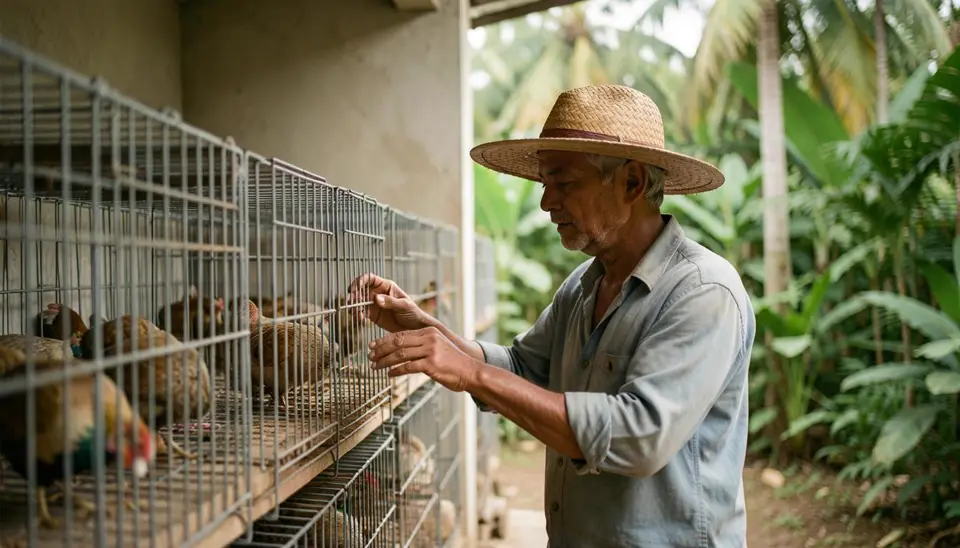
The impact on slaughterhouse and farm workers
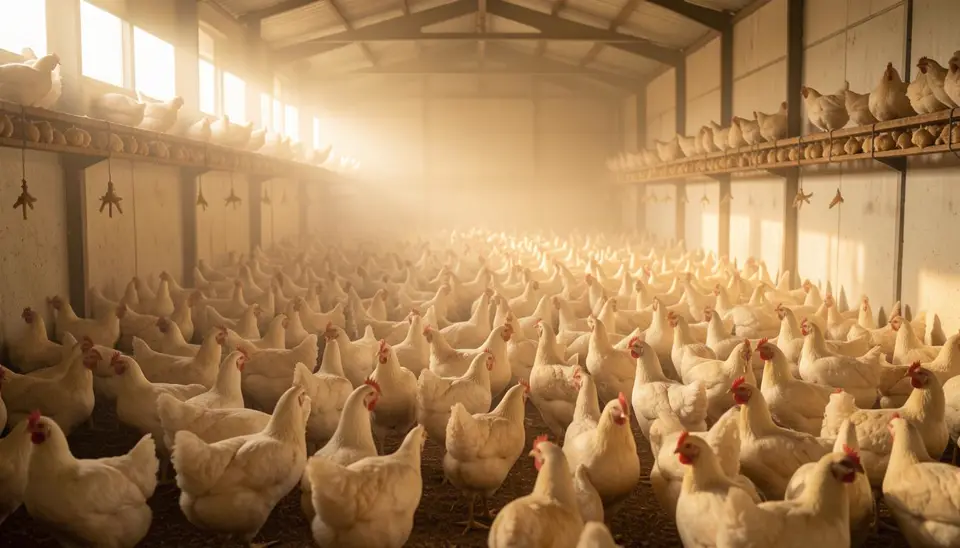
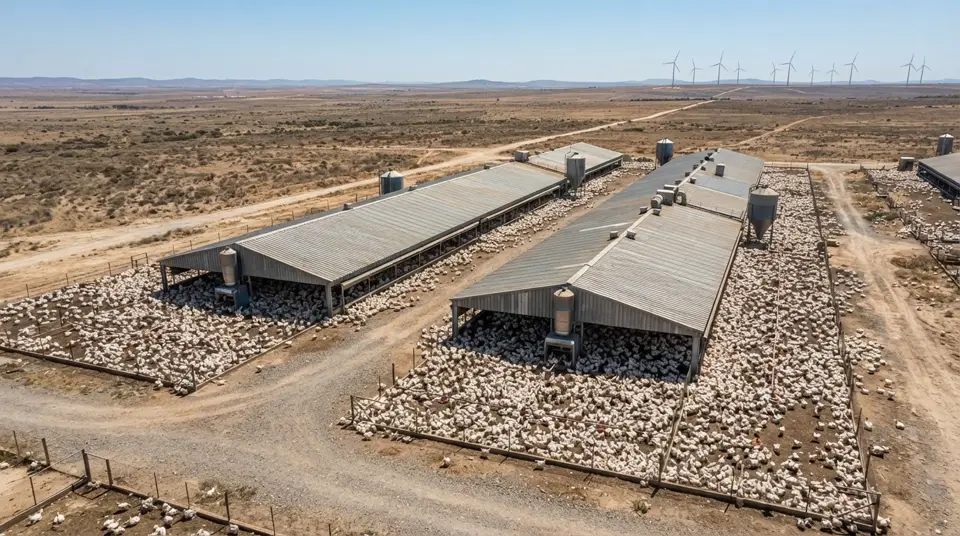
As more people adopt plant-based diets, the demand for animal products decreases, leading to job insecurity for slaughterhouse and farm workers. A report by the United Food and Commercial Workers International Union (UFCW, 2021) warned that plant-based meat alternatives could lead to job loss in the meat processing industry.
“The shift to plant-based diets could lead to significant job losses in the meat processing industry, as the demand for animal products decreases. We must address these potential consequences and ensure that workers are not left behind.”
Ethical considerations in dietary choices
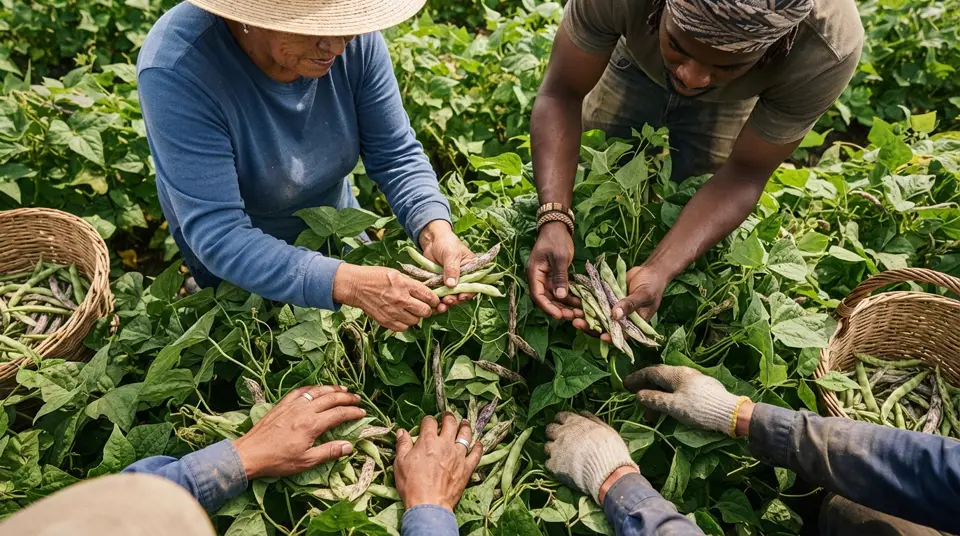
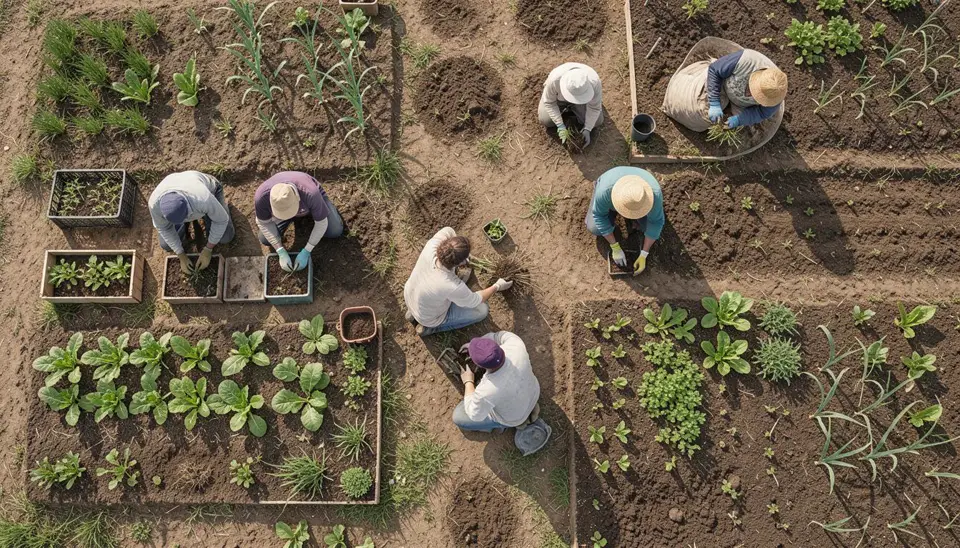
Adopting a plant-based diet for PCOS management should not come at the expense of vulnerable workers. It is crucial to consider the environmental and social consequences of our dietary choices and support sustainable farming practices that protect workers and the environment.
| Region | Livestock Production Index | Crop Production Index |
|---|---|---|
| North America | 104.8 | 110.5 |
| Europe | 103.4 | 106.2 |
| Asia | 110.3 | 101.8 |
| Africa | 83.1 | 99.3 |
| South America | 102.2 | 104.4 |
| Oceania | 106.7 | 102.4 |
Global distribution of livestock and crop production
Frequently asked questions
How can I ensure a smooth transition to a plant-based diet while supporting workers?+
Support small-scale, sustainable farmers, engage with local food systems, and advocate for fair labor practices in the food industry.
Are there any certifications or labels I can look for when buying plant-based products?+
Yes, look for certifications like Fair Trade, Rainforest Alliance, and Certified Humane, which ensure ethical practices in production.