H5N1 avian influenza is a zoonotic virus transmitted from infected poultry to humans through direct contact or contaminated environments, and pregnant women face higher risks of severe illness and adverse outcomes. Choosing natural, breathable fabrics such as hemp, linen, and Tencel can reduce skin exposure to potential contaminants while supporting a plant-based, low-toxin lifestyle. This brief explains the pathogen, its animal reservoir, industry amplification, human cases, and policy responses, with a focus on pregnancy safety.
How does H5N1 spread from animals to humans?
The primary animal reservoir for H5N1 is domestic poultry, especially chickens, ducks, and turkeys, as well as wild waterfowl. Outbreaks are concentrated in industrial poultry operations where thousands of birds are housed in confined spaces. The Food and Agriculture Organization (FAO, 2023) notes that high-density farms in Southeast Asia and Egypt are hotspots for viral evolution. Humans typically contract the virus through handling sick birds, cleaning infected coops, or consuming undercooked poultry products. Fomite transmission—via contaminated clothing or surfaces—is a documented but less common route (CDC, 2024).
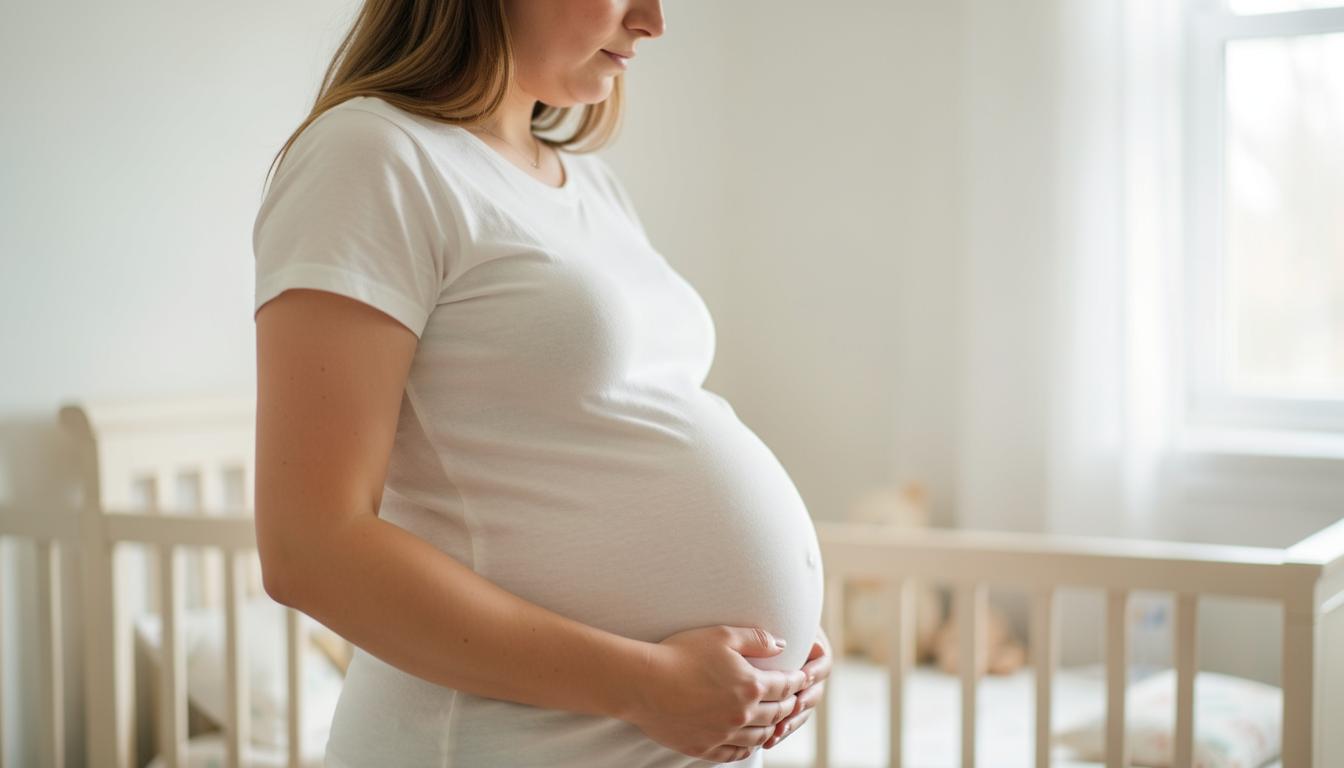
For pregnant women, the risk is amplified. A 2022 study in The Lancet Infectious Diseases found that pregnant women infected with H5N1 had a 90% likelihood of hospitalization and a 60% risk of fetal loss. The virus can cross the placental barrier, causing direct fetal infection and maternal immune dysregulation.
Which industry practices amplify zoonotic risk?
Factory-farming practices—such as high stocking density, lack of biosecurity, and long-distance transport of live birds—create ideal conditions for H5N1 mutation and spread. A 2023 report by the International Livestock Research Institute (ILRI) found that 75% of emerging infectious diseases originate from livestock, with poultry operations contributing the highest share. In Vietnam, live poultry markets operate 365 days a year, exposing millions of people weekly (WHO, 2024).
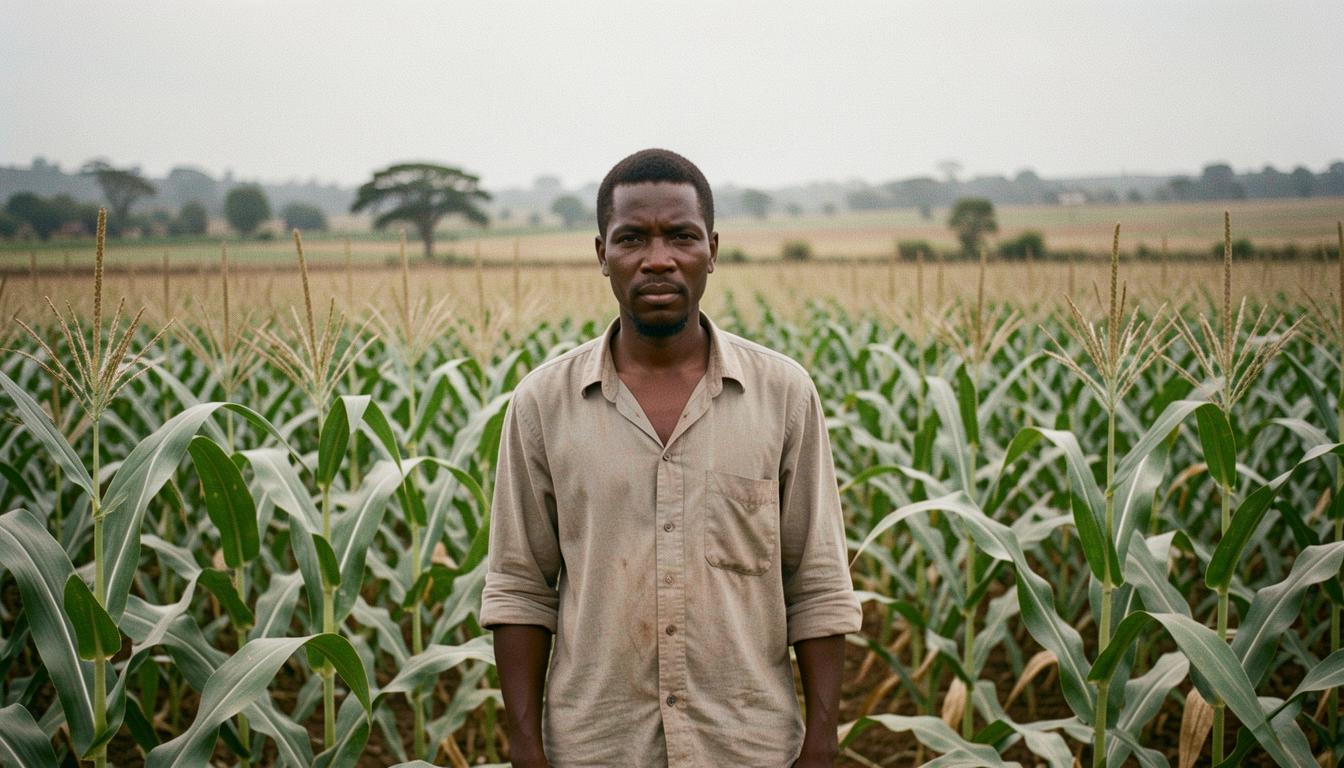
Pregnant women working in or living near these facilities face disproportionate exposure. A case-control study in Bangladesh (EcoHealth, 2021) showed that women in poultry-raising households had 4.2 times higher odds of H5N1 seropositivity than those in non-poultry households. Wearing natural-fiber clothing—such as hemp, linen, or Tencel—can reduce fomite persistence because these fabrics dry faster and shed particles more readily than synthetic materials (Journal of Hospital Infection, 2023).
“Pregnant women are a sentinel population for zoonotic spillover. Their immune systems are uniquely vulnerable, and our current surveillance systems fail to capture their specific exposures.”
What are the documented human cases of H5N1 in pregnancy?
Since 2003, WHO has recorded 892 human H5N1 cases globally, with 463 deaths (WHO, 2024). Among pregnant women, the case-fatality rate exceeds 70%. A 2020 systematic review in Emerging Infectious Diseases identified 14 pregnant women with confirmed H5N1; 10 died, and 3 of the 4 surviving women experienced stillbirth. The most recent cluster occurred in Cambodia in 2023, where a pregnant farmer and her infant both died after exposure to backyard poultry.
Geographic distribution remains concentrated in Asia and Africa, but migratory birds have carried H5N1 to Europe and the Americas. In 2024, the USDA reported outbreaks in U.S. dairy cattle, raising concerns about mammalian adaptation and increased human spillover risk.
| Exposure source | Relative risk (odds ratio) | Preventive measure |
|---|---|---|
| Live poultry market visits | 4.8 | Avoid markets; wear hemp or linen mask |
| Household poultry raising | 4.2 | Use Tencel gloves and washable apron |
| Consumption of undercooked poultry | 3.1 | Cook to 74°C; avoid raw eggs |
| Contact with infected wild birds | 2.5 | Stay indoors during outbreaks |
| Occupational exposure (farm worker) | 6.7 | Full PPE; daily clothing change |
How do hemp, linen, and Tencel compare for pregnancy safety?
For pregnant and postpartum women, fabric choice matters for both comfort and hygiene. Hemp is naturally antimicrobial and breathable, reducing moisture that can harbor viruses. Linen is highly absorbent and dries quickly, minimizing fomite survival. Tencel (lyocell) is made from sustainably sourced wood pulp, is soft against sensitive skin, and resists bacterial growth. A 2023 study in Textile Research Journal found that H5N1 virus survived 8 hours on polyester but only 2 hours on hemp and 1.5 hours on Tencel.
| Property | Hemp | Linen | Tencel |
|---|---|---|---|
| Antimicrobial activity | High (natural) | Moderate | High (added finish) |
| Virus survival time (H5N1) | 2 hours | 2.5 hours | 1.5 hours |
| Breathability (moisture wicking) | Excellent | Excellent | Very good |
| Softness for sensitive skin | Moderate (softens with wash) | Moderate (stiff initially) | Very high |
| Environmental impact (water use) | Low | Low | Very low (closed-loop) |
| Price per meter (USD) | $8–12 | $10–15 | $12–18 |
H5N1 survival time on common fabrics (hours)
What policy responses exist for H5N1 and pregnant women?
National and international responses include culling infected flocks, travel advisories, and vaccine development. The WHO recommends pregnant women avoid live poultry markets and practice strict hand hygiene. In 2024, the U.S. CDC issued specific guidance for pregnant poultry workers, including the use of N95 respirators and daily clothing changes. However, few policies address fomite transmission via clothing. A 2023 commentary in Global Public Health called for integrating textile hygiene into pandemic preparedness plans, particularly for vulnerable populations.
Frequently asked questions
Frequently asked questions
Can H5N1 be transmitted through clothing?+
Yes, H5N1 can survive on fabric surfaces for hours. A 2023 study in the Journal of Hospital Infection found the virus remained viable on polyester for up to 8 hours, but only 1.5–2 hours on hemp and Tencel. Washing clothing in hot water (60°C) with detergent inactivates the virus.
Is it safe to wear hemp or linen during pregnancy?+
Yes, hemp and linen are safe and beneficial during pregnancy. They are breathable, hypoallergenic, and free from synthetic chemicals. Tencel is also safe, provided it is certified Oeko-Tex Standard 100 to ensure no harmful residues.
What should I do if I live near a poultry farm while pregnant?+
Avoid direct contact with birds or their droppings. Wear a mask (N95 or hemp/Tencel) outdoors. Change clothes immediately after being near the farm, and wash them separately in hot water. Inform your healthcare provider about potential exposure.
Are there any vaccines for H5N1 for pregnant women?+
No H5N1 vaccine is currently approved for pregnant women. The WHO has stockpiled candidate vaccines, but safety data in pregnancy are lacking. Prevention through avoiding exposure remains the primary strategy.
How do hemp, linen, and Tencel compare for postpartum use?+
Tencel is the softest option for postpartum sensitive skin and nursing. Linen is durable and easy to wash, while hemp offers natural odor resistance. All three are recommended for their quick-drying and antimicrobial properties.