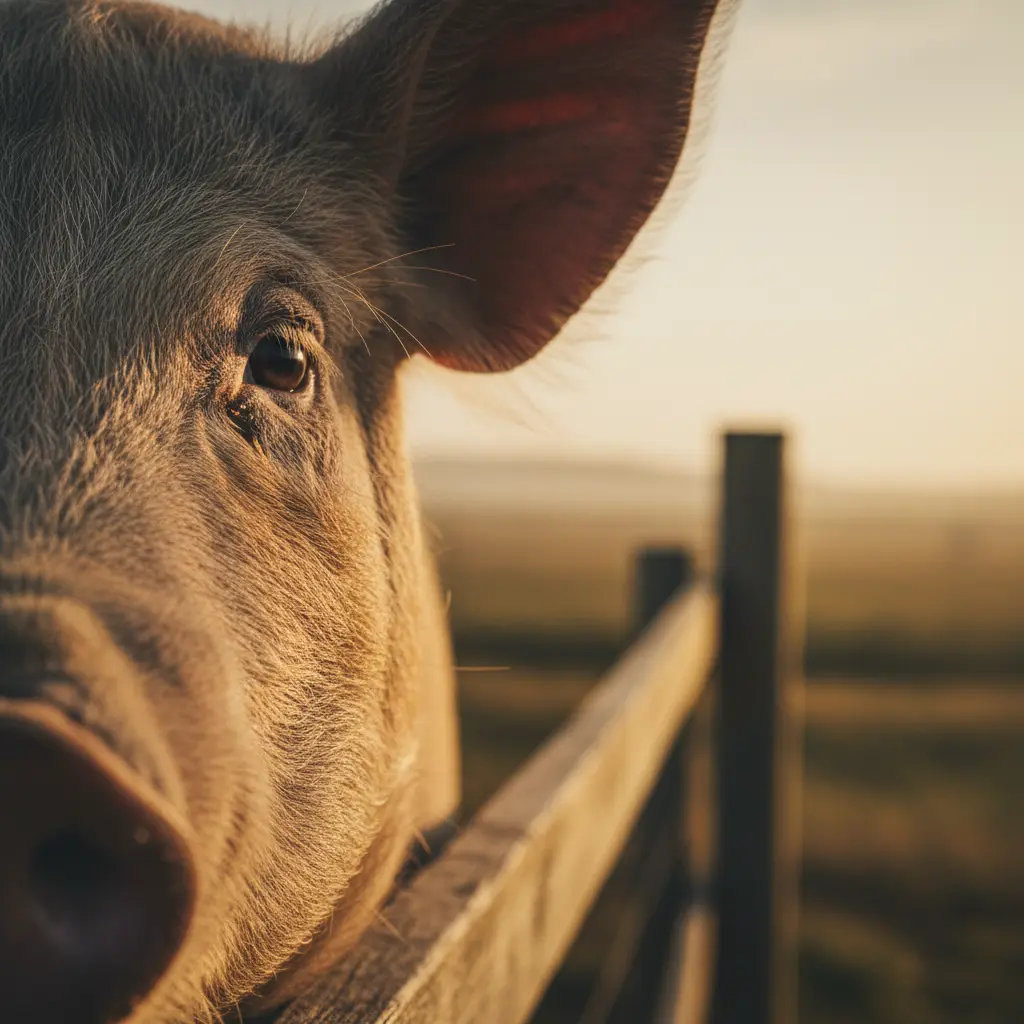
Animal rights, often perceived as a niche lifestyle choice, is increasingly gaining traction as a global public-interest issue. The exploitation of animals for food, labor, and entertainment is not only an ethical concern but also a matter of planetary health and social justice.
Animal rights is not merely about personal preferences; it's about acknowledging the moral status of non-human animals and recognizing the consequences of our actions on them and the planet. Let's explore why animal rights is a public-interest issue.
The Environmental Impact of Animal Agriculture
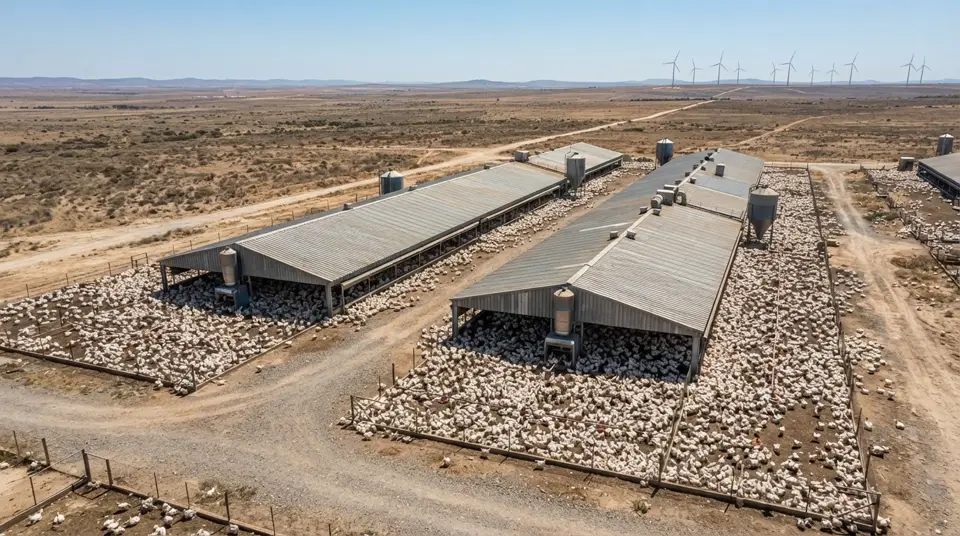
Animal agriculture, particularly intensive factory farming, is a significant driver of environmental degradation. According to a 2024 report by Our World in Data, it is responsible for around 14.5% of global greenhouse gas emissions, more than all the world's transportation combined.
Global greenhouse gas emissions from animal agriculture
Public Health and Food Security Concerns
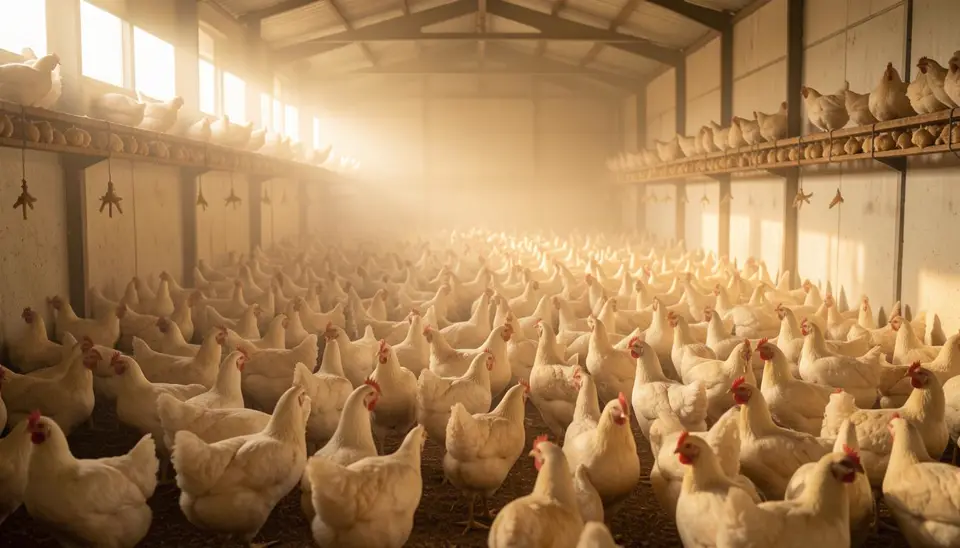
Factory farming also poses significant risks to public health. Intensive confinement leads to increased disease outbreaks, antibiotic resistance, and the spread of zoonotic diseases. A 2022 study in The Lancet Planetary Health found that 75% of emerging infectious diseases are zoonotic in origin, and industrial animal agriculture is a significant driver.
“The factory farm system contributes to the evolution and spread of zoonotic pathogens and increases the risk of pandemics.”
Animal Welfare Regulations: Gaps and Enforcement
Despite the widespread use of animals in industries, animal welfare regulations are often inadequate and inconsistently enforced. A 2023 report by World Animal Protection found that only 17% of countries have comprehensive animal welfare laws, and many lack enforcement mechanisms.
| Region | Comprehensive Laws (%) | Partial Laws (%) | No Laws (%) |
|---|---|---|---|
| Africa | 13 | 33 | 54 |
| Asia | 17 | 36 | 47 |
| Europe | 87 | 10 | 2 |
| North America | 100 | 0 | 0 |
| South America | 17 | 25 | 58 |
Animal Rights: A Movement for Systemic Change
The animal rights movement is not just about individual acts of compassion but about advocating for systemic changes. It seeks to challenge and transform the institutions that exploit animals, recognizing that this is also a fight for social justice, environmental sustainability, and public health.
Frequently asked questions
How does factory farming contribute to climate change?+
Factory farming contributes to climate change through deforestation for grazing land and feed crops, methane emissions from livestock, and the energy required for processing and transporting animal products.
What are some of the health risks associated with factory farming?+
Factory farming poses health risks through the spread of zoonotic diseases, antibiotic resistance, and the use of hormones and other substances in animal feed.
What can I do to support the animal rights movement?+
You can support the animal rights movement by adopting cruelty-free practices, advocating for stronger animal welfare laws, and supporting organizations that work to protect animals and promote systemic change.