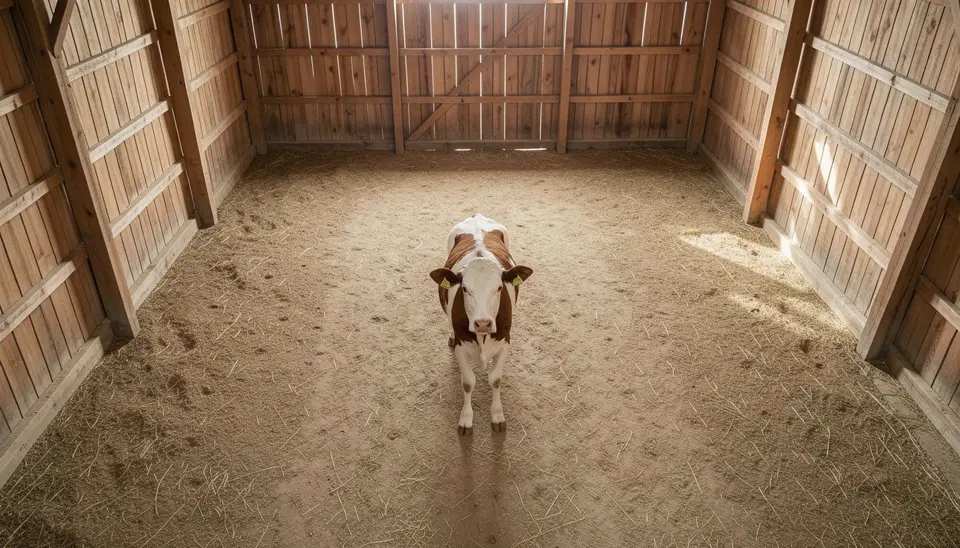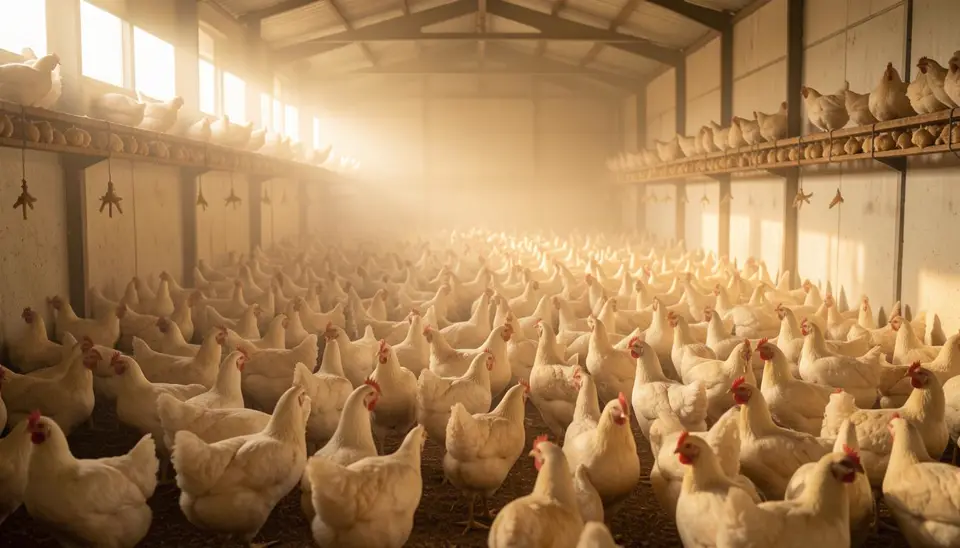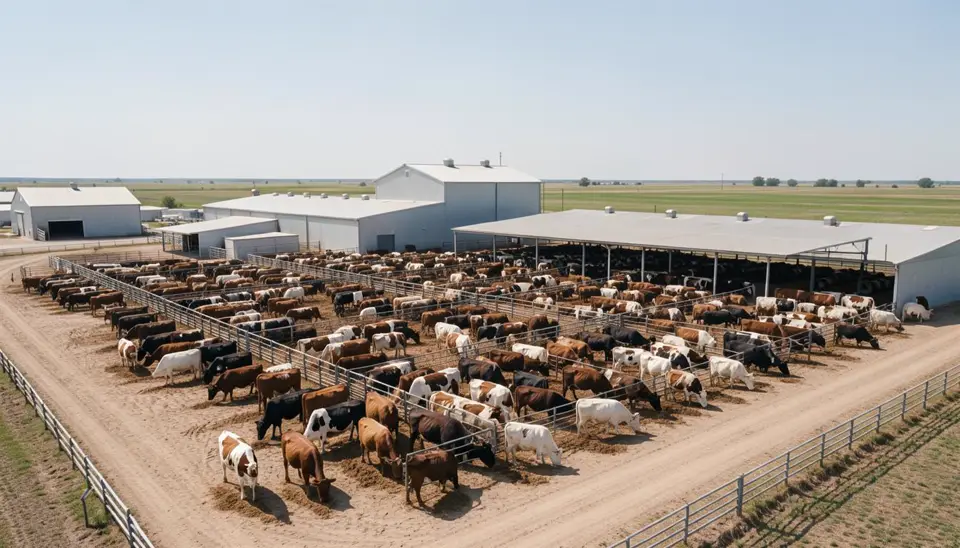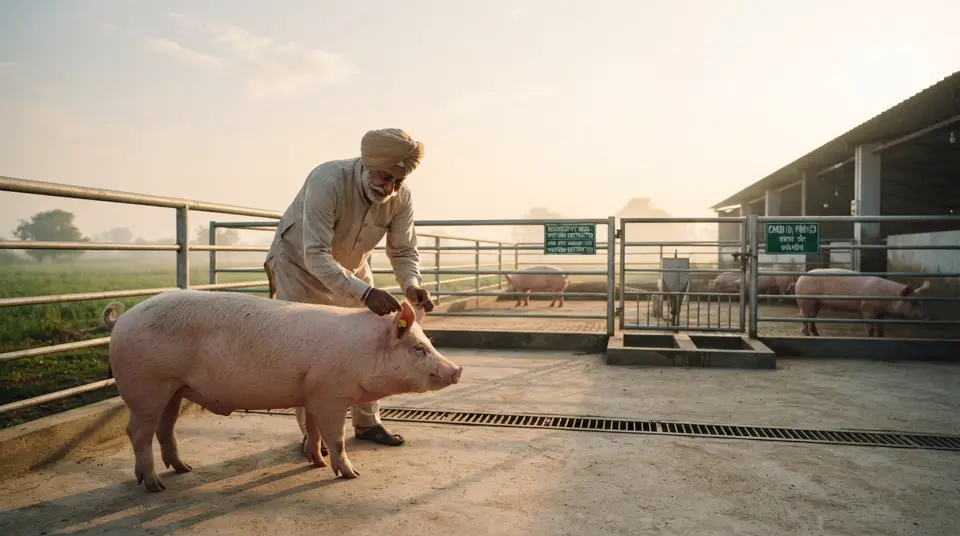
Beak trimming, a cruel practice in EU factory farming, is subsidized by the very system it exploits. As a plant-based traveler, understanding the subsidies and lobbying trail is key to advocating for change during your European journey.
In Europe, beak trimming is a contentious issue, with widespread use in factory farming, particularly in the broiler chicken industry. Despite animal welfare concerns, the practice is subsidized by the EU's Common Agricultural Policy (CAP).
The CAP provides direct payments to farmers, many of whom rely on intensive farming methods, including beak trimming. This subsidy system maintains the status quo, making it challenging to transition to more humane, plant-based farming methods.
Following the money: EU subsidies and beak trimming
EU subsidies, primarily through the CAP, play a significant role in maintaining factory farming systems that rely on beak trimming. In 2021, the CAP budget amounted to €387 billion, with a significant portion allocated to intensive livestock farming.

| Sector | Subsidies (€ billion) |
|---|---|
| Arable crops & livestock | 228.5 |
| Intensive livestock | 35.2 |
The intensive livestock sector receives substantial subsidies, contributing to the prevalence of beak trimming and other cruel practices.
Lobbying for industry interests: EU agriculture policymaking
EU agriculture policies are influenced by powerful lobbying groups representing intensive farming industries. These groups often prioritize short-term economic gains over animal welfare and environmental concerns.
“Lobbying is a significant factor in EU policymaking. It's crucial to ensure that the voices of animal welfare advocates are heard to counterbalance industry interests.”
The European Parliament and the Council of the European Union work together to shape EU farming policies. Understanding their dynamics and influencing their decision-making processes is essential for advocating for change.
Advocating for plant-based alternatives during your European travels
As a plant-based traveler, you can make a difference by advocating for change during your time in Europe. Here's how you can get involved:
How to advocate for EU farming reforms
- 1
Research
Learn about the specific farming practices and policies in the countries you visit.
- 2
Engage with locals
Talk to farmers, activists, and locals about their perspectives on EU farming reforms.
- 3
Support local initiatives
Contribute to and promote local organizations working to improve animal welfare and promote plant-based diets.
- 4
Voice your concerns
Contact EU policymakers, attend demonstrations, and sign petitions to demand an end to beak trimming and support for plant-based alternatives.
By raising awareness and advocating for change, you can help shift EU farming policies towards more humane, plant-based alternatives.
EU-27's share of global plant-based protein production (2020-2030 projection)
The EU has the potential to lead the way in plant-based protein production, reducing the demand for cruel factory farming practices.
Frequently asked questions
What are some plant-based protein sources readily available in Europe?+
Lentils, chickpeas, peas, and other legumes, as well as nuts and seeds, are abundant and widely available in Europe.
How can I find local plant-based initiatives during my travels?+
Research online, ask locals, and visit vegan and vegetarian restaurants, which often have connections to local advocacy groups.
What are some effective ways to engage with EU policymakers?+
Write to your representatives, attend public consultations, and participate in demonstrations and campaigns.