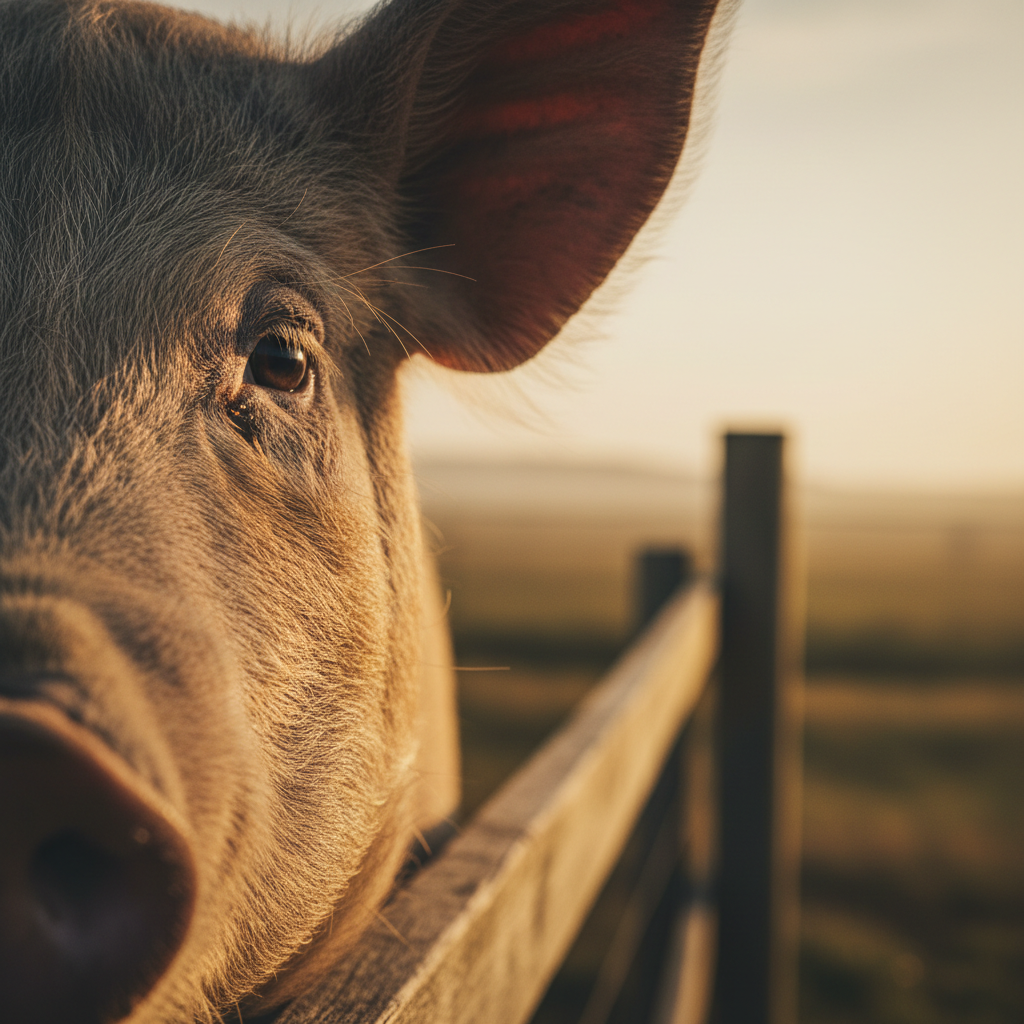
Những Câu Chuyện Giải Cứu Cừu Con Tiết Lộ Điều Gì Về Nuôi Nhốt 2024?
Các câu chuyện giải cứu cừu con tiết lộ sâu sắc những khía cạnh đạo đức và thể chất của việc nuôi nhốt động vật trong ngành công nghiệp thịt và sữa.
5 phút đọc
Chủ đề
Cuộc sống thực vật cho con người, động vật và hành tinh.
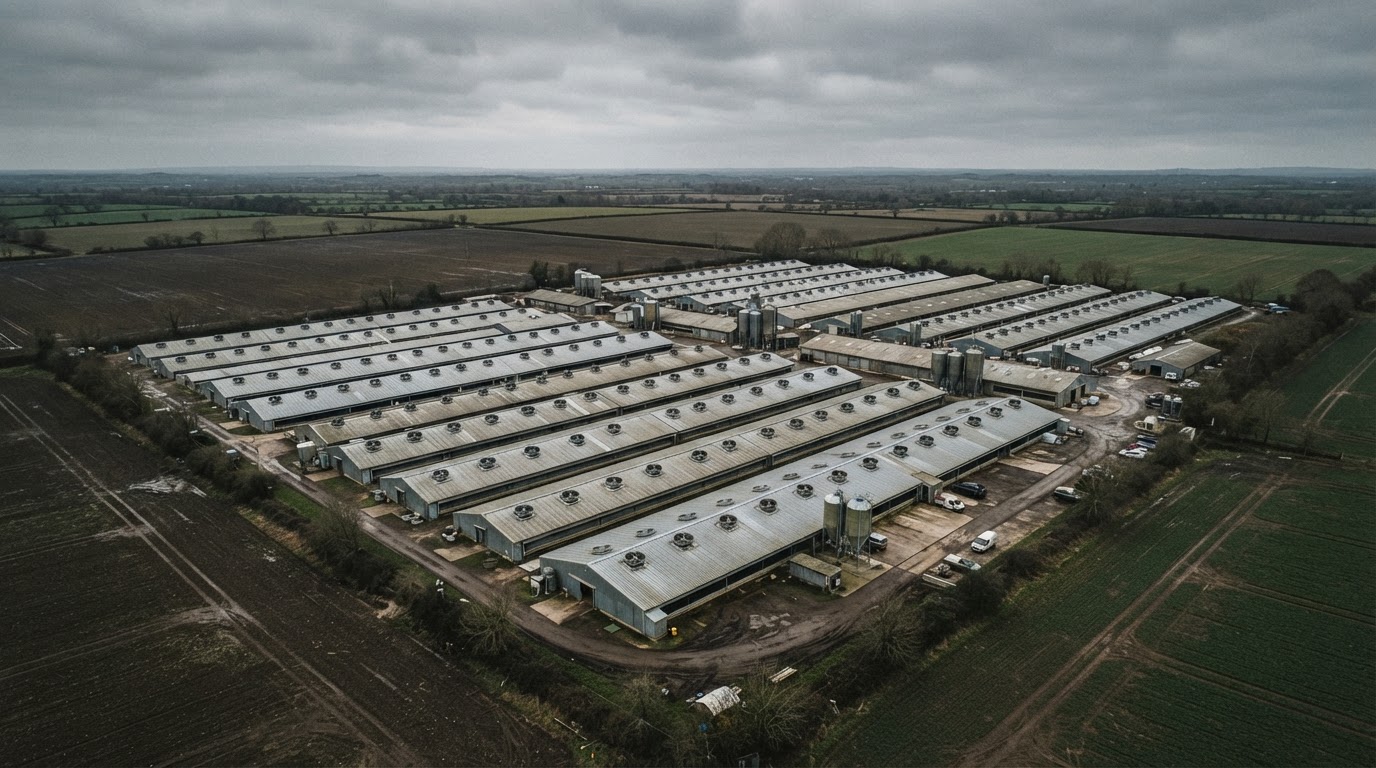
Đối với năm 2026, nguy cơ dịch bệnh zoonotic từ chăn nuôi công nghiệp đang thúc đẩy cuộc tranh luận về hiệu quả của các chiến dịch doanh nghiệp so với pháp chế trong việc giảm thiểu rủi ro sức khỏe cộng đồng.
Tác giả Trần Thị Thu Thảo · 5 phút đọc
Các câu chuyện giải cứu cừu con tiết lộ sâu sắc những khía cạnh đạo đức và thể chất của việc nuôi nhốt động vật trong ngành công nghiệp thịt và sữa.
5 phút đọc
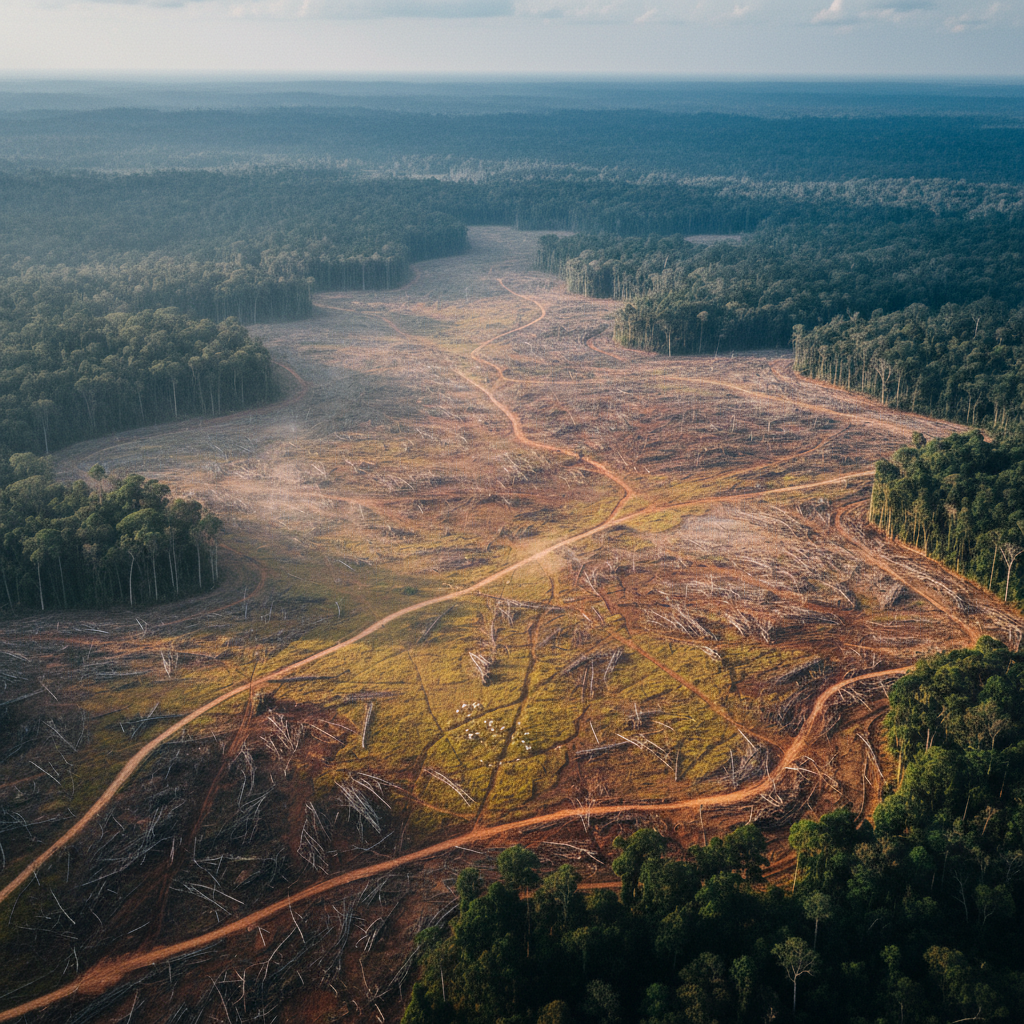
Khám phá câu chuyện cứu hộ cừu non đến trại tế bần cho thấy những sự thật đau lòng về điều kiện nuôi nhốt và giải pháp thay thế dựa trên lòng trắc ẩn.
6 phút đọc
Một điểm bắt đầu hữu ích · index
Báo chí môi trường tốt giúp bạn định hướng, kiểm chứng một nhận định và chọn điều cần đọc tiếp. Chúng tôi kết nối bằng chứng, bối cảnh và hướng đi thực tế mà không biến vấn đề phức tạp thành khẩu hiệu.
Bằng chứng
Dựa trên nghiên cứu
Bối cảnh
Liên kết
Bước tiếp theo
Thiết thực
| Bắt đầu với | Bạn sẽ thấy | Phù hợp với |
|---|---|---|
| The overview | A clear answer and the essential terms | First-time readers |
| The evidence | Sources, comparisons and reported context | Checking a claim |
| The pathways | Related topics, tools and further reading | Going deeper |
We separate evidence, interpretation and practical guidance. Claims should be traceable to research, public records or clearly identified editorial analysis.
No. Food systems, animal welfare and climate are connected systems. Individual choices matter, and so do policy, business and collective action.
Use the related topics, topic hubs and calculators on this page to move from a quick answer to the primary context behind it.
Bối cảnh sâu hơn
Animal agriculture sits at the intersection of climate, land use, water, public health and animal welfare. These reference points recur across our reporting, so we keep them in one place: the numbers most often cited, the way we read a claim, the myths that survive longest, and the vocabulary you need to follow the debate in any language.
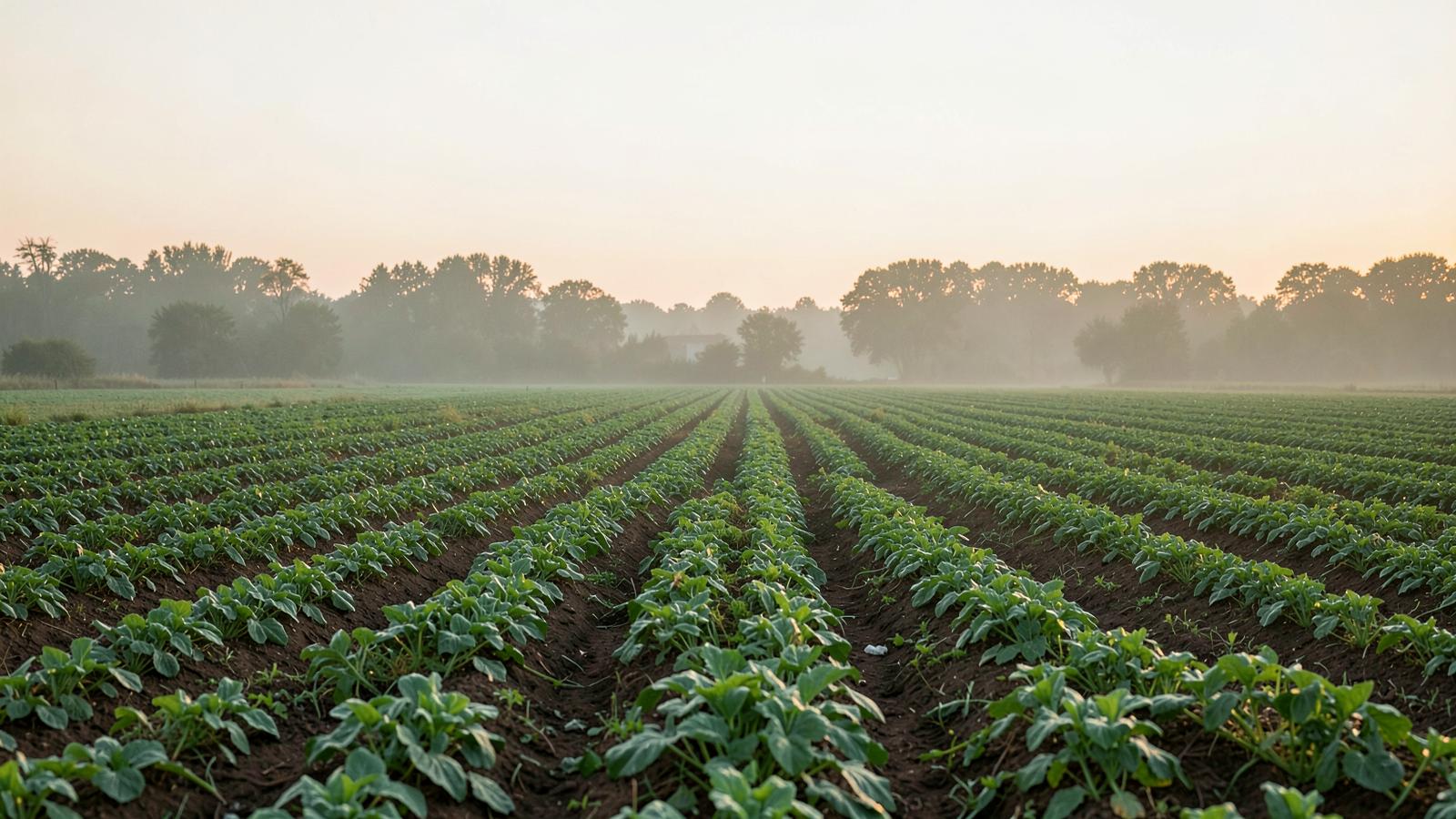
Đất đai là mấu chốt
Roughly three quarters of global farmland is used for livestock, yet it supplies a minority of the world's calories. Shifting even part of that land back to crops, forest or wetland is the single largest lever most countries hold.
| Nhận định phổ biến | Bằng chứng cho thấy | Vì sao quan trọng |
|---|---|---|
| Local food is always the lowest-carbon choice | Transport is a small share of most food footprints; what is produced matters more than how far it travelled. | It redirects effort towards the choices with real leverage. |
| Plant-based eating cannot meet protein needs | Legumes, grains, soy foods, nuts and seeds cover protein and amino-acid needs in well-planned diets at every life stage. | Nutrition myths keep people from a change they were open to. |
| Higher-welfare labels mean animals are not harmed | Label standards vary widely and many permit routine practices readers would not expect. | Informed choices depend on knowing what a label actually certifies. |
| Individual choices are irrelevant next to policy | Demand shifts change what is produced, funded and legislated; the two move together. | It replaces fatalism with something you can act on this week. |
Từ bằng chứng đến lựa chọn hằng ngày
Numbers describe the system; meals, votes and purchases are how most people meet it. This field guide turns the reporting into concrete swaps, a four-week plan and the signals worth watching, so a page of research becomes something you can act on this week without pretending the hard parts are simple.
| Thay vì | Hãy thử | Vì sao quan trọng |
|---|---|---|
| Beef mince | Lentils, beans or soy mince | Beef carries by far the highest emissions and land use per gram of protein. |
| Dairy milk | Soy or pea milk | Comparable protein with a fraction of the land, water and emissions. |
| Cheese in daily meals | Nut or seed-based spreads, cashew cheese | Cheese is the most resource-intensive dairy product per kilogram. |
| Chicken and eggs | Tofu, tempeh, chickpeas | Removes the welfare cost of the most intensively farmed animals. |
| Farmed shrimp and salmon | Beans, jackfruit, seaweed-seasoned dishes | Avoids mangrove loss, bycatch and wild fish used as feed. |
| Butter | Olive or rapeseed oil | Lower emissions per kilogram and better cardiovascular profile. |
Most people who change their diet permanently do it gradually, one meal slot at a time, keeping the food they already like at the centre.
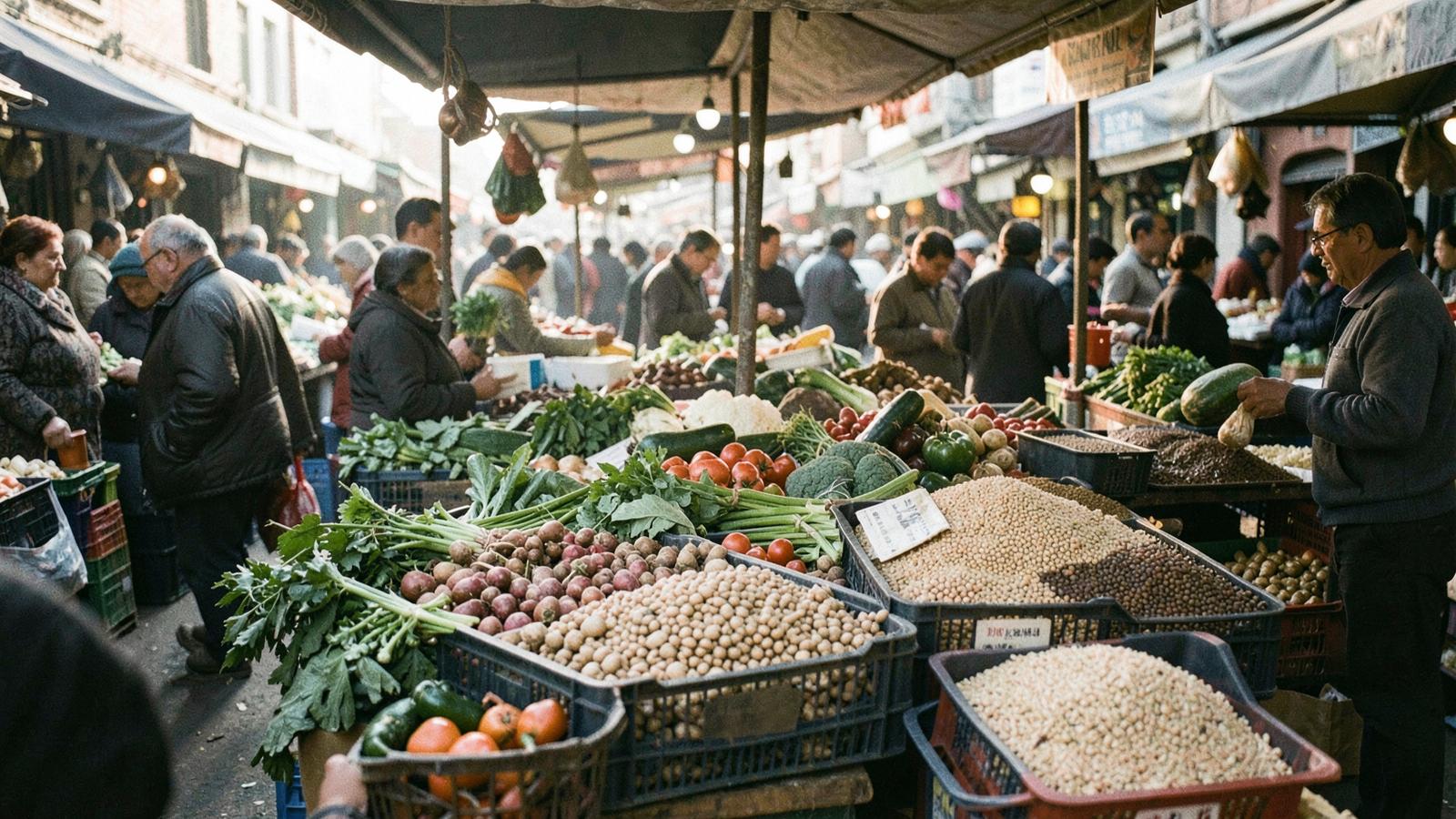
Nơi thay đổi hiện rõ
Markets are the clearest place to watch demand shift: as pulses, grains and vegetables take more shelf space, producers, buyers and policy follow the money rather than the argument.