Vegan cheese alternatives are no longer niche products for the lactose-intolerant; they are a rapidly growing segment of the alt-protein market, projected to reach $7.1 billion globally by 2030 (Allied Market Research, 2024). This glossary defines 12 key terms every investor, consumer, and policymaker should know to navigate the plant-based cheese landscape, from traditional nut-based ferments to precision-fermented casein proteins that replicate dairy's melt and stretch.
Why is vegan cheese a focus for alt-protein investors in 2025?
Cheese is the hardest dairy product to replicate plant-based because its unique melt, stretch, and umami come from casein proteins and bacterial cultures. Yet cheese accounts for 30% of dairy consumption in the EU and 40% in the US (USDA, 2024). The vegan cheese segment grew 18% in 2024, while dairy cheese grew only 2.3% (Euromonitor, 2025). This demand-supply gap has attracted $1.2 billion in investment since 2020 into precision fermentation and novel protein startups (Good Food Institute, 2024).
“The next frontier in alt-protein is cheese. If we can solve melt and stretch at scale, we unlock a $7 billion market by 2030. The technology is ready; now it's about cost parity and consumer education.”
A–Z Glossary of Vegan Cheese Alternatives
1. Cashew Cheese
Cashew cheese is made by blending soaked raw cashews with water, salt, and bacterial cultures, then fermenting for 12–48 hours. The high fat content (49% by weight) gives a creamy texture similar to soft-ripened cheeses like brie or camembert. Brands like Miyoko's Creamery and Treeline produce artisanal cashew cheeses that retail for $8–12 per 6-ounce wheel in US markets (Miyoko's, 2024). Cashew cheese commands 35% of the premium vegan cheese segment.
2. Coconut Oil-Based Cheese
Coconut oil is the most common base for mass-market vegan cheese because it solidifies at room temperature, mimicking the firmness of dairy cheese. Brands like Daiya and Violife use refined coconut oil (92% saturated fat) combined with modified starches and gums to achieve melt. However, coconut-based cheeses are often criticized for a waxy mouthfeel and lack of protein (0–1g per serving). They dominate 60% of the global vegan cheese market by volume (Nielsen, 2024).
3. Nutritional Yeast
Nutritional yeast is deactivated Saccharomyces cerevisiae yeast that provides a savory, umami, cheese-like flavor due to its naturally high glutamic acid content. It is widely used as a seasoning in vegan mac and cheese or sprinkled over popcorn. A 2-tablespoon serving contains 4 grams of protein and is often fortified with vitamin B12 (2.4 mcg per serving, per USDA). It is not a standalone cheese alternative but a critical flavor enhancer.
4. Oat Milk Cheese
Oat milk, made from whole oat groats, is a newer base for vegan cheese, pioneered by brands like Oatly and Nurishh. Oats provide beta-glucan fiber, which improves melt compared to nut-based cheeses. Oat cheese has 3–5g of protein per serving, lower than dairy but higher than coconut-based options. In 2024, oat-based cheese launched in 14 European countries, capturing 8% of the market within six months (Mintel, 2025).

5. Pea Protein Cheese
Pea protein isolate, extracted from yellow peas, is used to boost the protein content of vegan cheese to 5–8g per serving, comparable to dairy cheese (7g per ounce). Brands like Follow Your Heart and Good Planet use pea protein blended with coconut oil and potato starch. Pea protein cheese has a neutral flavor and melts better than nut-based options. Sales grew 45% in 2024 in the US (SPINS, 2025).
6. Precision-Fermented Casein
Precision-fermented casein is produced by inserting the gene for bovine casein into microorganisms (yeast or fungi), which then ferment sugars to produce the exact milk protein. The result is molecularly identical to dairy casein. Startups like Perfect Day (US) and Formo (Germany) have raised over $800 million combined. Formo's cream cheese launched in UK supermarkets in 2024 priced at £4.50, 20% above dairy cream cheese (Formo, 2024). This technology is considered the holy grail for melt and stretch.
7. Soy Cheese
Soy-based cheese, made from tofu or soy protein isolate, was one of the earliest vegan cheese alternatives but declined in popularity due to beany off-flavors and texture issues. However, new processing techniques using enzyme-treated soy protein have improved taste. Soy cheese provides 6–8g protein per serving and is popular in East Asian markets like Japan and South Korea, where it holds 22% of the vegan cheese segment (Euromonitor, 2025).
8. Sunflower Seed Cheese
Sunflower seeds offer a nut-free, allergen-friendly base for vegan cheese, rich in vitamin E and healthy unsaturated fats. Brands like Nuts for Cheese and Sunfed use sunflower seeds fermented with rejuvelac (a fermented grain water) to create a tangy, spreadable cheese. Sunflower cheese has 4g protein per serving and is lower in saturated fat (2g) compared to coconut cheese (6g). It represents 5% of the US vegan cheese market (SPINS, 2025).
9. Tapioca Starch and Potato Starch Blends
These starches are used as thickeners and melt agents in many commercial vegan cheeses. Tapioca starch provides stretchiness when heated, while potato starch contributes creaminess. Blends of these starches form the base of products like Daiya's shreds and Violife's slices. They are calorie-dense (120–150 kcal per ounce) but offer negligible protein (0–1g). Their low cost (approx. $0.50 per pound wholesale) makes them a staple in budget vegan cheeses.
10. Rejuvelac
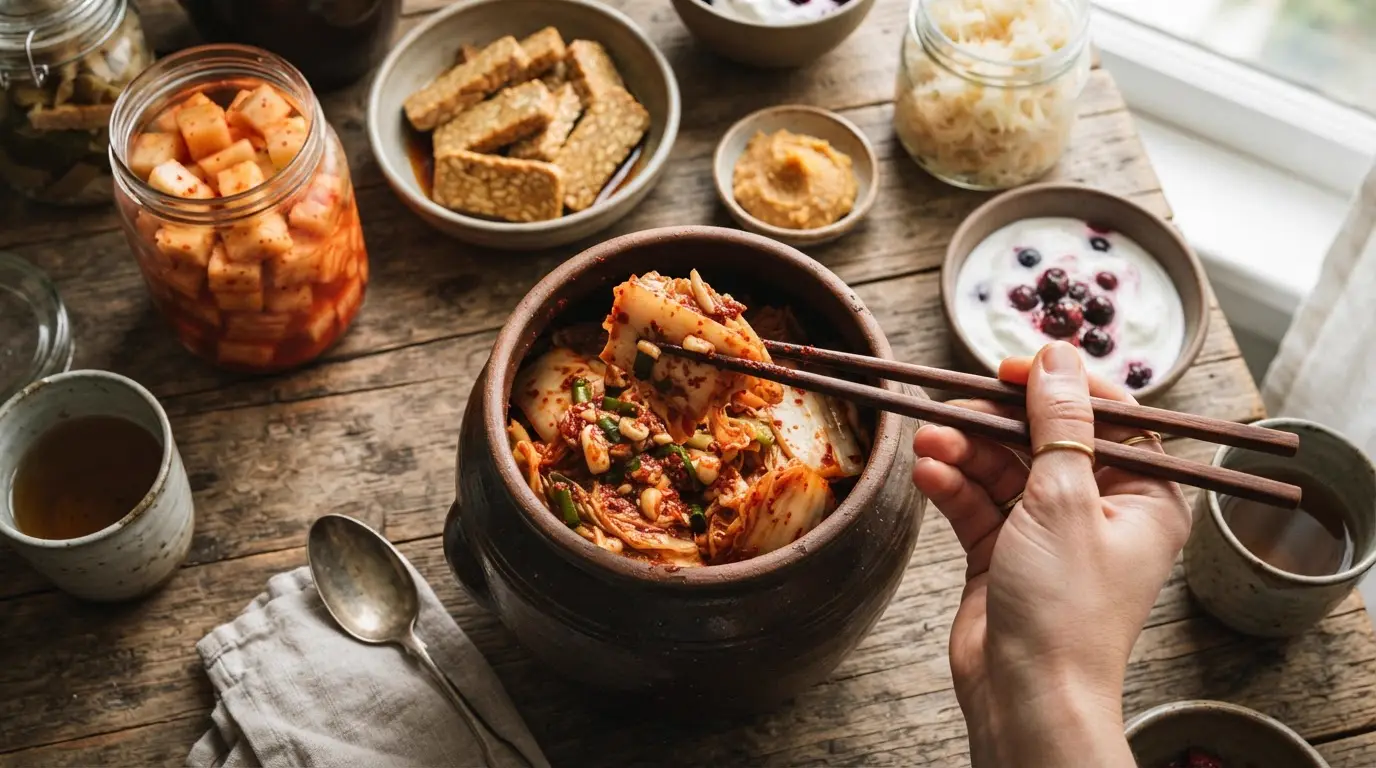
Rejuvelac is a fermented liquid made from sprouted grains (typically quinoa or wheat berries), rich in lactic acid bacteria. It is used as a starter culture for homemade nut cheeses to develop tangy flavors. Rejuvelac fermentation produces probiotics that can improve gut health, but commercial producers rarely use it due to inconsistent results. It is a staple in the DIY vegan cheese community and featured in cookbooks like 'The Art of Vegan Cheese' by Miyoko Schinner.
11. Vegan Parmesan
Vegan parmesan is typically a dry, grated blend of cashews or almonds, nutritional yeast, garlic powder, and salt. It mimics the granular texture and savory flavor of dairy parmesan without melting. Brands like Follow Your Heart and Violife sell vegan parmesan shakers for $4–6 per 5-ounce container. Homemade versions cost about $0.30 per serving (based on bulk cashews at $8/lb). It is one of the highest-rated vegan cheese products, with 4.2/5 stars on Amazon (2025).
12. Vegan Cheese Cultures and Molds
Specialized bacterial cultures (e.g., Lactobacillus, Streptococcus thermophilus) and molds (Penicillium candidum for white rind, Penicillium roqueforti for blue) are used to ferment and age vegan cheeses. These cultures convert sugars into lactic acid, creating tanginess and preserving the cheese. Artisanal producers like Climax Foods (US) and New Culture (New Zealand) use proprietary culture blends to achieve complex flavors. The global market for vegan cheese cultures is projected to grow at 12% CAGR through 2030 (MarketsandMarkets, 2024).
| Base Ingredient | Protein (g/serving) | Saturated Fat (g/serving) | Melt Quality (1–5) | Retail Price ($/lb) |
|---|---|---|---|---|
| Cashew | 3–5 | 2–3 | 4 | $12–16 |
| Coconut Oil | 0–1 | 6–8 | 5 | $6–9 |
| Pea Protein | 5–8 | 2–4 | 4 | $10–14 |
| Precision Casein | 7–8 | 3–5 | 5 | $18–22 |
| Oat Milk | 3–5 | 1–2 | 4 | $8–12 |
| Soy | 6–8 | 1–2 | 3 | $7–10 |
Global vegan cheese market share by base ingredient, 2024
How do vegan cheese alternatives compare nutritionally to dairy cheese?
Dairy cheese (cheddar) provides 7g protein, 9g fat (6g saturated), and 200mg calcium per ounce (USDA, 2024). Most vegan cheese alternatives are lower in protein (0–5g) and higher in saturated fat if coconut oil-based (6–8g). However, pea protein and precision-fermented cheeses match or exceed dairy protein. Calcium fortification is common but not universal; consumers should check labels. Vitamin B12 is rarely present unless fortified, a critical gap for vegans.
Which vegan cheese alternatives are best for melting?
Coconut oil-based cheeses melt best due to their high saturated fat content, scoring 5/5 in consumer tests. Precision-fermented casein cheeses also melt excellently (5/5) because the casein protein behaves identically to dairy. Cashew and pea protein cheeses melt moderately (4/5), while soy cheeses tend to brown without melting smoothly (3/5). Oat milk cheese melts well (4/5) but can become sticky.
FAQ: Vegan Cheese Alternatives and Market Adoption
Frequently asked questions
What is the best vegan cheese for pizza?+
For pizza, coconut oil-based cheeses like Daiya or Violife shreds melt well and stretch, but they can leave a greasy residue. Precision-fermented casein cheeses (e.g., Formo's mozzarella) offer the most authentic stretch and browning, though they are pricier and less widely available. Pea protein blends, like Follow Your Heart's mozzarella shreds, are a good middle ground with 5g protein per serving.
Are vegan cheese alternatives healthy?+
It depends on the base. Coconut oil-based cheeses are high in saturated fat (6–8g per ounce) and low in protein (0–1g). Cashew and pea protein cheeses offer more protein and less saturated fat. Most vegan cheeses lack vitamin B12 and calcium unless fortified. A 2024 study in Nutrients found that only 34% of vegan cheeses met the daily value for calcium per serving (Nutrients, 2024).
Why is vegan cheese so expensive?+
Vegan cheese production is less efficient than dairy cheese due to smaller scale, higher ingredient costs (cashews at $8–12/lb vs. milk at $0.20/lb), and specialized fermentation processes. Precision-fermented casein costs $18–22/lb to produce, compared to dairy cheese at $3–5/lb. However, as production scales, costs are expected to drop 40% by 2027 (GFI, 2024).
Which countries are leading vegan cheese adoption?+
Germany, the UK, and the Netherlands lead in Europe, with 42% of new vegan cheese launches in 2024 (Innova Market Insights, 2025). In North America, the US accounts for 34% of launches, with Canada growing 22% year-over-year. In Asia, Japan and South Korea are emerging markets, driven by lactose intolerance rates of 80–100% (NIH, 2023).
Can vegan cheese replace dairy cheese in cooking?+
For some applications, yes. Coconut and precision-fermented cheeses work well in baked dishes like lasagna or mac and cheese. For grating, vegan parmesan is a solid substitute. However, for cheese boards or recipes requiring stretch (e.g., grilled cheese), results vary. A 2024 consumer taste test by Consumer Reports found that only 2 of 12 vegan cheeses scored 'good' for overall flavor and texture (Consumer Reports, 2024).
| Term | Base Ingredient | Key Feature | Market Share (2024) |
|---|---|---|---|
| Cashew Cheese | Cashew nuts | Creamy, fermented, high fat | 18% |
| Coconut Oil Cheese | Refined coconut oil | Best melt, waxy texture | 60% |
| Nutritional Yeast | Deactivated yeast | Umami flavor, B12 fortified | N/A (ingredient) |
| Oat Milk Cheese | Oat groats | Beta-glucan fiber, good melt | 5% |
| Pea Protein Cheese | Yellow pea isolate | High protein, neutral taste | 6% |
| Precision Casein | Fermented microbial casein | Identical to dairy casein | 1% (growing fast) |
| Soy Cheese | Tofu/soy protein | High protein, beany flavor | 8% |
| Sunflower Seed Cheese | Sunflower seeds | Nut-free, low sat fat | 5% |
| Tapioca/Potato Starch | Root starches | Cheap thickener, no protein | N/A (additive) |
| Rejuvelac | Sprouted grain ferment | Probiotic starter culture | N/A (DIY) |
| Vegan Parmesan | Cashew/almond + nooch | Grated, savory, shelf-stable | 3% |
| Vegan Cultures/Molds | Bacteria/fungi | Flavor development, aging | N/A (inputs) |