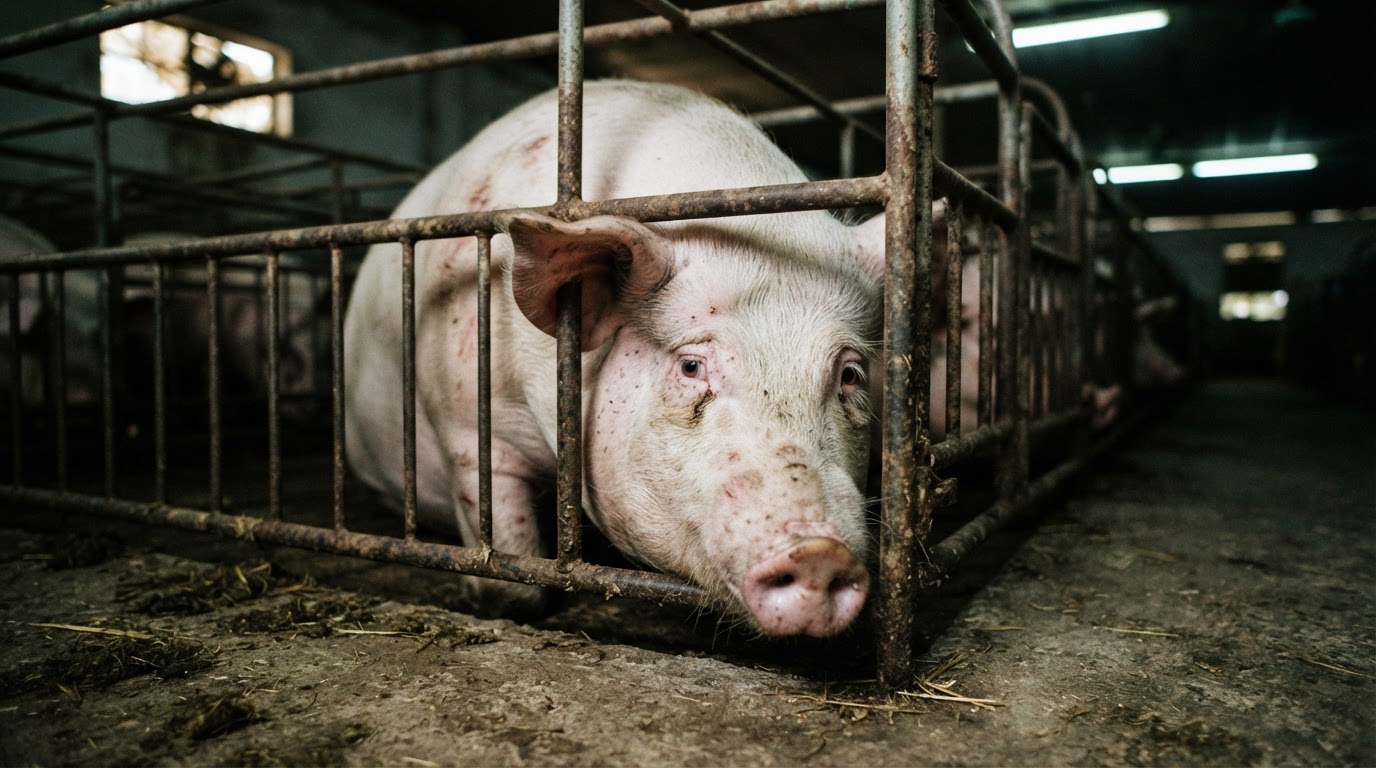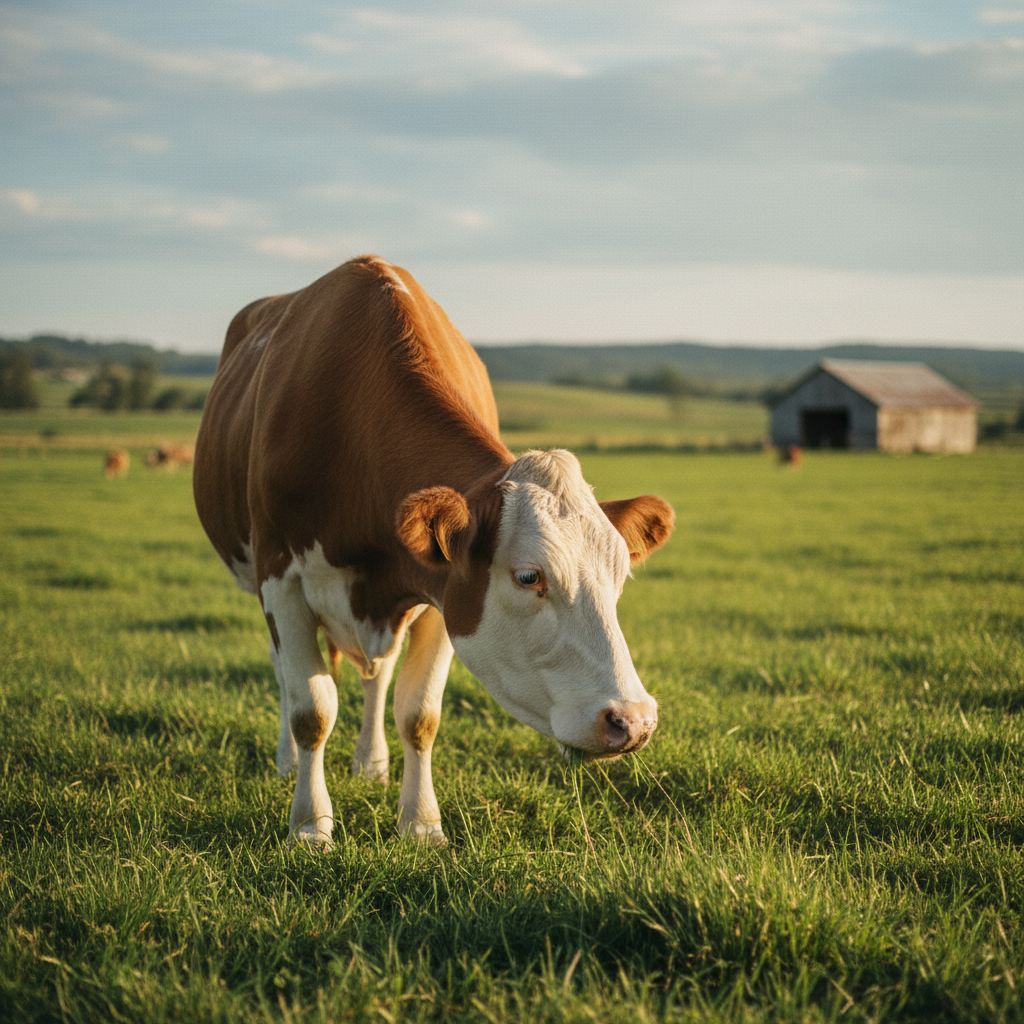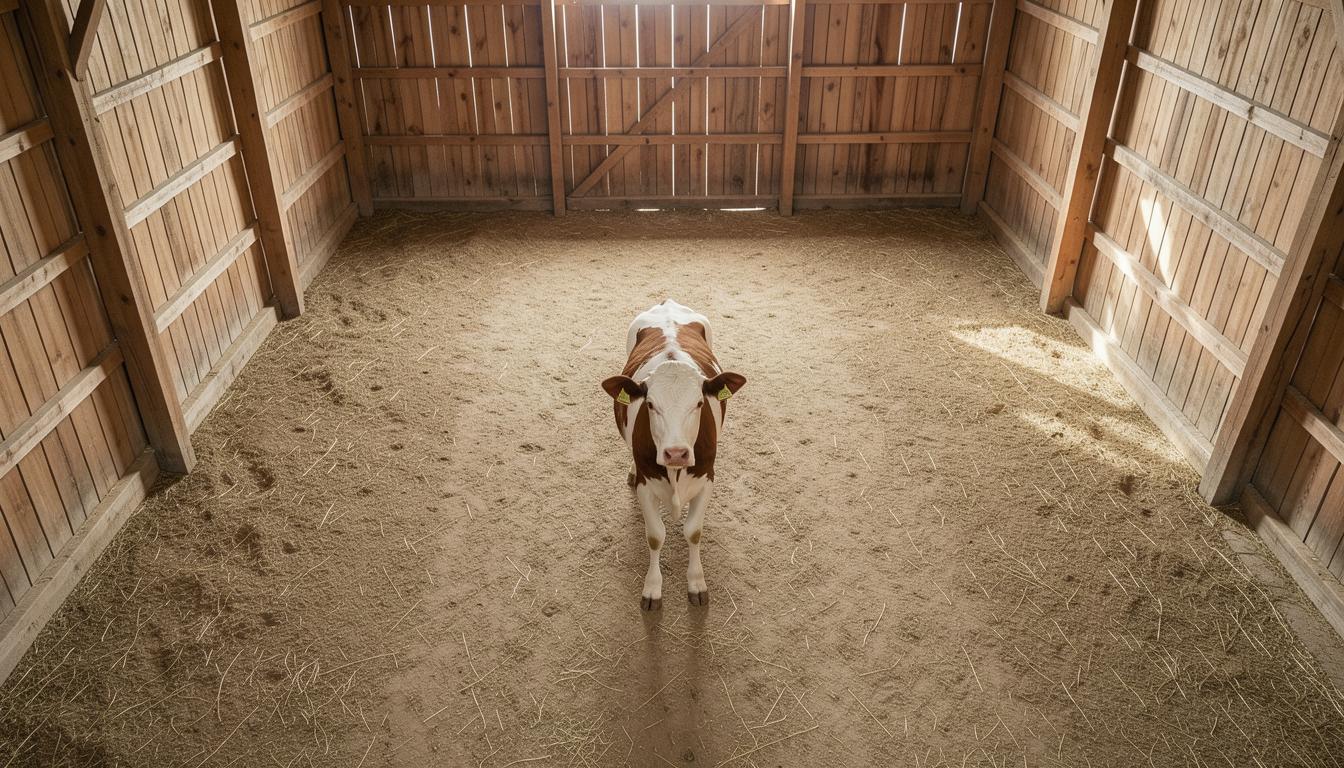
Did you know that the use of gestation crates in factory farming has been linked to an increased risk of zoonotic diseases? These diseases, which can jump from animals to humans, pose a significant threat to public health. But what can you do about it? This 7-day action plan will guide you through practical steps to address this issue and contribute to a safer, more sustainable food system.
“The use of gestation crates is not only cruel to animals but also a public health concern due to the increased risk of disease transmission.”
So, how can you make a difference in just 7 days? Let's dive into the action plan.
Day 1: Educate Yourself
Start by learning more about the issue. Read articles, watch documentaries, and follow experts on social media. The more you know, the better equipped you'll be to take action.
Day 2: Choose Plant-Based Meals
One of the most effective ways to reduce your risk of zoonotic diseases is to consume less meat. Try having one plant-based meal a day, or go meatless for a whole day. There are plenty of delicious and nutritious alternatives to explore.
Day 3: Check Labels
When you do buy meat, look for products labeled 'raised without gestation crates' or 'crate-free'. This ensures that the animals were not confined in gestation crates.
Day 4: Sign a Petition
Join the growing number of people calling for an end to gestation crates. Sign petitions, share them on social media, and encourage others to do the same.
Day 5: Contact Brands
Reach out to your favorite brands and ask them to commit to phasing out gestation crates. A polite email or social media message can make a big difference.
Day 6: Talk to Others
Spread the word about the issue. Talk to friends, family, and colleagues about the risks of gestation crates and how they can take action too.
Day 7: Review Your Progress
At the end of the week, look back at what you've achieved. Celebrate your successes and plan how you can continue to make a difference in the future.
Frequently asked questions
What are some common zoonotic diseases?+
Examples include swine flu, bird flu, and COVID-19, which originally jumped from animals to humans.
How does factory farming contribute to the spread of zoonotic diseases?+
Poor animal welfare, overcrowding, and lack of hygiene in factory farms create ideal conditions for disease transmission.
What can I do if I can't afford plant-based alternatives?+
Look for affordable, plant-based options like beans, lentils, and tofu. You can also choose meat less frequently and in smaller quantities.
How effective are petitions in bringing about change?+
Petitions can be very effective when combined with other forms of advocacy, such as media campaigns and lobbying. They show that there is public support for a cause.