The live export industry, a contentious global trade, transports millions of animals annually. Despite regulations claiming to ensure animal welfare, the reality is starkly different. This article, based on undercover footage, sheds light on the myths and facts of live export, focusing on the animals.
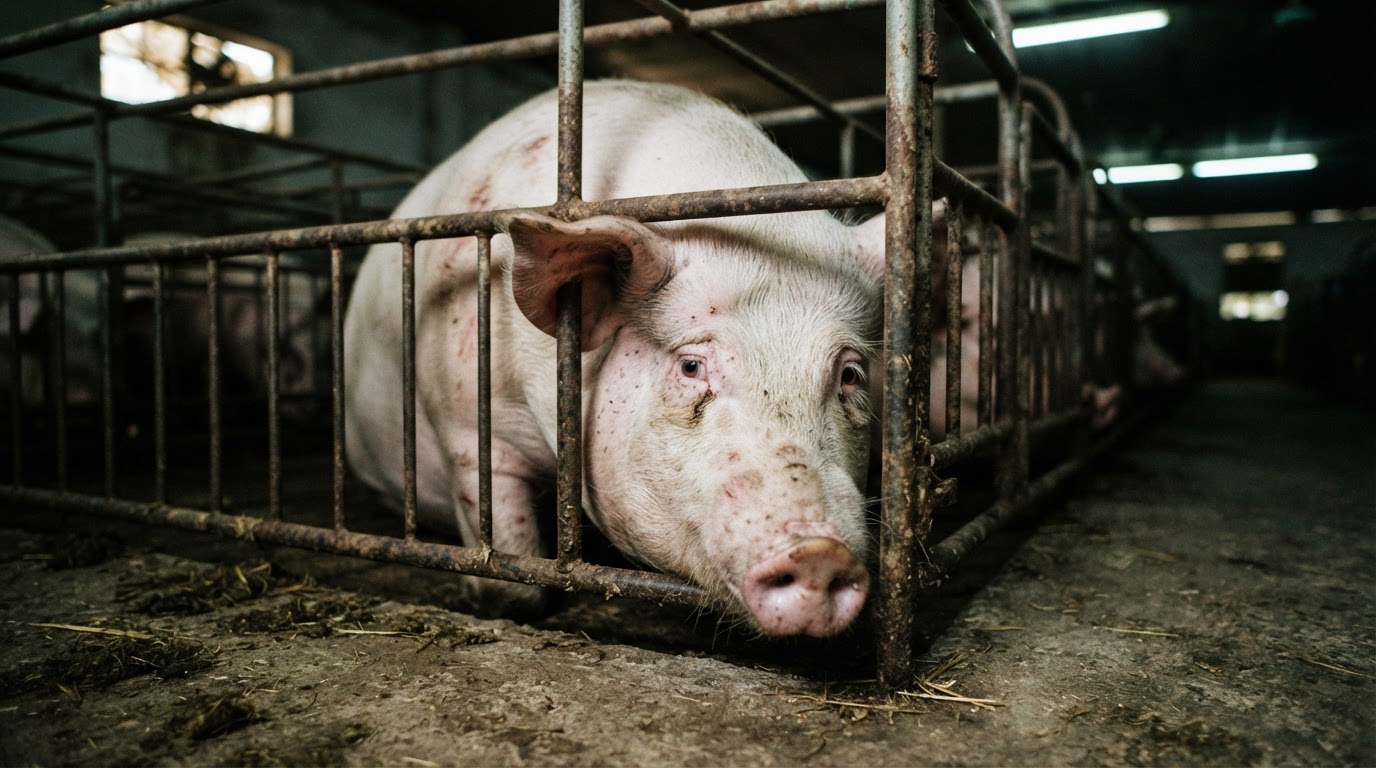
In 2021, undercover investigations by Mercy For Animals (MFA) revealed the grim reality of live export in Australia. The footage, captured on ships bound for the Middle East, showed cattle and sheep enduring extreme heat, overcrowding, and inadequate food and water.
“The conditions we witnessed were some of the worst I've ever seen in my 20-year career in animal welfare. It's clear that the regulations in place are failing to protect these animals.”
Despite regulations such as the Australian Standards for the Export of Livestock, these conditions are neither unusual nor exceptional. They are, in fact, routine.
| Country | Animals Exported (2020) | Destinations |
|---|---|---|
| Australia | 2.1 million | Middle East, South East Asia, Russia |
| United States | 1.7 million | Mexico, Canada, Caribbean |
| European Union | 2.4 million | Middle East, North Africa, Russia |
Regulations exist, but enforcement is often lacking. Moreover, destination countries may have lax or unenforced regulations, leading to further suffering.
In response to the MFA footage, the Australian government announced a review of the export regulations. However, animal welfare groups argue that the review lacks teeth and fails to address the core issues.
Australian live export by species (2016-2020)
The live export industry maintains that regulations are effective and that instances of poor welfare are isolated. Conversely, animal welfare NGOs argue that the industry is intrinsically cruel and that regulations are often ineffective or unenforced.
Alternatives to live export, such as processing animals closer to their homes, can reduce suffering and support local economies. Policy reform is needed to make these alternatives more viable.
Frequently asked questions
Why is live export so controversial?+
Live export is controversial due to the long journeys, harsh conditions, and poor welfare standards faced by the animals.
What can consumers do to support better animal welfare?+
Consumers can support better animal welfare by purchasing products from higher welfare standards, engaging in policy debates, and reducing overall meat consumption.
How can governments improve live export regulations?+
Governments can improve live export regulations by strengthening enforcement, increasing transparency, and promoting alternatives to live export.