Corporate giants like McDonald's and Nestlé have recently pledged to reduce the amount of meat in their products. But is this a responsible step towards public health, or a moral necessity driven by animal welfare and climate concerns?
“The impacts of meat consumption on health, climate, and biodiversity are well documented. corporations have a responsibility to act.”
Corporate pledges to reduce meat in products have been welcomed by public health advocates, but some argue they do not go far enough. The Cattlemen's Association, for instance, criticized Nestlé's commitment to halving the environmental impact of its products by 2030, stating that it "is not based on scientific evidence and will have significant negative consequences for farmers and consumers."

| Region | Meat Consumption (kg/capita) | Emissions (kg CO2 eq/capita) |
|---|---|---|
| North America | 46.8 | 7.8 |
| Europe | 73.1 | 5.9 |
| Africa | 10 | 1.2 |
| Asia | 22.4 | 3.1 |
| Latin America | 61.5 | 4.3 |
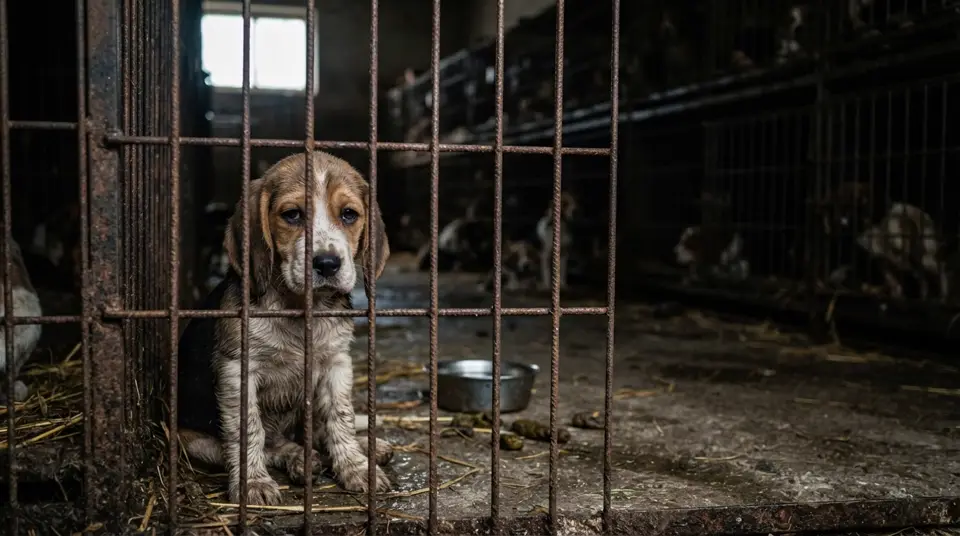
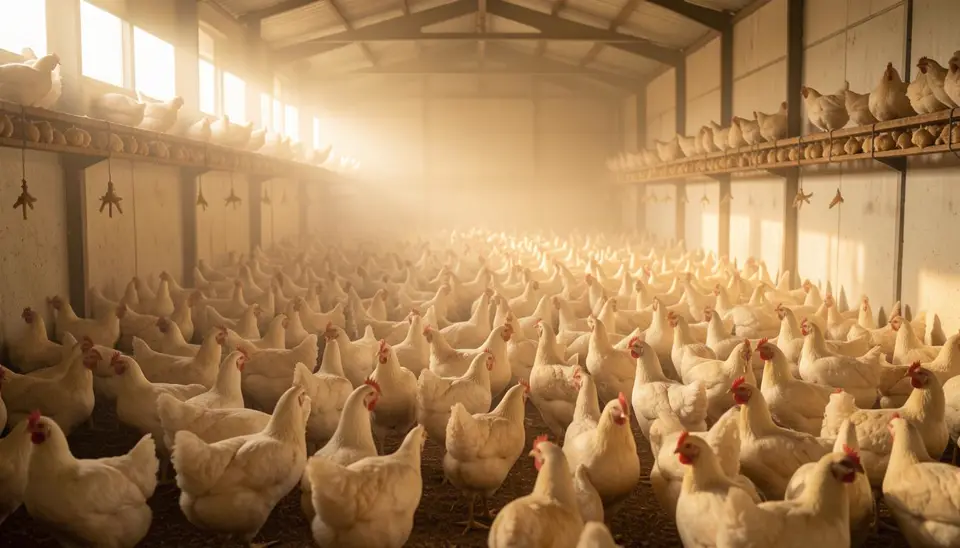
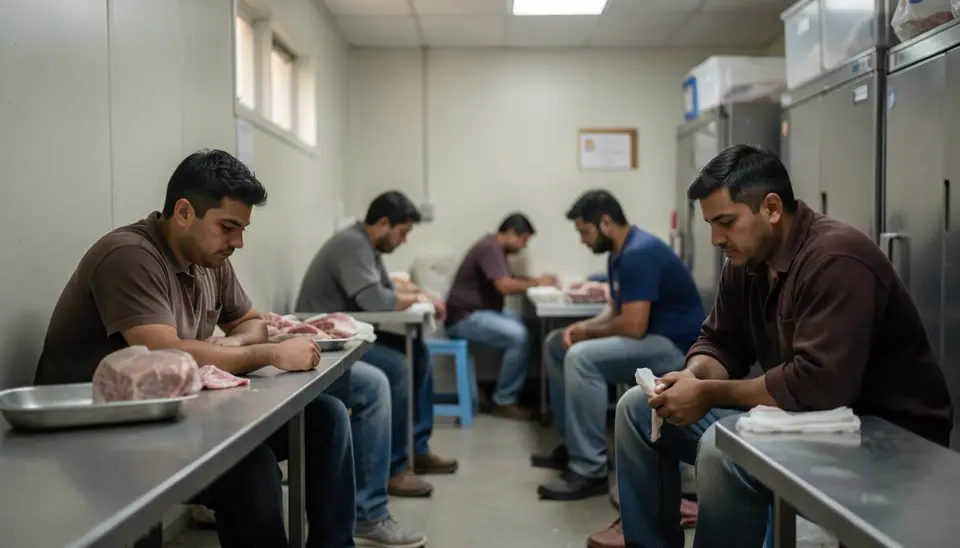
The meat industry has faced increased pressure from consumers, animal welfare advocates, and environmentalists to reduce its environmental impact and improve animal welfare. Some companies have responded with pledges to reduce meat in their products, shift to more sustainable sources, or invest in plant-based alternatives.
Frequently asked questions
How does reducing meat consumption benefit public health?+
Reducing meat consumption, particularly of red and processed meats, can lower the risk of chronic diseases such as heart disease, type 2 diabetes, and certain cancers. Source: World Health Organization, 2021
What are the environmental impacts of meat consumption?+
Meat consumption contributes to climate change, deforestation, and water pollution. Livestock production is responsible for around 14.5% of global greenhouse gas emissions. Source: Poore & Nemecek, 2018
How can corporate pledges drive change in meat consumption?+
Corporate pledges can influence consumer behavior, encourage competitors to adopt similar commitments, and contribute to a shift in societal norms around meat consumption.